The Mozambican Ministry of Education and Culture (MEC), in a strategic collaboration with World Education—an initiative of JSI—and with the financial backing of IrishAid, has officially inaugurated the Empowering Educators program. Launched in 2026, this ambitious multi-year initiative is designed to operationalize the Mozambican government’s National Strategy for Continuous Teacher Training, specifically targeting the unique educational challenges found in the Niassa Province of northern Mozambique. By focusing on systemic capacity building and on-the-ground implementation, the program seeks to revolutionize how teacher professional development is delivered, moving away from theoretical models toward practical, classroom-based excellence.
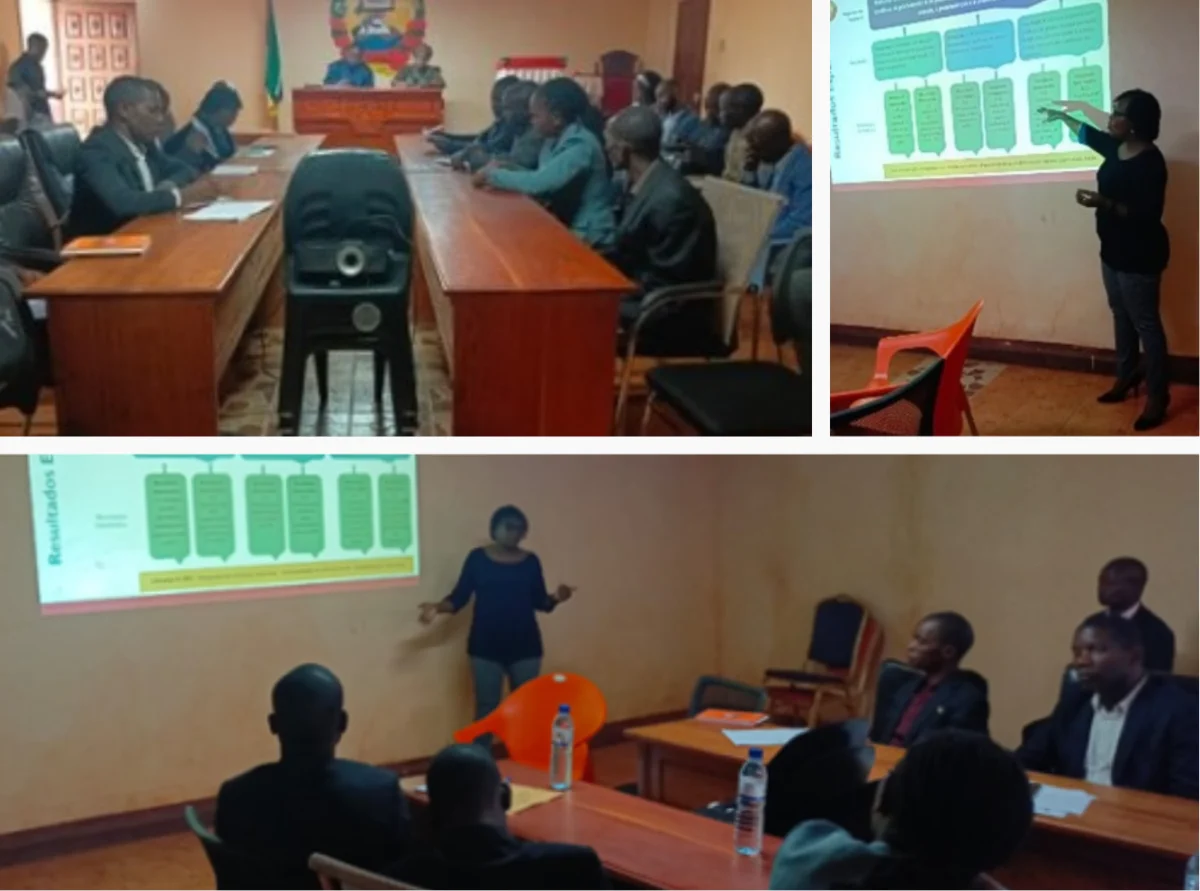
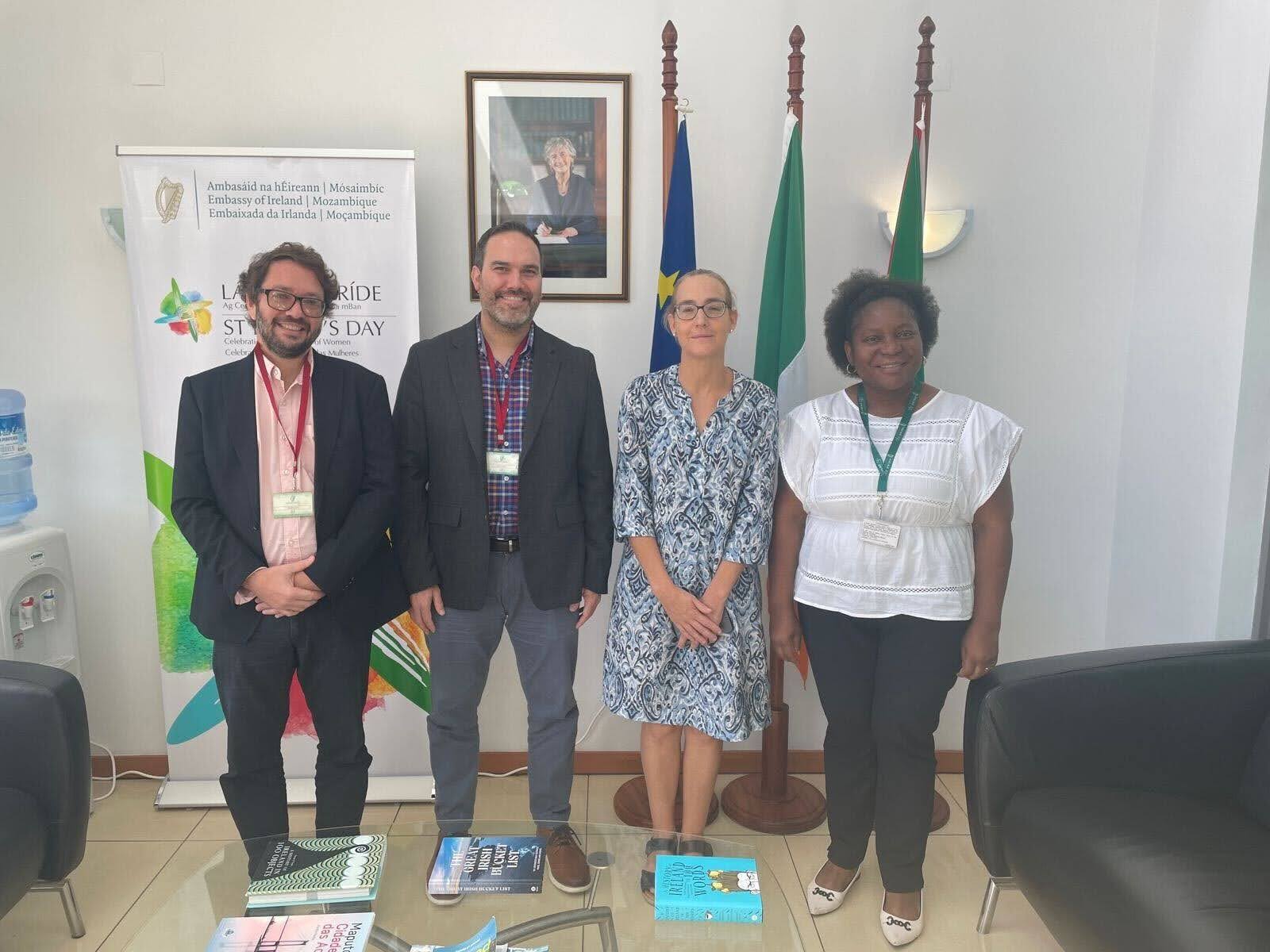
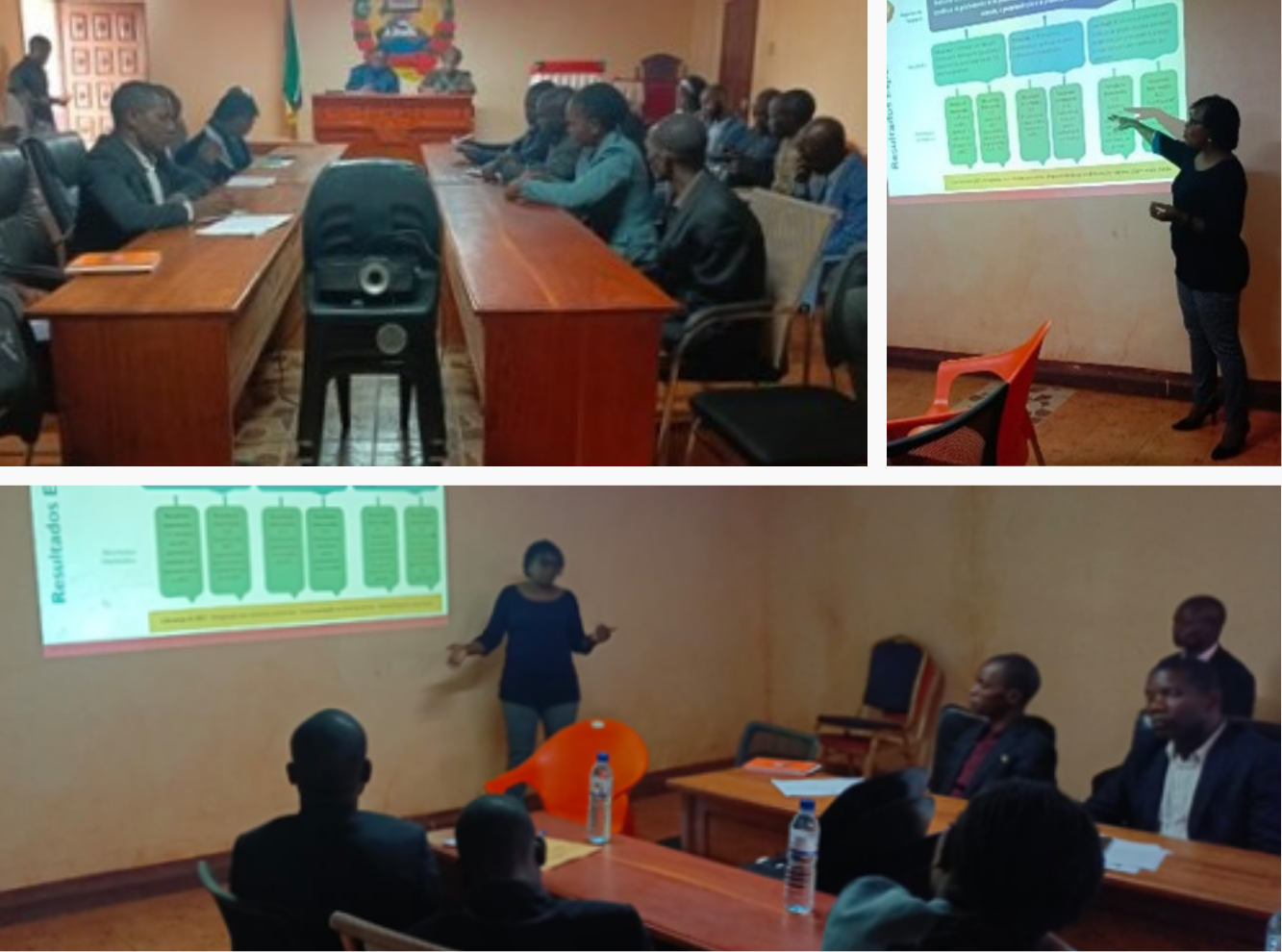
The partnership represents a significant milestone in the long-standing relationship between the Government of Mozambique and international development partners. The program was formally introduced during a series of kick-off events attended by high-level officials, including Adam Turney, a World Education initiative director; David Noyes, project director; and key leads from the Embassy of Ireland in Maputo, including Aileen O’Donovan, deputy head of mission and cooperation, and Lídia Meque, program manager. These events, held in the districts of Mavago and Mecula, underscored a shared commitment to improving the foundational learning outcomes of thousands of Mozambican children.
A Strategic Response to Mozambican Educational Challenges
For decades, Mozambique has made commendable strides in increasing primary school enrollment rates. However, the quality of education and the retention of students—particularly girls—remain critical hurdles. National assessments have frequently highlighted that while children are physically present in classrooms, many reach the middle of their primary education without mastering basic literacy and numeracy. The primary bottleneck has often been identified as the lack of consistent, high-quality teacher support and the disconnect between national education policies and their implementation in remote, rural districts.
Niassa Province, located in the far north of the country, presents a specific set of geographical and socio-economic challenges. It is one of the most sparsely populated and remote regions of Mozambique, which often leads to difficulties in recruiting and retaining qualified educators. By focusing the Empowering Educators program here, World Education and IrishAid are targeting a region where the impact of improved school management and teacher training can be most transformative.
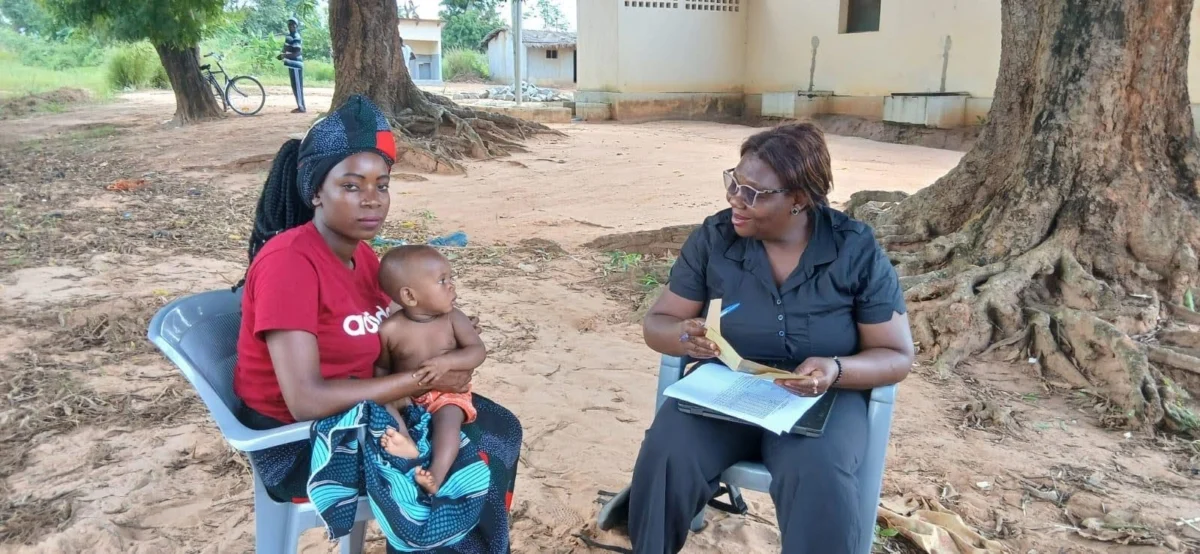
The program’s core objectives are three-fold: to improve primary education learning outcomes, to strengthen foundational learning in early grades, and to promote the access, retention, and protection of girls through gender-responsive school management. To achieve these goals, the project will initially reach 600 teachers—over 200 of whom are women—and 100 school directors across four targeted districts. This focused approach allows for the gathering of comprehensive baseline evidence, ensuring that the interventions are data-driven and tailored to the specific needs of the Niassa educational landscape.
Historical Context and the Evolution of World Education’s Role
The launch of the Empowering Educators program is not an isolated event but the latest chapter in a 15-year history of collaboration. World Education has been an active partner of the Mozambican government since 2011. Over the past decade and a half, the organization has partnered with the MEC to deliver both large-scale national programs and targeted local interventions.
According to historical data provided by JSI, World Education’s initiatives have collectively trained tens of thousands of teachers and supported well over 2 million learners across the country. Previous projects have focused on diverse areas such as bilingual education, adult literacy, and the integration of health and nutrition into school environments. This deep institutional knowledge of the Mozambican education system allows World Education to navigate the complexities of local bureaucracy and cultural nuances, ensuring that the Empowering Educators program is not seen as an external imposition but as a reinforcement of national priorities.
The 2026 launch marks a shift toward a more sustainable, decentralized model of training. Historically, teacher training in Mozambique often relied on centralized workshops that required teachers to travel long distances, leaving their classrooms empty. These workshops frequently failed to translate into better teaching practices because there was no follow-up support once the teacher returned to the school. Empowering Educators addresses this by embedding training within the school environment itself.
Chronology of Implementation and Methodological Innovation
The implementation of the Empowering Educators program follows a rigorous timeline designed to ensure long-term viability. The first phase, initiated in early 2026, focused on the collection of baseline data and the sensitization of local stakeholders. This involved meetings with district education officers, community leaders, and parents to align expectations and foster local ownership of the project.
In April 2026, the formal launch events in Mavago and Mecula signaled the beginning of the active training phase. Unlike traditional models, the program utilizes a "multiplier" effect. Under this strategy, a select group of trainee teachers and school leaders receive intensive instruction and then act as mentors within their own institutions.
A critical component of this methodology is the role of the Deputy School Head. In the Mozambican system, the Deputy School Head is responsible for pedagogical oversight, but they are often bogged down by administrative tasks. Empowering Educators seeks to reclaim this role as one of pedagogical leadership. Deputy School Heads are being trained to provide ongoing classroom support through peer coaching. This involves observing lessons, providing constructive feedback, and modeling effective teaching techniques in real-time.
Ligia Lundo, World Education’s Provincial Manager, emphasized the importance of this shift: "The sustainability of the strategy is based on the principle that trainee teachers will act as multipliers of the process, ensuring and prioritizing on-the-job training. Strengthening management for all learners will enable everyone, from the manager down to the classroom, to adopt strategies to create a successful social, academic, and learning environment."
Gender-Responsive Management and the Focus on the Girl Child
A significant portion of the program is dedicated to gender-responsive school management. In Northern Mozambique, girls face a myriad of barriers to completing their education, including early marriage, domestic responsibilities, and a lack of female role models in leadership positions. By ensuring that over 200 of the 600 participating teachers are women, the program provides students with visible examples of female professional success.
Furthermore, school directors are being trained to identify and mitigate the risks that lead to female dropout. This includes creating safer school environments and implementing protection protocols. The "gender-responsive" aspect of the program also extends to the curriculum and teaching methods, encouraging educators to challenge gender stereotypes and ensure that girls are actively participating in STEM (Science, Technology, Engineering, and Mathematics) and literacy activities.
Data from similar initiatives in Sub-Saharan Africa suggests that when school management is sensitized to gender issues, the retention rate of female students can increase by as much as 15-20% over a three-year period. The Empowering Educators program aims to replicate and exceed these results in Niassa by making gender equity a core metric of school performance.
Diplomatic and Official Support
The involvement of IrishAid highlights the international community’s recognition of education as a cornerstone of development. The Embassy of Ireland in Maputo has been a consistent advocate for human rights and poverty reduction in Mozambique, and their funding of this program aligns with Ireland’s global "A Better World" policy, which prioritizes reaching the furthest behind first.
During the kick-off events, Aileen O’Donovan of the Irish Embassy noted the importance of the collaboration with the government. The administrator of the Mavago district also delivered a speech reinforcing the local government’s commitment to the initiative, acknowledging that the success of the program depends on the active participation of the community and the dedication of the teachers.
These official responses indicate a high level of political will, which is essential for the "operationalization" of the National Strategy for Continuous Teacher Training. By aligning the project so closely with government policy, World Education ensures that the improvements made during the program’s lifespan can be integrated into the national budget and administrative structures in the future.
Implications for the Future of Mozambican Education
The Empowering Educators program arrives at a pivotal moment for Mozambique. As the country seeks to diversify its economy and recover from various regional shocks, the need for a literate and skilled workforce has never been greater. The focus on foundational learning—literacy and numeracy in the early years—is particularly critical. Research by the World Bank suggests that "learning poverty" is a major drag on economic growth, and addressing it at the primary level provides the highest return on investment for any developing nation.
If the Empowering Educators model proves successful in Niassa, it could serve as a blueprint for the rest of the country. The shift from external workshops to internal, peer-led coaching is a cost-effective way to maintain high standards of teaching across vast, geographically challenged areas. Moreover, the focus on baseline evidence ensures that the Ministry of Education has the data necessary to make informed policy decisions moving forward.
By strengthening the capacity of the education system to support its teachers sustainably, World Education and IrishAid are doing more than just training educators; they are building a resilient infrastructure for learning. The ultimate beneficiaries will be the children of Niassa, who will gain access to a higher quality of education, better protection within their schools, and a greater opportunity to contribute to the future of their nation.
As the program progresses through 2026 and beyond, the international community and Mozambican stakeholders will be watching closely. The success of this initiative will likely influence future educational funding and strategy throughout the Lusophone world and Southern Africa, proving that even in the most remote regions, systemic change is possible through partnership, evidence-based practice, and a steadfast commitment to the empowerment of educators.