Mar 20, 2026 | By HIAS Staff
The United States is currently experiencing a record high in the number of individuals detained in Immigration and Customs Enforcement (ICE) facilities, with over 73,000 people held in custody. This surge, largely attributed to the immigration policies enacted by the Trump administration, has seen asylum seekers and refugees subjected to what many describe as deplorable conditions. Shockingly, over 70% of those detained have no criminal convictions, highlighting the broad reach of current enforcement actions. Amidst this crisis, Juliette*, a courageous asylum seeker from Cameroon, has come forward to share her deeply disturbing experience of wrongful detention by ICE, a story that underscores the profound human cost of the nation’s immigration policies.
Juliette’s ordeal began after she fled persecution in her home country of Cameroon in 2023. Upon arriving in the United States, she promptly initiated the asylum application process, seeking refuge and a chance to rebuild her life. She found initial support through the legal and social services provided by HIAS (formerly the Hebrew Immigrant Aid Society), an organization with a long-standing commitment to assisting refugees and displaced persons. However, just two months prior to her public testimony, her nascent stability was shattered when she was arrested by ICE.
The arrest was swift and disorienting. Juliette recounted being handcuffed and shackled before being transferred through multiple detention centers. The conditions she encountered were, by her account, horrific. "It was very crowded," Juliette stated, her voice tinged with the lingering trauma of the experience. "We had to sleep on the floor, on the concrete. There were no mattresses, there was no bed. There was just one pot for the toilet and the smells were awful. There was no sanitation. I spent six days without washing and wearing the same clothes. We ate with our hands handcuffed." This description paints a grim picture of a system struggling to cope with its detainee population, prioritizing enforcement over basic human dignity.
The physical and psychological toll of such conditions is immense. For individuals fleeing violence and seeking safety, the experience of detention can re-traumatize and exacerbate existing anxieties. The lack of basic amenities, such as clean water, adequate sanitation, and comfortable sleeping arrangements, not only poses health risks but also strips individuals of their dignity. The inability to wash or change clothes for extended periods, coupled with the dehumanizing act of being fed while handcuffed, speaks volumes about the environment within some of these facilities.
Juliette’s journey eventually led her to the Dilley Immigration Processing Center in Texas. This facility, notorious for holding thousands of immigrants in what have been described as harsh conditions, has been the subject of numerous reports and criticisms regarding its operational standards and treatment of detainees. Here, Juliette encountered other women who had endured months of detention, a prolonged period of uncertainty that she described as a unique form of cruelty. The constant fear of the unknown, the inability to contact loved ones, and the lack of clarity regarding one’s future can have devastating psychological consequences, contributing to anxiety, depression, and post-traumatic stress.
The swift intervention of HIAS’s legal and social services team proved crucial in Juliette’s case. Their advocacy efforts were instrumental in securing her release from detention. Without this timely assistance, Juliette might still be confined, separated from her children, her employment, and the life she was striving to rebuild. The organization continues to support her as she navigates the complex process of recovery from the trauma inflicted by her detention, a process that is further complicated by her continued fear and uncertainty in a country she sought as a sanctuary.
The Lingering Shadow of Detention
While Juliette’s physical freedom has been restored, the emotional and psychological scars of her detention remain profound. "Since I came back, life has not been the same because I was traumatized by what I experienced," she confessed. "I lost everything I had and was doing before being detained." The stability she had painstakingly constructed began to unravel following her release.
A stark symbol of her continued entanglement with the system is the ankle monitor she now wears. This electronic tether serves as a constant, visible reminder of her status as an immigrant and an asylum seeker. It not only follows her physically but also creates a social barrier, making strangers recoil and perpetuating a sense of otherness and stigma. "I feel like a criminal," Juliette admitted, a sentiment that underscores the psychological impact of being treated as such, despite having done nothing more than seek safety.
The journey back to normalcy is fraught with challenges. Juliette finds herself needing to "start from scratch," a daunting prospect for anyone, but especially for someone who has experienced the profound upheaval of detention and the loss of their previous life. "I don’t feel safe. I have experienced fear, fear in my belly, my stomach, and also on a physical level, I am not the same," she shared, articulating the deep-seated anxiety that permeates her daily existence. This feeling of insecurity is a direct consequence of the system that is meant to protect those seeking refuge, but which, in her case, became a source of profound distress.
A Voice for the Voiceless
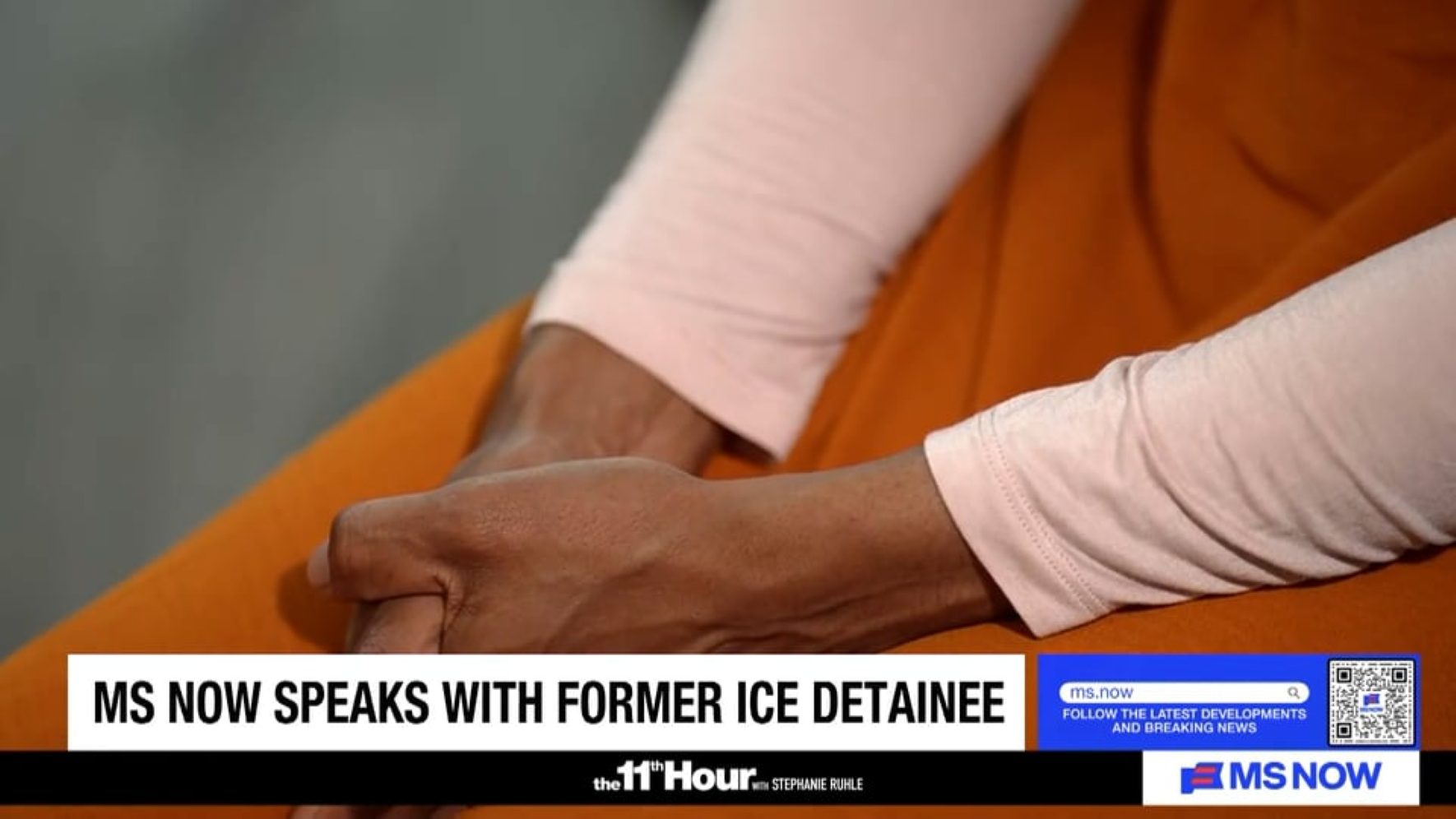
Juliette’s decision to share her story with MS NOW, albeit anonymously to protect her safety, stems from a powerful desire to illuminate the realities faced by those seeking protection in the United States. Her testimony aims to bridge the gap between public perception and the lived experiences of asylum seekers, highlighting the stark contrast between the promise of sanctuary and the harsh realities of detention. She hopes her narrative will foster greater understanding and empathy, prompting a reevaluation of current immigration policies and their human impact.
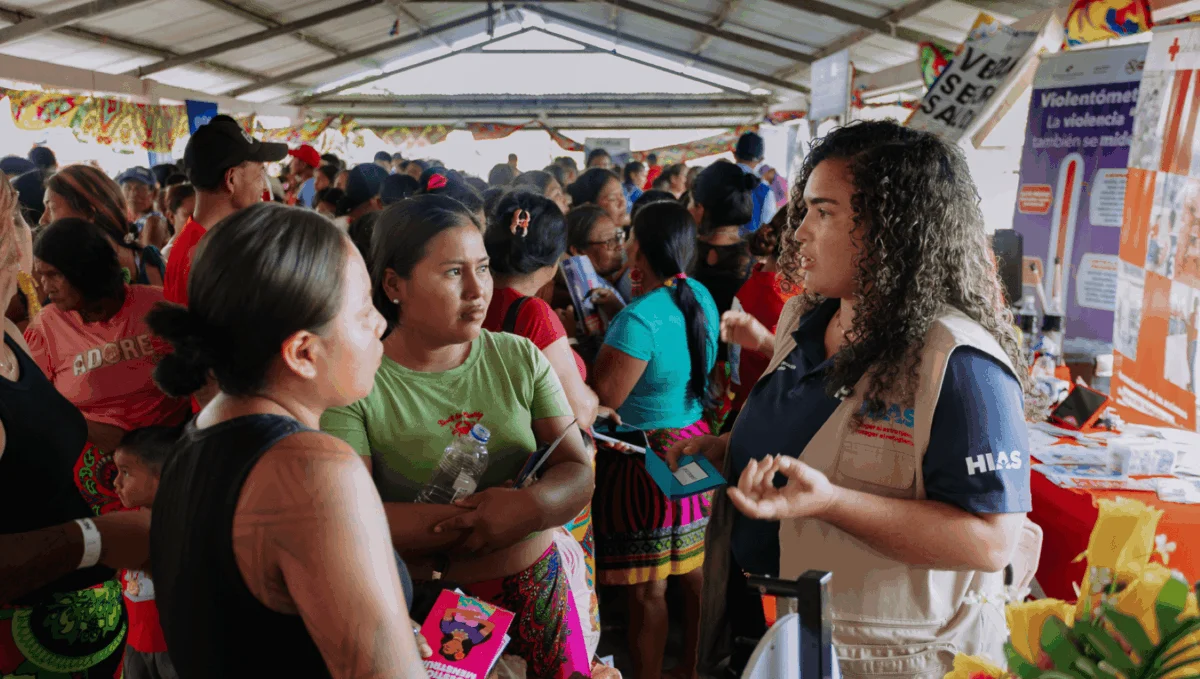
The organization supporting Juliette, HIAS, has been a steadfast advocate for refugees and asylum seekers for over 120 years. As the world’s oldest refugee agency, HIAS operates on the principle that every individual deserves safety and dignity, regardless of their origin or political circumstances. Their commitment to this principle is evident in their multifaceted approach, which includes legal representation, social services, and advocacy efforts aimed at challenging policies that undermine the rights and well-being of displaced people.
Systemic Challenges and Legal Battles
Juliette’s experience is not an isolated incident; it is emblematic of a broader systemic issue within the U.S. immigration detention system. HIAS’s legal team actively works within detention centers and courtrooms to represent individuals whose cases may otherwise go unnoticed. They understand that the legal battles fought in courtrooms are intrinsically linked to the personal journeys of recovery and rebuilding that follow release.
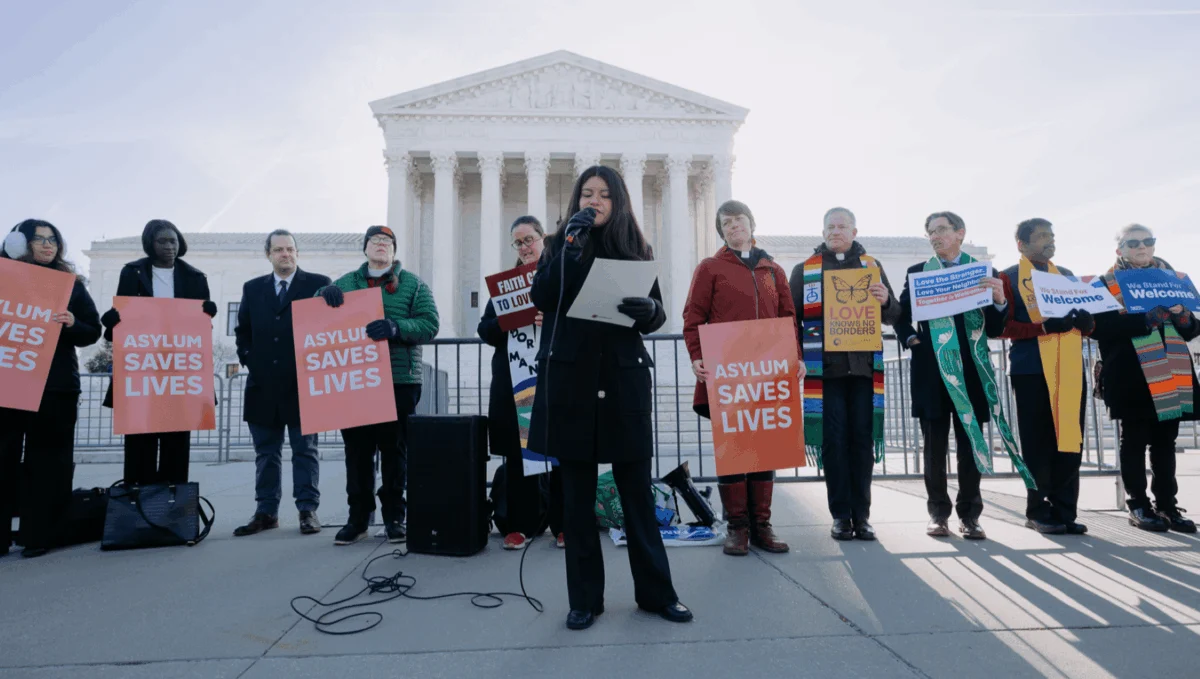
In response to what they describe as the Trump administration’s "anti-immigrant agenda," HIAS is currently involved in seven significant legal challenges. Among these is Amica Center for Immigrant Rights v. EOIR, a lawsuit aimed at overturning detrimental changes that severely limit immigrants’ ability to appeal decisions made in immigration court. Such appeals are a critical safeguard, ensuring that individuals have a fair opportunity to present their cases and that justice is served. By gutting the appeals process, the administration risks rendering the immigration court system even more opaque and less accountable.
Another key legal challenge is U.H.A. v Bondi, which argues that the practice of detaining resettled refugees for rescreening is not only cruel and harmful but also deeply retraumatizing. This practice can undo the progress refugees have made in rebuilding their lives and undermine the very foundations of resettlement programs designed to offer stability and hope. These legal actions demonstrate HIAS’s commitment to fighting for systemic change and protecting the rights of vulnerable populations.
A Call for Compassion and Action
Juliette’s courage in sharing her story is a powerful testament to her resilience and her desire to effect change. Her willingness to speak out, despite the personal cost, is invaluable in humanizing the complex and often abstract issue of immigration. HIAS expresses profound gratitude for her bravery and reaffirms its unwavering commitment to standing with Juliette and all displaced individuals seeking safety in the United States.
The implications of Juliette’s testimony extend far beyond her personal experience. It serves as a stark reminder that behind the statistics and policy debates are individuals with hopes, dreams, and the fundamental human right to safety and dignity. The ongoing detention of asylum seekers, many without criminal records, raises serious questions about the fairness and humanity of the U.S. immigration system. The conditions described in detention facilities highlight the urgent need for oversight, reform, and a more compassionate approach to asylum processing.
As Juliette herself stated, she hopes her story "might change something, might shift the conversation." This aspiration is central to the ongoing efforts of organizations like HIAS, which work tirelessly to advocate for policies that reflect American values of compassion and justice. The path forward requires a sustained commitment to understanding the human impact of immigration policies, ensuring due process, and providing adequate support for those seeking refuge. Juliette’s voice, amplified by the support of organizations like HIAS, is a critical call to action for a more humane and just immigration system.
*Name changed for safety.