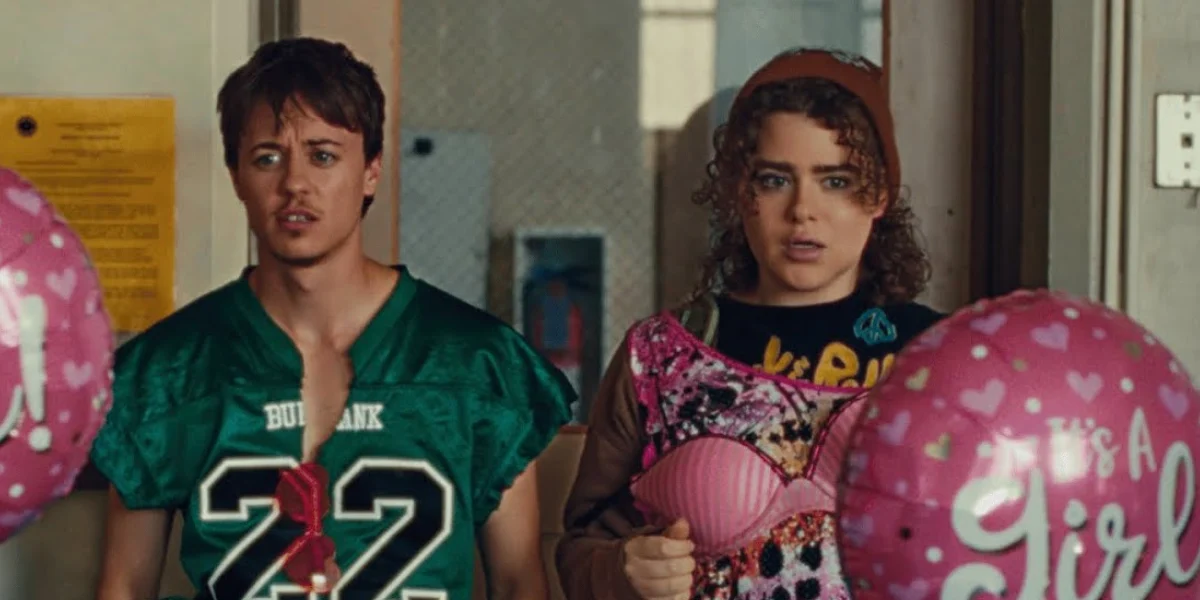
The upcoming feature film She’s The He, directed by Siobhan McCarthy, represents a significant shift in the landscape of contemporary independent cinema by subverting traditional gender-bending tropes through a lens of authentic transgender representation. Drawing inspiration from the 2006 teen comedy She’s the Man, the film explores the complexities of adolescent identity, romance, and self-discovery within a framework of queer and transgender experiences. Unlike previous iterations of the "hidden identity" genre, which frequently utilized cross-dressing as a source of slapstick humor at the expense of gender-nonconforming individuals, McCarthy’s project prioritizes trans joy and agency, casting trans actors in lead roles that challenge cisnormative expectations.
Narrative Structure and Creative Intent
The plot of She’s The He centers on a high-stakes, albeit misguided, scheme orchestrated by two teenagers, played by Misha Osherovich and Nico Carney. Within the narrative, the characters—who are portrayed as seemingly cisgender boys—opt to present as girls in an attempt to navigate a complex social maneuver involving their peers and a specific romantic interest. The object of this affection is portrayed by Malia Pyles, an actress recognized for her roles in Pretty Little Liars: Original Sin and her public advocacy for LGBTQ+ visibility.
While the film utilizes the "hairbrained scheme" archetype common in high school comedies, it serves as a vehicle for a deeper exploration of gender identity. According to director Siobhan McCarthy, the project was born from a desire to reclaim a genre historically dominated by cisgender perspectives. McCarthy has noted that gender-bending narratives have frequently positioned transgender people as the punchline rather than the protagonists. By foregrounding trans joy, She’s The He aims to dismantle these tropes, offering a narrative where characters learn profound truths about their internal identities while navigating the absurdity of teenage social dynamics.
The film’s marketing emphasizes its commitment to authentic casting. The trailer highlights a production philosophy where transgender actors portray both cisgender and transgender characters, and gay actors occupy queer roles. This approach is positioned as a corrective to the historical exclusion of transgender individuals from the mainstream high school comedy genre, which has seen a resurgence in recent years through films such as Booksmart (2019), Blockers (2018), and Bottoms (2023).
Socio-Political Context and Genre Evolution
The production of She’s The He arrives during a period of heightened cultural discourse regarding transgender rights and visibility in the United States. The film reportedly addresses contemporary issues, including "trans bathroom panic," through satire. By utilizing humor to critique social anxieties, the film aligns itself with a tradition of political comedy that seeks to humanize marginalized groups while exposing the illogical nature of prejudice.
Industry analysts suggest that She’s The He is part of a broader "New Queer Cinema" movement that focuses on high-production-value genre films rather than solely on tragic or educational narratives. The success of Bottoms, which grossed over $12 million on a limited budget and garnered critical acclaim for its absurdist take on queer female adolescence, has demonstrated a viable market for R-rated queer comedies. She’s The He is expected to follow this trajectory, targeting Gen Z and Millennial audiences who prioritize authenticity and diversity in media consumption.
Developments in Television and Long-Form Media
Parallel to the developments in independent film, the television industry continues to witness significant shifts in long-running franchises. The Season 22 finale of Grey’s Anatomy has signaled a major transition for the series with the departure of the character Owen Hunt, portrayed by Kevin McKidd. Hunt, a fixture of the medical drama for over a decade, has been a polarizing figure among the show’s dedicated fanbase.
Simultaneously, the series has continued its tradition of complex LGBTQ+ storytelling. The finale explored the dissolution of a prominent queer relationship, which became complicated by the introduction of a third party. This narrative choice reflects the show’s ongoing commitment to depicting queer romances with the same level of interpersonal conflict and dramatic weight as their heteronormative counterparts. Since the introduction of Dr. Callie Torres in Season 2, Grey’s Anatomy has remained a cornerstone of LGBTQ+ representation on network television, frequently leading GLAAD’s annual reports on media inclusion.
In the realm of animation, Aubrey Plaza has released Kevin, a series noted for its irreverent humor and explicit inclusion of queer themes. The program features a pansexual feline character voiced by Whoopi Goldberg and depicts cultural milestones such as a lesbian cat adoption ceremony in Provincetown, Massachusetts. The series highlights a growing trend of established actors utilizing voice work and animation to explore niche, identity-focused storytelling that might face greater barriers in live-action formats.
Milestones in Music and Public Honors
The music and entertainment sectors have also announced several milestones involving high-profile queer figures. Queen Latifah has been confirmed as the host for the upcoming American Music Awards. As a pioneer in hip-hop and an Academy Award-nominated actress, Latifah’s role as host underscores her enduring influence in the industry. Her involvement is seen as a strategic move by producers to maintain the awards show’s relevance through veteran star power.
Miley Cyrus is also set to receive a star on the Hollywood Walk of Fame. This honor follows a career evolution that saw Cyrus transition from a child star to a Grammy-winning artist and a vocal advocate for the LGBTQ+ community. Her career trajectory is often cited by cultural critics as a blueprint for modern celebrity reinvention, balancing commercial success with personal authenticity and activism.
Furthermore, a biopic of the legendary performer and civil rights activist Josephine Baker is currently in development, with FKA Twigs cast in the lead role. Directed by Maïmouna Doucouré, the project has drawn attention from historians and fans alike, who have expressed hope that the film will accurately portray Baker’s documented bisexuality. Baker, who served as a spy for the French Resistance and was a prominent figure in the Civil Rights Movement, had several well-documented relationships with women, including the novelist Colette. The film’s treatment of her sexuality is viewed as a critical test of modern biographical cinema’s ability to handle the complexities of historical figures’ private lives.
Trends in Reality Television and Digital Platforms
The landscape of reality television continues to diversify, though not without personal costs to its participants. Aspyn Ovard, a prominent digital creator, recently spoke about the psychological toll of filming the spinoff for Mormon Wives. Ovard, who identifies as queer and polyamorous, noted that the pressures of maintaining a public persona while navigating complex family and religious backgrounds have contributed to increased anxiety. This reflects a broader conversation within the industry regarding the mental health of reality television stars and the ethics of "trauma-mining" for entertainment.
In contrast, veteran actress Miriam Margolyes has found significant financial success through the digital platform Cameo. The lesbian actress, known for her roles in the Harry Potter franchise and her candid talk-show appearances, has reportedly generated substantial revenue by providing personalized video messages to fans. This highlight’s the growing "creator economy" for established actors, allowing them to monetize their personal brands directly through fan engagement outside of traditional acting roles.
Impact on Fashion and Public Representation
The 2026 Met Gala marked a historic moment for disability representation with the attendance of trans model Aariana Rose Philip. Philip became the first wheelchair user to attend the prestigious event, a milestone that underscores the fashion industry’s slow but steady progress toward inclusivity. Her presence at the Gala, which is widely considered the most significant annual event in the global fashion calendar, serves as a powerful statement on the intersection of disability, gender identity, and high fashion.
The move toward inclusivity is also visible in the scheduling of upcoming major productions. The Baywatch reboot, starring Shay Mitchell, has seen its premiere date shifted to early 2027. While delays are common in large-scale productions, the anticipation for Mitchell’s involvement remains high, given her history of portraying influential queer characters on television.
Conclusion and Future Outlook
The release of She’s The He in June coincides with Pride Month, a strategic timing that aligns the film with a period of increased cultural focus on LGBTQ+ narratives. As the film industry moves away from the exclusionary practices of the past, projects like McCarthy’s provide a template for how marginalized creators can reclaim and revitalize traditional genres.
The broader trends across film, television, and public honors suggest a shifting paradigm where queer and transgender identities are no longer treated as peripheral or experimental elements. Instead, they are increasingly integrated into the core of mainstream entertainment, driven by a combination of audience demand for authenticity and a new generation of creators who refuse to be relegated to the sidelines. From the satirical halls of high school in She’s The He to the historic stage of the Met Gala, the current media landscape reflects a diversifying world where representation is increasingly viewed not just as a social good, but as a creative and commercial necessity.