The 25th Session of the United Nations Permanent Forum on Indigenous Issues (UNPFII), held on April 24, 2026, became a critical platform for addressing the often-overlooked intersection of Indigenous identity and disability. Jen Deerinwater, Founding Executive Director of Crushing Colonialism, delivered a powerful address highlighting the profound impacts of colonialism and systemic oppression on Indigenous individuals with disabilities worldwide. Her remarks underscored the urgent need for greater recognition, data collection, and the implementation of comprehensive support systems.
A Stark Reality: Underestimated Numbers and Systemic Disadvantage
Deerinwater’s presentation began by framing the scale of the issue, citing UN estimates that over one billion people, or approximately 15% of the global population, live with disabilities. She then juxtaposed this with the global Indigenous population of 476 million. Drawing on estimates from the Indigenous Persons with Disabilities Global Network, she stated that a staggering 71 million of these individuals are Indigenous people with disabilities. The data further revealed a disproportionate concentration, with 45 million Disabled Indigenous people residing in the Asia Pacific region, often in nations categorized as developing or underdeveloped.
Crucially, Deerinwater emphasized that these figures are likely an undercount. She pointed out that even the UN’s global disability statistics are based on a 2013 study, a figure that predates the significant global upheavals of recent years. The ongoing impacts of global conflicts and wars, the escalating climate crisis, and the lingering effects of the COVID-19 pandemic have undoubtedly exacerbated disability rates within vulnerable populations, including Indigenous communities.
Her analysis extended to the intersectionality of identity, noting that rates of disability and chronic illness are further elevated among Indigenous women and Two-Spirit, Lesbian, Gay, Bisexual, and Trans (2SLGBTQ+) individuals. Deerinwater firmly rejected any notion that these higher rates are genetically determined. Instead, she asserted that they are a direct consequence of the enduring and pervasive global impacts of colonialism, violence, and systemic oppression. These historical and ongoing injustices manifest through various channels, including warfare, ongoing conflict, the widespread degradation of natural environments, and the existential threat posed by the climate crisis.
The Silenced Dialogue: Disability’s Absence at the Forum
A central theme of Deerinwater’s address was the conspicuous absence of disability from discussions at the UNPFII. She posed a fundamental question regarding the pursuit of good health, encompassing mental, emotional, and spiritual well-being, when the very environments where these discussions take place are not universally accessible. The UN headquarters in New York City, along with associated events, were highlighted as examples of spaces that often fail to accommodate a wide spectrum of disabilities.
"How can we have good health, including our mental, emotional, and spiritual health, if we can’t traverse the world, including the UN NYC headquarters and these related events, if they’re not disability accessible for a wide range of disabilities?" Deerinwater questioned. This rhetorical inquiry underscored the practical barriers faced by Indigenous people with disabilities in participating fully in global forums and advocating for their rights.
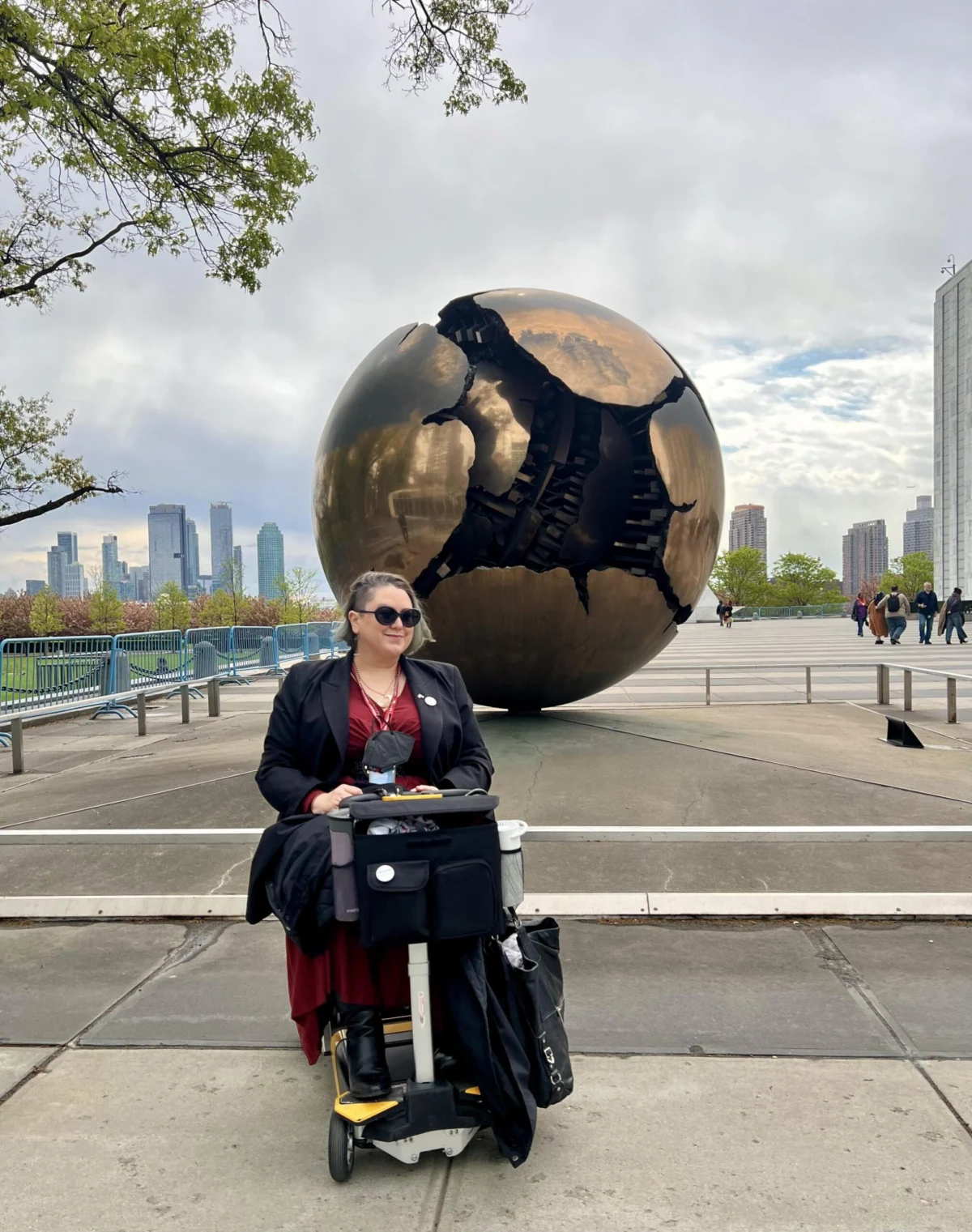
The lack of accessibility extends beyond physical infrastructure. Deerinwater pointed to the struggle of many to access basic facilities, such as restrooms and medical services, as a critical impediment to achieving good health outcomes. Furthermore, she stressed the vital importance of easy access to disability and mobility-related devices, such as the scooter she herself uses, as essential components of maintaining independence and well-being.
The Imperative of Community Care and Sovereignty
Deerinwater articulated a profound need for robust community care systems for all chronically ill and Disabled Indigenous relatives. She expressed a deep-seated distrust in colonial governments to provide adequate support, stating, "we cannot rely on colonial governments to rescue us during crises or even to meet our healthcare needs, including support for our activities of daily living." This sentiment reflects a historical pattern of neglect and insufficient support from state-sanctioned institutions towards Indigenous communities, particularly those with specific needs.
The call for community-led care systems is rooted in the principle of Indigenous sovereignty. It asserts the right of Indigenous peoples to define and implement their own solutions for well-being, free from external imposition or dependence. This approach recognizes the inherent strengths and resilience within Indigenous communities and leverages traditional knowledge and kinship networks to create sustainable and culturally relevant support structures.
A Call to Action: Data, Recognition, and Inclusion
Jen Deerinwater concluded her remarks with a clear and urgent call to action directed at both the United Nations and Indigenous leadership. She reiterated the fundamental right of Disabled Indigenous people to live with dignity and joy, demanding the same sovereign and human rights afforded to all individuals.
Her primary demand was for the United Nations to undertake a comprehensive global study specifically focused on Deaf, Disabled, and chronically ill Indigenous people. Such a study would provide crucial, up-to-date data, essential for understanding the true scope of the challenges, informing policy development, and allocating resources effectively. The current lack of granular data hinders targeted interventions and perpetuates the invisibility of this demographic.
Simultaneously, Deerinwater appealed directly to her Indigenous relatives and tribal leaders. She urged them to prioritize the creation of disability access and care systems within their own communities. This plea emphasizes the internal responsibility and capacity of Indigenous nations to address the needs of their most vulnerable members. The message, "We are your relatives. Do not forget us," served as a poignant reminder of kinship obligations and the collective responsibility to ensure that no one is left behind.
Broader Implications and the Path Forward
Deerinwater’s address at the UNPFII carries significant implications for the broader discourse on Indigenous rights and disability inclusion. It highlights a critical gap in global advocacy and policy-making, where the intersectional experiences of Indigenous people with disabilities have been largely overlooked.
The call for a global study by the UN signals a potential shift towards a more data-driven and inclusive approach. Accurate statistics are the bedrock of effective policy, enabling governments and international bodies to understand the scale of challenges, identify specific needs, and develop targeted interventions. Without this data, efforts to address the rights and well-being of Disabled Indigenous people remain aspirational rather than actionable.
The emphasis on community-led care systems resonates with the ongoing movement towards Indigenous self-determination. It acknowledges that Indigenous communities possess the unique knowledge and cultural frameworks necessary to develop solutions that are both effective and culturally appropriate. This approach empowers Indigenous nations to reclaim control over their own health and social services, moving away from reliance on colonial structures that have historically failed them.
Furthermore, Deerinwater’s remarks challenge the very notion of universal accessibility. By pointing out the lack of physical and programmatic accessibility at a high-profile UN forum, she underscores that the commitment to inclusion must extend beyond rhetoric to tangible, practical implementation. This includes ensuring that meeting spaces, information dissemination, and participation mechanisms are designed to accommodate the diverse needs of all individuals.
The 25th UNPFII session, through Jen Deerinwater’s compelling testimony, has brought the critical issue of Indigenous disability rights to the forefront. The challenge now lies in translating these powerful words into concrete actions, fostering collaboration between global institutions and Indigenous communities, and ensuring that the voices and needs of Disabled Indigenous people are not only heard but also acted upon. The journey towards true equity and justice for all Indigenous people must, without question, include those with disabilities.