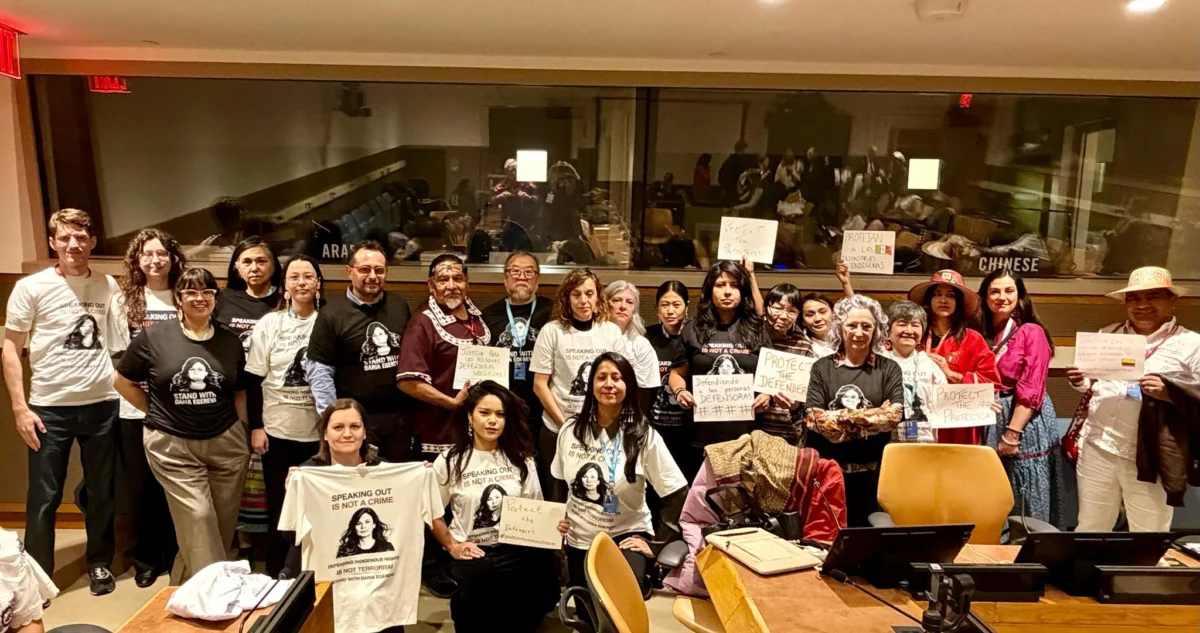
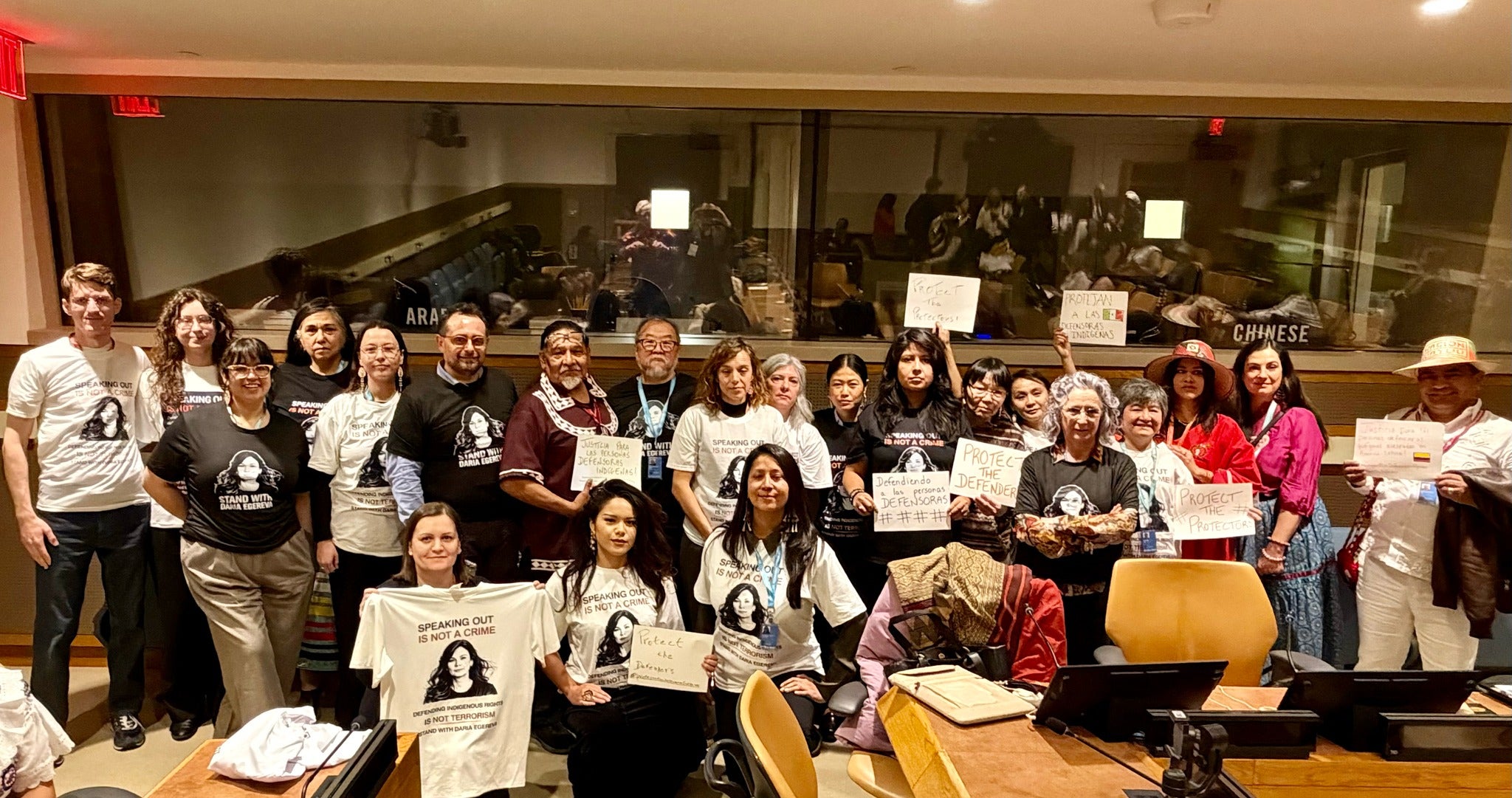
A critical forum held on the sidelines of the 25th session of the UN Permanent Forum on Indigenous Issues has cast a stark spotlight on the escalating repression faced by activists from Indigenous small-numbered peoples. The event underscored a troubling trend in several nations, notably Russia, where the vital work of human rights advocacy is increasingly being conflated with criminal offenses, thereby stifling legitimate efforts to protect Indigenous rights, lands, and cultures. This special session, titled "Repressions against Indigenous Human Rights Defenders: Misapplication of Security Legislation and Restrictive Laws," was jointly organized by the Batani International Foundation for the Development of Indigenous Peoples and the International Committee of Indigenous Peoples of Russia, bringing together international observers, legal experts, and Indigenous leaders to address a growing global crisis.
A Decade of Institutional Control and Dismantling Independent Leadership
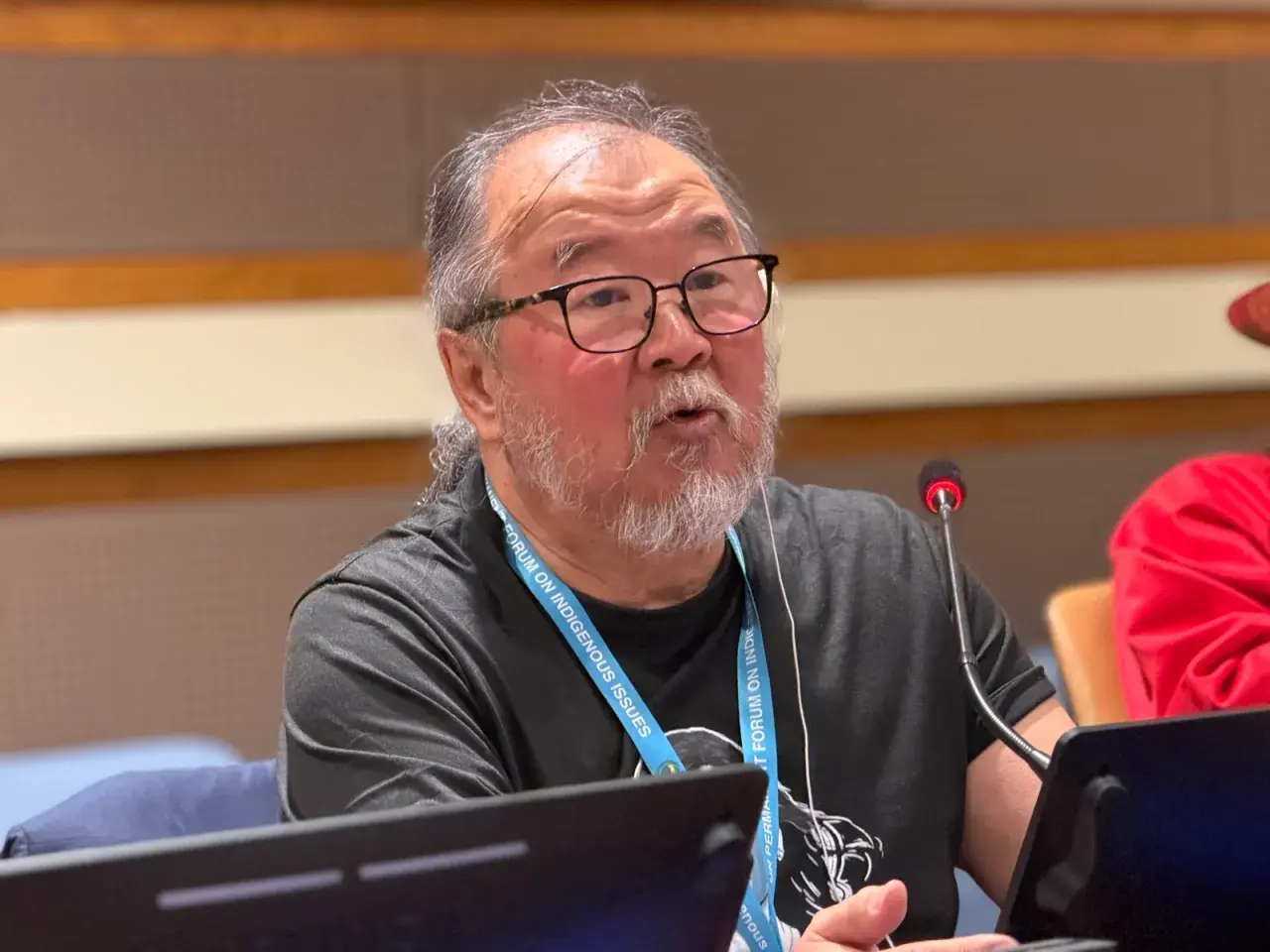
Pavel Sulyandziga, Chair of the Batani Foundation, articulated a grim assessment of the situation in Russia, detailing how a deliberate, systematic effort over the past fifteen years has been undertaken to dismantle independent Indigenous leadership. "Since 2010, a system of institutional control has been consistently built in Russia, aimed at destroying the independent leadership of Indigenous peoples," Sulyandziga stated, underscoring the decade-long strategy. This institutional control, he explained, has been particularly effective through the co-option and state-led restructuring of key Indigenous organizations. A pivotal moment, according to Sulyandziga, was the imposition of state control over the Russian Association of Indigenous Peoples of the North, Siberia, and the Far East (RAIPON). This move, he contended, effectively neutralized a crucial independent platform for Indigenous rights advocacy and human rights defense within Russia, leaving a void that has been difficult to fill. The implication is that by controlling the primary representative body, the state could more easily marginalize dissenting voices and control the narrative surrounding Indigenous issues.
This strategic subjugation of representative bodies allows for a more subtle yet pervasive form of repression. Instead of overt persecution, which might draw international condemnation, a more insidious approach involves legislative measures and administrative actions that gradually erode the autonomy and effectiveness of Indigenous organizations and their leaders. The establishment of government-approved leadership structures, or the manipulation of existing ones, can lead to a situation where Indigenous voices are only heard if they align with state interests, effectively silencing legitimate grievances and demands for rights.
Global Patterns of Legal Suppression
The concerns raised in the UN hearing are not confined to a single nation; they reflect a disturbing global pattern. Aili Keskitalo, a member of the UN Permanent Forum on Indigenous Issues, emphasized the transnational nature of this problem, stating, "Criminal law is increasingly being used as a tool to suppress legitimate human rights activities. When participation in public life becomes dangerous, it indicates a deep systemic failure." Her assertion highlights a fundamental perversion of justice, where laws designed to ensure public safety and order are weaponized against those who speak truth to power and advocate for the rights of marginalized communities.
The "Misapplication of Security Legislation and Restrictive Laws" theme of the event points to a broader strategy employed by various states. This often involves the use of broadly defined anti-extremism laws, defamation statutes, or national security legislation to criminalize peaceful activism, public assembly, and the dissemination of information critical of government policies. Such laws, while ostensibly aimed at combating genuine threats, are often vague enough to be applied arbitrarily, ensnaring human rights defenders, environmental activists, and journalists who challenge the status quo. The consequence is a chilling effect on civil society, where individuals and organizations become hesitant to engage in advocacy for fear of legal repercussions, thereby undermining democratic space and accountability.

Testimony from the Tomsk Region: A Case Study in Intimidation
The hearing was profoundly impacted by the firsthand testimony of Olga Kostrova, an activist from the Chulym people of Russia’s Tomsk Region. Kostrova provided a harrowing account of events on December 17, 2025, a date she described as marking a coordinated wave of searches, interrogations, and detentions across Russia. This meticulously planned operation, she asserted, was not aimed at prosecuting actual criminals but at intimidating and silencing those who dared to defend their rights, land, and cultural heritage.
"Today, human rights activism is effectively equated with a crime," Kostrova stated, her words resonating with the gravity of the situation. "People are not persecuted for crimes, but for defending their rights, land, and culture." She further elaborated that the clear objective of these actions is to instill fear and to send a stark message that even engagement with international mechanisms, such as UN platforms, can serve as grounds for criminal prosecution. This strategy aims to isolate Indigenous communities and their defenders, making them vulnerable to exploitation and disenfranchisement.

Kostrova’s testimony also illuminated the gendered nature of this repression. She pointed out that a significant proportion of those targeted are women human rights defenders who are often at the forefront of environmental protection efforts. These women frequently bear the brunt of the backlash when they challenge destructive development projects or advocate for the preservation of sacred lands and natural resources. Their work is vital for both the survival of their communities and the health of the planet, yet they face disproportionate risks. The mention of "Daria and Natalia" suggests specific cases of persecution that are not isolated but are part of a broader, orchestrated campaign to suppress independent voices within the human rights community. Kostrova’s impassioned plea, "This is a signal to others: do not speak out, do not defend, do not speak," encapsulates the oppressive atmosphere created by such tactics.
International Reactions and Calls for Action
The gravity of the situation prompted strong reactions from international representatives and human rights organizations present at the forum. Sigrid Ina Simonsen, State Secretary of Norway, speaking on behalf of the Nordic countries, issued a direct appeal to the Russian Federation. She called for an immediate cessation of the persecution of human rights defenders, stating, "The increase in threats, intimidation, and repression against human rights defenders is deeply concerning and requires an international response." This statement signifies a unified stance from a bloc of nations, signaling their awareness and disapproval of the escalating human rights violations.

Alicia Moncada, Director of Advocacy and Communications at Cultural Survival, provided a sharp analysis of the legal strategies employed. She described the labeling of human rights defenders as terrorists or extremists as a "dangerous tool for legal exclusion." This tactic, she explained, serves to remove defenders from the protection of human rights law and to silence their legitimate concerns by framing them as threats to national security. This strategy is particularly effective in jurisdictions where legal systems are opaque and due process is not consistently upheld.
Joan Carling, Executive Director of Indigenous Peoples Rights International (IPRI), offered an even more critical assessment, asserting that the criminalization of Indigenous peoples has "nothing to do with security." Instead, she argued, "It is a mechanism for controlling territories, resources, and political influence." This statement gets to the heart of the issue, framing the repression not as a matter of law enforcement but as a deliberate strategy to dispossess Indigenous communities of their ancestral lands and the resources contained within them, thereby consolidating state control and enabling exploitation by corporate interests. The criminalization of defenders thus becomes a tool to facilitate land grabs and resource extraction, often for economic gain or geopolitical advantage.

A United Front: Demands for Compliance and Protection
In response to the dire situation, participants at the UN hearing issued a comprehensive statement outlining a series of urgent calls to the international community. These demands underscore the need for immediate and robust action to protect Indigenous rights defenders:
- Cease the Criminalization of Indigenous Human Rights Defenders: An unequivocal demand for states to halt the practice of using legal mechanisms to persecute individuals and groups advocating for Indigenous rights. This includes an end to arbitrary arrests, politically motivated prosecutions, and the use of restrictive legislation.
- Strengthen International Monitoring and Public Pressure: A call for enhanced global oversight of human rights situations affecting Indigenous peoples. This involves increased reporting, fact-finding missions, and sustained public awareness campaigns to hold governments accountable for their actions. International scrutiny can act as a deterrent against repression.
- Ensure Access to Justice and Protection Mechanisms: A demand for guaranteed access to effective legal remedies and protection for those who face threats and persecution. This includes ensuring fair trials, providing adequate security measures for defenders at risk, and establishing accessible complaint mechanisms.
- Bring National Legislation into Compliance with International Human Rights Standards: A clear directive for nations to align their domestic laws with internationally recognized human rights principles, including the UN Declaration on the Rights of Indigenous Peoples (UNDRIP). This necessitates legislative reform to remove discriminatory provisions and to uphold the rights to freedom of expression, assembly, and association.
The concluding remarks of the participants powerfully underscored the imperative of visibility and international solidarity. "Publicity is protection. International attention can save lives," they emphasized. This sentiment highlights the critical role of global awareness in safeguarding those who are most vulnerable. The statement also carried a stark warning: "silence under such conditions amounts to complicity." This serves as a moral and political call to action, urging the international community to move beyond mere observation and to actively engage in defending the rights and lives of Indigenous peoples and their advocates worldwide. The ongoing struggle for Indigenous rights is a critical barometer of global human rights progress, and the systematic criminalization of defenders represents a grave threat to justice and self-determination for communities around the world.