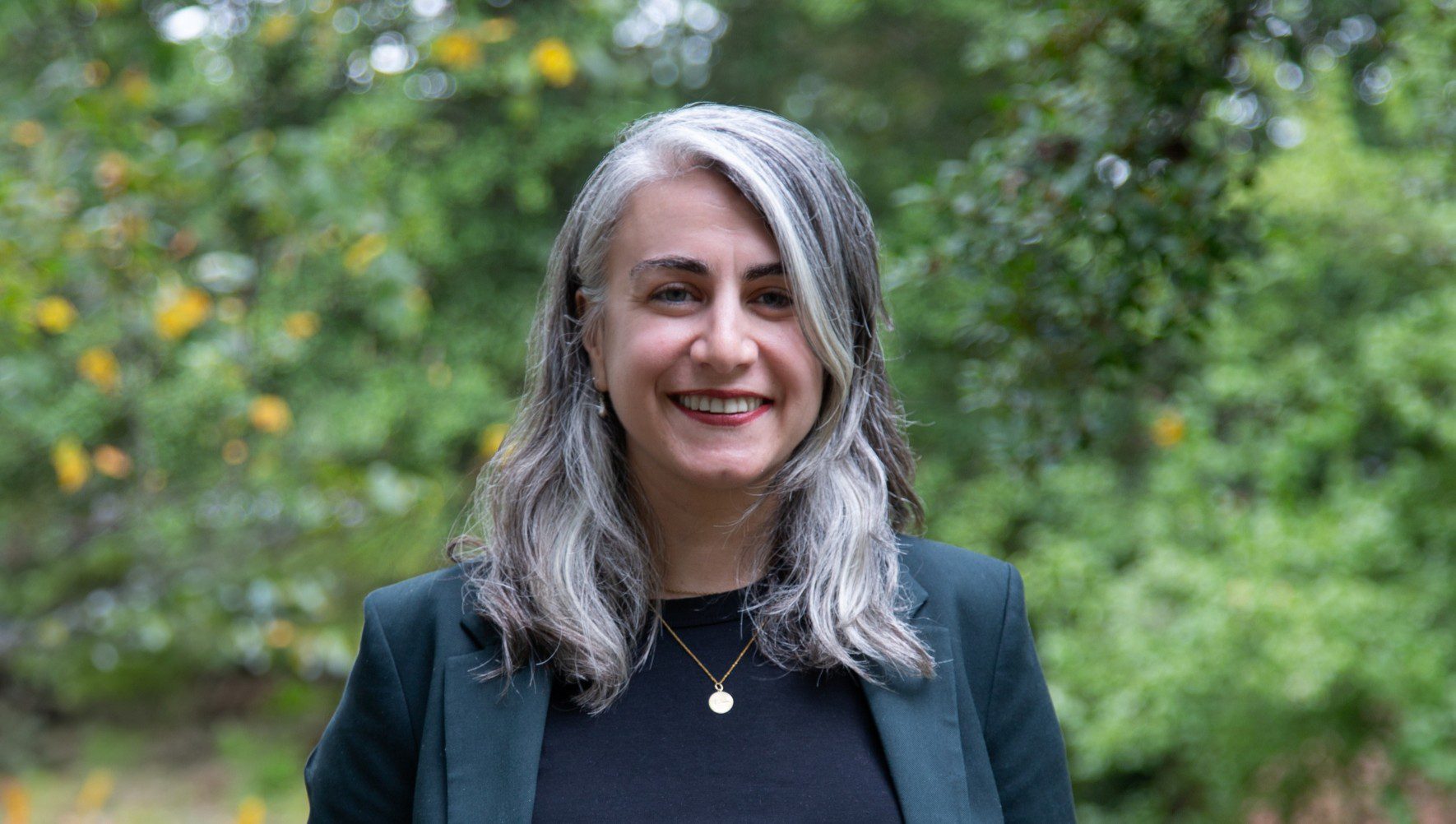
April 14, 2026 – In a deeply personal reflection coinciding with Yom HaShoah, Dr. Beth Oppenheim, the CEO of the Hebrew Immigrant Aid Society (HIAS), has drawn a powerful line from her own family’s history of displacement and survival to the ongoing global refugee crisis. Her narrative, shared in a poignant message and accompanying video, underscores the enduring mission of HIAS and the critical need for continued support for those seeking safety in an increasingly hostile world. The organization, which has a legacy spanning over 120 years, finds its present-day work inextricably linked to the harrowing experiences of those who fled persecution in the past, a connection Dr. Oppenheim carries as a profound personal and professional imperative.
The CEO’s grandfather, a university student in neutral Switzerland when World War II erupted, made the courageous decision to return to Germany to rescue his parents. This act of familial devotion led to their collective deportation and imprisonment. Miraculously, they managed to escape, navigating a perilous journey through France and Spain before finally reaching Portugal. It was in the summer of 1941, in Portugal, that HIAS provided Dr. Oppenheim’s grandfather with the exit visa that ultimately saved his life and the lives of his family, a crucial intervention that allowed for their eventual resettlement and, as Dr. Oppenheim notes, her own existence.
"I owe my very existence to HIAS," Dr. Oppenheim stated, emphasizing the profound personal stake she holds in the organization’s mission. This intimate connection fuels her daily commitment to ensuring that "doors of welcome never close." The weight of this legacy, she conveyed, is a constant companion in her leadership role.
A Silent Legacy and a Discovered Past
For many years, the full extent of her grandfather’s ordeal remained unspoken. Like many survivors of the Holocaust, he carried the trauma of his experiences with a profound silence, a silence that extended to his children and grandchildren. He passed away when Dr. Oppenheim was just eleven years old. It was only after his death that her father discovered a box containing old photographs and a letter written in German. While the names of European cities on the letter hinted at its origins, a single, four-letter word in capital letters – HIAS – resonated with a nascent understanding of the organization’s role in his family’s salvation.
The true scope of this narrative was only unveiled 25 years later when Dr. Oppenheim had the letter translated. The revelation solidified her childhood impression: HIAS was the entity that had facilitated her grandfather’s and other family members’ eventual journey to find refuge and a new beginning in the United States. This discovery profoundly shaped her career aspirations.
"When I started my career, I knew that I, too, wanted to help refugees find lasting safety for themselves and the generations after them," Dr. Oppenheim explained. "And I only knew one organization in that space. HIAS."
Yom HaShoah: A Call to Remember and Act
The observance of Yom HaShoah, Holocaust Remembrance Day, serves as a critical inflection point, urging collective reflection and action. For Dr. Oppenheim, it is a call to go beyond mere mourning. It is an imperative to remember the multifaceted history of the Jewish people – not only the profound suffering but also the remarkable resilience, the pivotal choices made, the compassionate individuals who offered aid, and the arduous, often narrow paths that led to safety. It is a moment to acknowledge the individuals and organizations that, through their deliberate actions, forged a different, more hopeful future for those facing annihilation.
The passing of Holocaust survivors marks a generational shift, entrusting the custodianship of these vital stories to the current generation. Dr. Oppenheim articulates this responsibility with clarity: "We are the ones who must heed the lesson: that sanctuary was never accidental. It was the result of deliberate acts of courage – by individuals, and by organizations willing to stand in the breach."
HIAS: A Continuum of Humanitarian Support
HIAS’s history is deeply intertwined with the narrative of Jewish migration and the broader story of refugees seeking asylum. Founded in 1880 to assist Russian Jewish immigrants fleeing pogroms, the organization has evolved to serve Jewish refugees and, since the 1970s, refugees of all backgrounds. Its consistent presence across more than 120 years has positioned it as a vital stepping stone and a beacon of hope for countless individuals and families displaced by war, persecution, and political upheaval.
"HIAS was there for my grandfather," Dr. Oppenheim affirmed. "And for more than 120 years, we’ve been there – for Jews and refugees of every background – as a stepping stone, a source of hope."
The Contemporary Urgency: A Hostile Landscape
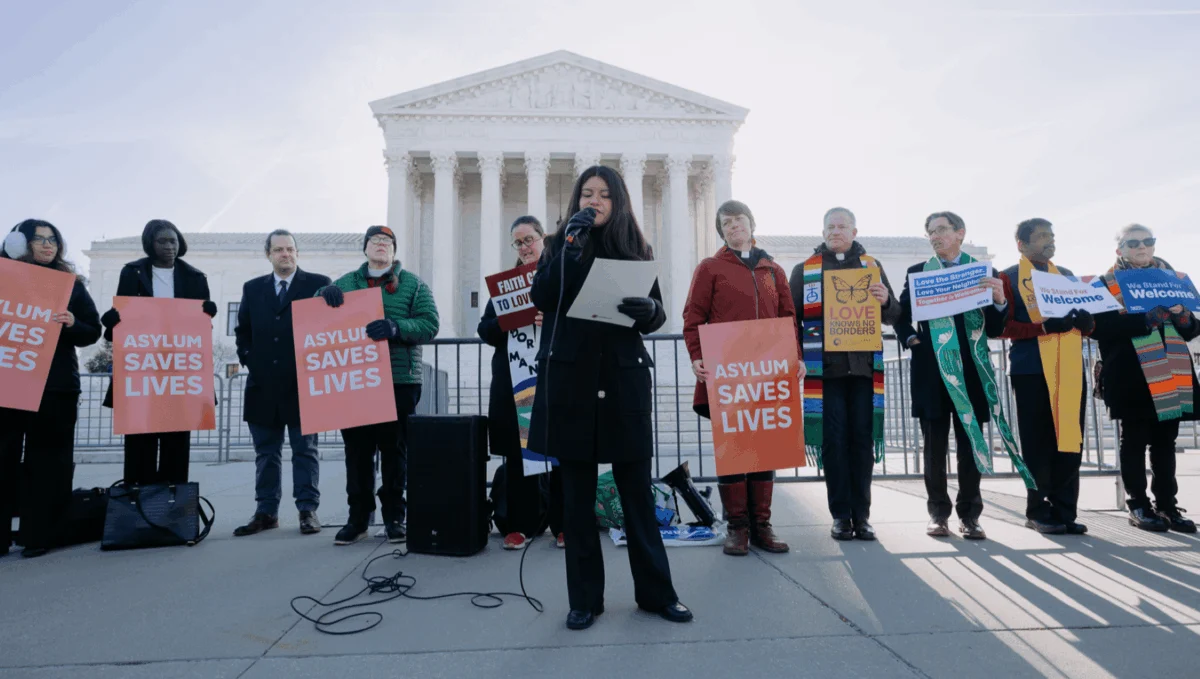
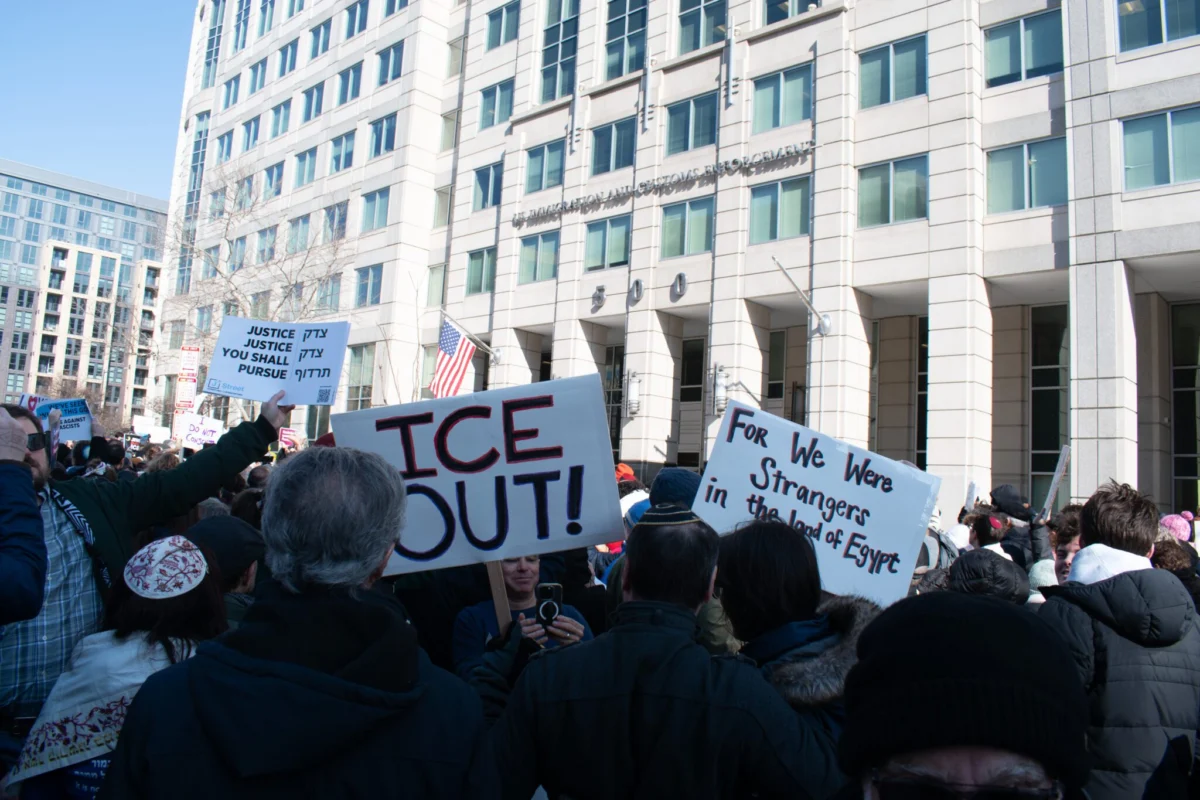
The contemporary landscape for refugees and asylum seekers presents significant challenges. Dr. Oppenheim’s message arrives at a time when many nations are enacting increasingly restrictive immigration policies and fostering a more hostile environment for those seeking safety. This backdrop amplifies the urgency of HIAS’s mission.
"Today, as our country grows more hostile to those seeking safety, that work is more urgent than ever. It is sacred," she declared.
Data and Context: The Global Refugee Crisis
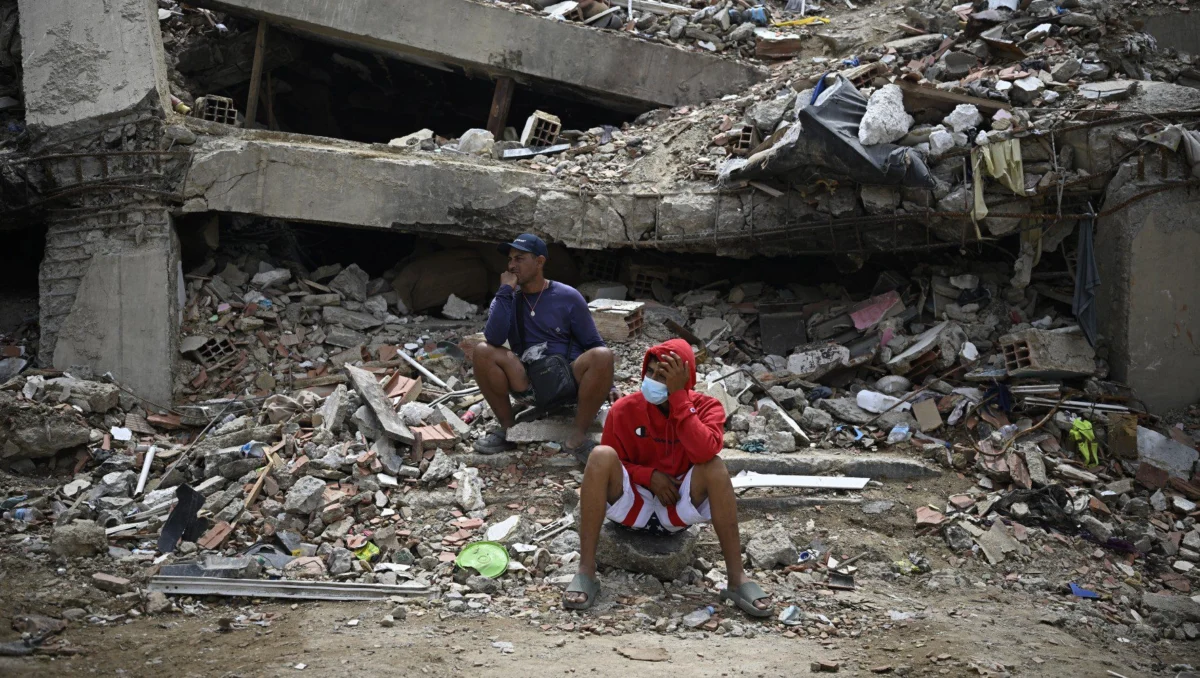
The imperative for organizations like HIAS is underscored by staggering global statistics. According to the United Nations High Commissioner for Refugees (UNHCR), by the end of 2023, a record 110 million people worldwide had been forcibly displaced due to conflict, violence, persecution, and human rights violations. This figure represents a dramatic increase from previous years, driven by protracted conflicts in regions such as Ukraine, Sudan, and the Middle East, as well as numerous other crises.
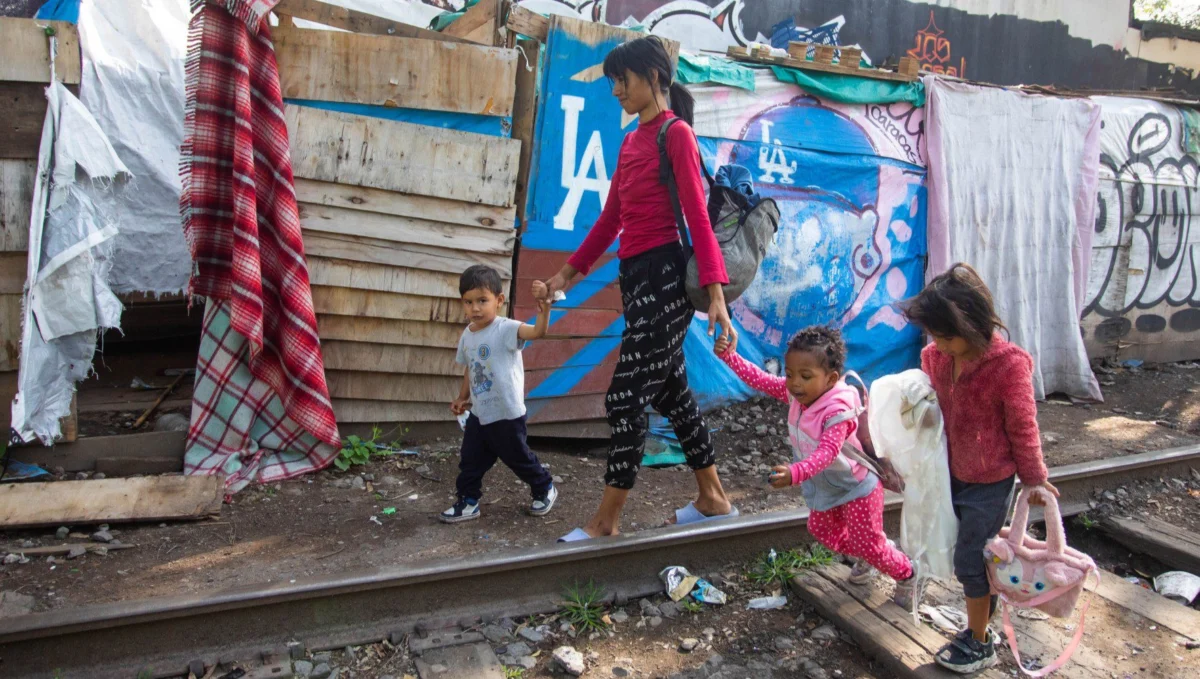
These displaced individuals often face perilous journeys, navigating dangerous borders, exploitative trafficking networks, and inhospitable environments. Upon reaching a potential place of safety, they are frequently met with legal hurdles, bureaucratic complexities, social stigma, and limited access to essential services like housing, healthcare, and employment.
HIAS’s Multifaceted Approach
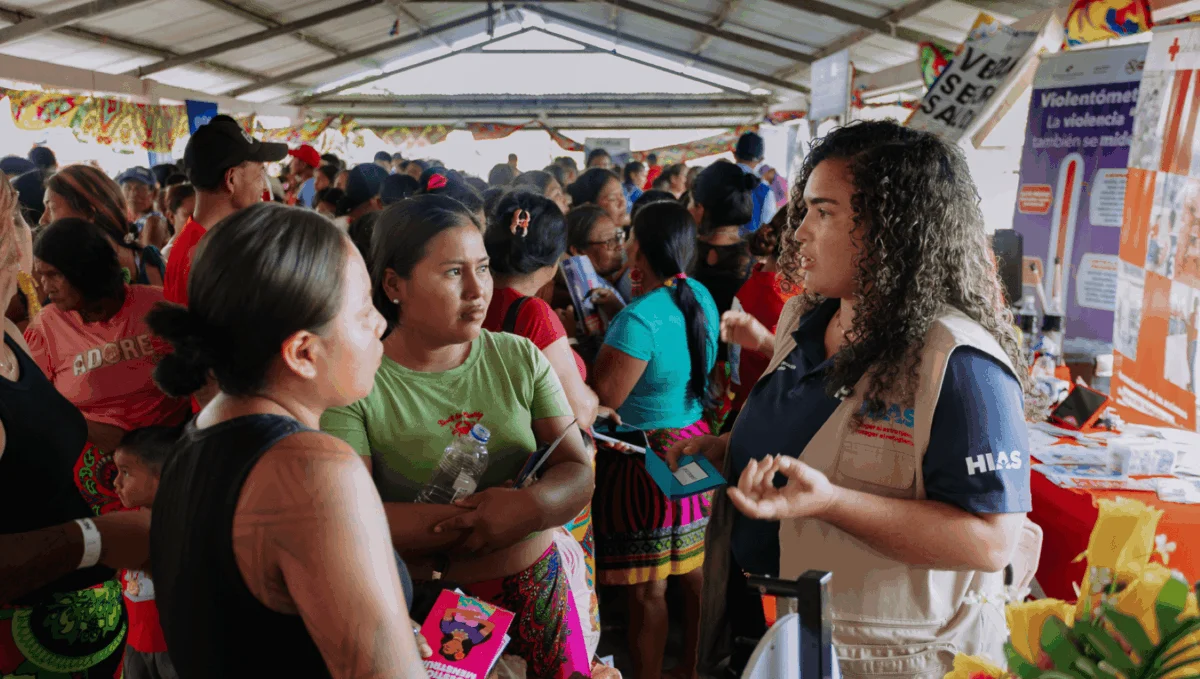
HIAS’s work encompasses a broad spectrum of services designed to address these multifaceted challenges. This includes:
- Legal Assistance: Providing crucial legal counsel and representation to navigate complex asylum processes, ensuring individuals understand their rights and have the best chance of securing protection.
- Resettlement Services: Assisting refugees with the practicalities of establishing a new life in a new country, including housing, cultural orientation, and access to education and employment.
- Advocacy: Engaging with governments and international bodies to advocate for humane refugee policies and the protection of asylum seekers’ rights.
- Community Support: Fostering welcoming communities and providing psychosocial support to help refugees rebuild their lives and integrate successfully.
The organization’s history demonstrates a remarkable adaptability, evolving its strategies to meet the changing needs of displaced populations. From the mass migrations following European wars to the complex refugee flows of the 21st century, HIAS has consistently adapted its services while maintaining its core commitment to humanitarian principles.
Broader Implications and Analysis
Dr. Oppenheim’s message serves as a potent reminder of the interconnectedness of historical memory and present-day humanitarian action. The lessons learned from the Holocaust, particularly the role of organizations in providing escape and sanctuary, are directly applicable to the current global refugee crisis.
The increasing hostility towards refugees in many countries is a concerning trend that runs counter to international humanitarian law and fundamental ethical principles. Policies that restrict access to asylum or demonize those seeking protection can have devastating consequences, leaving vulnerable individuals in precarious situations and undermining the global framework for refugee protection.
The analysis of the current situation suggests a growing need for:
- Strengthened International Cooperation: A more coordinated global response is required to address the root causes of displacement and to share the responsibility of hosting and supporting refugees.
- Human-Centered Policy Reform: Governments must prioritize human dignity and rights in their immigration and asylum policies, ensuring that legal pathways to safety remain accessible.
- Public Awareness and Empathy: Fostering greater public understanding of the refugee experience and challenging xenophobic narratives is crucial for building supportive societies.
A Commitment to the Future
The act of remembering, as highlighted by Dr. Oppenheim, is not merely an exercise in historical contemplation. It is a profound commitment to shaping the future. By understanding the sacrifices made and the interventions that enabled survival, current generations are empowered to uphold the principles of welcome and compassion.
"Remembering his story, and stories like it, is not only an act of memory. It is a commitment: to ensure that the door to safety stays open, and that no one is ever left to face the world alone," Dr. Oppenheim concluded.
This sentiment is echoed by the call for donations, recognizing that the critical work of organizations like HIAS is sustained by the generosity of those who believe in the fundamental right to seek safety and rebuild lives. In a world grappling with unprecedented displacement, the legacy of survival and the ongoing commitment to welcome are more vital than ever. The personal narrative shared by Dr. Oppenheim serves as a powerful testament to the enduring impact of humanitarian action and a clarion call to continue that essential work.