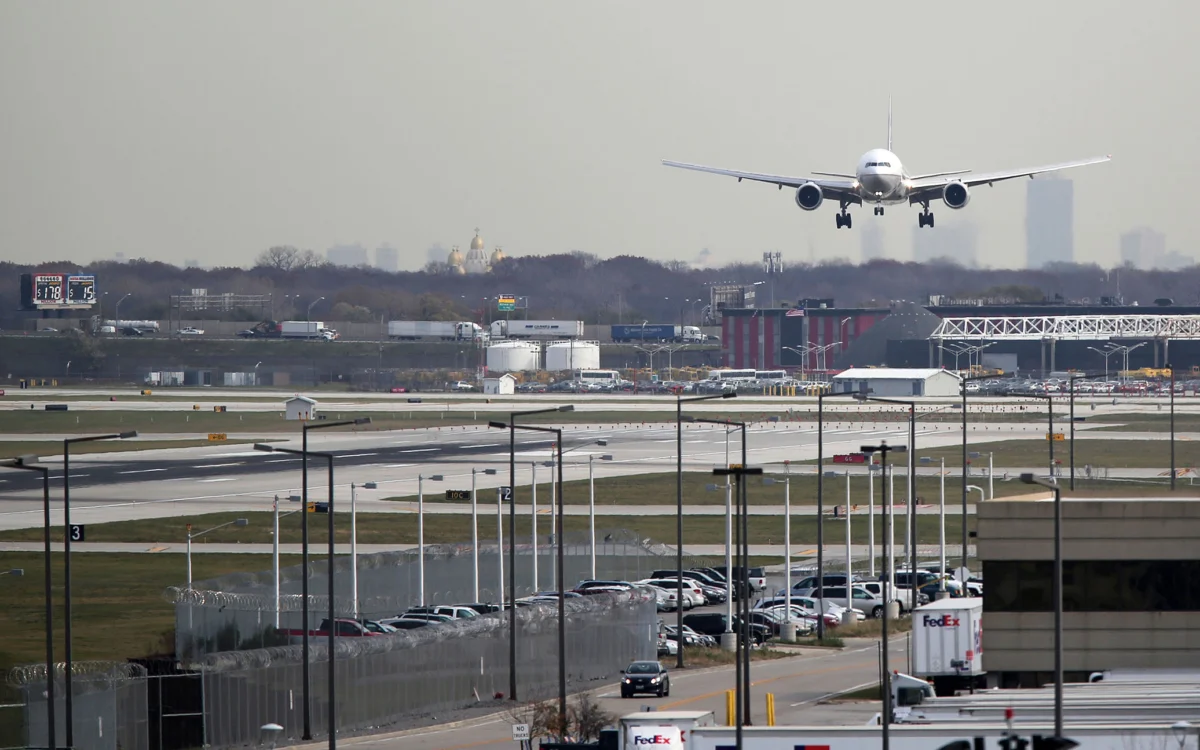
Virgin Atlantic is set to significantly enhance its commitment to inclusivity by implementing comprehensive autism awareness and support training for all of its cabin crew members. This proactive initiative, slated to be integrated into the airline’s annual training program, aims to equip its staff with the knowledge and confidence to better assist and accommodate autistic travelers and their families, particularly as the busy summer travel season approaches. The airline is collaborating with Autism Double-Checked, a recognized organization dedicated to making travel more accessible for individuals on the autism spectrum, to develop and deliver this crucial educational component.
Enhancing the Travel Experience for Autistic Passengers
The decision by Virgin Atlantic to embark on this widespread training program underscores a growing industry-wide recognition of the unique challenges faced by autistic individuals when navigating the often-complex and sensory-rich environment of air travel. Flying can present a multitude of sensory stimuli, unexpected changes, and social interactions that may be overwhelming for some autistic passengers. By providing its crew with specialized training, Virgin Atlantic aims to foster a more supportive and understanding atmosphere onboard, thereby reducing potential anxiety and improving the overall travel experience for this demographic.
Becky Woodmansee, Chief People Officer at Virgin Atlantic, articulated the airline’s motivation, stating, "We know that for autistic customers and their families, flying can be a unique and unfamiliar environment which presents challenges. By listening to our customers and working with autism travel specialists Autism Double-Checked, alongside our own people who have personal experience of autism, we’ve built a training programme that gives every crew member the understanding and confidence to make a real difference onboard.” This statement highlights a dual approach, integrating expert guidance with the invaluable lived experiences of individuals within the Virgin Atlantic community.
A Structured Approach to Autism Awareness Training
The training program developed in partnership with Autism Double-Checked is designed to be practical and informative, focusing on equipping crew members with actionable strategies. It will consist of two core digital learning modules. The first module will provide a foundational understanding of autism spectrum disorder (ASD), covering its diverse presentation and the varying needs of individuals on the spectrum. This foundational knowledge is essential for dispelling common misconceptions and fostering empathy among staff.
The second module will delve into more specific, practical skills. It will focus on identifying subtle signs of distress or overwhelm in passengers, which may not always be outwardly apparent. Crucially, the training will guide crew members on how to adapt their communication styles to suit individual needs, recognizing that clear, direct, and consistent communication is often beneficial. Furthermore, the program will offer practical advice on how to provide reassurance and support, ensuring that autistic passengers feel safe, respected, and understood throughout their journey.
Alan Day, Founder and CEO of Autism Double-Checked, expressed his enthusiasm for the collaboration, emphasizing its significance: “For autistic travellers and their families, knowing that every crew member on a flight has been trained to understand and support their needs is such a positive step in the right direction. We’re proud to have developed this programme with Virgin Atlantic and hope it sets a new standard for the industry.” This sentiment suggests that Virgin Atlantic’s initiative could serve as a benchmark for other airlines seeking to improve their inclusivity.
Expanding the Initiative Beyond Cabin Crew
Virgin Atlantic’s commitment to autism inclusivity does not end with its cabin crew. The airline has also announced plans to extend this comprehensive autism training to its customer-facing ground staff. This broader application of the training is a strategic move, as ground staff are often the first point of contact for passengers, from check-in to boarding. Ensuring that these individuals are also equipped with the necessary understanding and skills will create a more seamless and supportive experience from the very beginning of the travel process. This holistic approach acknowledges that the entire journey, not just the time spent in the air, is critical for autistic travelers.
A Growing Trend in the Aviation Industry
Virgin Atlantic is not an isolated entity in its efforts to make air travel more accessible for autistic individuals. This initiative reflects a growing trend within the aviation sector to address the needs of passengers with disabilities. In 2022, Breeze Airways publicly committed to implementing similar autism training for its staff, signaling an early adoption of this important practice. More recently, Emirates announced that it had successfully trained a substantial number of its personnel, exceeding 30,000 cabin crew and ground staff, in autism awareness and support. These examples illustrate a clear momentum towards greater inclusivity within the global airline industry, driven by a combination of passenger advocacy, organizational commitment, and the increasing availability of specialized training resources.
The Broader Implications of Autism-Friendly Travel Initiatives
The implications of Virgin Atlantic’s comprehensive training program extend beyond simply improving the experience for individual autistic travelers. Such initiatives contribute to a broader societal shift towards greater understanding and acceptance of neurodiversity. By actively training staff, airlines demonstrate a commitment to creating environments where everyone feels welcome and valued, regardless of their neurodevelopmental profile.
Supporting Data and Context:
- Prevalence of Autism: According to the Centers for Disease Control and Prevention (CDC), approximately 1 in 36 children in the United States have been identified with autism spectrum disorder. While prevalence rates vary by region and reporting methods, this statistic underscores the significant number of individuals who could benefit from autism-aware travel services.
- Travel Challenges: Studies and anecdotal evidence consistently highlight common travel challenges for autistic individuals, including sensory overload (noise, bright lights, crowds), changes in routine, difficulties with communication, and anxiety related to unfamiliar environments and social expectations.
- Economic Impact: The travel and tourism industry is a significant economic driver globally. By becoming more inclusive, airlines can tap into a larger market segment, including families who may have previously avoided air travel due to concerns about their autistic family members. This can lead to increased revenue and market share.
- Industry Standards: The development of standardized training programs, like the one offered by Autism Double-Checked, provides a framework for consistent and effective implementation across different organizations. The hope is that Virgin Atlantic’s comprehensive approach will indeed set a new industry standard, encouraging wider adoption.
Chronology of Industry Adoption:
- Early 2020s: Increased awareness and advocacy for neurodiversity in travel begin to gain traction.
- 2022: Breeze Airways publicly commits to autism training for its staff, marking a significant airline endorsement.
- 2023: Emirates announces the completion of autism training for a large cohort of its employees, demonstrating scalable implementation.
- 2024 (leading into summer travel): Virgin Atlantic announces its comprehensive training initiative, signaling continued momentum and a proactive approach to enhancing passenger experience.
Analysis of Implications:
The proactive stance taken by Virgin Atlantic and other airlines signifies a maturing understanding of customer service in the 21st century. It moves beyond basic safety and comfort to encompass emotional and psychological well-being. For autistic travelers and their families, this training can be transformative. It can reduce the significant planning and preparation often required to manage air travel, making the experience more spontaneous and less fraught with anxiety.
From a business perspective, investing in such training is a strategic move. It can lead to increased customer loyalty, positive word-of-mouth marketing, and a strengthened brand reputation as a socially responsible and inclusive airline. In an increasingly competitive market, demonstrating a commitment to all passengers, including those with specific needs, can be a key differentiator.
Furthermore, this initiative contributes to a broader societal conversation about accessibility and inclusion. By normalizing autism awareness within a high-profile industry like aviation, Virgin Atlantic helps to foster greater public understanding and acceptance of neurodiversity. This can, in turn, encourage other sectors to adopt similar inclusive practices.
The collaboration with Autism Double-Checked is particularly noteworthy. It highlights the value of specialized expertise in addressing complex needs. This partnership ensures that the training is not merely a superficial effort but is grounded in evidence-based practices and informed by the lived experiences of the autism community.
As Virgin Atlantic integrates this training into its annual program, it establishes a sustainable model for ongoing staff development. This ensures that new hires are also properly trained and that existing staff receive refresher courses, maintaining a high standard of support over time. The airline’s commitment to extending this training to ground staff further solidifies its holistic approach to passenger care.
In conclusion, Virgin Atlantic’s decision to implement comprehensive autism training for its cabin and ground crew is a commendable step forward in making air travel more accessible and inclusive. It aligns with a growing industry trend and promises to enhance the travel experience for autistic passengers and their families, while also setting a positive example for the broader aviation sector and contributing to a more neurodiversity-friendly society.