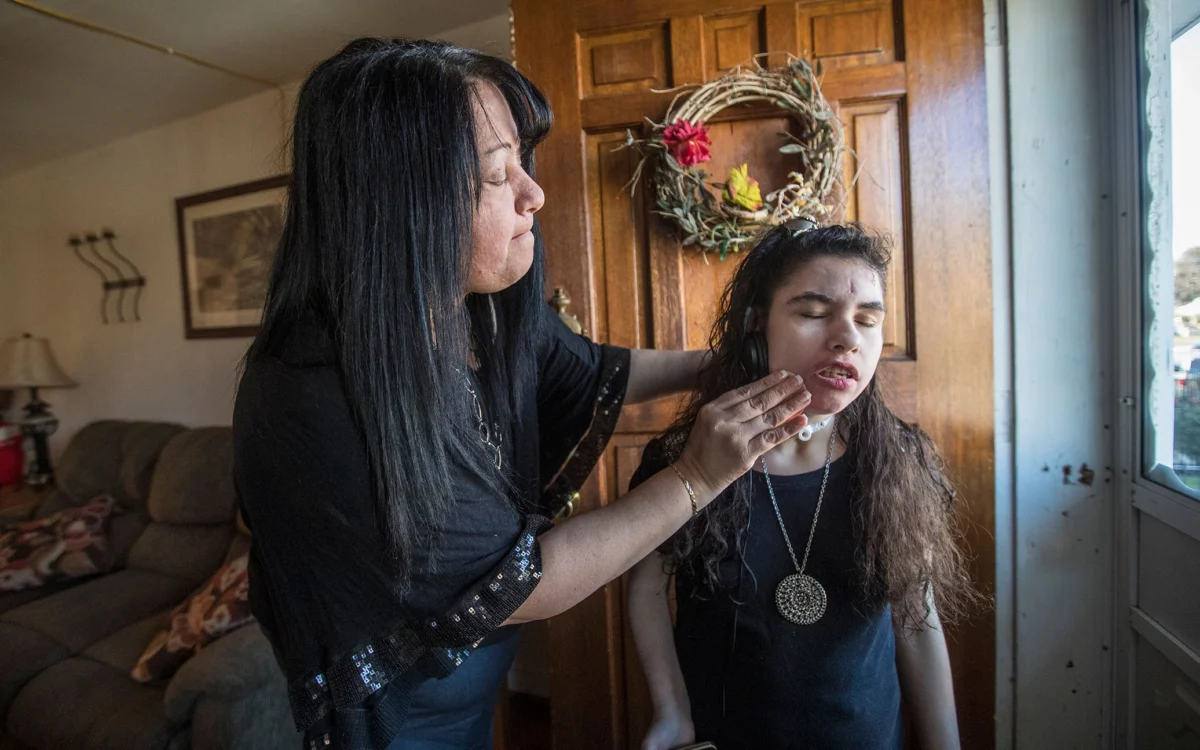
A bipartisan group of federal lawmakers is championing legislation to establish a groundbreaking national hotline specifically designed to support caregivers of individuals with developmental disabilities. This initiative, spearheaded by U.S. Rep. Rob Menendez, D-N.J., aims to provide a critical, round-the-clock resource for individuals who are often the primary source of care and emotional support for millions of Americans. The proposed toll-free number would be staffed by trained professionals capable of offering immediate emotional support, brief intervention strategies, and crucial referrals to mental health services and other vital resources.
The legislation, formally titled the Caregiver Access to Resources and Emotional Support, or CARES, Hotline Act, goes beyond simply establishing a hotline. It also mandates the creation and maintenance of a comprehensive national database of caregiver resources, ensuring that information about available services, support groups, and educational materials is readily accessible. Furthermore, the bill proposes the development of peer-to-peer counseling programs, enabling caregivers to connect with and learn from others who share similar experiences, fostering a sense of community and mutual understanding.
The Growing Need for Caregiver Support
The proposal arrives at a critical juncture, as the demands on caregivers of individuals with developmental disabilities continue to rise. Developmental disabilities, which encompass a wide range of conditions such as autism spectrum disorder, intellectual disabilities, Down syndrome, and cerebral palsy, often require lifelong care and specialized support. According to the Centers for Disease Control and Prevention (CDC), approximately 1 in 6 U.S. children aged 3–17 years have a developmental disability. This translates into millions of families navigating complex medical, educational, and social systems, often with limited external assistance.
The emotional, physical, and financial toll on these caregivers is substantial. Many report high levels of stress, burnout, and isolation. A 2022 report by the National Alliance for Caregiving highlighted that 40% of caregivers experience moderate to high levels of stress, with a significant portion reporting negative impacts on their own physical and mental health. The lack of accessible, specialized support systems often exacerbates these challenges, leaving caregivers feeling overwhelmed and ill-equipped to manage the multifaceted needs of their loved ones.
A Lifeline in Moments of Crisis and Uncertainty
Representative Menendez articulated the core motivation behind the CARES Hotline Act, emphasizing the often-overlooked role of caregivers. "Caregivers are the backbone of support for millions of Americans living with developmental disabilities, but they are too often left without the resources, guidance and support they deserve," Menendez stated. "Our CARES Hotline Act creates a critical lifeline to provide caregivers with emotional support, counseling and other key services."
The inspiration for the bill, Menendez explained, stemmed from his direct engagement with advocacy groups, notably Whole Spectrum Autism, an organization based in his home state of New Jersey. Conversations with representatives from Whole Spectrum Autism illuminated the unique and often isolating challenges faced by caregivers.
Jas Singh, Chief Strategy and Operations Officer at Whole Spectrum Autism, echoed this sentiment, underscoring the profound impact of feeling unsupported. "No family should be told to figure autism out alone, yet that is the reality for far too many," Singh commented. "The CARES Hotline is a critical step toward changing that by giving caregivers a real place to turn in moments of stress, uncertainty and isolation. This is about more than support, it is about access, guidance and making sure families are no longer navigating this journey without help."
Singh’s statement highlights a critical gap: the absence of readily available, specialized support tailored to the specific needs of families navigating developmental disabilities. The current landscape often requires caregivers to piece together information from various, sometimes disparate, sources, a process that can be both time-consuming and emotionally draining, particularly during moments of crisis.
Legislative Momentum and Bipartisan Support
The CARES Hotline Act has garnered significant co-sponsorship from a diverse group of federal lawmakers, indicating a growing recognition of the issue’s importance across the political spectrum. In addition to Representative Menendez, the bill is co-sponsored by Reps. Lou Correa, D-Calif., Zoe Lofgren, D-Calif., Bennie Thompson, D-Miss., and Frederica Wilson, D-Fla., as well as Del. Eleanor Holmes Norton, D-D.C. This broad support suggests a shared understanding of the urgent need for enhanced caregiver infrastructure.
The introduction of this bill marks a significant step in acknowledging the critical, yet often invisible, labor of caregivers. Historically, the focus of policy and funding has often been on direct services for individuals with disabilities, with caregiver support being a secondary consideration. The CARES Hotline Act represents a paradigm shift, prioritizing the well-being and sustainability of the caregiver network, recognizing that their strength is integral to the well-being of those they support.
Potential Implications and Future Outlook
The establishment of a national hotline and resource database has the potential to profoundly impact the lives of countless families.
- Improved Mental Health Outcomes: By providing immediate emotional support and access to mental health professionals, the hotline could help mitigate the high rates of stress, anxiety, and depression experienced by caregivers. Early intervention and ongoing support can prevent burnout and improve overall mental well-being.
- Enhanced Access to Resources: The national database will serve as a centralized repository for information on available services, financial assistance programs, respite care options, educational resources, and legal guidance. This consolidation will streamline the often-complex process of finding and accessing necessary support.
- Reduced Isolation and Increased Community: Peer-to-peer counseling programs can foster a sense of belonging and shared experience, combating the isolation that many caregivers report. Connecting with others who understand their unique journey can provide invaluable emotional validation and practical advice.
- Early Intervention and Crisis Prevention: A readily accessible hotline can serve as a crucial first point of contact during moments of acute stress or crisis, potentially averting more serious situations and providing immediate de-escalation and support.
- Long-Term Sustainability of Care: By investing in caregiver well-being, the initiative aims to promote the long-term sustainability of care. Burned-out and unsupported caregivers are less likely to be able to provide consistent, high-quality care, which can have cascading negative effects.
The legislative process for bills like the CARES Hotline Act typically involves committee review, potential amendments, and votes in both the House of Representatives and the Senate before reaching the President’s desk for signature. The broad co-sponsorship indicates a strong likelihood of consideration and potential passage.
The journey from legislative proposal to implemented service involves significant planning and resource allocation. Should the CARES Hotline Act become law, federal agencies would be tasked with developing the operational framework for the hotline, including hiring and training staff, establishing protocols for various types of calls, and building and maintaining the national resource database. Collaboration with existing disability advocacy organizations and mental health service providers would be essential to ensure the hotline is effective and meets the diverse needs of the caregiver community.
The proactive stance taken by Representative Menendez and his colleagues underscores a growing national awareness of the critical role caregivers play and the vital need for robust, accessible support systems. The CARES Hotline Act represents a forward-thinking approach to strengthening the support infrastructure for individuals with developmental disabilities by investing in the well-being of their dedicated caregivers. As the legislation moves through the congressional process, it holds the promise of transforming the landscape of care for millions of American families.