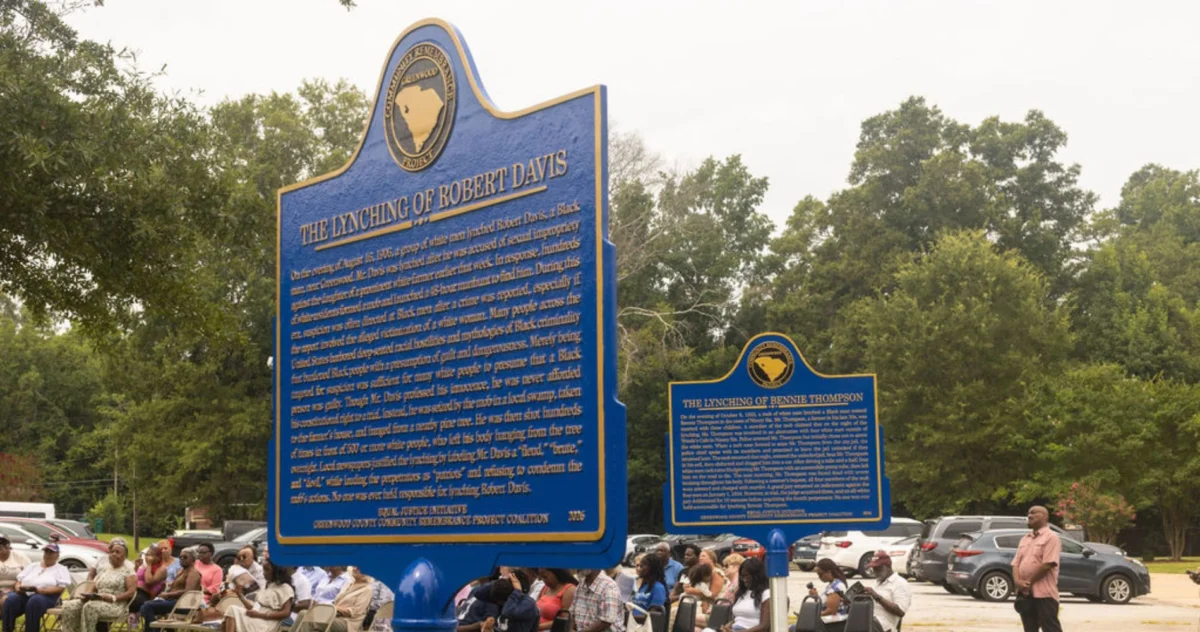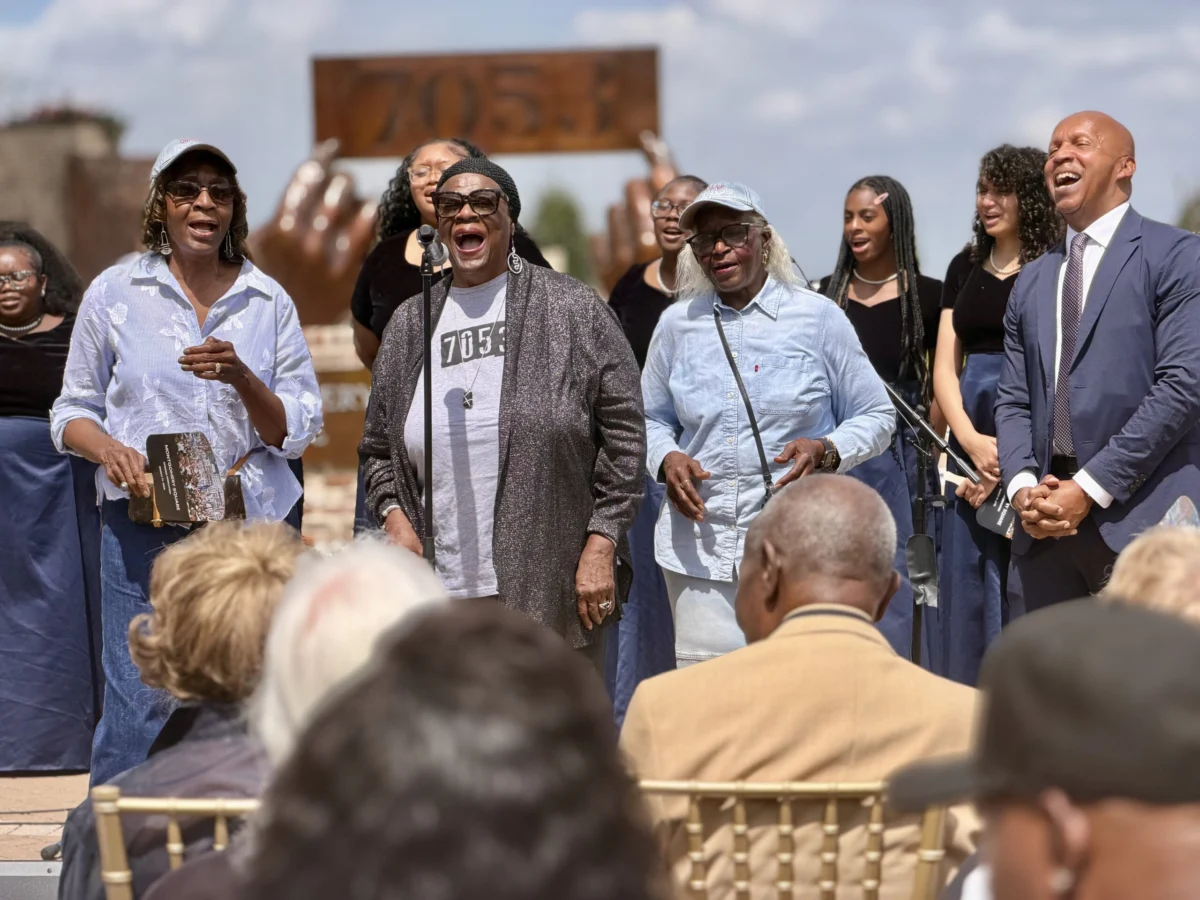
Montgomery, AL – The Equal Justice Initiative (EJI) today formally dedicated its newest interpretative site, Montgomery Square, marking a significant expansion of its commitment to confronting America’s history of racial injustice. More than 300 people gathered for the dedication ceremony in downtown Montgomery, next to the Elevation Convening Center and Hotel, just weeks after the site’s soft opening earlier this month. The new site is a powerful testament to the pivotal "Montgomery Decade That Changed the World," a period from 1955 to 1965 when the extraordinary courage and determination of Black residents in Montgomery ignited a movement that fundamentally reshaped the United States and reverberated globally.
A New Beacon for Civil Rights History
Montgomery Square joins EJI’s acclaimed network of Legacy Sites, which include the National Memorial for Peace and Justice and The Legacy Museum: From Enslavement to Mass Incarceration. These sites collectively offer a comprehensive and unflinching exploration of America’s racial past, from the transatlantic slave trade to contemporary issues of mass incarceration. Montgomery Square specifically focuses on a decade of intense activism and resistance, chronicling the daily indignities, systemic oppression, and acts of profound bravery that characterized the struggle for civil rights in the city known as the "Cradle of the Confederacy."
The dedication ceremony was a vibrant mix of remembrance, reflection, and a call to continued action. Attendees included local dignitaries, community leaders, civil rights veterans, and students, all united in acknowledging the profound historical significance of the site and the stories it seeks to preserve and amplify. The atmosphere was both solemn, in recognition of past suffering, and celebratory, honoring the victories won through persistent struggle.
The "Decade That Changed the World": A Deep Dive
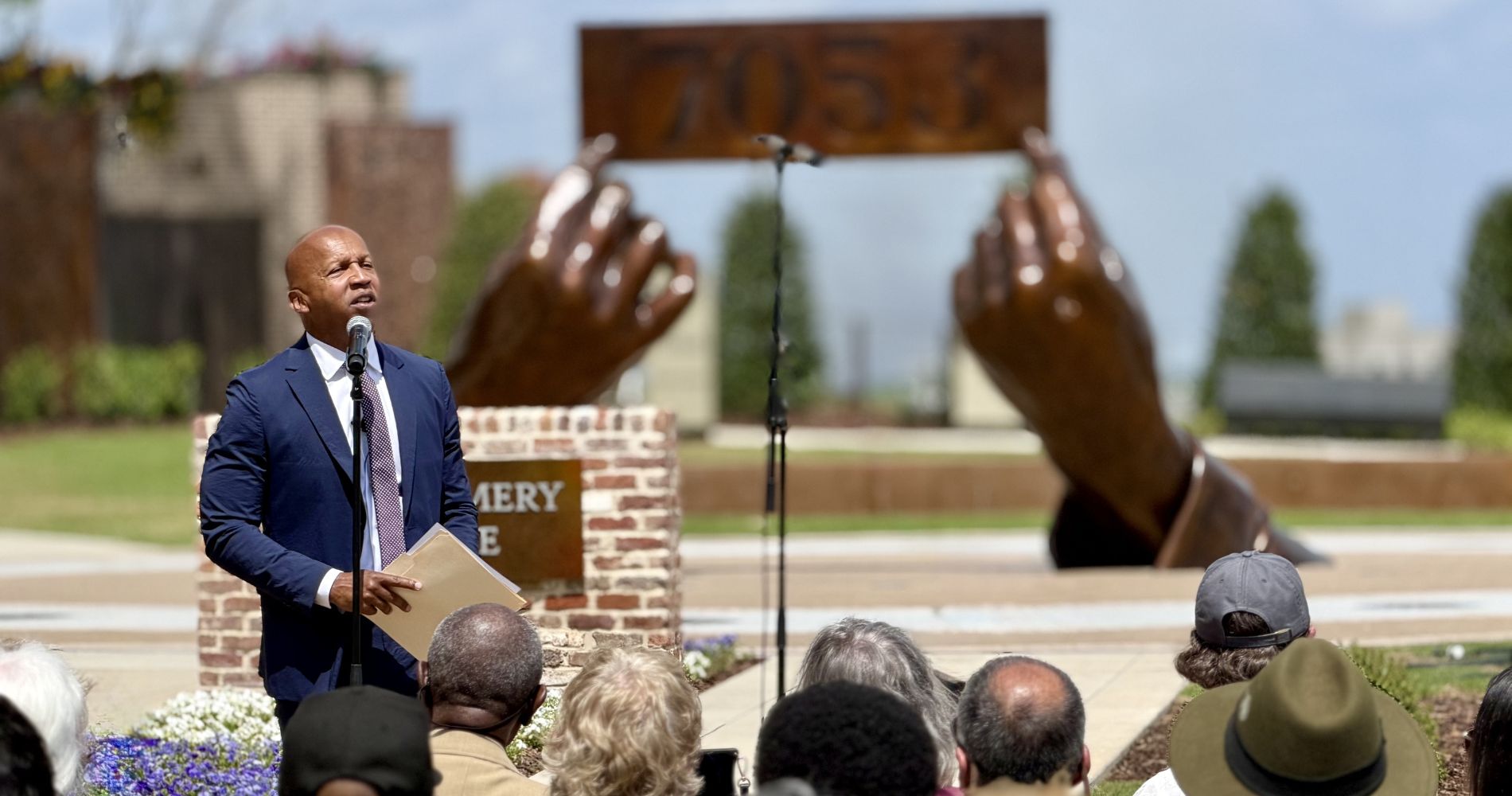
Bryan Stevenson, EJI’s founder and executive director, delivered a poignant address detailing the history that Montgomery Square illuminates. He underscored the pervasive police violence and state-sanctioned degradation faced by Black communities long before the official start of the Montgomery Bus Boycott. Stevenson recounted incidents from the 1940s involving police brutality against Black women and the unpunished killings of Hilliard Brooks and two other Black men on city buses in the 1950s. These harrowing events, he explained, were not isolated incidents but part of a systemic pattern of racial terror and humiliation that made public transportation a daily crucible for Black citizens.
By 1955, the collective burden of such injustices had reached a breaking point. The narrative of resistance, as told by Stevenson, began in March with the arrest of 15-year-old Claudette Colvin, who bravely refused to yield her bus seat. This act of defiance was followed by similar stands from three other Black women. Then, on December 1, 1955, in the shadow of the brutal murder of 14-year-old Emmett Till earlier that year—a tragedy that galvanized national outrage—Rosa Parks famously refused to surrender her seat. Her arrest, while not the first, became the catalyst for an unprecedented grassroots movement.
"That was the moment that the people in this community did something unprecedented," Stevenson asserted, highlighting the fact that prior organized resistance efforts had often failed to achieve lasting change. What followed was the Montgomery Bus Boycott, a remarkable 382-day act of sustained nonviolent protest. Black residents, comprising approximately 75% of the bus ridership, walked, carpooled, and found alternative transportation, demonstrating an extraordinary level of unity and resilience. The boycott, spearheaded by figures like Martin Luther King Jr., Jo Ann Robinson, and E.D. Nixon, inflicted significant economic pressure on the city and its bus company, ultimately leading to a Supreme Court ruling in Browder v. Gayle that declared segregated busing unconstitutional. This victory not only desegregated Montgomery’s buses but also cemented the nonviolent direct action strategy as a cornerstone of the burgeoning Civil Rights Movement.
The decade that followed was marked by a relentless series of civil rights actions across the South: sit-ins challenging segregated lunch counters, freedom rides testing interstate bus desegregation, "swim-ins" at segregated public pools, and countless other nonviolent demonstrations, culminating in the monumental 1963 March on Washington for Jobs and Freedom.
By 1965, the focus had shifted acutely to voting rights, a fundamental pillar of democratic participation that remained largely denied to Black Americans, particularly in the Deep South. Stevenson outlined the stark realities: in counties like Lowndes and Wilcox, virtually no Black people were registered to vote. In Dallas County, only a meager 2% of eligible Black voters were registered, and even in Montgomery, despite years of activism, only 17% could exercise their right to vote. This systemic disenfranchisement fueled the Selma to Montgomery marches. The first attempt, on March 7, 1965, became known as "Bloody Sunday" when state troopers brutally attacked peaceful marchers on the Edmund Pettus Bridge. Yet, their resolve remained unbroken. Two weeks later, under federal protection, thousands of people completed the 54-mile march to Montgomery, culminating just blocks from the newly dedicated Montgomery Square. Months after Dr. King’s powerful speech at the Capitol, predicting the swift attainment of voting rights, President Lyndon B. Johnson signed the Voting Rights Act of 1965 into law, a landmark piece of legislation that dismantled legal barriers to Black enfranchisement.
"For every person in this country," Stevenson proclaimed, reflecting on the enduring impact, "America became more just, a nation more committed to equality, to liberty, and to justice."
Voices of the Present and Past: Dedication Highlights
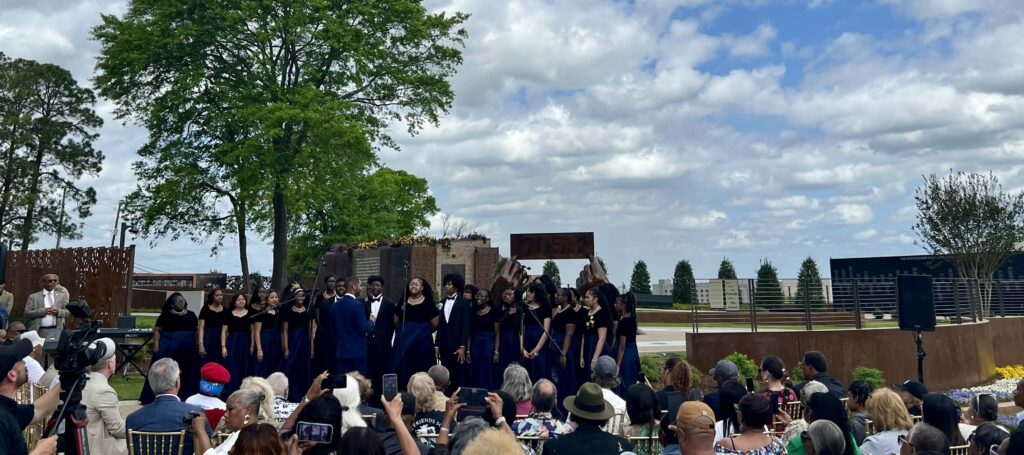
The dedication ceremony itself embodied the spirit of intergenerational collaboration and artistic expression. The Booker T. Washington Magnet High School choir, under the direction of the award-winning Milton Williams, delivered a moving performance that paid tribute to the next generation of Montgomery activists and leaders. Their voices filled the air, connecting the past struggles with the promise of future advocacy.
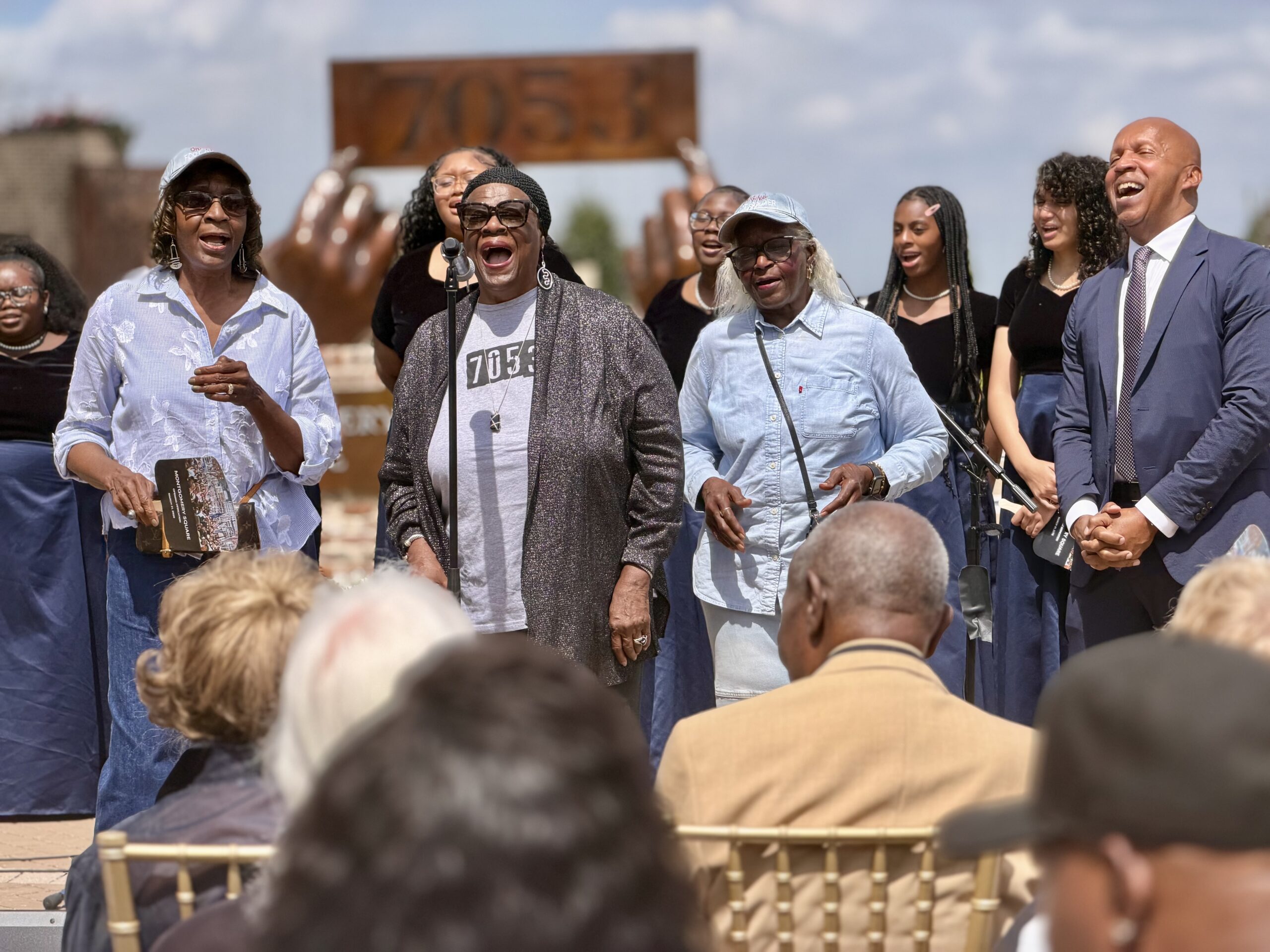
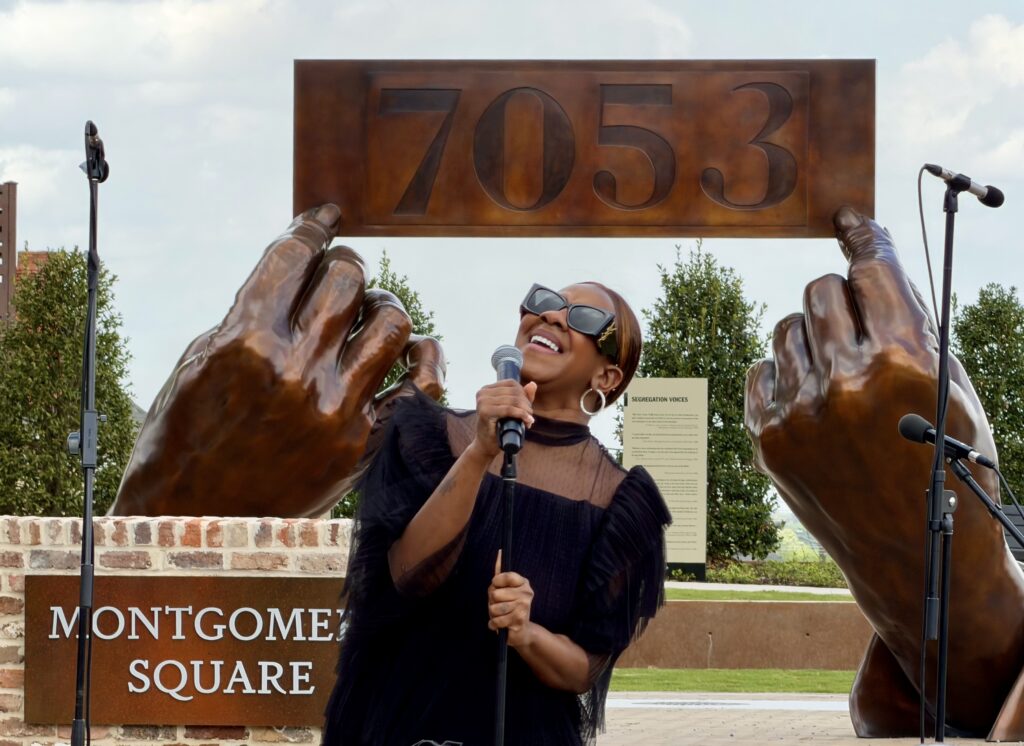
Adding to the musical tapestry was Grammy and Stellar Award-winning gospel artist Le’Andria Johnson, whose powerful rendition of "We Shall Overcome" brought the entire crowd to its feet, joining in a spontaneous chorus of unity and hope. This iconic anthem, a bedrock of the Civil Rights Movement, resonated deeply, reminding attendees of the collective strength required to overcome adversity. The program concluded with a powerful freedom song, led by Stevenson alongside civil rights foot soldiers Dr. Jeanette Howard-Moore and Ms. Margaret Howard from Selma, and Dr. Viola Bradford, linking arms and voices in a powerful display of continuity.
Montgomery Mayor Emphasizes Historical Legacy
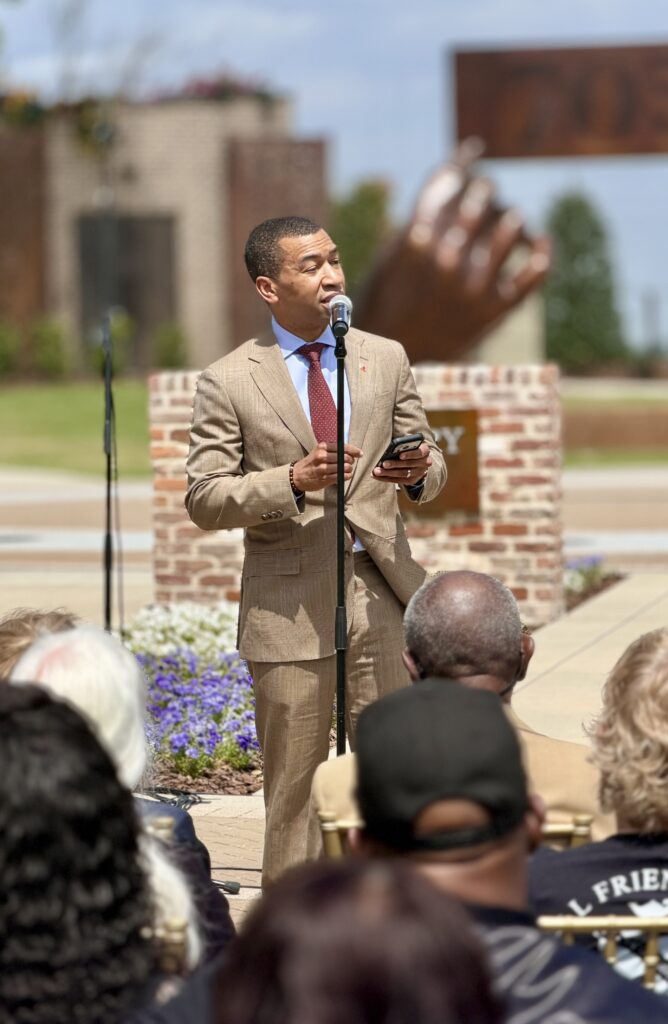
Montgomery Mayor Steven Reed, the city’s first Black mayor, spoke passionately on behalf of the city council, acknowledging the profound debt owed to those who fought for change. "I wouldn’t be here without all of the people who helped change this city," Mayor Reed stated, underscoring the direct lineage between the sacrifices of the past and the progress of the present. He thanked EJI for its transformative work, recognizing Montgomery’s evolving identity. "Your presence affirms the significance of this moment," he told the audience. "It reminds us that what we commemorate today reaches far beyond our city limits. It speaks to all who believe in truth, reflection, and unifying power of community."
Mayor Reed commended EJI for its pivotal role in reshaping Montgomery into a globally recognized destination for learning about America’s history of racial injustice and its ongoing legacy. This recognition from the city’s top official highlights a significant shift in how Montgomery confronts and presents its complex past, moving towards a more complete and honest narrative.
Launching the Montgomery Memory Project: Preserving Personal Narratives
A highlight of the dedication was Bryan Stevenson’s announcement of the new Montgomery Memory Project (MMP). This ambitious initiative aims to record video interviews with community members who lived in the Montgomery area between 1955 and 1965 and possess personal memories of that transformative period. The MMP seeks to capture invaluable first-hand accounts, ensuring that the voices and experiences of ordinary people who lived through extraordinary times are not lost to history.
"A number of esteemed Montgomery residents have already shared their stories with our MMP team," Stevenson noted, with excerpts from these interviews already showcased on the Montgomery Square website. Many of these initial participants were present at the dedication, where Stevenson publicly acknowledged and thanked them for their courage and generosity in sharing their profound experiences and reflections.
The project is an open invitation, urging anyone who lived through the "Montgomery Decade That Changed the World" to participate. Interested individuals can contact the MMP team directly at 334-269-1803 or via email. By actively seeking out and preserving these oral histories, EJI aims to create a richer, more nuanced understanding of the Civil Rights Movement, complementing historical texts with the deeply personal narratives that bring history to life. This initiative provides a vital platform for truth-telling and ensures that future generations can learn directly from those who shaped this pivotal era.
EJI’s Broader Vision: Confronting Historical Injustice
Montgomery Square is more than just a historical site; it is an educational tool designed to foster critical reflection and inspire action. It serves as a reminder of EJI’s broader mission: to end mass incarceration, challenge racial and economic injustice, and protect basic human rights for the most vulnerable people in American society. By meticulously documenting and presenting the historical context of racial oppression, EJI seeks to illuminate the connections between past injustices and contemporary challenges. The organization firmly believes that an accurate understanding of history is essential for achieving true justice and reconciliation in the present.
The development of Montgomery Square reflects EJI’s ongoing strategy to create immersive and impactful historical sites that invite visitors to engage deeply with America’s racial legacy. These sites are not merely museums of artifacts but powerful spaces for dialogue, learning, and advocacy, drawing visitors from across the nation and around the world.
The Enduring Call to Action: "We’ve Come Too Far"
In his closing remarks, Bryan Stevenson eloquently tied the historical narrative to present-day imperatives. He emphasized that Montgomery Square honors the spirit, lives, courage, and tenacity of the Black people in the community who, through their collective action, fundamentally changed the nation. However, he also issued a powerful challenge to the assembled audience and, by extension, to America. "We’ve also come here today," he declared, "to say to America that we’ve come too far to turn around now."
This statement directly addressed contemporary debates surrounding historical education and the resurgence of efforts to suppress uncomfortable truths. Stevenson specifically referenced the concerning trend of "banning books and erasing American history," calling on Montgomery, once again, to be a community that says "no" to such attempts. He highlighted Montgomery’s unique position as a city doing "the most to educate people about the legacy of slavery," urging it to continue its role in lifting the nation up by championing historical accuracy and truth. His words served as a potent reminder that the struggle for justice is not confined to the past but requires ongoing vigilance and commitment.
Montgomery’s Role in National Dialogue
The dedication of Montgomery Square reinforces the city’s burgeoning identity as a crucial center for civil rights remembrance and education. Alongside EJI’s other sites, it positions Montgomery as an indispensable destination for understanding the complexities of American history, particularly its racial dimensions. This shift from a place once synonymous with segregation and resistance to a hub for historical truth-telling is a testament to the transformative power of confronting difficult truths.
The site is expected to attract historians, students, activists, and tourists, fostering a deeper national and international dialogue on racial justice, human rights, and the enduring legacy of the Civil Rights Movement. By providing a platform for education and reflection, Montgomery Square contributes to a more informed citizenry, capable of understanding the roots of systemic inequality and working towards a more equitable future.
The program concluded with a poignant moment of unity as Bryan Stevenson invited the Booker T. Washington choir to join him, Dr. Jeanette Howard-Moore, Ms. Margaret Howard, and Dr. Viola Bradford. Linking arms, just as the architects of the Civil Rights Movement once did, they led everyone in the powerful freedom song, "Ain’t Gonna Let Nobody Turn Me ‘Round." This collective act of singing, echoing the voices of generations past, served as a powerful reaffirmation that the spirit of courage, resistance, and the unwavering pursuit of justice remains alive and resolute in Montgomery. The dedication of Montgomery Square is not merely the unveiling of a new historical site; it is a reaffirmation of an ongoing commitment to truth, memory, and the unfinished work of freedom.