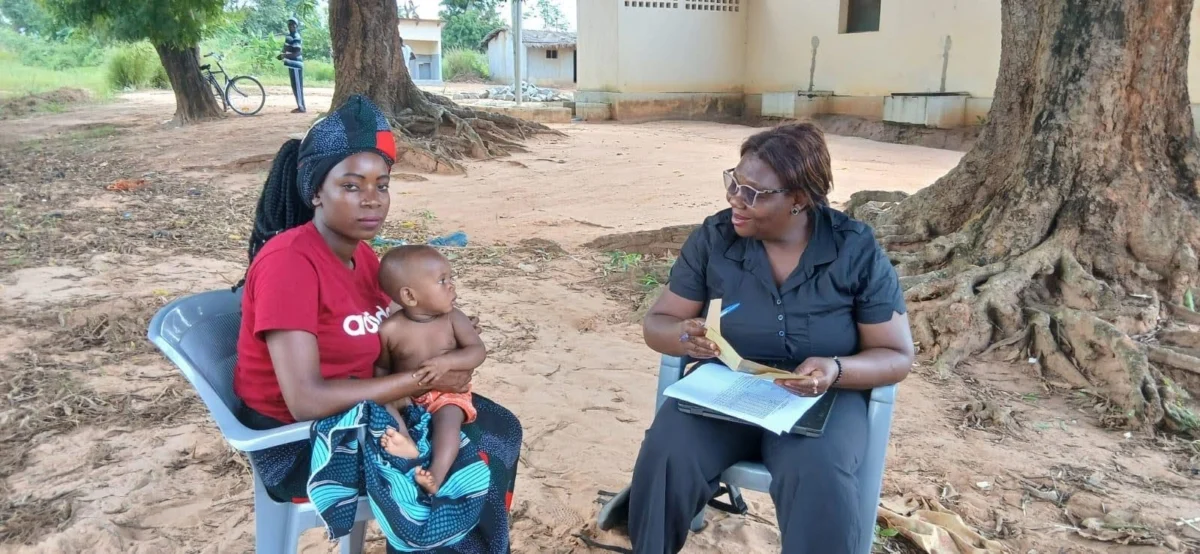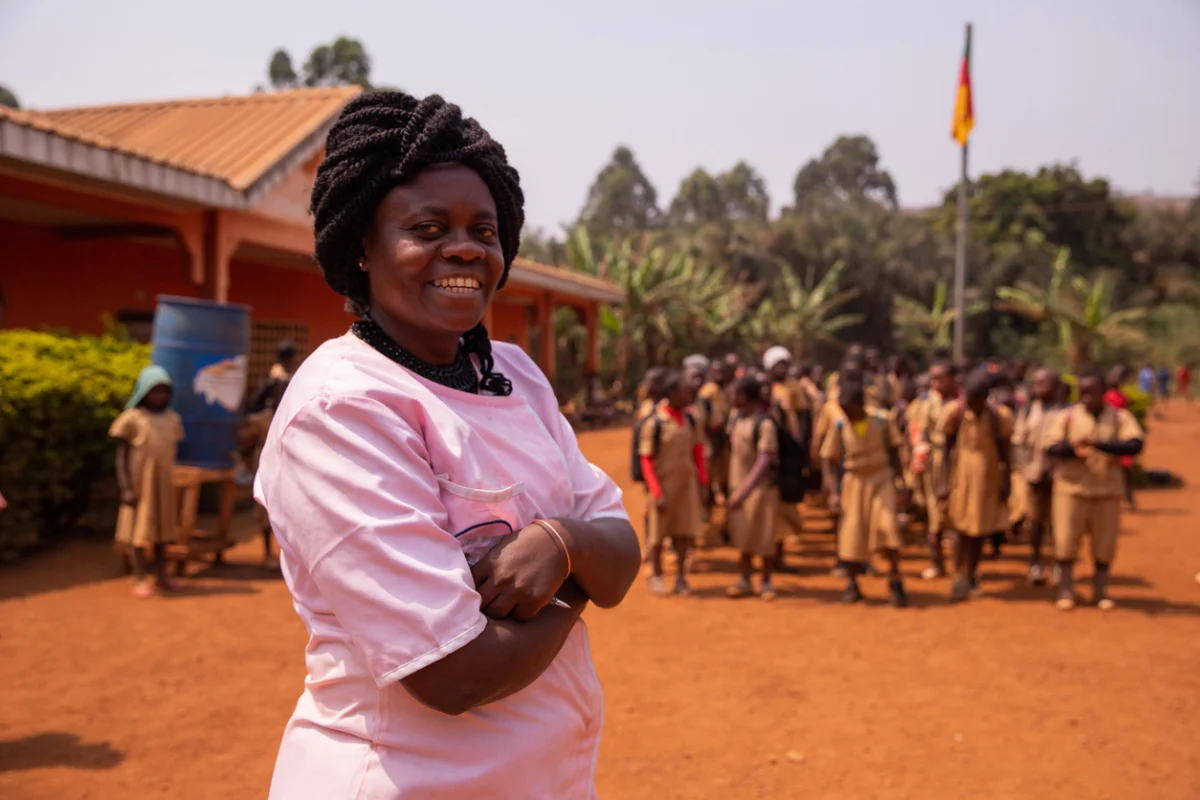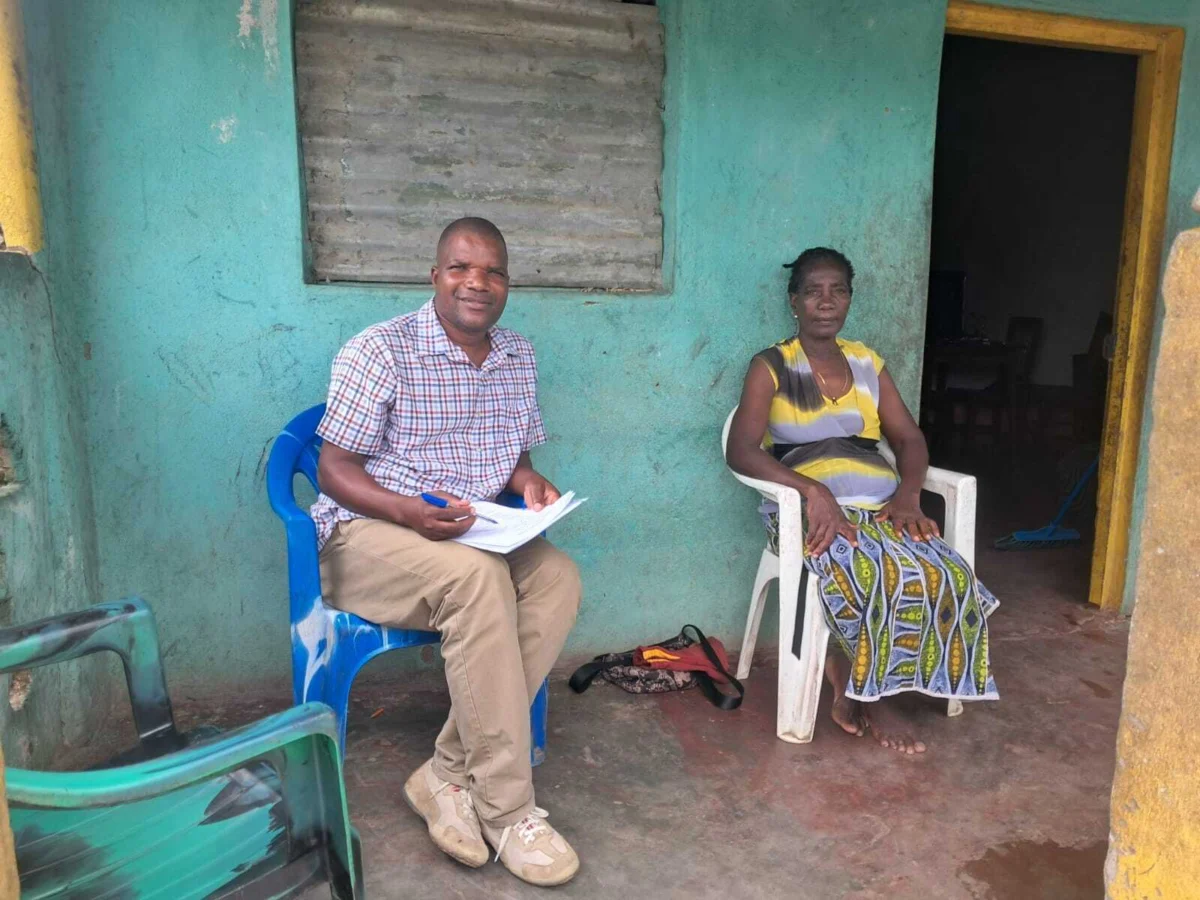
The Government of Mozambique’s National Youth Institute (Instituto Nacional da Juventude – INJ) has officially awarded World Education, a JSI initiative, the Eu Sou Capaz Technical Assistance and Training Activity, marking a significant milestone in the nation’s commitment to gender equality and educational reform. This strategic partnership, supported by the World Bank, is a cornerstone of the broader Empowering Adolescent Girls to Earn and Read (EAGER) strategic vision, a multi-country effort encompassing Mozambique, Zimbabwe, and Madagascar. The initiative is designed to scale government-led interventions that directly address the complex web of social, economic, and behavioral factors that contribute to high school dropout rates among girls in the region. By leveraging technical expertise and data-driven strategies, World Education aims to transform the educational landscape for thousands of young women, ensuring that enrollment is not merely a statistic but a pathway to tangible achievement and economic independence.
The Strategic Framework of the Eu Sou Capaz Initiative
The Eu Sou Capaz (I Am Capable) program is built upon a multi-faceted approach to youth development, focusing on two primary objectives: strengthening the capacity of the National Youth Institute to implement high-impact interventions and providing direct technical assistance to ensure these programs are culturally sensitive and regionally relevant. The activity is rooted in the understanding that education is the most effective tool for breaking the cycle of poverty, yet for many Mozambican girls, the journey to the classroom is fraught with systemic obstacles.
World Education’s role involves a comprehensive redesign of existing support systems. By integrating social and behavior change (SBC) strategies with human-centered design (HCD), the initiative seeks to align government services with the lived realities of adolescent girls. This means moving beyond traditional "one-size-fits-all" educational models and instead creating flexible, responsive frameworks that account for the domestic responsibilities, safety concerns, and economic pressures that girls face daily.
The EAGER strategic vision, which provides the overarching framework for this activity, represents a massive investment by the World Bank in the human capital of Southern Africa. In Mozambique, where the secondary school completion rate for girls remains a critical challenge, the Eu Sou Capaz initiative serves as the primary vehicle for achieving the EAGER goals of improved literacy, life skills, and economic readiness.
Addressing the Root Causes of Educational Attrition
The challenges facing adolescent girls in Mozambique are deeply rooted in socio-cultural norms that often prioritize early marriage and domestic labor over formal education. Statistics from the region indicate that Mozambique has one of the highest rates of child marriage in the world, with nearly 48% of girls married before the age of 18. These figures are inextricably linked to school dropout rates and high incidences of teenage pregnancy.
The Eu Sou Capaz model addresses these issues head-on through community mobilization and transformative life-skills education. Rather than viewing the school in isolation, the program engages the entire ecosystem surrounding the student. This includes working with parents, traditional leaders, and local authorities to shift perceptions regarding the value of a girl’s education.
"Eu Sou Capaz is about more than access—it is about removing the invisible barriers that stop girls from thriving," says Obert Darara, JSI’s World Education Country Lead in Mozambique. "By integrating social and behavior change with human-centered design, we are supporting the National Youth Institute to redesign systems around girls’ realities, ensuring enrollment leads to achievement."
The program also provides material support, such as school kits and uniforms, which often act as the final hurdle for families living in extreme poverty. However, the technical assistance component focuses on the "soft" infrastructure—training mentors and educators to provide a safe, gender-sensitive environment that protects girls from gender-based violence (GBV) and provides them with the agency to make informed decisions about their reproductive health.
Chronology of Implementation: From Pilot to National Scale
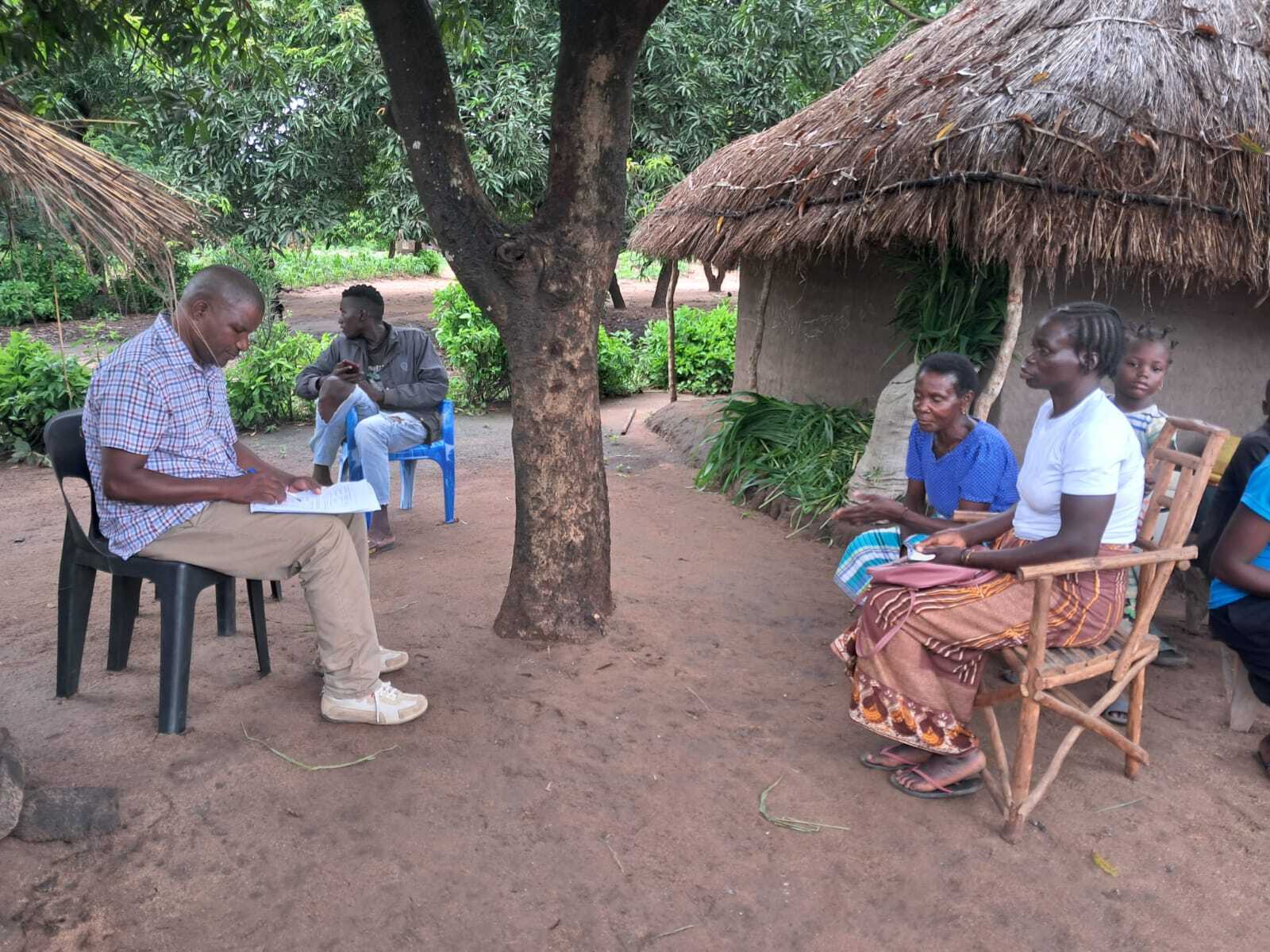
The current phase of the Eu Sou Capaz Technical Assistance and Training Activity is the result of years of collaborative planning and pilot testing. A critical component of the early implementation was the development and testing of the Community Leader Mapping Tool. In the Sofala Province, a key geographic focus for the project, Alberto Domingos and other field experts conducted extensive one-on-one interviews with community leaders to identify local influencers and potential bottlenecks in program delivery.
This mapping process, conducted in early 2026, allowed the team to visualize the social networks that govern village life. By identifying which leaders are most supportive of girls’ education, the project can strategically deploy resources to areas where they will have the most significant impact. The pilot in Sofala served as a proof-of-concept, demonstrating that when community leaders are treated as partners rather than passive recipients of aid, the success rate of educational interventions increases significantly.
Following the success of the pilot, the National Youth Institute and World Education are now moving into a national scaling phase. This involves the rollout of standardized training modules for government officials and the integration of the Eu Sou Capaz curriculum into non-formal education centers across the country. The timeline for the project anticipates a full-scale operational presence in all targeted provinces by the end of the 2026 academic year, with ongoing monitoring and evaluation to refine the approach.
Data-Driven Expertise and Regional Impact
The Eu Sou Capaz model does not exist in a vacuum; it draws on World Education’s 15-year history of regional impact across Southern and East Africa. The organization has established a reputation for using data-driven expertise to solve complex development problems. In previous iterations of similar programs in Zimbabwe and Madagascar, World Education demonstrated that targeted life-skills training could reduce the likelihood of school dropout by up to 30% in high-risk communities.
To date, World Education has supported the development of specialized curricula that focus on financial literacy, reproductive health, and vocational training. By applying these lessons to the Mozambican context, the Eu Sou Capaz initiative ensures that girls are not just learning to read, but are also learning how to navigate the labor market and advocate for their rights.
The importance of this data-driven approach cannot be overstated. In Mozambique, rural-urban disparities in education are stark. While enrollment in primary school is high, the transition to secondary school is where the majority of girls are lost to the system. By tracking individual student progress through digital monitoring tools, World Education and the INJ can provide early warnings when a girl is at risk of dropping out, allowing for immediate community-level intervention.
Official Responses and Collaborative Efforts
The partnership has received strong support from both governmental and international stakeholders. The National Youth Institute has emphasized that the Eu Sou Capaz activity is central to Mozambique’s National Youth Policy, which seeks to empower the next generation of leaders. Officials from the Ministry of Education and Human Development have also signaled their support, noting that the initiative’s focus on "invisible barriers" aligns with the government’s broader efforts to improve the quality and inclusivity of the national school system.
The World Bank, as the primary financier of the EAGER project, has lauded the human-centered design aspect of the program. Representatives from the Bank have noted that technical assistance activities like this are vital for ensuring that large-scale infrastructure investments—such as building schools—actually result in improved human capital outcomes. The Bank’s involvement ensures that the project is held to rigorous international standards for transparency, inclusivity, and environmental and social safeguards.
Furthermore, the involvement of JSI (John Snow, Inc.) through World Education brings a wealth of experience in public health and systems strengthening. This cross-sectoral expertise is crucial because the barriers to education are often health-related, ranging from lack of access to menstrual hygiene products to the psychological trauma associated with gender-based violence.
Broader Implications and Future Outlook
The long-term implications of the Eu Sou Capaz Technical Assistance and Training Activity extend far beyond the classroom. By empowering adolescent girls, the initiative is contributing to the overall economic stability of Mozambique. Studies consistently show that when girls receive a secondary education, they marry later, have fewer and healthier children, and contribute significantly more to the national GDP.
The focus on "system strengthening" ensures that the benefits of this project will outlast the duration of the World Bank grant. By training government officials and redesigning the National Youth Institute’s internal processes, World Education is helping to build a sustainable state architecture that can continue to support vulnerable youth for decades to come.
As the program continues to expand, it will serve as a model for other nations in the region. The lessons learned in Sofala and other Mozambican provinces will be shared through the EAGER network, fostering a regional exchange of best practices. In an era where global progress on gender equality has faced setbacks due to economic instability and climate change, the Eu Sou Capaz initiative stands as a testament to the power of targeted, community-led, and government-backed intervention.
World Education remains committed to fostering these enduring partnerships across regions and sectors. Through education systems strengthening, program design, and applied research, the organization continues to advance education outcomes for all, ensuring that every girl in Mozambique has the opportunity to say, with confidence, "Eu Sou Capaz."