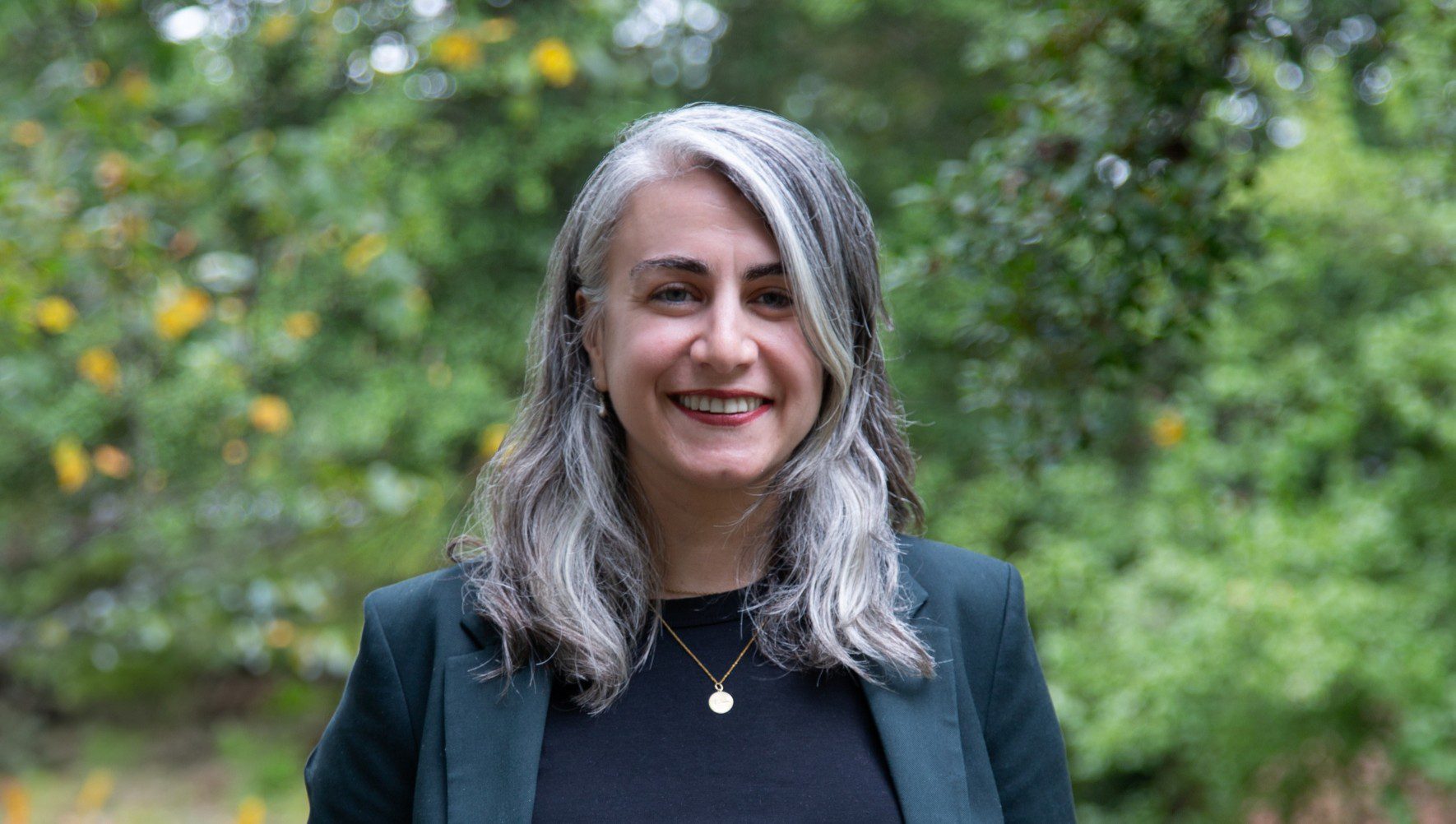
April 14, 2026 – Dr. Beth Oppenheim, CEO of the Hebrew Immigrant Aid Society (HIAS), drew a profound personal connection between her family’s history of displacement and the ongoing global refugee crisis during a reflection timed with Yom HaShoah, the Day of Remembrance for the Holocaust. Her narrative, deeply rooted in her grandfather’s harrowing escape from Nazi Germany, serves as a powerful testament to the enduring mission of HIAS and underscores the urgent need for continued humanitarian support for those seeking refuge worldwide.
Oppenheim’s grandfather, a university student in neutral Switzerland when World War II erupted, made the courageous decision to return to Germany to help his parents flee. This act of familial devotion, however, led to their deportation and imprisonment. Through circumstances that remain partially unknown, they managed to escape, embarking on a perilous journey through France and Spain before finding temporary sanctuary in Portugal. It was there, in the summer of 1941, that HIAS facilitated their exit visa, a crucial step that ultimately led to their resettlement and, as Oppenheim poignantly stated, ensured her very existence.
“I owe my very existence to HIAS, and as the CEO, I carry this story with me every day,” Oppenheim shared, emphasizing the profound personal stake she has in the organization’s work. Her message, delivered alongside a video reflection, highlights the critical role of organizations like HIAS in providing not just physical safety, but also the vital legal and logistical support necessary for displaced individuals and families to rebuild their lives.
The Unspoken Legacy of Survival
For many survivors of the Holocaust, the trauma of their experiences cast a long shadow, often leading to a reluctance to share their stories. Oppenheim’s grandfather was no exception. He rarely spoke of his ordeal, leaving his son, Oppenheim’s father, and later Oppenheim herself, with a fragmented understanding of their family’s past. It was only after his passing, when Oppenheim was eleven, that her father discovered a box containing old photographs and a letter written in German. Though the content remained a mystery for years, the presence of familiar European city names and the capitalized acronym "HIAS" hinted at a significant connection.
It would take another twenty-five years for Oppenheim to have the letter translated, revealing the full scope of her grandfather’s journey and the pivotal role HIAS played in securing his family’s freedom and their eventual resettlement in the United States. This delayed understanding solidified her own nascent desire to dedicate her career to helping refugees. “When I started my career, I knew that I, too, wanted to help refugees find lasting safety for themselves and the generations after them. And I only knew one organization in that space. HIAS,” she stated.
Yom HaShoah: A Call to Remember and Act
The observance of Yom HaShoah serves as a solemn reminder of the atrocities of the Holocaust, but for Oppenheim, it is also a call to action. “Yom HaShoah calls us to do more than mourn. It asks us to remember the history of our people – not just the suffering, but the resilience. The choices, the helpers, the narrow paths toward safety. It asks us to remember that there were always people and organizations who made a different future possible,” she articulated.
This remembrance is particularly poignant as the generation of Holocaust survivors dwindles. Oppenheim emphasized the responsibility that now falls upon subsequent generations to preserve these narratives and learn from them. “As the people who survived the Holocaust pass away, we are the ones entrusted with these stories. We are the ones who must heed the lesson: that sanctuary was never accidental. It was the result of deliberate acts of courage – by individuals, and by organizations willing to stand in the breach,” she asserted.
HIAS: A Continuous History of Sanctuary
Founded in 1880, HIAS has a long and distinguished history of assisting Jewish immigrants and refugees. Initially established to help Eastern European Jews fleeing persecution, its mandate has evolved to serve refugees of all backgrounds facing displacement and danger. For over 120 years, HIAS has provided a crucial lifeline, acting as a “stepping stone, a source of hope” for millions. Oppenheim’s personal connection highlights this enduring legacy: “HIAS was there for my grandfather. And for more than 120 years, we’ve been there – for Jews and refugees of every background – as a stepping stone, a source of hope.”
The organization’s historical impact is substantial. Since its inception, HIAS has assisted in the resettlement of millions of individuals, including significant numbers during major humanitarian crises such as the post-World War II displacement, the exodus of Soviet Jews, and more recent waves of refugees from countries like Syria, Venezuela, and Afghanistan. Data from the United Nations High Commissioner for Refugees (UNHCR) indicates a persistent and growing global refugee population, with over 117 million forcibly displaced people by the end of 2023, a figure that underscores the scale of the challenges HIAS and similar organizations confront.
Navigating a Hostile Landscape
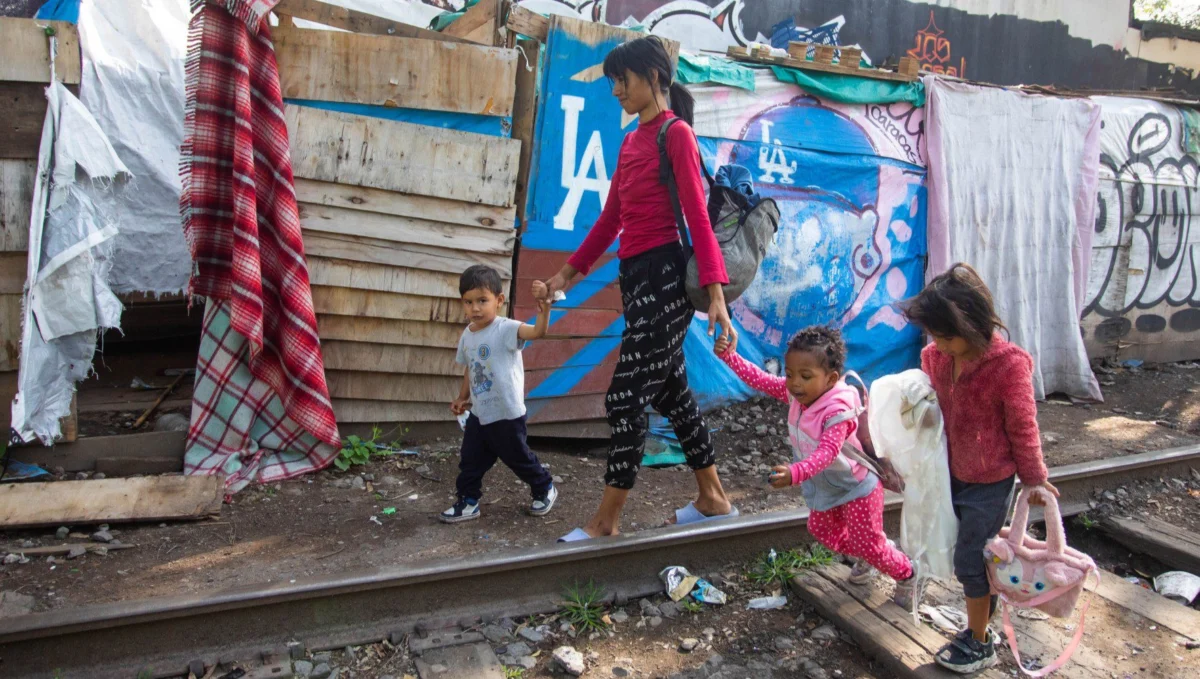
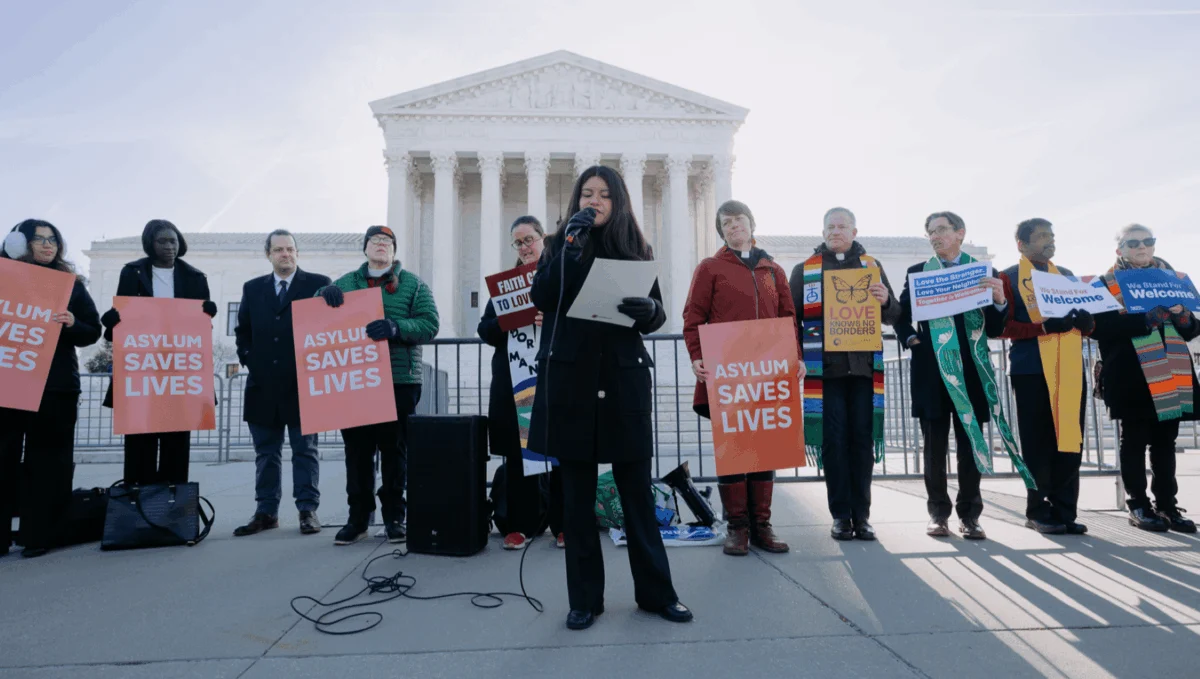
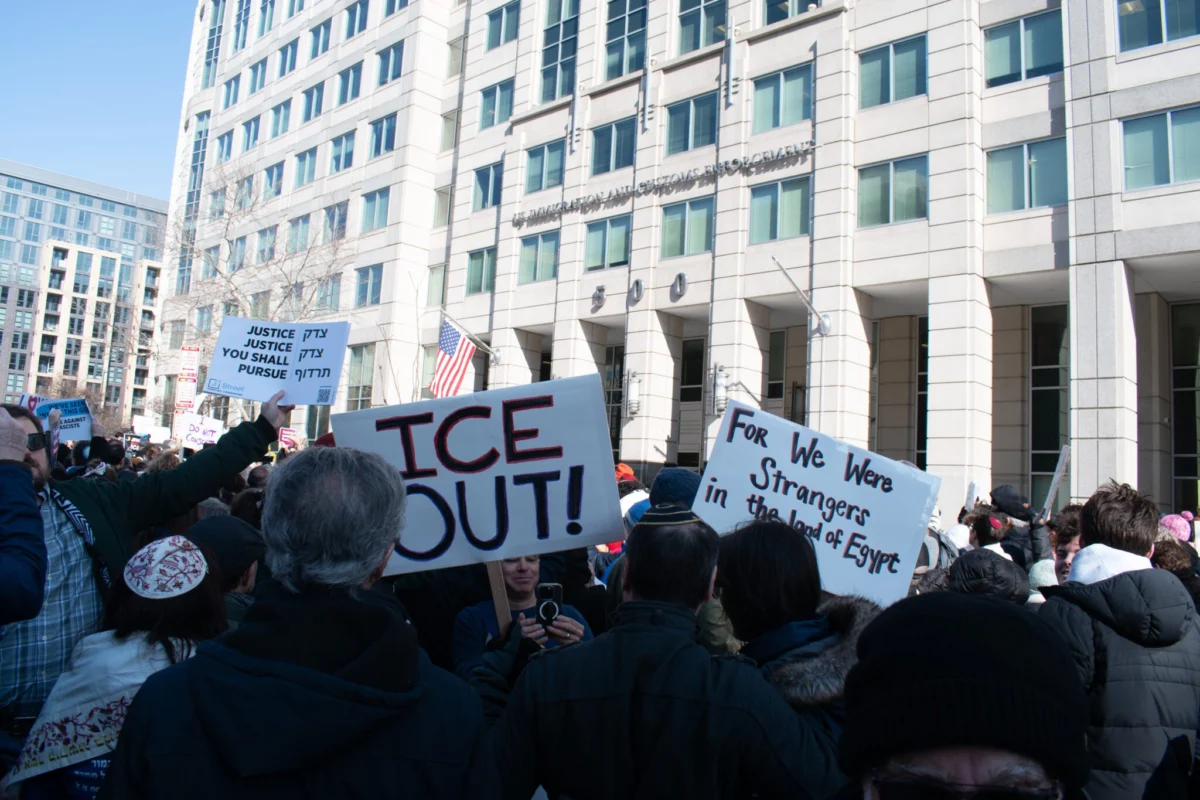
In the current geopolitical climate, Oppenheim observes a troubling trend of increasing hostility towards those seeking safety. “Today, as our country grows more hostile to those seeking safety, that work is more urgent than ever. It is sacred,” she declared. This sentiment reflects broader global discussions about immigration policies, border security, and the humanitarian obligations towards asylum seekers. International bodies and human rights organizations have consistently raised concerns about restrictive policies that impede access to asylum and violate international refugee law.
The implications of such hostility are far-reaching. They not only impact the immediate safety and well-being of refugees but also contribute to prolonged periods of uncertainty and vulnerability. The legal and bureaucratic hurdles faced by asylum seekers can be immense, and organizations like HIAS play a vital role in navigating these complex systems, providing legal aid, social services, and advocacy.
A Commitment to Open Doors
Oppenheim’s message concludes with a powerful call to collective responsibility. The act of remembering her grandfather’s story, and countless others like it, is not merely an exercise in historical reflection. It is an active commitment to ensuring that the pathways to safety remain open. “Remembering his story, and stories like it, is not only an act of memory. It is a commitment: to ensure that the door to safety stays open, and that no one is ever left to face the world alone,” she stated.
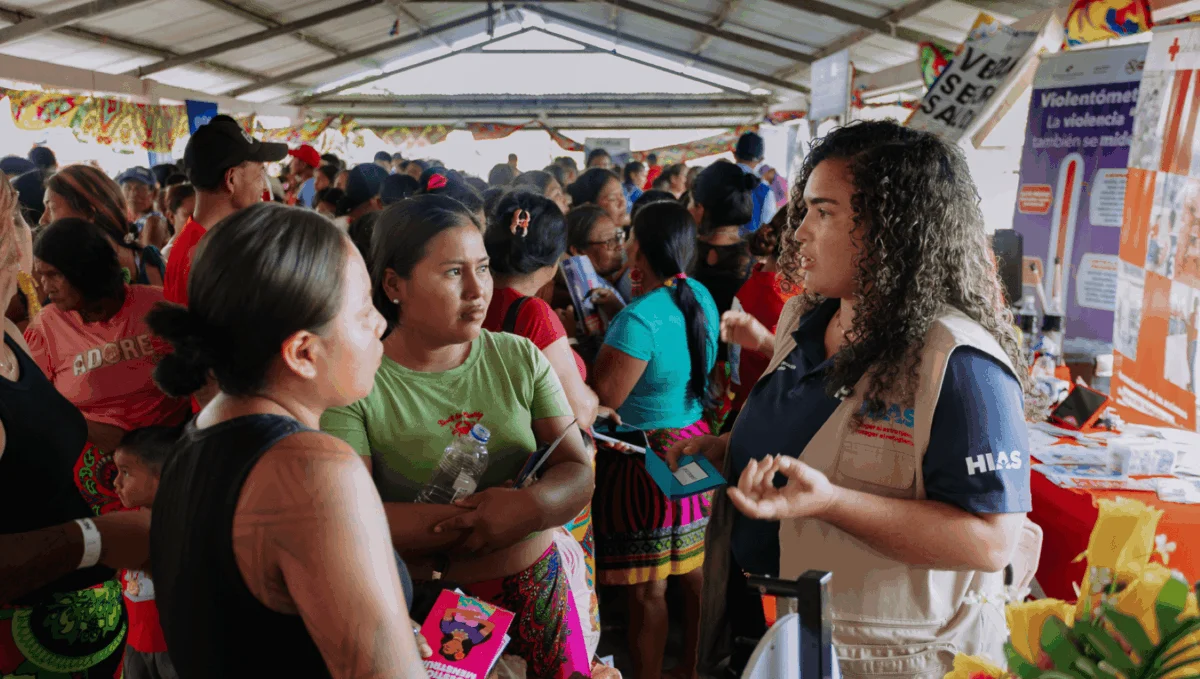
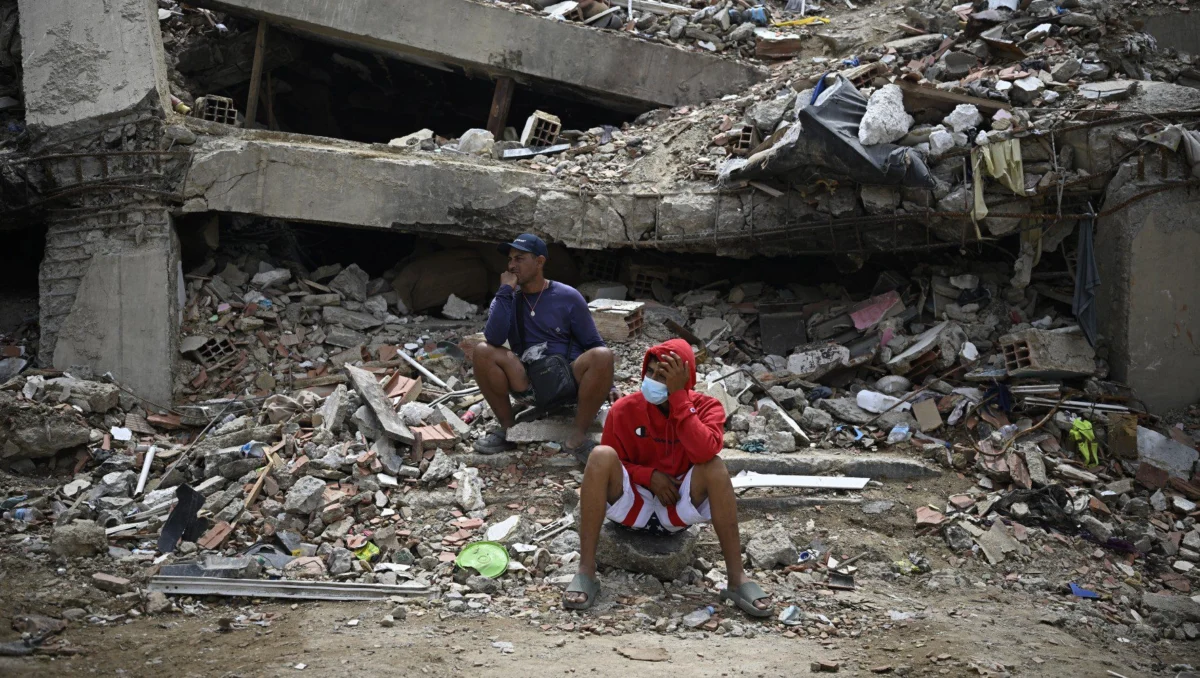
This commitment is intrinsically linked to the ongoing efforts to support refugees. HIAS, along with its partners in the humanitarian sector, relies heavily on public support to continue its vital work. The organization actively engages in fundraising and advocacy to provide essential services, including legal assistance, resettlement support, and community integration programs. The need for such support is amplified by ongoing conflicts and humanitarian crises worldwide, such as the protracted displacement in Ukraine, the ongoing challenges in the Horn of Africa, and the persistent humanitarian needs in parts of Latin America.
The narrative shared by Dr. Oppenheim serves as a potent reminder that behind the statistics and policy debates are individuals with compelling stories of resilience, courage, and a profound desire for safety. Her family’s journey, facilitated by HIAS, is a microcosm of the organization’s enduring mission: to provide refuge and hope to those who have been forced to flee their homes, ensuring that the doors of welcome never close, even in the face of adversity. The ongoing challenges require sustained global attention and a recommitment to humanitarian principles, echoing the urgent call to action embedded in Oppenheim’s personal and professional dedication.