The United States and the global community are grappling with a disturbing escalation of misinformation and conspiracy theories surrounding immigrants. Among the most insidious of these is the notion of an impending "invasion" by immigrants poised to fundamentally alter the demographic makeup of nations. This dangerous narrative, often intertwined with dehumanizing rhetoric that falsely implicates immigrants in economic hardship and crime, serves to amplify hatred and fear, leading to devastating real-world consequences. A particularly pernicious manifestation of this phenomenon is the Great Replacement Theory, a white nationalist conspiracy theory that has transitioned from the fringes of the internet to become a prominent, and deeply concerning, fixture in contemporary political discourse.
The Genesis and Evolution of a Hateful Ideology
The Great Replacement Theory posits a deliberate, orchestrated plot by unspecified "elites" or groups, often with antisemitic undertones, to displace white populations in Western countries with non-white immigrants. While the precise terminology gained traction in the early 2010s, its roots are far older, drawing upon historical currents of racism, xenophobia, and antisemitism. As far back as the late 19th century, similar fears were stoked by journalists who warned of Jewish influence undermining national cultures, echoing sentiments that later found expression in the eugenics movement in the United States, which advocated for controlling the populations of Black Americans. Throughout U.S. history, Jewish immigration itself was frequently framed by politicians as an "invasion" to generate fear and animosity.
The modern iteration of the theory was significantly popularized by French author Renaud Camus in his 2011 book, Le Grand Replacement. Camus alleged that French elites were facilitating Muslim immigration to dilute France’s white, Christian identity. In the American context, the theory has often been more explicitly directed, identifying Jewish individuals and organizations as orchestrators and non-white immigrants as the "invaders."
Escalation to Violence: A Trail of Destruction
The consequences of the Great Replacement Theory have been tragically evident in a series of violent acts and escalating hatred. In 2017, the "Unite the Right" rally in Charlottesville, Virginia, saw white supremacist marchers chanting "Jews will not replace us," explicitly linking antisemitism to the xenophobic ideology. This event resulted in the death of counter-protester Heather Heyer and highlighted the violent potential of the theory.
Further cementing the theory’s deadly implications, in October 2018, a white supremacist stormed the Tree of Life synagogue in Pittsburgh, Pennsylvania, killing 11 worshippers. His online screeds revealed a fixation on HIAS (Hebrew Immigrant Aid Society), accusing the organization of facilitating the migration of "hostile invaders" who would harm "his people." This act underscored the theory’s direct link to antisemitic violence and its targeting of organizations that support refugees and immigrants.
The pattern of violence continued. In 2019, a shooter targeting a Chabad center in Poway, California, killing one and injuring several, expressed a belief that Jews were "destroying the white race." In the same year, a mass shooting at a Walmart in El Paso, Texas, which claimed 23 lives, was explicitly motivated by the Great Replacement Theory, with the perpetrator citing a fear of Hispanic immigration. Tragically, in 2022, a supermarket shooting in Buffalo, New York, resulted in the deaths of 10 people, and the shooter was also found to be heavily influenced by this hateful ideology. Official reports from early 2026 indicate a significant spike in antisemitic incidents globally, with the highest number of Jewish fatalities in three decades, a trend that many experts attribute, in part, to the persistent influence of such conspiracy theories.
Political Discourse and Policy Implications
Beyond direct acts of violence, the rhetoric of "invasion" associated with the Great Replacement Theory has permeated mainstream political discourse and influenced policy decisions. Xenophobic politicians and media figures have adopted this language, framing immigration as an existential threat. This rhetoric has been instrumental in shaping anti-immigration policies, including the Trump administration’s focus on "remigration" – the forced deportation of non-white individuals from Western countries. Since January 2025, hundreds of thousands of immigrants have been deported, a policy that critics argue has severely damaged the social fabric and economy of the United States, particularly impacting individuals and families who were deeply integrated into American society.
Furthermore, the notion of immigrant "invasion" has been weaponized to fuel the baseless falsehood that migrants are arriving with the intent to commit widespread voter fraud, further demonizing immigrant communities and undermining democratic processes. This rhetoric has found its way into numerous proposed and enacted anti-immigration legislative measures, creating a climate of fear and suspicion.
The Role of HIAS and the Fight Against Disinformation
HIAS, as the world’s oldest refugee agency and a Jewish organization dedicated to assisting refugees, displaced persons, and immigrants globally, has become a particular target of those propagating the Great Replacement Theory. White nationalist media figures and influencers have deliberately disseminated false information about HIAS’s operations. Their aim is to advance their xenophobic, antisemitic, and racist agendas, often seeking to profit from the spread of hate.
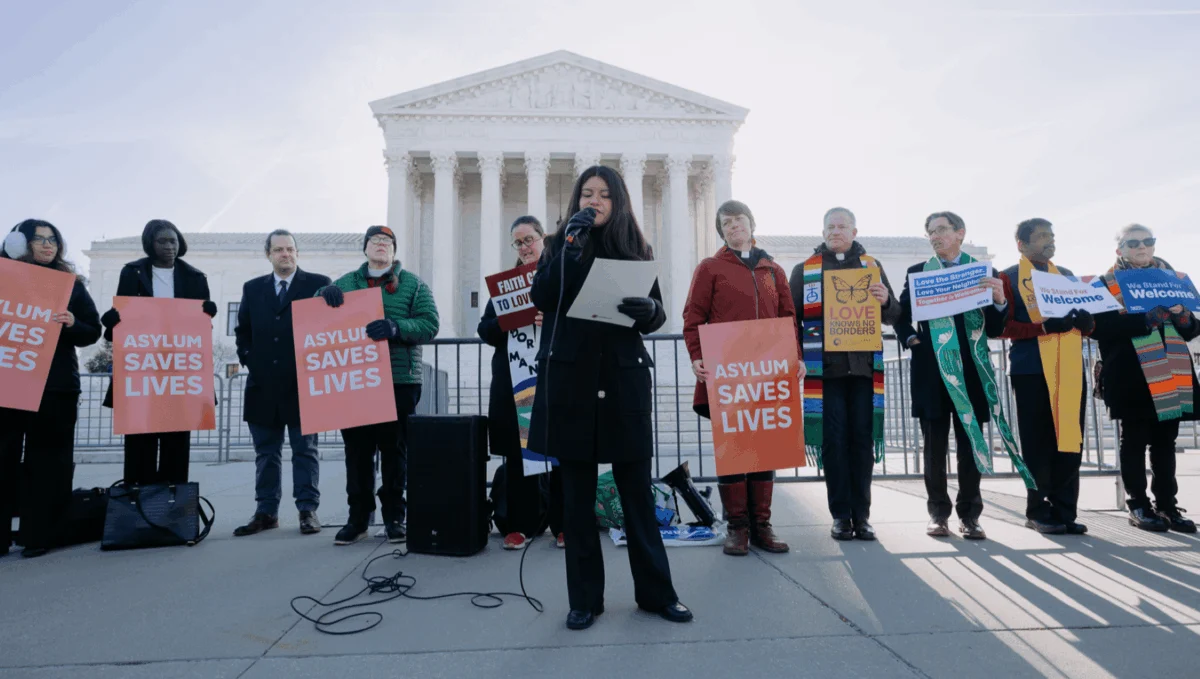
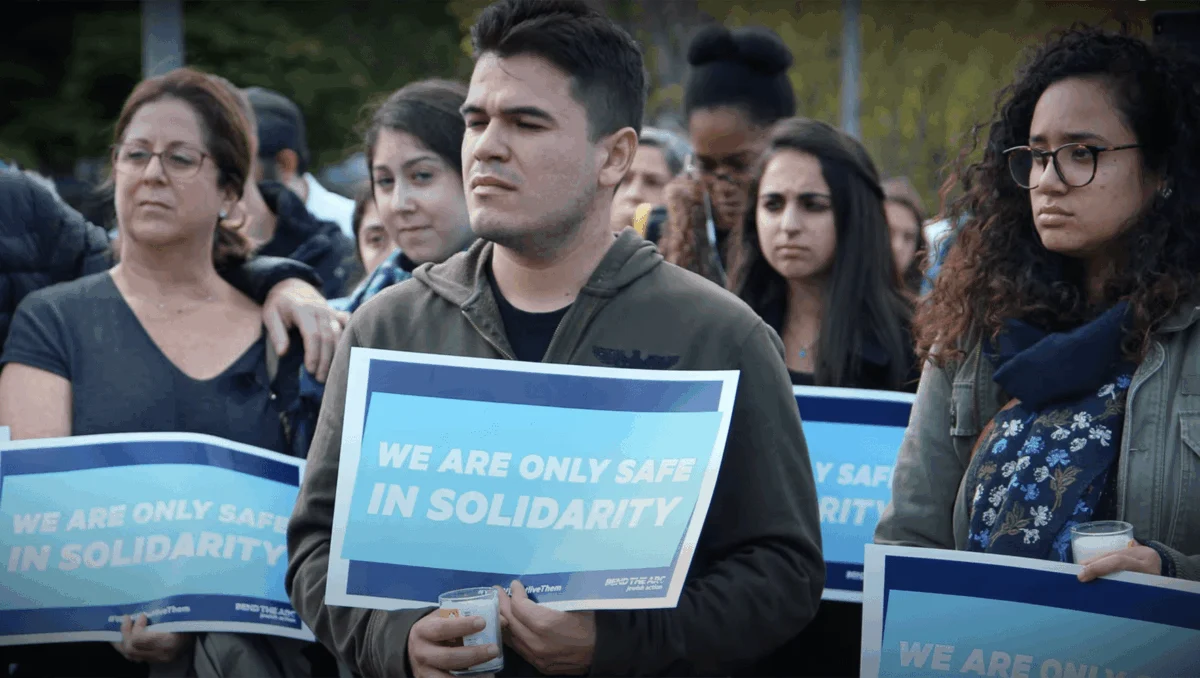
HIAS has consistently responded to these smears by providing factual information about its work. For over 120 years, the organization’s efforts have been guided by core values of welcome, empathy, and the inherent dignity of every individual. HIAS emphasizes that its commitment to supporting refugees and immigrants is unwavering and will not be deterred by hatred or disinformation. The organization actively engages in combating these dangerous narratives, advocating for evidence-based policies and promoting a message of compassion and solidarity.
Broader Context and Data
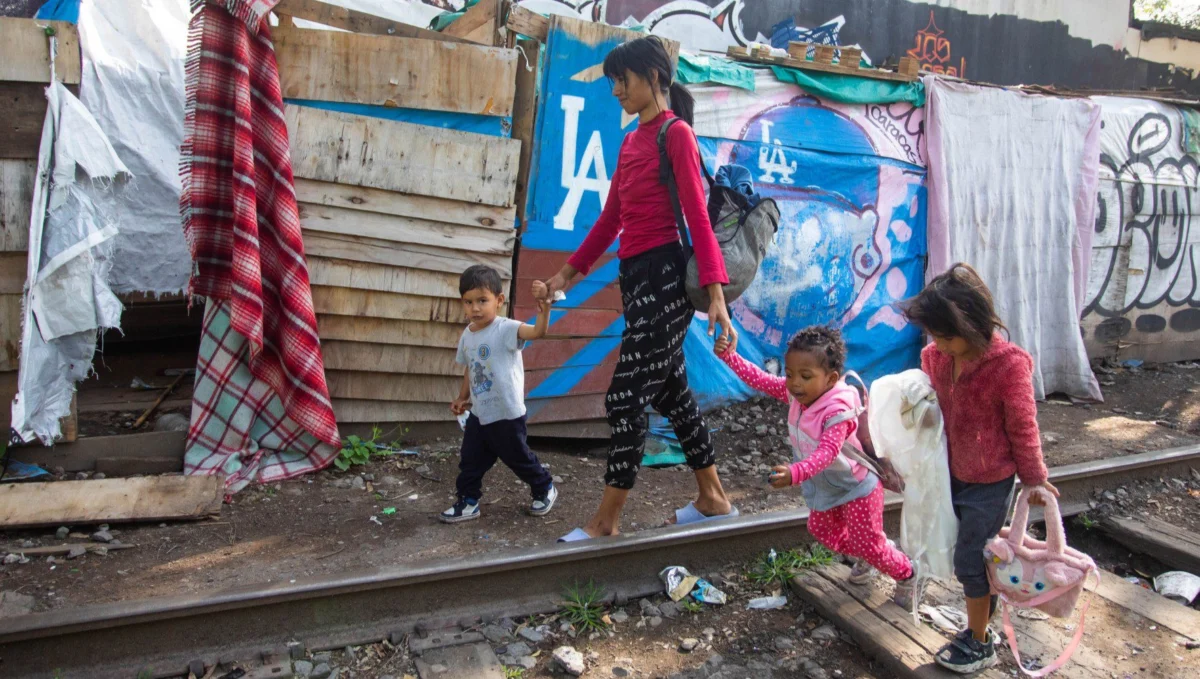
The rise of the Great Replacement Theory is occurring within a broader global context of increasing nationalism, populism, and the erosion of trust in institutions. Data from various sources highlights the persistent challenges faced by immigrants and refugees worldwide. According to the United Nations High Commissioner for Refugees (UNHCR), by the end of 2025, over 100 million people worldwide were forcibly displaced due to persecution, conflict, violence, human rights violations, and events seriously disturbing public order. This figure represents a stark increase from previous years, underscoring the critical need for humanitarian assistance and protection.
The economic arguments used to demonize immigrants are often contradicted by research. Studies by organizations like the National Academies of Sciences, Engineering, and Medicine have consistently shown that immigrants contribute significantly to the U.S. economy, filling labor needs, starting businesses, and paying taxes. Despite this evidence, the narrative of immigrants as an economic burden persists, fueled by the misinformation surrounding the Great Replacement Theory.
Looking Ahead: The Imperative of Truth and Action
The enduring influence of the Great Replacement Theory poses a significant threat to social cohesion, democratic values, and the safety of marginalized communities. Combating this ideology requires a multi-faceted approach. This includes:
- Education and Media Literacy: Equipping individuals with the critical thinking skills to discern factual information from conspiracy theories is paramount.
- Fact-Based Reporting: Journalists and media outlets play a crucial role in debunking misinformation and providing accurate context.
- Policy Reform: Governments must actively reject and counter hateful rhetoric and enact policies that uphold human rights and promote inclusive societies.
- Community Engagement: Building bridges between different communities and fostering understanding can help dismantle the fear and division that these theories exploit.
- Support for Organizations on the Frontlines: Continued support for organizations like HIAS, which provide essential services to vulnerable populations and actively combat disinformation, is critical.
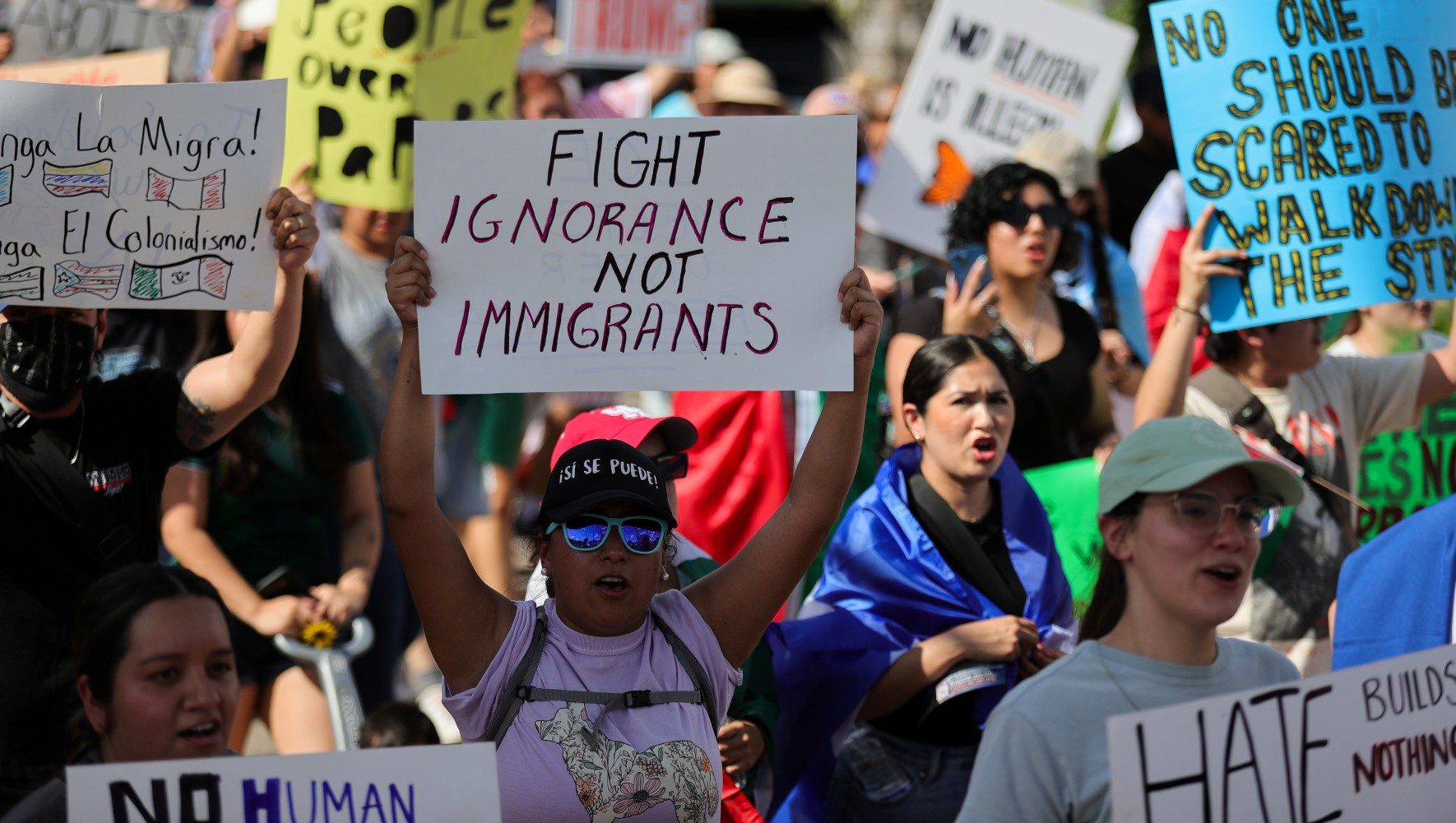
The fight against the Great Replacement Theory is not merely an ideological battle; it is a critical struggle for the soul of societies and the protection of human lives. The lessons from past atrocities and the ongoing violence serve as stark reminders of the devastating consequences when fear and hatred are allowed to dictate public policy and individual actions. The call to "Fight ignorance, not immigrants," as depicted in visual representations of protests against such ideologies, encapsulates the urgent need to confront the underlying misinformation and promote a more compassionate and informed approach to immigration and human rights.