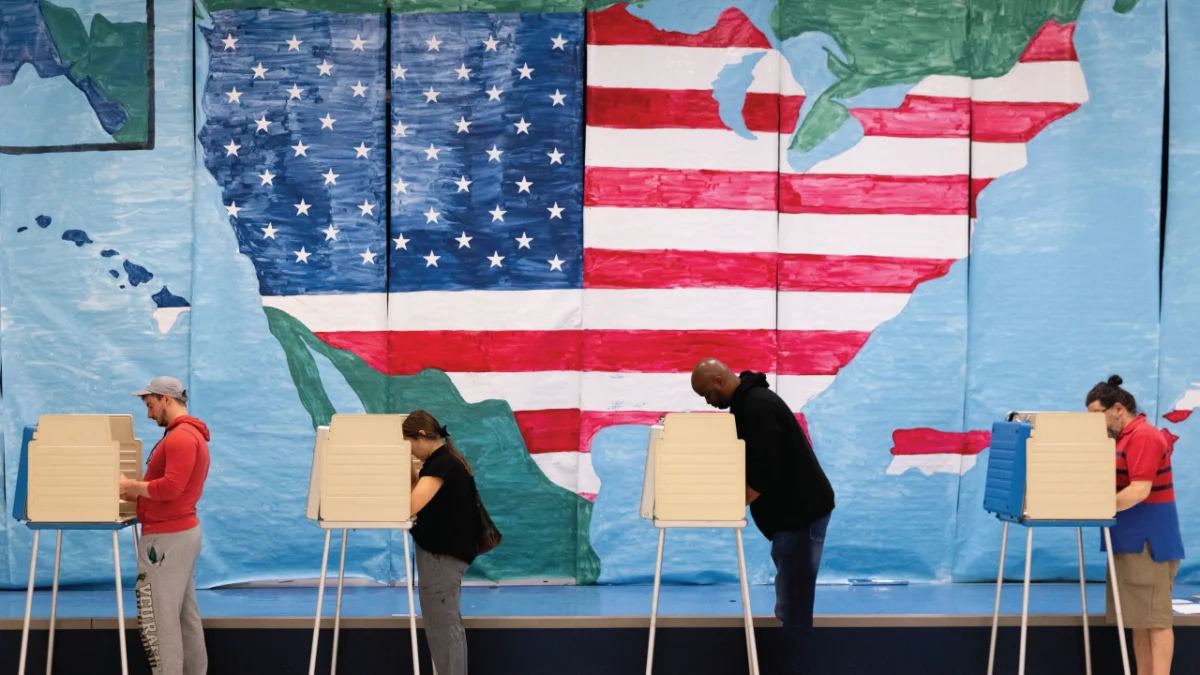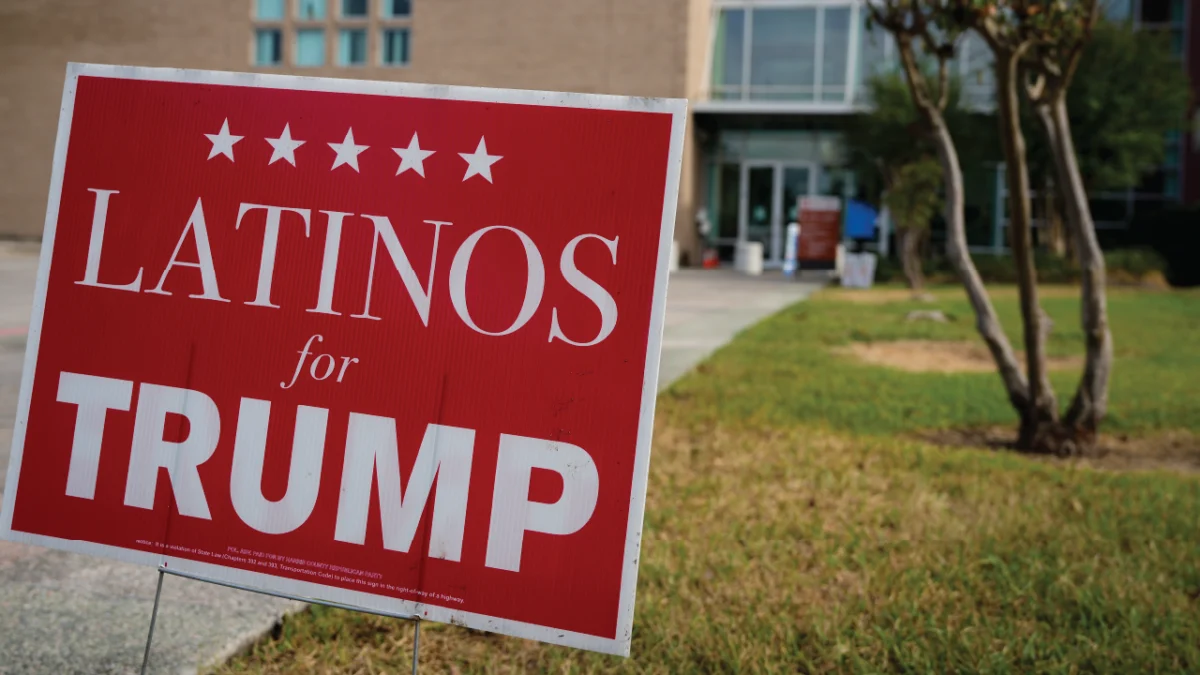
A recent comprehensive analysis of President Donald Trump’s job performance reveals a significant decline in approval ratings among his own voters, with a particularly pronounced drop observed among Hispanic supporters. While a majority of those who cast a ballot for Trump in the 2024 election continue to express their approval, the trend lines indicate a noticeable erosion of support, especially within the growing Latino electorate. This shift within a crucial demographic raises important questions about the long-term trajectory of Trump’s coalition and its implications for future political landscapes.
The findings, stemming from a Pew Research Center survey conducted in April 2026, indicate that 66% of Latino voters who supported Trump in 2024 currently approve of his job performance. This figure represents a substantial decrease of 27 percentage points since the beginning of his second term. In contrast, the approval rating among non-Hispanic Trump voters has also seen a decline, falling by 16 percentage points to 79%. This widening gap in evaluations between Hispanic and non-Hispanic Trump voters underscores a distinct trend affecting a key segment of his base.
A Shifting Landscape: Latino Voters and the Trump Presidency
The demographic significance of Latino voters in the American electorate cannot be overstated. Over the past few decades, this group has experienced rapid population growth, solidifying its position as the second-largest racial and ethnic group of eligible voters. By 2024, approximately 36 million Latino adults were U.S. citizens and thus eligible to participate in the electoral process. This burgeoning influence makes any shifts in their political allegiances particularly consequential.
Interestingly, the 2024 election cycle witnessed an increase in support for Donald Trump among Latino voters compared to previous presidential contests. According to a 2025 study by the Pew Research Center on validated voters, 48% of Latino voters backed Trump in 2024. This marks a notable increase from the 36% who supported him in 2020 and the 28% in 2016. This trend suggested a potential expansion of Trump’s appeal within this diverse community. However, the latest survey data indicates a subsequent cooling of enthusiasm among these very supporters.
Analyzing the Decline: Key Data Points and Trends
The Pew Research Center’s April 2026 survey, which polled 5,103 U.S. adults, including 778 Hispanic adults, provides granular insights into these shifts. The American Trends Panel, a representative sample of the U.S. adult population, was utilized for this analysis. Crucially, the study focused on "validated voters"—adult citizens with a record of voting based on official state election results—and specifically asked about their presidential vote in 2024.
The data reveals a consistent downward trend in approval among Hispanic Trump voters since early 2025:
- February 2025: 93% of Hispanic Trump voters approved of his job performance.
- June 2025: Approval stood at 83%.
- September 2025: The figure dropped to 81%.
- January 2026: A further decrease to 75% was observed.
- April 2026: The approval rating settled at 66%.
This represents a cumulative decline of 27 percentage points over a roughly 14-month period among this specific group.
In comparison, non-Hispanic Trump voters also showed a decline, though less steep:
- February 2025: 95% of non-Hispanic Trump voters approved.
- June 2025: Approval was 89%.
- September 2025: It stood at 88%.
- January 2026: The rate was 84%.
- April 2026: The approval rating was 79%.
This signifies a 16 percentage point decrease among non-Hispanic Trump voters during the same timeframe. The divergence in the rate of decline between the two groups is a critical element of the current political analysis.
Contextualizing the Findings: Broader Trends and Historical Perspective
The decline in approval ratings for any president, even among their own supporters, is not uncommon, particularly as a term progresses and the initial fervor of an election victory may wane. However, the pronounced drop among Hispanic Trump voters warrants closer examination, especially given the increasing political engagement and electoral weight of this demographic.
Historically, the Latino vote has been a complex and diverse constituency, with varied voting patterns across different national origins, socioeconomic statuses, and geographic regions. While often leaning Democratic, significant segments have consistently supported Republican candidates, a trend that appeared to accelerate in 2024. Factors influencing these shifts can include economic conditions, cultural issues, immigration policies, and the perceived effectiveness of political leadership.
The increase in Trump’s support among Latino voters in 2024 was attributed by some analysts to a number of factors. These included concerns about inflation and the economy, a perception of stronger border security under Trump’s previous administration, and a cultural appeal to certain traditional values. The subsequent decline in approval, however, suggests that these gains may be more fluid than initially anticipated, or that new concerns have emerged among these voters.
Potential Factors Influencing the Decline
While the Pew Research Center survey does not delve into the specific reasons behind the shift in approval, several potential factors could be contributing to the observed trend among Hispanic Trump voters:
- Economic Pressures: Despite overall economic indicators, persistent inflation and concerns about the cost of living can disproportionately affect various segments of the population. If Hispanic voters perceive that their economic well-being has not improved or has worsened under the current administration, their approval ratings could naturally decline.
- Policy Repercussions: The impact of specific administration policies on Hispanic communities, whether related to immigration, healthcare, or social programs, could be a driving force. Discontent with particular policy outcomes or the perceived effectiveness of policy implementation might lead to a reassessment of the president’s performance.
- Social and Cultural Issues: Evolving views on social and cultural issues, and how the administration addresses them, can also influence voter sentiment. Depending on the specific concerns within the diverse Hispanic community, the president’s stance or rhetoric on certain issues might be alienating some supporters.
- Broader Political Climate: The overall political climate, including ongoing debates and controversies, can shape public opinion. Events and narratives that unfold during a presidency can impact how different voter groups perceive the leader’s effectiveness and character.
- Comparison to Non-Hispanic Voters: The fact that the decline is steeper among Hispanic voters compared to their non-Hispanic counterparts suggests that there might be issues that resonate more acutely within the Hispanic community or that the president’s message is not as effectively connecting with this group as it once did.
Implications for Future Political Strategies
The findings from the Pew Research Center survey carry significant implications for political strategists and parties aiming to engage with the growing Latino electorate.
For the Republican Party, the data suggests that while progress was made in attracting Latino voters in 2024, solidifying and maintaining this support requires ongoing effort and attention to the specific concerns of this diverse group. The decline in approval among Trump’s Hispanic voters indicates that their support may not be monolithic or guaranteed, and that continued outreach and policy responsiveness are crucial. Understanding the nuances within the Latino community—which includes individuals of Mexican, Puerto Rican, Cuban, Salvadoran, Dominican, and other origins—will be essential for crafting effective campaign messages and policy platforms.
For the Democratic Party, the data may offer insights into opportunities for regaining or strengthening support among Latino voters. Identifying the specific reasons for the decline in Trump’s approval could highlight areas where Democratic policies and messaging might find greater resonance. However, Democrats also face the challenge of appealing to a diverse electorate with varying priorities, and a one-size-fits-all approach is unlikely to be successful.
Methodological Rigor and Data Integrity
The Pew Research Center’s commitment to rigorous research methodology lends significant weight to these findings. The use of the American Trends Panel, a well-established survey instrument, and the focus on validated voters ensure a high degree of accuracy and representativeness. The detailed methodology, including survey questions, topline responses, and specific sampling procedures, is made publicly available, allowing for transparency and scrutiny. The margin of error, particularly for subgroups like Hispanic Trump voters, is carefully considered in the analysis, providing a clear understanding of the statistical confidence in the reported figures. The note regarding the effective sample size and margin of error for the February 2025 survey on Hispanic Trump voters (95 participants, margin of error of +/- 10.1 percentage points) is a critical detail for interpreting the trend data.
As the political landscape continues to evolve, ongoing monitoring of voter sentiment, particularly among pivotal demographic groups like Latinos, will be essential for understanding the dynamics of American politics. The recent findings underscore the importance of sustained engagement and the need for political actors to remain attuned to the shifting priorities and perceptions of the electorate. The future of political coalitions may well depend on the ability to adapt to these evolving voter sentiments and to build bridges across diverse communities.