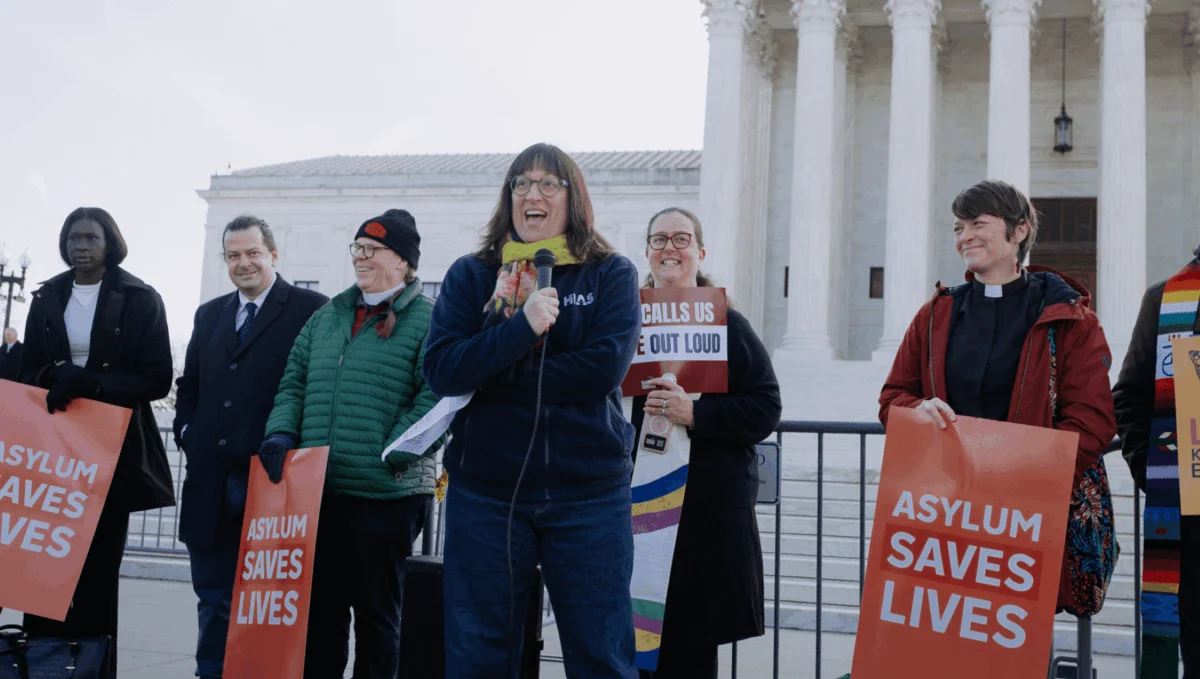
The Supreme Court of the United States is poised to hear arguments in Trump v. Barbara, a pivotal case that challenges President Trump’s executive order aimed at dismantling birthright citizenship. This legal battle, scheduled for oral arguments on April 1, 2026, carries profound implications for the nation’s immigration policy, its historical identity, and the legal standing of millions born within its borders. HIAS, a global Jewish refugee and immigrant resettlement agency, has joined 57 other faith-based organizations, representing a diverse tapestry of Catholic, Protestant, Muslim, Hindu, and Jewish communities, in filing an amicus brief. This brief underscores the deeply held moral convictions and the integral importance of birthright citizenship to these communities and immigrant groups.
The Foundation of Birthright Citizenship: Jus Soli and Its Global Context
Birthright citizenship, often referred to by its Latin origin jus soli (meaning "right of the soil"), is the legal principle that automatically grants citizenship to any individual born within a nation’s territorial boundaries. This stands in contrast to jus sanguinis ("right of blood"), a system where citizenship is primarily determined by the nationality of one’s parents. Globally, just over three dozen countries embrace the principle of jus soli. This approach offers a clear and unambiguous legal status for children born within a country, crucially serving as a bulwark against statelessness – a condition where an individual is not recognized as a citizen by any state, thereby being denied fundamental rights and protections. Furthermore, jus soli is widely recognized as a powerful mechanism for fostering the integration of newcomers and their descendants into the fabric of society.
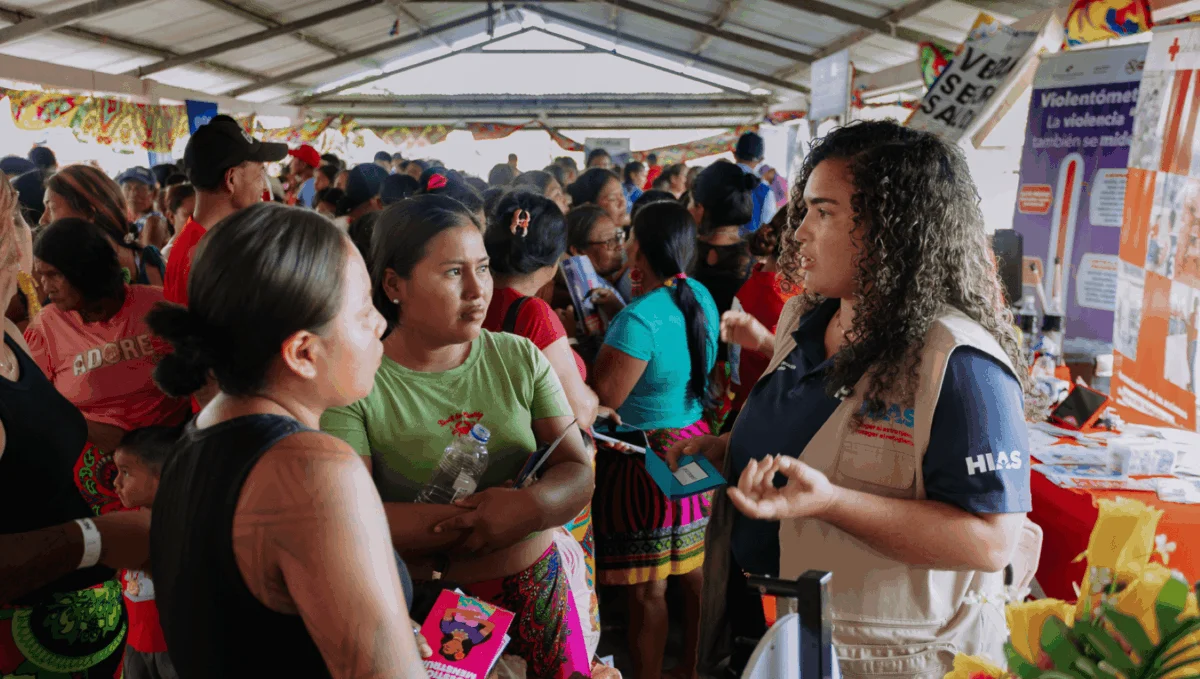
The United Nations High Commissioner for Refugees (UNHCR) estimates that there are approximately 4.4 million stateless individuals worldwide. These individuals often face severe marginalization, lacking access to essential services such as education, healthcare, and employment. They are frequently denied the right to vote, to own property, and even to marry legally. The struggle for legal recognition and basic human rights is a constant and arduous one for stateless populations. HIAS, with its extensive global reach, has direct experience with the dire consequences of statelessness in countries that do not adhere to birthright citizenship principles. Their work across various nations highlights the precarious existence of individuals caught in legal limbos, underscoring the vital role that clear citizenship pathways play in ensuring human dignity and social stability.
Birthright Citizenship in the United States: A Constitutional Mandate
In the United States, birthright citizenship is not merely a policy choice; it is a fundamental right enshrined in the 14th Amendment of the Constitution. Ratified in 1868, in the aftermath of the Civil War, the amendment was initially conceived to secure the rights and citizenship of newly freed slaves, ensuring they would not be denied the full benefits of American nationhood. Since its inception, the principle has been consistently applied, providing a stable and predictable pathway to citizenship for generations of immigrants and their children.
This constitutional guarantee has been instrumental in shaping the American narrative of inclusion and opportunity. From the waves of Irish and German immigrants in the 19th century to successive generations from Russia, Japan, Vietnam, Afghanistan, and countless other nations, the promise of birthright citizenship has allowed families to establish permanent roots in the United States. It has facilitated their integration, enabling them to contribute to the nation’s economic, cultural, and social dynamism, thereby enriching the very diversity that defines the American identity. The consistent application of jus soli has, for over 150 years, served as a cornerstone of American citizenship law, reflecting a deep-seated commitment to the principle that all individuals born on American soil are Americans.
The Genesis of Trump v. Barbara: A Direct Challenge to Constitutional Precedent
The case of Trump v. Barbara emerged as a direct response to an executive order issued by the Trump Administration during its inaugural days. This order represented a stark and, according to critics, an unconstitutional attempt to circumvent established constitutional law and remove access to birthright citizenship. This legal challenge is recognized as one of the most significant and far-reaching legal battles against the Trump Administration’s broader immigration agenda, directly confronting a policy that could fundamentally alter the landscape of American citizenship.
The legal challenge seeks to uphold the long-standing interpretation of the 14th Amendment, which has consistently affirmed birthright citizenship for all individuals born within the United States, irrespective of their parents’ immigration status. Opponents of the executive order argue that such a policy is not only contrary to constitutional law but also deeply inconsistent with American values and historical precedent. The administration’s attempt to unilaterally alter this foundational aspect of citizenship through executive action has ignited widespread debate and galvanized opposition from civil rights organizations, legal scholars, and various faith communities.
The Stakes in the Supreme Court: A Defining Moment for American Identity
The Supreme Court’s decision in Trump v. Barbara is poised to have profound and lasting consequences. The Court’s ruling will either affirm and fortify the constitutional right to birthright citizenship, reinforcing its status as an unassailable pillar of American law, or it will fundamentally reshape America’s legacy as a nation historically characterized by its welcoming embrace of immigrants and its commitment to inclusive citizenship.
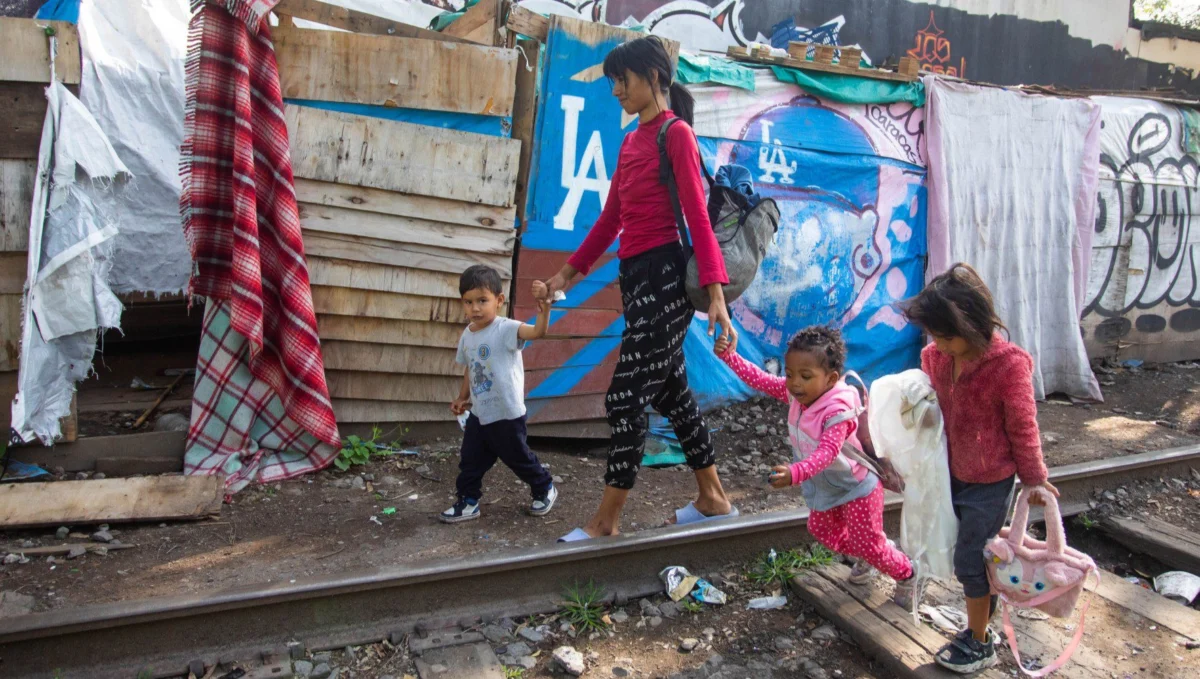
A decision that supports the executive order’s premise could trigger immediate and far-reaching repercussions for non-citizen families residing in the United States. Children born to undocumented parents, or parents with temporary visas, could potentially face uncertain futures regarding their citizenship status, even though they were born and raised on American soil. This could lead to a generation of individuals living in legal limbo, facing the same challenges as stateless persons globally, including limited access to education, employment, and social services. The potential for creating a class of legally marginalized individuals within the nation’s borders raises significant humanitarian and societal concerns.
Broader Implications: The Specter of Statelessness and Societal Division
The absence of birthright citizenship carries a significant risk of increasing statelessness, a condition with devastating human consequences. As noted, individuals without a recognized nationality are often deprived of basic rights and protections, leading to lives of perpetual insecurity and marginalization. HIAS’s work with stateless populations globally offers a stark preview of the potential hardships that could befall individuals if birthright citizenship were to be eroded in the United States. The denial of legal documentation can obstruct access to education, healthcare, employment, and housing, and can even prevent individuals from marrying legally or traveling.
The potential impact extends beyond individual hardship, threatening to sow seeds of division within American society. Creating a permanent underclass of individuals who are born and raised in the U.S. but lack full citizenship rights could lead to increased social friction, economic disparities, and a weakening of democratic principles. The integration of immigrant communities has historically been facilitated by the clear and unconditional grant of citizenship through birthright. Undermining this principle could impede social cohesion and create persistent barriers to full participation in civic life.
Mobilizing for Action: A Call to Defend Birthright Citizenship
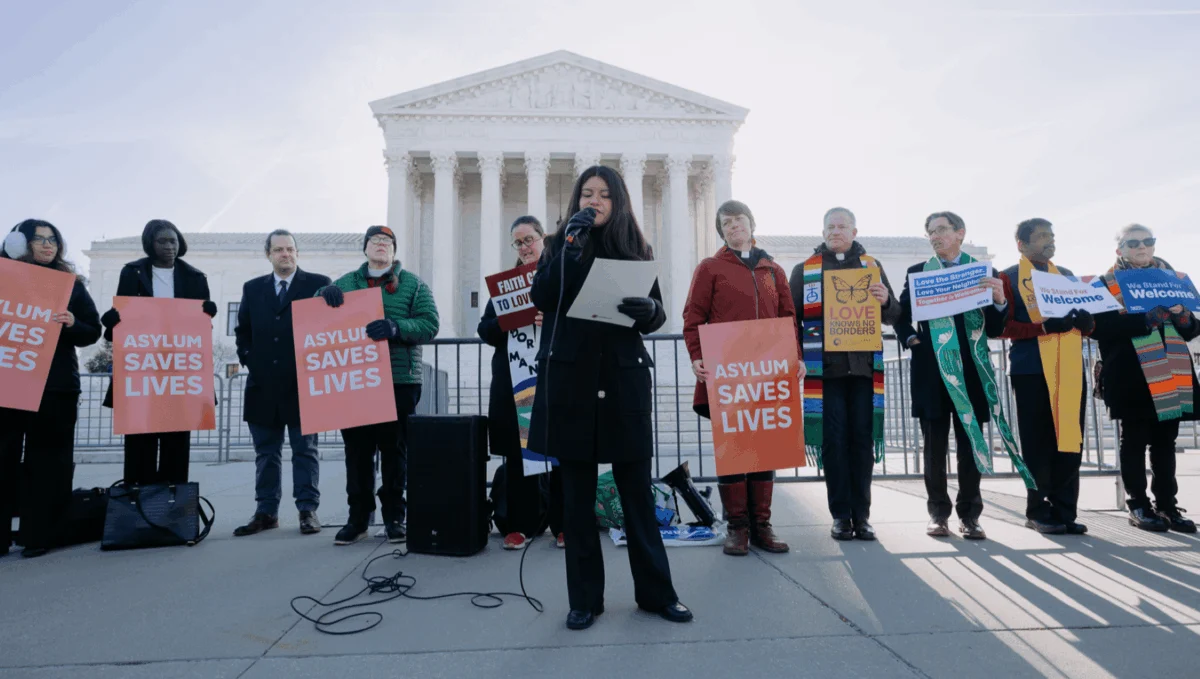
In response to the critical juncture presented by Trump v. Barbara, HIAS is actively participating in efforts to defend birthright citizenship. The organization is joining forces with the American Civil Liberties Union (ACLU) and the other 56 faith-based organizations that co-signed the amicus brief, as well as numerous other advocacy groups, for a rally scheduled in front of the Supreme Court at 10:00 AM on April 1, 2026. This demonstration aims to publicly voice support for birthright citizenship and to underscore the moral and legal imperative of its preservation.
The Supreme Court’s deliberation process could extend for several months following the oral arguments. During this period of anticipation, HIAS is providing resources for individuals and communities seeking to support immigrant neighbors and advocate for their rights. These resources are designed to empower citizens to take concrete actions that protect immigrant communities, particularly at a time when refugees and immigrants face heightened scrutiny and challenges. The organization emphasizes that the defense of birthright citizenship is not only a legal battle but also a moral imperative, reflecting a commitment to the foundational values of equality, inclusion, and human dignity that have long been central to the American ideal. The outcome of this case will undoubtedly shape the future of immigration in the United States and redefine what it means to be an American for generations to come.