The intersection of global commodity supply chains and local educational outcomes has long been a focal point for international development in West Africa. In Côte d’Ivoire, the world’s leading producer of cocoa, the challenge of providing quality education is inextricably linked to the economic realities of the agricultural sector. Since 2012, World Education, an initiative of JSI (John Snow, Inc.), has been at the forefront of a multifaceted strategy to improve schooling and eradicate child labor in these rural heartlands. Central to this effort is the CocoaLife Quality Education Project, a collaborative venture funded by Mondelez International, which aims to bridge the gap between national educational policies and the granular needs of cocoa-growing communities. By empowering local School Management Committees (COGES) and addressing the systemic barriers to enrollment, the initiative is creating a sustainable model for rural development that prioritizes the classroom over the cocoa grove.
The Structural Challenges of Education in the Cocoa Belt
Côte d’Ivoire’s education system has seen significant legislative progress over the last decade, including a 2015 law making education compulsory for children aged 6 to 16. However, the translation of this mandate into rural reality remains fraught with obstacles. According to Ferdinand Beblai, Country Director for JSI Côte d’Ivoire, the challenges are both economic and logistical. In many cocoa-producing regions, the academic calendar directly conflicts with the peak harvest seasons. When labor demands rise, children are frequently withdrawn from school to assist in the fields, a practice that not only endangers their physical well-being but also decimates their academic progress.
The impact of these disruptions is reflected in national statistics. Data from 2021 indicates that more than 15% of primary-level students in Côte d’Ivoire repeat a grade annually. This cycle of underperformance often leads to frustration and eventual dropout, as over-aged students feel alienated from the curriculum. Furthermore, the physical infrastructure of rural schools often fails to provide a conducive learning environment. In remote areas, schools are frequently constructed from temporary materials such as wood and straw. These structures are highly vulnerable to the increasing frequency of extreme weather events, which can render classrooms unsafe or unusable, further discouraging attendance and endangering students.
A Chronology of Intervention: From Assessment to Action
The involvement of World Education in Côte d’Ivoire began over a decade ago, evolving from initial assessments of educational quality to the implementation of complex, community-driven support systems. In 2012, the organization identified a critical weakness in the existing school governance structure. While the Ivorian government had established COGES (Comité de Gestion Établissement Scolaire) to manage local school resources, these committees often lacked the training and financial means to function effectively.
Between 2012 and the present, World Education developed and refined a diagnostic tool to evaluate COGES performance. This tool allowed for the identification of specific gaps in leadership, financial management, and community engagement. Following this diagnostic phase, the CocoaLife Quality Education Project was launched to provide the necessary capacity building. The project moved beyond mere pedagogical support, focusing on the economic sustainability of the schools themselves. By 2020, the focus shifted toward "Income-Generating Activities" (IGAs), transforming schools from passive recipients of aid into active economic entities capable of self-funding their operational needs.
Strengthening the COGES: The Engine of Local Change
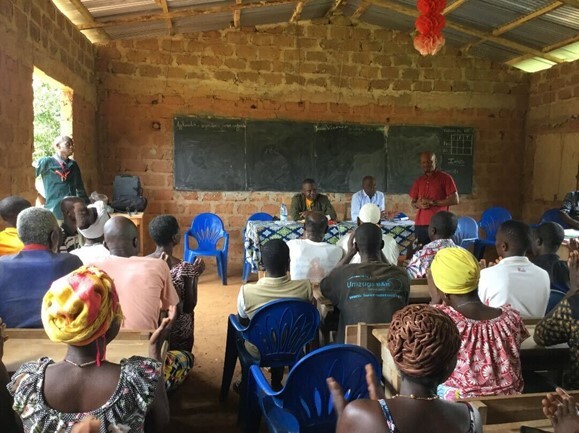
The COGES serves as the primary link between the school, the parents, and the local community stakeholders, including youth groups, mothers’ associations, and cocoa cooperatives. World Education’s strategy has been to move these committees toward financial independence. Recognizing that government funding is often delayed or insufficient for the unique needs of remote villages, the project encouraged COGES to launch local enterprises.
In various districts, these activities have taken different forms based on local agricultural conditions. Some communities established maize plantations, while others ventured into poultry farming. The revenue generated from these sales is managed by the COGES and reinvested directly into the school. This "internal funding" is often used to provide stipends for teachers who offer remedial classes in core subjects like French and mathematics. By incentivizing educators to provide extra support for struggling students, the community directly addresses the high grade-repetition rates that previously led to dropouts. This holistic involvement ensures that parents see the school as a community asset rather than a distant government obligation.
The Case of Ndrikro: A Blueprint for Transformation
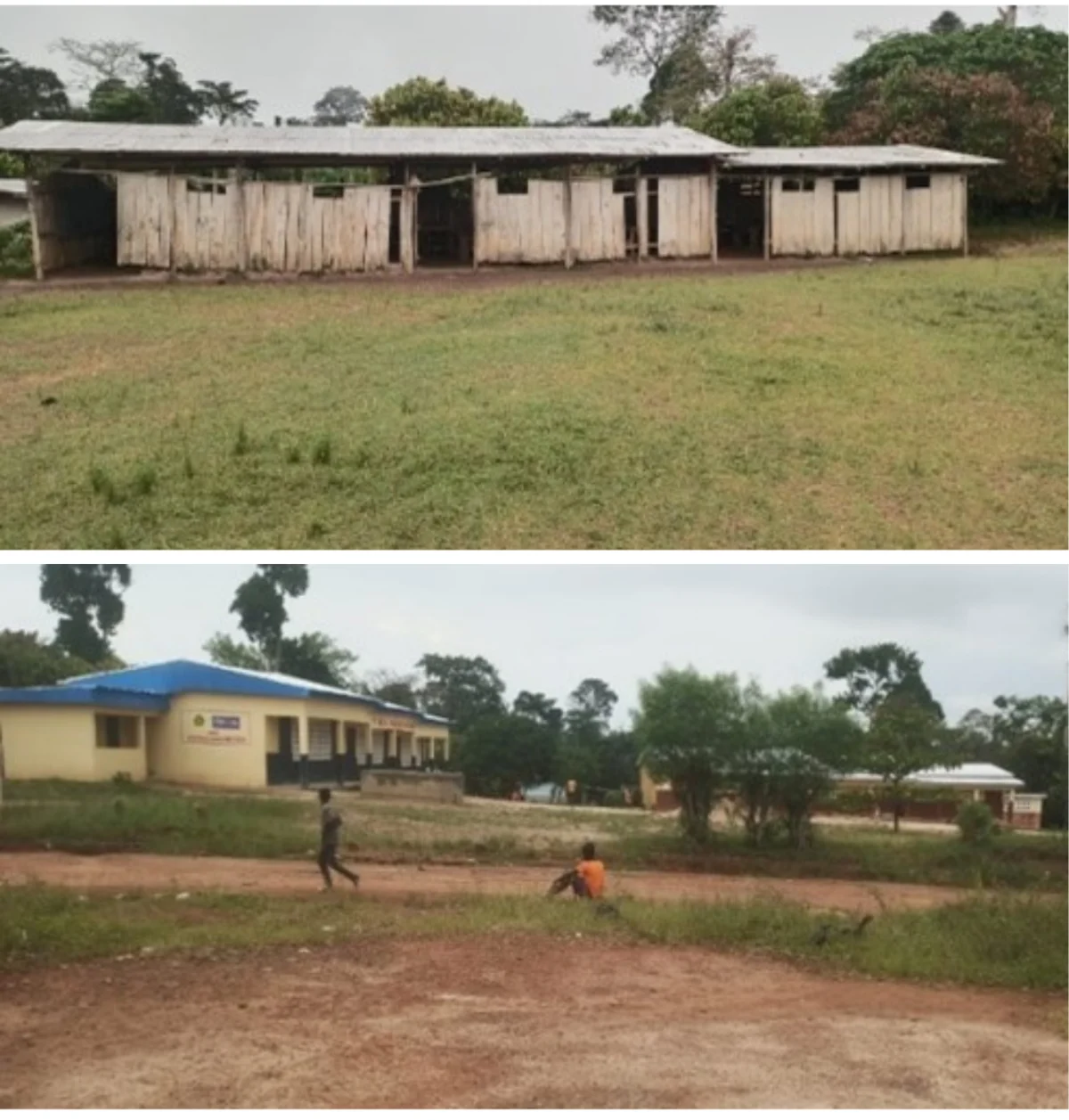
The village of Ndrikro in the Soubré region serves as a stark example of the project’s impact. Prior to 2012, the educational landscape in Ndrikro was dire. Classes were conducted in makeshift sheds that lacked basic amenities like desks or toilets. Students were exposed to the elements, and the lack of a structured environment contributed to poor literacy and numeracy rates.
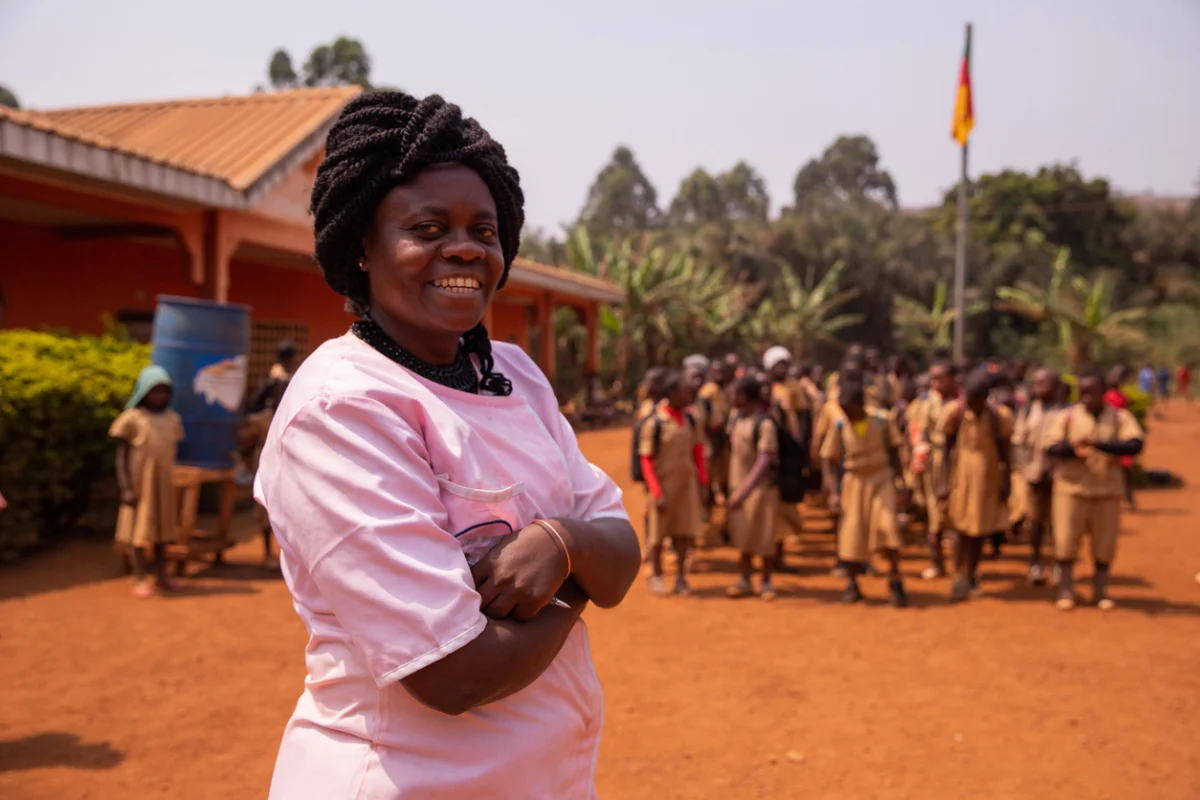
The transformation of Ndrikro began when the COGES mobilized the village leadership and the local Village Savings and Loan Association (VSLA). By aligning the interests of the village youth and the cocoa farmers, the community identified the school as a "collective good." Leveraging a community cassava field to generate income, and combining these profits with financial support from the loan association, the village was able to replace the dilapidated sheds with two modern school buildings. These new structures included administrative offices and sanitary facilities, radically altering the village’s educational infrastructure. Today, Ndrikro is cited as a model community where the environment is safe, remedial education is standard, and students are incentivized through excellence awards, demonstrating that community synergy can overcome significant infrastructural deficits.
Addressing the Data Deficit in Rural Communities
A significant hurdle in addressing educational gaps in Côte d’Ivoire is the reliance on aggregated national data. While the Ministry of National Education and Literacy (MENA) provides comprehensive statistics at the regional and district levels, these figures often obscure the specific realities of individual villages. Ferdinand Beblai notes that at the start of the CocoaLife implementation, it was nearly impossible to find consistent data on the exact number of six-year-olds in specific cocoa-producing hamlets.
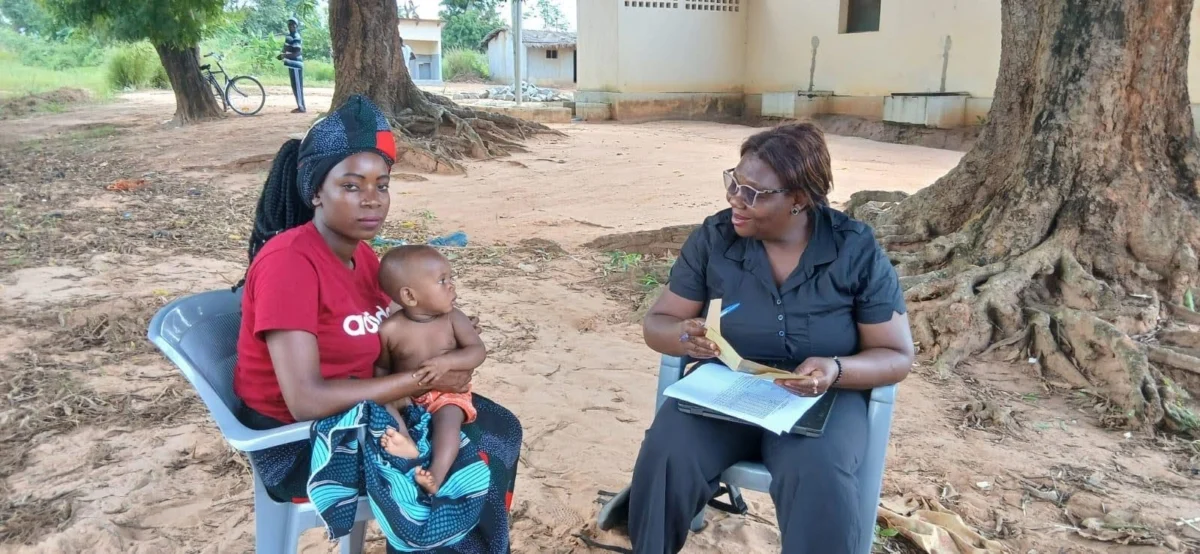
Without granular, community-level data, it is difficult to identify exactly why children are not in school. World Education’s approach involved localized data collection to understand the specific economic pressures on families. For instance, data analysis revealed that cocoa farmers face extreme liquidity shortages between the two annual harvests. During these "lean periods," families often lack the cash necessary to purchase basic school supplies, leading to children being kept home. To counter this, the project utilized community data to identify the most vulnerable families and provided targeted grants of approximately 80,000 CFA francs (roughly USD 140) for essential supplies. This data-driven intervention ensured that poverty during the off-season did not result in permanent educational setbacks.
Economic Implications and Long-Term Sustainability
The success of the CocoaLife project has broader implications for the socio-economic health of Côte d’Ivoire. Beyond the immediate goal of literacy, education provides practical benefits for the future of the cocoa industry. Parents in these communities are increasingly recognizing that even if their children choose to remain in the agricultural sector, formal education is essential for modern farming. Literate farmers are better equipped to read instructions on agricultural inputs, ensuring the correct and safe application of pesticides and fertilizers, which in turn improves crop yields and environmental safety.
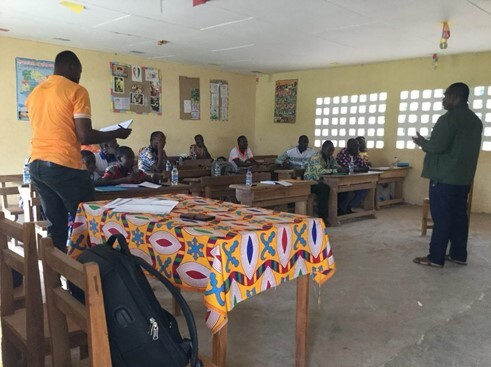
Sustainability is built into the project through the rigorous training of COGES members in accounting and transparency. By maintaining clear records and receipts, these committees have built a culture of trust within their villages. When community members see that their contributions—whether in labor or money—are being managed effectively and result in tangible improvements like new desks or better grades, they are more likely to continue their support. In many areas where direct project funding has ended, the COGES have continued to operate their income-generating activities independently, proving that the model can survive beyond the duration of international grants.
Future Outlook and Government Integration
The impact of the CocoaLife Quality Education Project has caught the attention of the Ivorian national government. Recognizing the effectiveness of the COGES strengthening model, the government has moved to formalize its relationship with World Education through a collaboration protocol. This agreement is designed to integrate the project’s methodologies into the national educational framework, ensuring that the lessons learned in the cocoa belt can be applied to other rural regions of the country.
The formal partnership with the government represents the final stage of the project’s lifecycle: moving from a localized pilot to a national standard. This collaboration aims to ensure that communities across Côte d’Ivoire become self-sufficient in managing their educational resources. As the country continues to navigate its role as a global agricultural powerhouse, the shift toward community-led, sustainable education provides a pathway to breaking the cycle of poverty and child labor. The ultimate goal remains a future where every child in the cocoa-growing regions has access to a safe, high-quality education that is supported and protected by their own community. Through the synergy of corporate responsibility, NGO expertise, and local leadership, the "collective good" of the school is becoming the cornerstone of rural Ivorian society.