Indigenous communities worldwide are witnessing a powerful resurgence of ancestral knowledge, driven by a new generation of dynamic young leaders. These individuals are skillfully weaving together traditional wisdom with contemporary realities, employing innovative, community-centered approaches to safeguard their cultural heritage while navigating the complex social, cultural, and economic landscapes of the 21st century. Their efforts, spanning diverse practices such as intricate weaving, captivating storytelling, language revitalization, environmental stewardship, and the strategic use of digital media, are not only strengthening vital intergenerational connections but also ensuring the enduring vitality of knowledge systems passed down through countless generations. For these communities, this cultural strengthening represents a profound affirmation of identity, a commitment to creating sustainable opportunities for future generations, and a bedrock of collective resilience. From the towering Andes of Bolivia and the ancient Maya heartlands of Mexico to the verdant hill tracts of Bangladesh, Indigenous youth are powerfully demonstrating that culture is not a relic of the past, but a living, breathing source of strength, creativity, and self-determination.
The Andean Echo: Deniza Flores Orcko and the Revitalization of Quechua Heritage
In the high-altitude community of Chaquilla Alta, nestled within the Potosí region of Bolivia, Deniza Flores Orcko, a proud member of the Quechua people, embodies this spirit of cultural revitalization. An agroindustrial engineer by training, a graphic and web design student by aspiration, and a journalist in development, Deniza possesses a profound passion for environmental and cultural communication. Her upbringing, steeped in the rich tapestry of ancestral traditions, the deep wisdom of medicinal plants, and the time-honored artistry of artisanal weaving, instilled in her an intimate understanding of the inextricable link between culture, language, and territory. Through her multifaceted work, Deniza actively confronts pressing socio-environmental challenges, including the pervasive impacts of mining contamination and critical issues surrounding access to clean water. Simultaneously, she champions community-based educational and environmental initiatives, striving to build a more sustainable and culturally vibrant future.
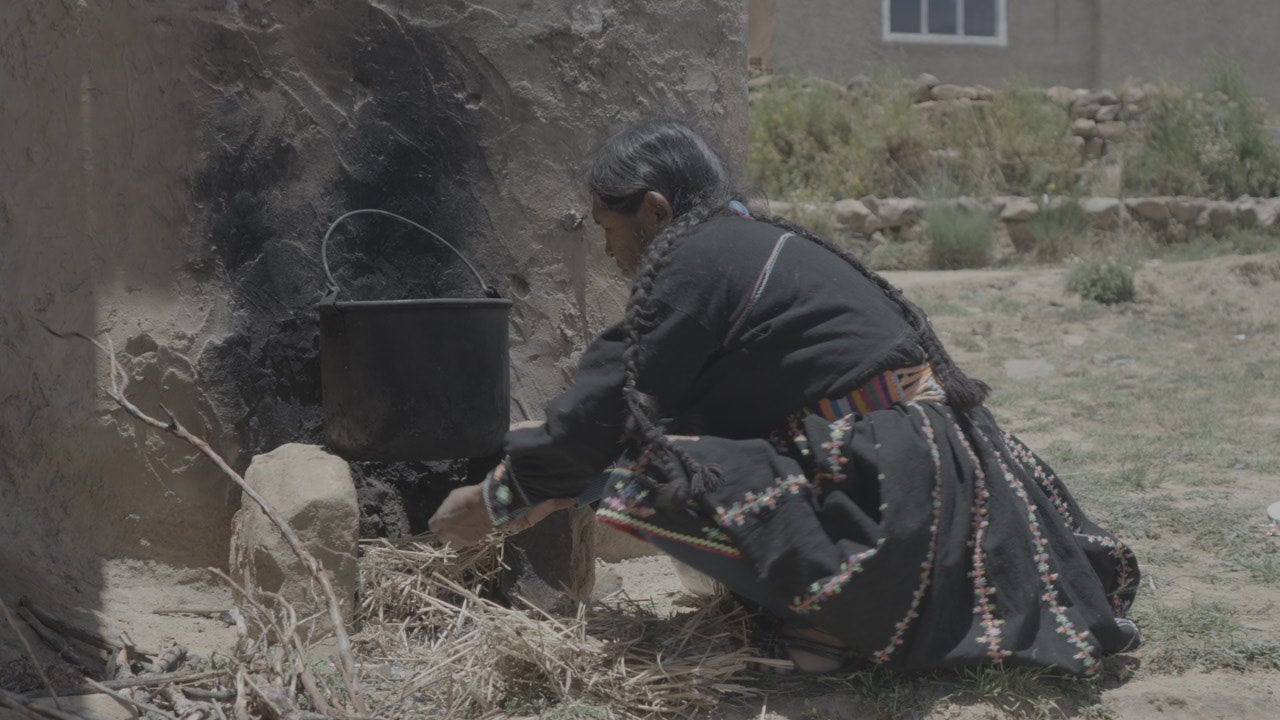
The community of Chaquilla Alta, like many rural Quechua settlements, grapples with significant social and economic hurdles. Despite these adversies, a remarkable number of traditional practices persist. Elders continue to be invaluable conduits of knowledge, diligently passing down intricate details about medicinal plants, sophisticated weaving techniques, and the nuances of the Quechua language. However, Deniza has observed with growing concern the increasing detachment of younger generations from these vital traditions. Factors such as migration to urban centers, the pervasive influence of modernization, and the persistent discrimination faced by Indigenous identities are creating a widening chasm. As fewer young people actively engage with their ancestral language and cultural practices, there is a palpable risk of losing invaluable ancestral knowledge that has been meticulously preserved for millennia. Compounding these challenges is the limited visibility and market access for traditional artisanal work, which restricts economic opportunities that could otherwise bolster the long-term sustainability of these cultural expressions.
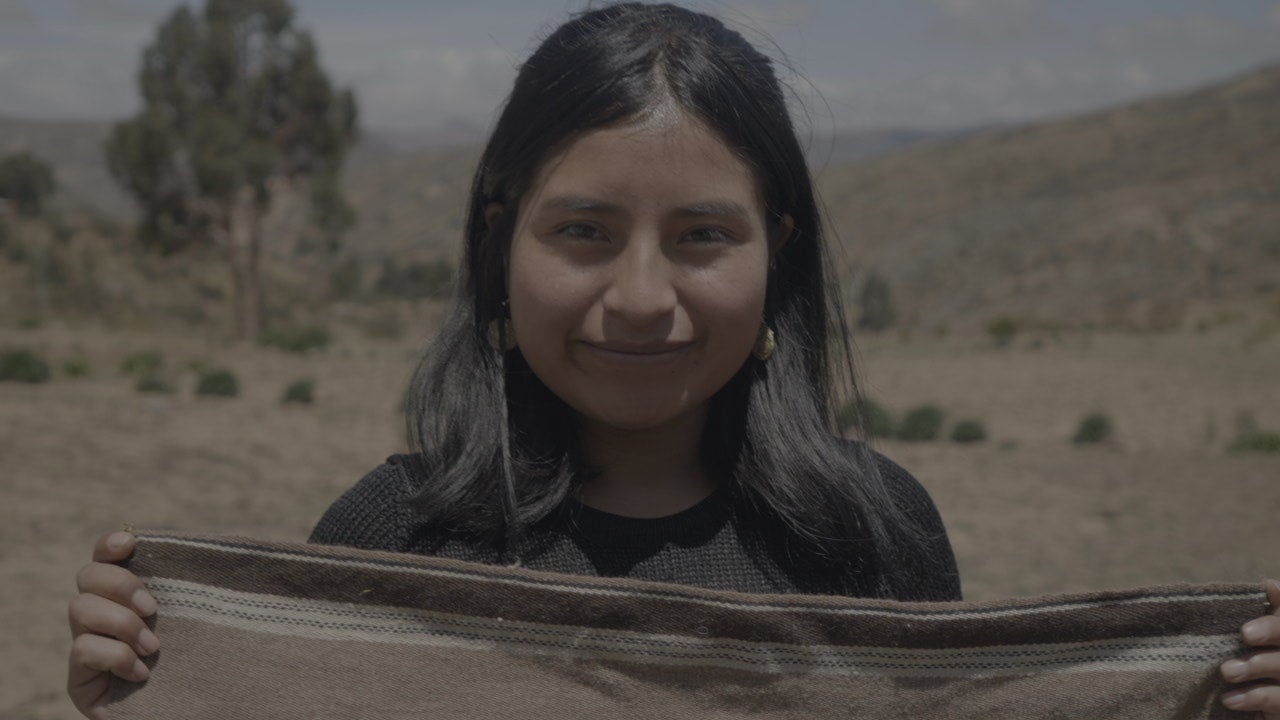
In direct response to these pressing concerns, Deniza has spearheaded an ambitious project designed to invigorate Quechua cultural identity among young adults aged 18 to 28. This initiative harmoniously integrates traditional weaving, the profound knowledge of medicinal plants, and the evocative power of audiovisual storytelling. Through meticulously designed participatory workshops, artisans and community members will collaborate to create textiles that artfully incorporate the symbolism of medicinal plants and elements of the Quechua language. These creations will be brought to life using natural dyes derived from ancestral practices, ensuring authenticity and a deep connection to heritage. The project also encompasses the vital task of documenting oral histories, intricate weaving processes, and resonant community testimonies through a series of educational videos and compelling digital storytelling. By equipping youth with essential audiovisual production skills and establishing online platforms for the dissemination of these narratives, Deniza aspires to cultivate a profound sense of pride in Quechua identity. Her ultimate goal is to ensure that ancestral knowledge remains not only alive and relevant but also readily accessible for the edification and inspiration of future generations. The project’s timeline, initiated in early 2024, aims for a pilot phase of workshops and documentation by the end of 2024, with a public digital launch of the collected stories and visual content scheduled for mid-2025.
The Yucatecan Tapestry: Gabriela de los Ángeles Reyes Xix and the Resilience of Maya Language
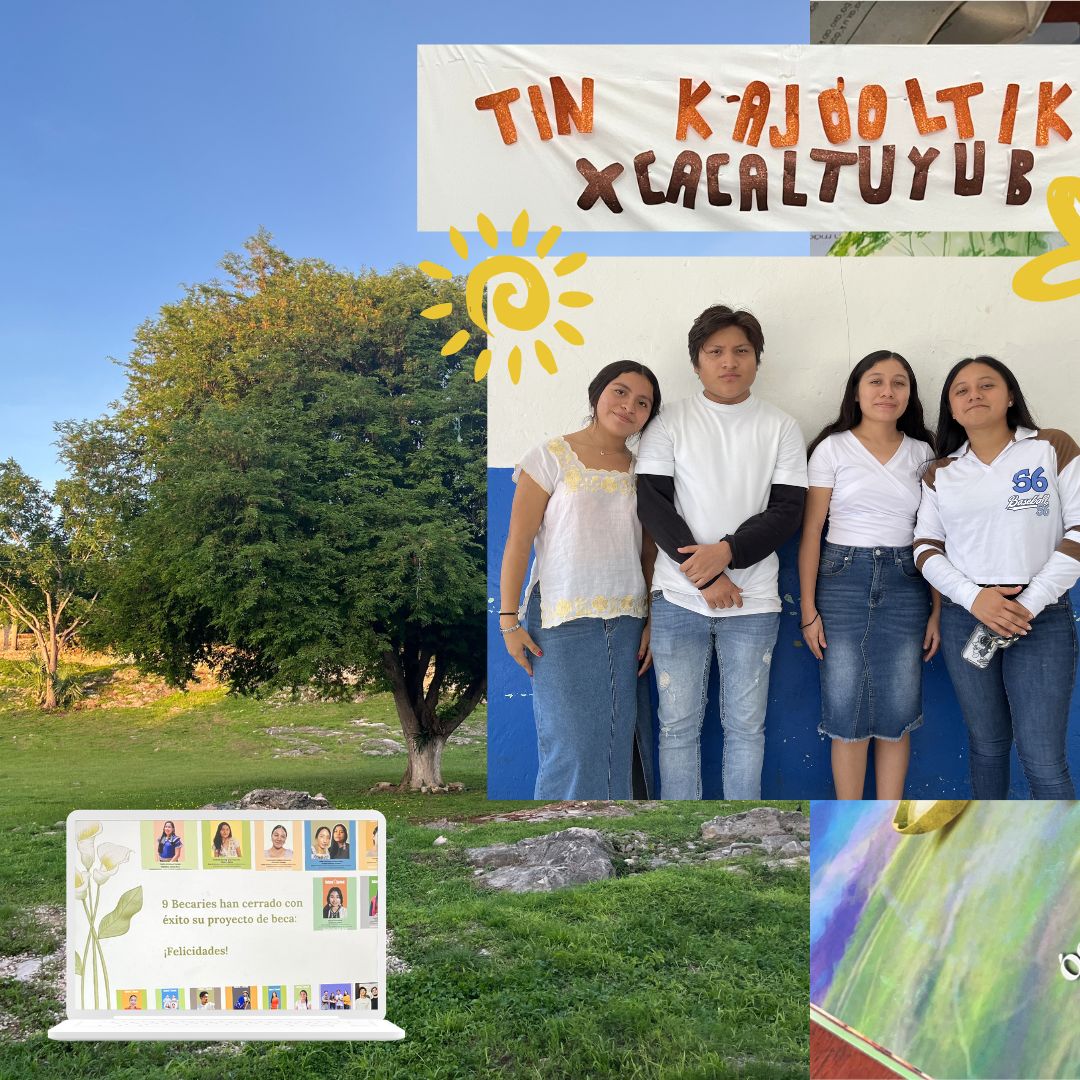
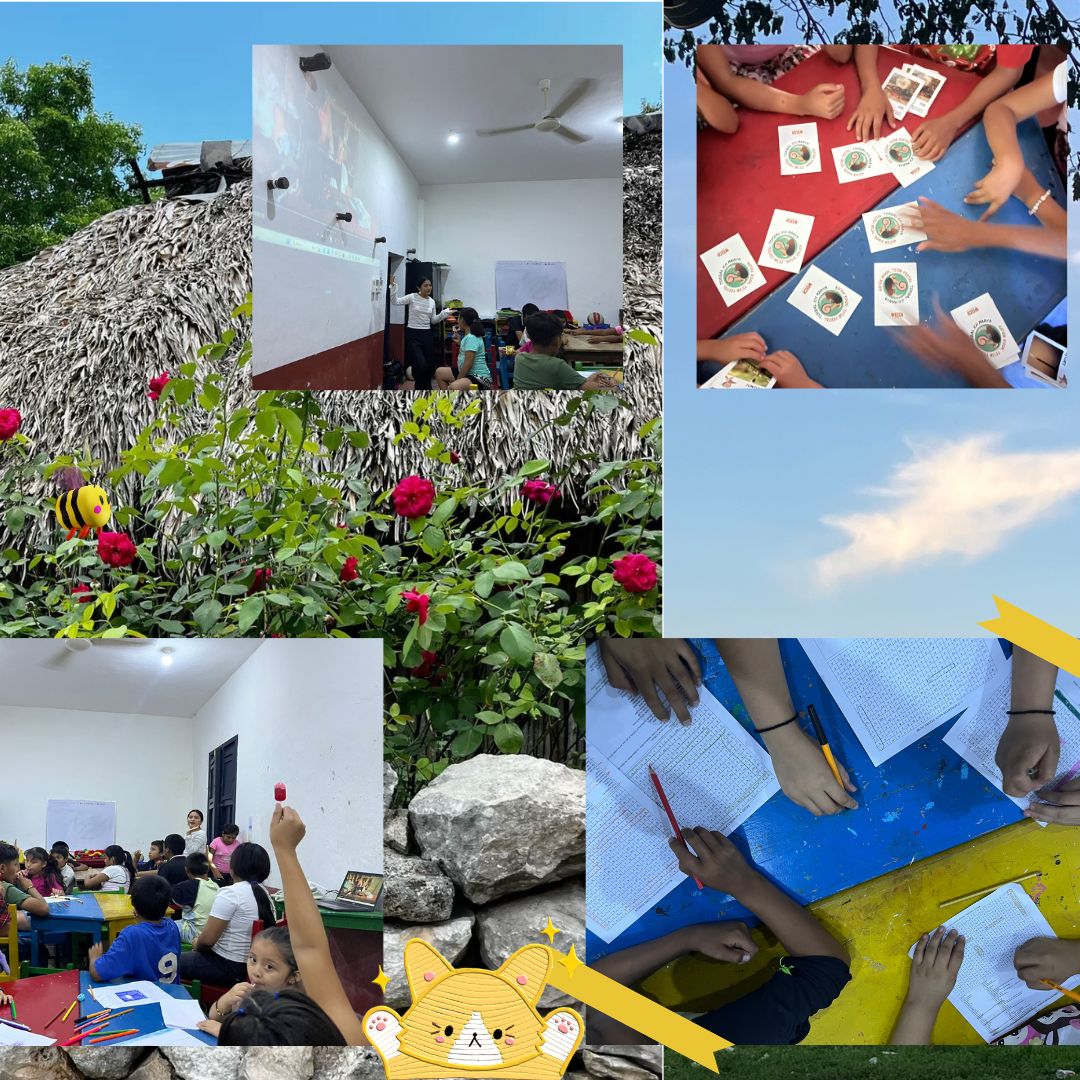
Hailing from Tixcacaltuyub, a rural Maya community in the Yucatán Peninsula of Mexico, Gabriela de los Ángeles Reyes Xix is a testament to the enduring spirit of her people. In this vibrant locale, the Maya language and deeply rooted cultural traditions continue to profoundly shape the fabric of daily life. Raised by her grandparents, Gabriela learned to speak Maya from a tender age, fostering an unshakeable connection to her community’s customs, rich narrative traditions, and collective wisdom. Currently pursuing a degree in Social Communication at the Universidad Autónoma de Yucatán, Gabriela adeptly merges her academic pursuits in communication, social change, and media with an unwavering commitment to the revitalization of Indigenous languages. Her active participation in Colectivo Weech, a university-based collective dedicated to destigmatizing the use of Maya in educational settings, has further solidified her resolve to preserve and promote her language.
While Tixcacaltuyub proudly maintains a strong continuum of cultural traditions – encompassing sustainable agriculture, the intricate art of hammock weaving, exquisite embroidery, and vibrant community celebrations – Gabriela has observed a concerning escalation of challenges impacting children and youth. The accelerated erosion of the Maya language, coupled with a dearth of educational spaces that genuinely center Indigenous knowledge and worldviews, poses a significant threat to the continuity of local identity and the preservation of community memory. A growing number of young individuals are becoming increasingly disengaged from their linguistic and cultural heritage, while formal education systems often fail to provide meaningful intercultural learning opportunities that are authentically rooted in Maya perspectives. The demographic data from the Yucatán indicates a concerning trend, with a significant percentage of Maya speakers residing in rural areas, and an alarming decline in younger generations’ fluency, a phenomenon observed in national census data over the past two decades.
In response to this critical juncture, Gabriela is actively establishing a community cultural space dedicated to fostering Maya language revitalization and the dissemination of local knowledge through engaging, participatory, and education-centric activities. Her multifaceted project includes the development of games entirely conceived and executed in Maya, audiovisual storytelling initiatives designed to meticulously document ancestral knowledge, and community gatherings that provide a vital platform for families to collectively reflect upon their traditions and their evolving identity. Children and youth will be integral participants in the creation of a community book, an undertaking that will feature photographs and Maya-language stories capturing their unique perspectives on family, sustenance, the natural world, and the rhythms of everyday life. Furthermore, Gabriela plans to launch a dedicated digital platform via Facebook, serving as a dynamic hub for sharing community-created content and fostering broader engagement with Maya language and culture. Through these carefully orchestrated activities, she aims to ignite a passion within younger generations, inspiring them to embrace their heritage with pride and to actively contribute to the preservation of their language and traditions for the enduring benefit of the future. This initiative, funded by a grant from a regional cultural foundation secured in late 2023, is slated for its initial community outreach and workshop phase in the latter half of 2024, with the digital platform expected to be operational by early 2025.
The Hill Tracts’ Harmony: Ukhing Nue Chak and the BIRDS Initiative
Ukhing Nue Chak, an Indigenous rights advocate and development practitioner, stands as a beacon of resilience within the Chak community of Bangladesh’s remote Bandarban Hill Tracts. Her unwavering commitment lies in the preservation of Indigenous knowledge systems and the fortification of community resilience. Ukhing operates at the crucial intersection of cultural preservation, the cultivation of sustainable livelihoods, and the empowerment of women. Through dedicated grassroots organizing and the implementation of community-based initiatives, she actively supports Indigenous women and youth in safeguarding their traditional practices while simultaneously forging pathways toward economic independence and long-term sustainability.
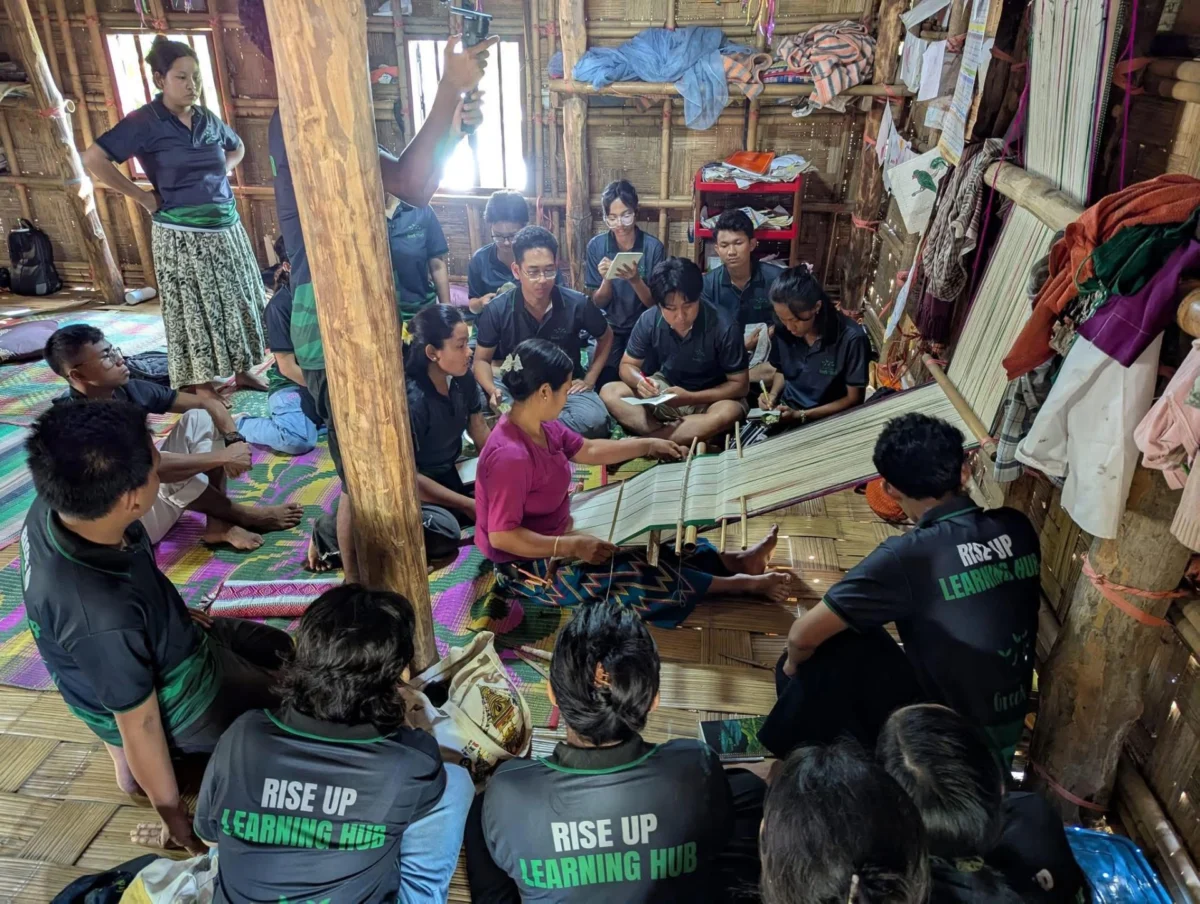
As an esteemed Executive Board Member of Green Milieu, an Indigenous youth-led organization, Ukhing collaborates closely with fellow organizers Ushing Mya, Puchainu Marma, and Chaw Way Marma. Together, they are spearheading vital environmental and cultural preservation initiatives that span the entire region. Their collaborative efforts have culminated in the development of BIRDS: Bandarban Indigenous Roots Development and Sustainability. This comprehensive project represents six distinct Indigenous communities residing in the Bandarban region: the Chak, Marma, Mro, Khyang, Tripura, and Tanchagya. These communities share profound cultural connections to the natural world and possess a rich heritage of craftsmanship, with a particular emphasis on weaving. However, many of these cherished traditions are precariously close to vanishing. Within the Khyang community, for instance, the intricate art of traditional weaving is now mastered by a mere two elderly women. Without immediate and concerted efforts to transfer this irreplaceable knowledge to younger generations, these cultural practices face the very real prospect of permanent extinction. Concurrently, Indigenous women in rural areas contend with severely limited economic opportunities, while a significant segment of youth are increasingly disconnected from their traditional ecological knowledge, ancestral languages, and their fundamental cultural identities.
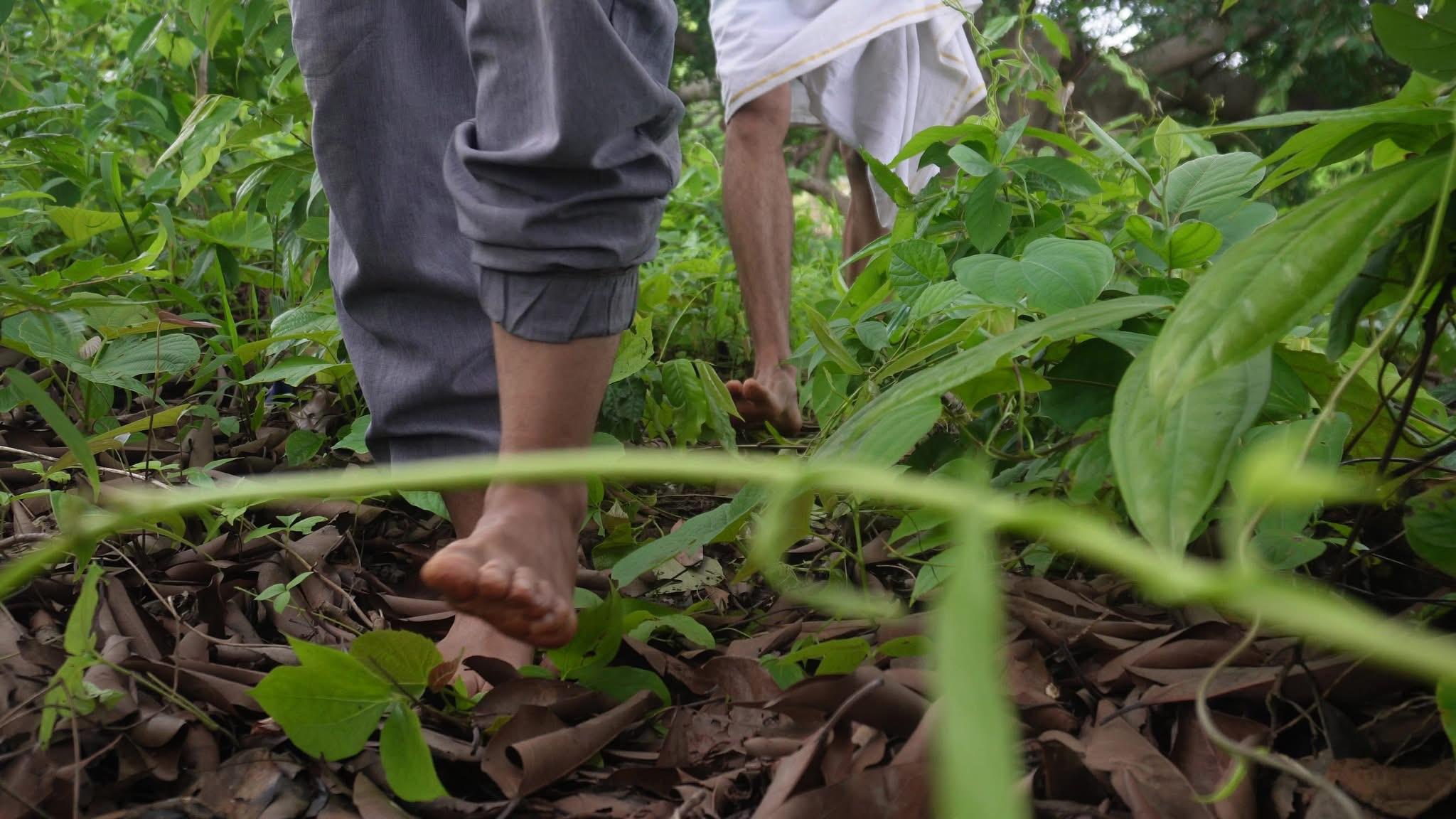
In direct and proactive response to these escalating challenges, Ukhing and her dedicated team are implementing a multifaceted project that masterfully blends cultural preservation, intergenerational learning, and the principles of sustainable entrepreneurship. This pivotal initiative provides specialized traditional weaving workshops tailored for women from all six Indigenous communities. These workshops not only empower participants to hone their weaving skills but also actively explore avenues for income generation and the achievement of financial independence. A crucial component of the project involves the meticulous creation of a cultural handbook, which will serve as an invaluable repository documenting traditional weaving techniques, the use of ancestral tools such as ‘ching domas’ and ‘kyaprang’, and the wealth of oral histories generously shared by the community elders. Complementing these efforts, quarterly ‘Barefoot Forest’ campaigns engage youth in immersive, nature-based learning activities that underscore the importance of traditional ecological knowledge, reinforce cultural identity, and foster essential leadership development. Furthermore, the project is dedicated to establishing a dedicated resource center, designed to serve as a vital nexus connecting Indigenous women artisans with local markets and tourist spaces. This center will provide a platform where they can effectively showcase and sell their exquisite woven products. By intentionally creating vibrant spaces for cultural learning, the sharing of profound stories, and the cultivation of entrepreneurship, Ukhing ardently hopes to ensure that Indigenous traditions not only endure but thrive, while simultaneously empowering women and youth to confidently carry their rich cultural heritage forward into a promising future. The BIRDS initiative, launched in 2023 with initial funding from a consortium of international NGOs focused on Indigenous development, has already seen the successful completion of its first phase of community needs assessments and the establishment of preliminary workshop structures. The resource center is slated for development in the next 18 months, with the aim of becoming a self-sustaining entity by 2027.
The collective efforts of Deniza Flores Orcko, Gabriela de los Ángeles Reyes Xix, and Ukhing Nue Chak, alongside countless other young Indigenous leaders globally, underscore a powerful and transformative trend. Their dedication to preserving and revitalizing ancestral knowledge is not merely an act of cultural preservation; it is a strategic imperative for ensuring community resilience, fostering self-determination, and building a more equitable and sustainable future for Indigenous peoples worldwide. The data from UNESCO and various anthropological studies consistently highlights the critical role of Indigenous languages and traditional knowledge in biodiversity conservation and sustainable development, further emphasizing the profound implications of these youth-led initiatives. The success of these projects, often achieved with limited resources but immense determination, serves as an inspiring testament to the enduring strength and adaptability of Indigenous cultures.