The landscape of global entertainment has undergone a seismic shift over the last decade, characterized by the transition from traditional broadcast media to subscription-based video-on-demand services. At the forefront of this transformation is Netflix, which has progressively curated a library of over 140 original series featuring prominent LGBTQ+ women and transgender characters. This strategic move toward inclusive storytelling is not merely a reflection of changing social mores but a calculated effort to capture a diverse global audience. By developing original content in-house or through exclusive partnerships, the streaming giant has ensured that its queer-inclusive programming remains available indefinitely across its international channels, circumventing the licensing hurdles that often see third-party content removed from the platform.
The Foundation of Inclusive Storytelling: 2013–2018
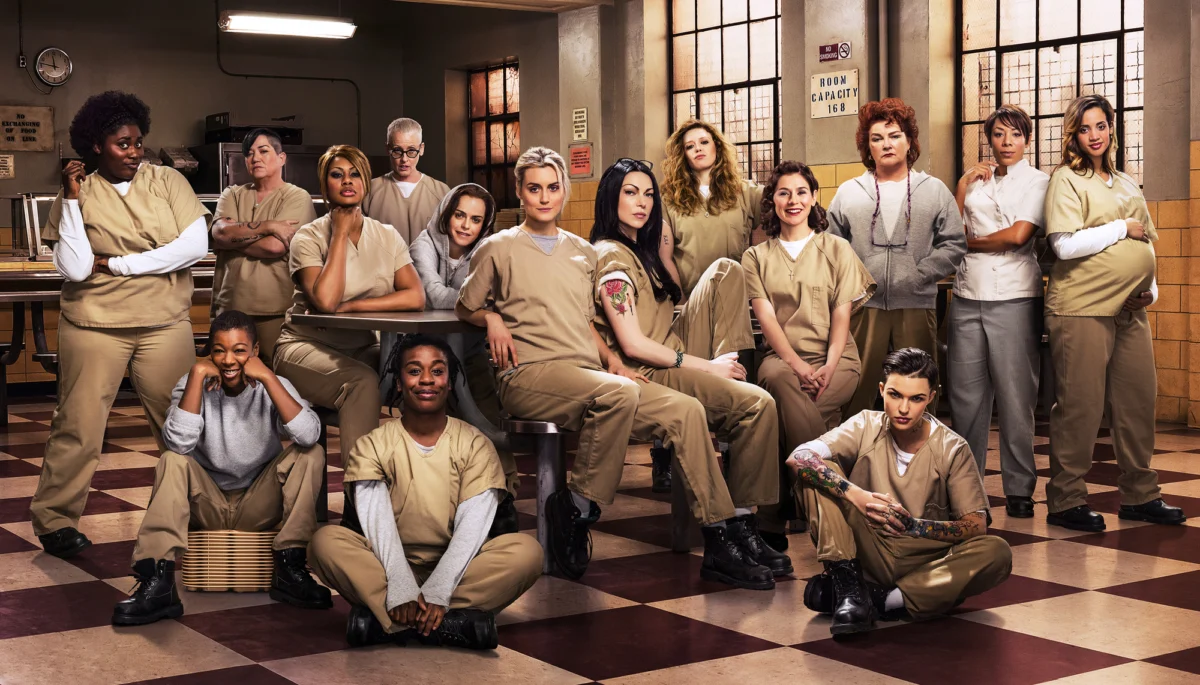
The trajectory of LGBTQ+ representation on Netflix was fundamentally altered in 2013 with the premiere of Orange Is the New Black. As one of the platform’s earliest forays into original scripted drama, the series utilized a bisexual protagonist to explore a multifaceted cast. The show was instrumental in bringing intersectional narratives to the mainstream, featuring a significant number of queer women of color and a breakthrough performance by Laverne Cox, a transgender woman playing a transgender character. Despite critical acclaim for its diverse casting and its critique of the American prison-industrial complex, the series also faced scrutiny for its handling of traumatic tropes, particularly following the controversial death of a beloved queer character in its fourth season. This event sparked broader industry discussions regarding the "Bury Your Gays" trope, a recurring theme in media where LGBTQ+ characters are disproportionately subjected to tragic endings.
Following the success of Orange Is the New Black, Netflix expanded its sci-fi and fantasy offerings with Sense8 (2014–2018). Created by the Wachowskis, the series featured an international cast of "sensates," including a transgender female character in an interracial lesbian relationship. The show was noted for its ambitious production, filming in locations across the globe, and its commitment to a pansexual worldview. Although canceled after two seasons due to high production costs, an intense fan campaign led to a feature-length finale in 2018, providing what many critics cited as a landmark happy ending for its queer protagonists.

The Rise of Young Adult and Animated Representation
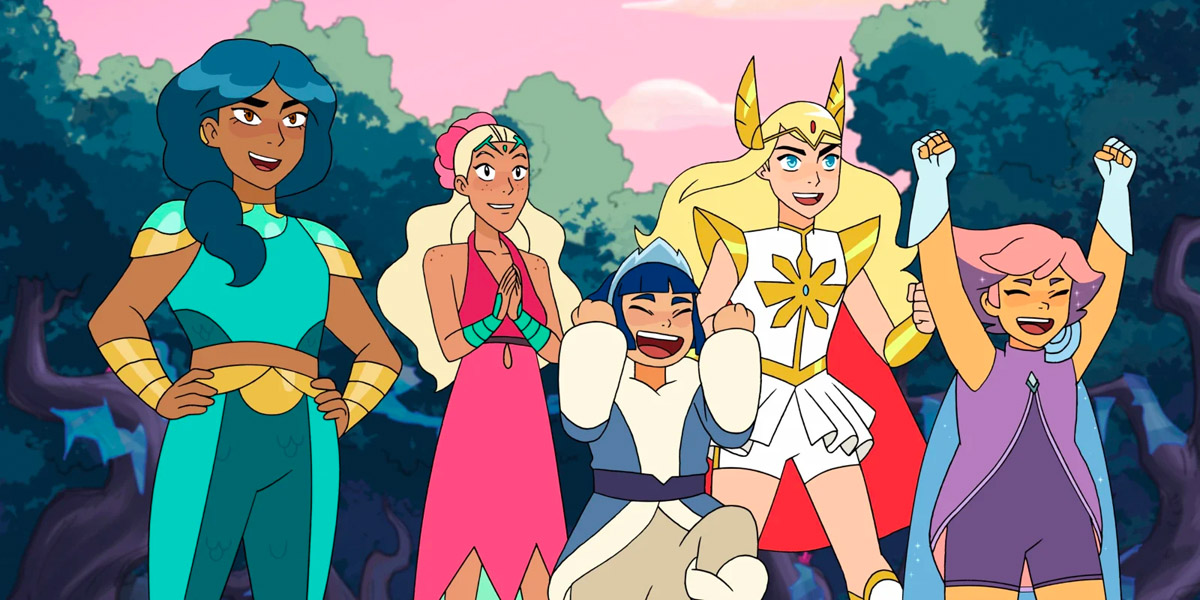
In the late 2010s, Netflix identified the Young Adult (YA) demographic as a key growth area, leading to the development of several series that normalized queer identities within high school settings. She-Ra and the Princesses of Power (2018–2020), a reimagining of the 1980s classic, became a cornerstone of LGBTQ+ animation. Showrun by ND Stevenson, the series integrated queer relationships and non-binary characters into its core narrative without making their identities the sole source of conflict.

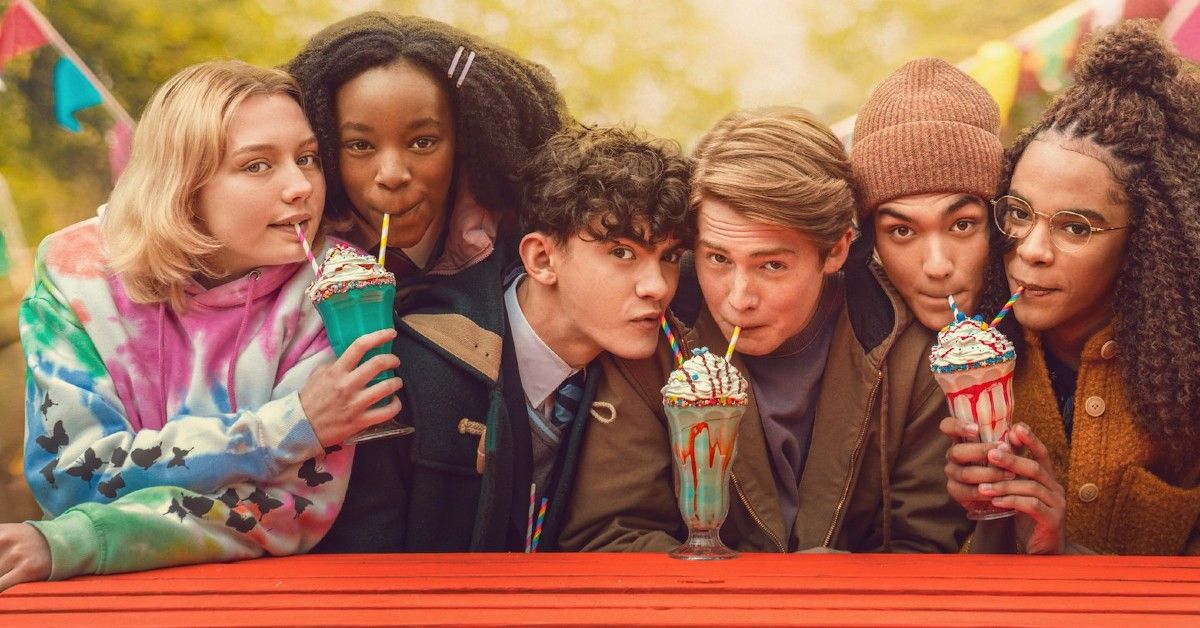
This trend continued with live-action hits such as Sex Education (2019–2023) and Heartstopper (2022–2026). Sex Education was praised for its frank and humorous approach to sexual health, eventually expanding its cast to include non-binary characters and exploring pansexuality. Meanwhile, Heartstopper, based on the graphic novels by Alice Oseman, provided a radical departure from the trauma-heavy queer narratives of the past. By focusing on "queer joy" and the burgeoning romance between high school students, the show became a cultural phenomenon, particularly for its inclusion of transgender actress Yasmin Finney.

Supporting data from GLAAD’s "Where We Are on TV" reports indicates that during this period, Netflix consistently outperformed its streaming competitors in the number of LGBTQ+ regular and recurring characters. This data underscores a corporate strategy that prioritizes "vibrancy and variety," as seen in the Australian series Heartbreak High (2022–2026), which features autistic queer representation and non-binary leads.

The Mike Flanagan Era: Queer Gothic and Psychological Horror
A significant portion of Netflix’s prestige LGBTQ+ content has emerged from its partnership with filmmaker Mike Flanagan. Beginning with The Haunting of Hill House (2018), Flanagan introduced Theo Crain, a lesbian character whose psychic abilities served as a metaphor for the hyper-vigilance often required of those raised in dysfunctional or oppressive environments.
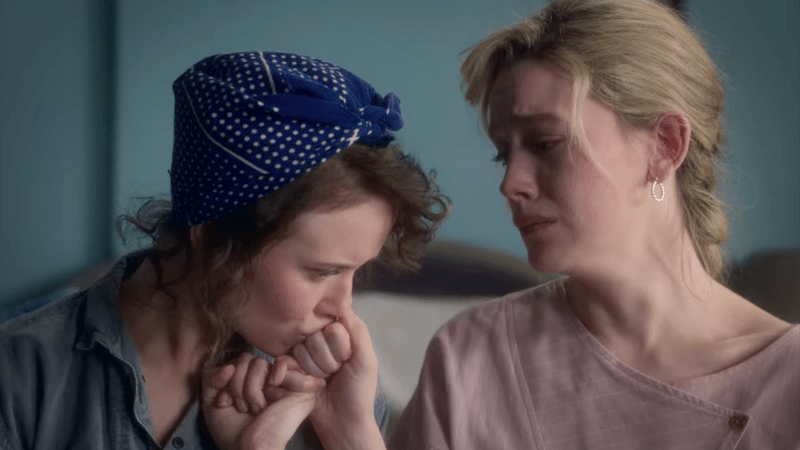
The subsequent limited series, The Haunting of Bly Manor (2020), was marketed as a ghost story but was fundamentally a "sapphic gothic romance." The central relationship between a live-in nanny and a gardener became the emotional core of the series, receiving praise for its nuanced portrayal of commitment and sacrifice. Flanagan’s final project for the platform, The Fall of the House of Usher (2023), further solidified this legacy by weaving Edgar Allan Poe’s macabre tales into a modern pharmaceutical dynasty drama where four of the six primary heirs are explicitly queer.
International Expansion and the Global Market
Netflix’s original programming strategy is inherently global, a fact reflected in its non-English language queer content. Spain’s Elite (2018–2024) and Valeria (2020–2025) have been instrumental in reaching European and Latin American markets. Elite, in particular, utilized the "sexy teen soap" format to explore blackmail, murder, and fluid sexuality across eight seasons. Similarly, the Mexican series La Casa de las Flores (2018–2020) and Rebelde (2022) integrated transgender and bisexual storylines into the traditional telenovela structure, marking a significant shift in Latin American media representation.
In 2026, Netflix signaled a new direction by acquiring several Thai "Girl’s Love" (GL) dramas. This genre, which evolved from the successful "Boy’s Love" (BL) industry in Thailand, features high production values and melodramatic narratives. Titles such as Affair, Chasing Love, and Reverse 4 You represent the platform’s effort to tap into the massive Southeast Asian market while providing western audiences with fresh sapphic content.

Chronology of Major LGBTQ+ Netflix Originals (2013–2025)
- 2013: Orange Is the New Black premieres, establishing the blueprint for streaming diversity.
- 2014: Sense8 debuts, pushing the boundaries of global sci-fi and pansexual representation.
- 2017: Dear White People and One Day at a Time introduce intersectional queer narratives in comedy formats.
- 2018: Everything Sucks! and She-Ra debut; Everything Sucks! is canceled after one season, sparking a debate over the "one-season" phenomenon for lesbian-led shows.
- 2019: The Umbrella Academy and Sex Education premiere; Elliot Page’s character later transitions in tandem with the actor’s real-life coming out.
- 2020: The Haunting of Bly Manor and Feel Good highlight queer intimacy and mental health.
- 2022: Heartstopper and First Kill premiere; the cancellation of the latter after one season leads to significant social media backlash regarding the perceived lack of support for wlw (women-loving-women) content.
- 2023: The Fall of the House of Usher and Survival of the Thickest emphasize queer community and family dynamics.
- 2024: Baby Reindeer and Bodkin explore the intersection of trauma, bisexuality, and investigative journalism.
- 2025: Release of The Hunting Wives, Wayward, Long Story Short, and The Beast in Me, marking a shift toward high-concept thrillers and prestige adult dramas.
Broader Impact and Industry Implications
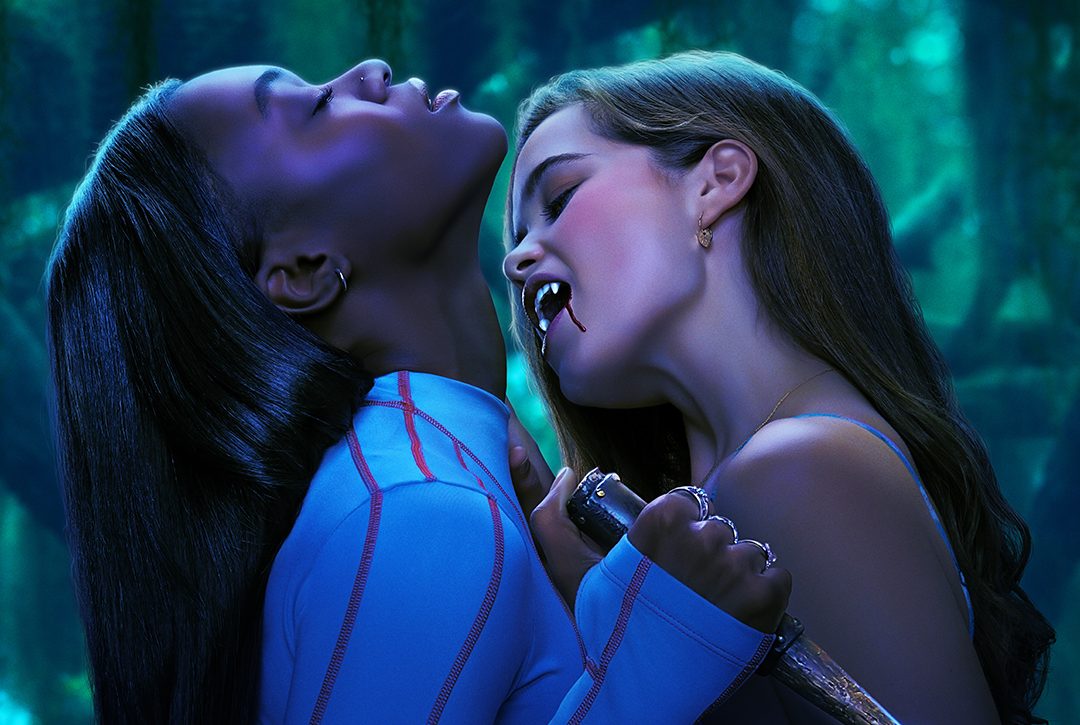
The proliferation of LGBTQ+ content on Netflix has had profound implications for the television industry. By proving that diverse stories can achieve global commercial success, Netflix has forced traditional networks to reconsider their programming strategies. However, the platform’s data-driven approach to cancellations remains a point of contention. Shows like First Kill, Warrior Nun, and Teenage Bounty Hunters were all canceled after their first or second seasons despite having highly engaged queer fanbases.
Industry analysts suggest that while Netflix provides a platform for more LGBTQ+ characters than any other service, the "churn" of content often prevents these shows from reaching a definitive conclusion, a frustration cited by many viewers. Nevertheless, the presence of these shows in over 190 countries—including regions where LGBTQ+ rights are restricted—serves as a critical tool for visibility.

Official Responses and Creative Visions
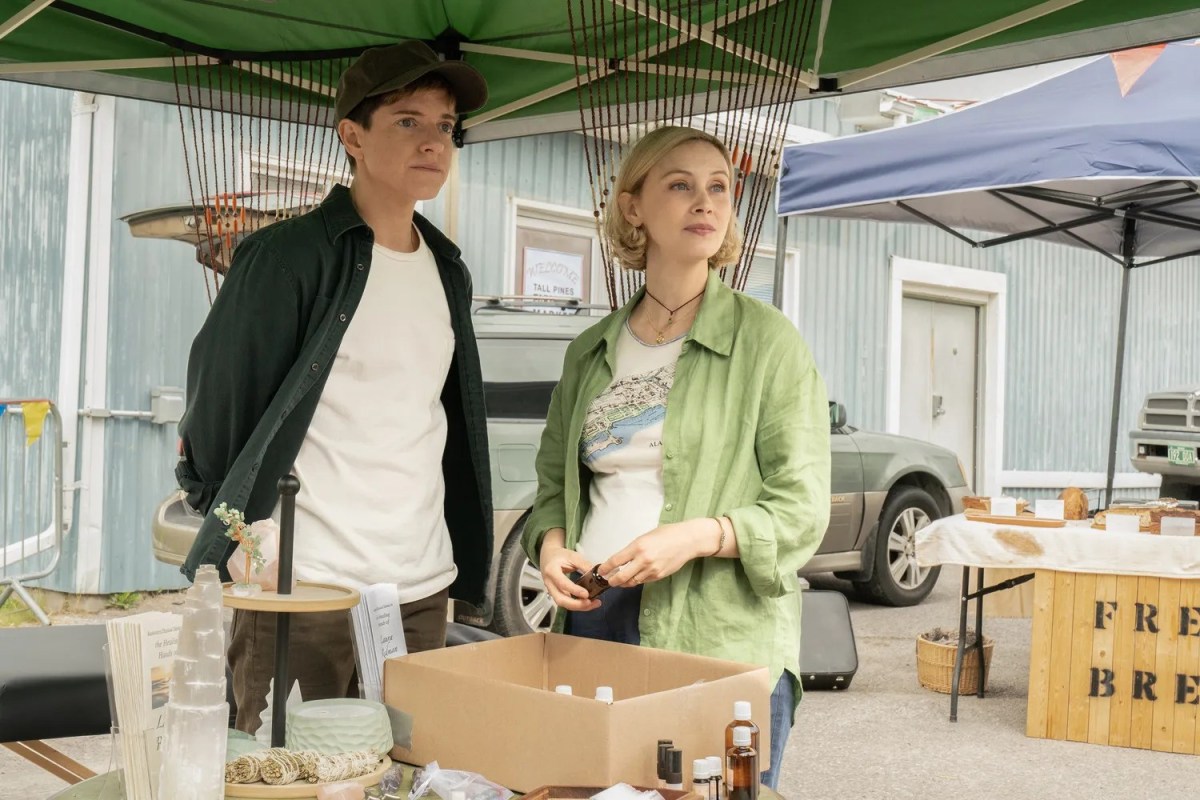
Creators working with Netflix have often cited the platform’s "creative freedom" as a primary draw. Alice Oseman, creator of Heartstopper, noted that the partnership allowed for a faithful adaptation that prioritized the emotional well-being of its young audience. Similarly, Mae Martin, creator and star of Feel Good and the upcoming Wayward, has emphasized the importance of telling messy, complicated queer stories that move beyond simple "coming out" narratives.
Netflix executive leadership has frequently defended the platform’s commitment to diversity during quarterly earnings calls. Bela Bajaria, Netflix’s Chief Content Officer, has stated that the goal is to reflect the lives of their members worldwide. "When people see themselves on screen, they feel more connected to the service," Bajaria remarked in a 2023 industry summit.

As the digital streaming market enters a more mature phase, the focus for Netflix appears to be shifting from sheer volume to high-quality, genre-diverse offerings. With the inclusion of Thai GL dramas and prestige limited series like The Beast in Me, starring Claire Danes as a lesbian writer, the platform continues to refine its role as a central hub for LGBTQ+ storytelling in the 21st century.