The landscape of LGBTQ+ representation in mainstream media is currently undergoing a significant transition, marked by the expansion of established intellectual properties and the conclusion of critically acclaimed series that have defined queer visibility for the current decade. This week, several high-profile developments across social media and official production channels have highlighted the evolving nature of queer storytelling, ranging from the cinematic adaptation of Hayley Kiyoko’s seminal work to the emotional series wrap of the multi-Emmy-winning program Hacks. These milestones reflect a broader trend in the entertainment industry where queer narratives are increasingly being granted the production value and prestige formerly reserved for heteronormative "prestige" projects.
The Cinematic Evolution of Girls Like Girls
A primary focal point of recent industry attention is the progress of the motion picture adaptation of Girls Like Girls. Originally released as a music video in 2015, the song became a cultural touchstone for a generation of queer youth, garnering over 150 million views on YouTube and establishing Hayley Kiyoko as a central figure in contemporary LGBTQ+ pop music. The project’s trajectory from a five-minute music video to a 2023 bestselling Young Adult novel, and now to a major motion picture, represents a rare example of a queer-coded musical work expanding into a multi-media franchise.
The recent revelation of an orchestral arrangement for the film’s score suggests a shift toward a more dramatic and cinematic tone for the adaptation. In the context of film production, the utilization of a full orchestra typically indicates a higher budget and an aspiration for "awards-season" production quality. This development is significant as it elevates the source material—often categorized as teen-oriented pop—into the realm of serious cinematic drama. Industry analysts suggest that the success of the Girls Like Girls film could pave the way for other music-based queer narratives to receive similar high-level adaptation treatments.
The Cultural Legacy and Conclusion of Hacks
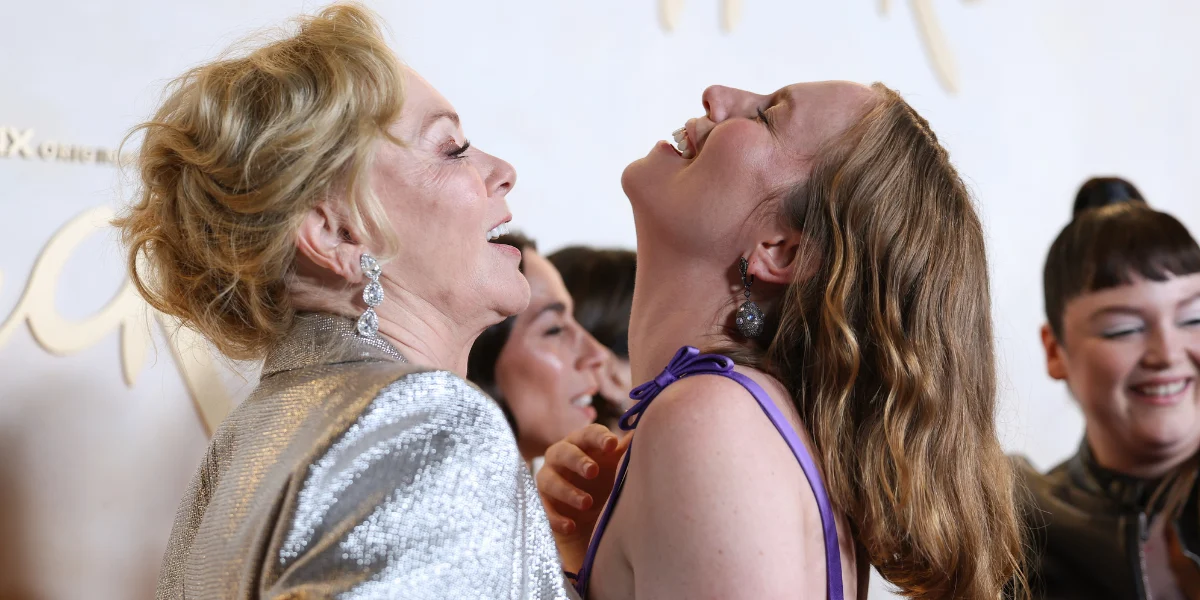
Simultaneously, the television industry is preparing for the conclusion of Hacks, the Max original series that has been instrumental in exploring intergenerational queer and feminist dynamics. As the production of the final season concludes, lead actors Hannah Einbinder and Meg Stalter have signaled the end of an era through documented farewells to the production. Since its debut in 2021, Hacks has been lauded for its nuanced portrayal of bisexual identity through the character of Ava Daniels (Einbinder) and its satirical yet empathetic look at the comedy industry.
The show’s conclusion comes at a time when the "prestige queer comedy" genre is seeing a contraction in streaming services. According to GLAAD’s 2023-2024 "Where We Are on TV" report, while LGBTQ+ representation remains present, the cancellation of long-running series often leaves a void that new productions struggle to fill. The emotional responses from the cast—including Stalter and Einbinder—underscore the rarity of working on a set that prioritizes queer perspectives both in front of and behind the camera. The series’ legacy will likely be defined by its ability to bridge the gap between the "pioneer" generation of female comedians and the modern, more fluid landscape of contemporary entertainment.
Cross-Generational Collaborations: Gillian Anderson and Hannah Einbinder
Further illustrating the integration of queer icons into mainstream thriller and drama genres is the upcoming collaboration between Gillian Anderson and Hannah Einbinder in the second season of Netflix’s The Night Agent. Anderson, who has maintained "icon" status within the LGBTQ+ community since her roles in The X-Files and The Fall, represents an established guard of queer-coded and openly queer performance. Her pairing with Einbinder, a rising star in the community, is viewed by critics as a strategic move by Netflix to capitalize on the "overlapping fandoms" of different generations.
This collaboration is part of a larger trend where established stars with significant queer followings are paired with new-wave queer celebrities to drive engagement on streaming platforms. The press tour for this project is anticipated to be a major cultural event within the community, highlighting the professional synergy between two actors who represent different eras of visibility.
Reality Television and the Mainstream Visibility of Non-Binary Artists
In the realm of reality television and music, G Flip and Chrishell Stause continue to serve as high-profile examples of queer visibility within mainstream commercial spaces. G Flip, a non-binary Australian musician, has recently seen a surge in American market penetration, partly due to their presence on the reality series Selling Sunset alongside spouse Chrishell Stause.
The public’s fascination with their relationship and individual style choices—ranging from G Flip’s signature streetwear to Stause’s recent aesthetic shifts—points to a normalization of queer identities in genres that were historically conservative, such as luxury real estate reality TV. The "viral" nature of their public appearances demonstrates how social media and reality television work in tandem to maintain the relevance of queer public figures outside of their primary artistic outputs.
Historical Reimagining and the "Queering" of Period Dramas
The discourse surrounding period dramas, specifically The Gilded Age, also reflects a shift in how audiences consume historical narratives. The character of Aunt Ada, portrayed by Cynthia Nixon—herself an outspoken member of the LGBTQ+ community—has become a subject of fan-led "headcanon," where audiences interpret historical characters through a queer lens regardless of the explicit script.
This phenomenon, often referred to as "queer reading," has become a powerful tool for modern audiences to claim space in historical settings where queer people were historically erased. The fact that actors like Nixon are involved in these productions adds a layer of meta-textual resonance that modern viewers find particularly compelling. This trend suggests that the future of period dramas may involve more explicit queer storylines as producers recognize the demographic’s interest in historical representation.
Data-Driven Insights into Queer Media Consumption
The economic viability of these projects is supported by recent consumer data. A 2023 report by Nielsen indicated that LGBTQ+ audiences are 25% more likely to use streaming services than the general population and are significantly more likely to engage with brands that feature inclusive advertising. This data explains why platforms like Max, Netflix, and Disney+ continue to invest in creators like Hayley Kiyoko and shows like Hacks despite broader industry belt-tightening.
Furthermore, the "social media amplification" effect—where queer celebrities like Sarah Paulson or Meg Stalter generate high engagement through candid interactions—serves as a cost-effective marketing tool for their professional projects. The public’s interest in the personal lives and "inner circles" of these celebrities translates directly into viewership for their films and television series.
Broader Implications for Hollywood’s Diversity Mandates
The intersection of these various news items points toward a broader implication for Hollywood. Diversity is no longer being treated as a peripheral "niche" but as a core component of franchise building and prestige programming. The evolution of Girls Like Girls from a song to a film, the critical success of Hacks, and the mainstreaming of non-binary artists like G Flip suggest that the industry is moving toward a model where queer identity is integrated into the "mainstream" rather than being relegated to "special interest" categories.
However, the conclusion of major series like Hacks also raises questions about the sustainability of these narratives. As the industry shifts toward shorter season orders and more frequent cancellations, the ability for queer stories to develop long-term cultural footprints becomes more challenging. The success of upcoming projects, such as the Girls Like Girls film and the second season of The Night Agent, will be crucial in proving that queer-led content can maintain consistent commercial and critical momentum.
In summary, the current week in queer media news highlights a period of both celebration and transition. While the end of beloved series marks a moment of reflection, the expansion of new franchises and the high-profile collaboration of cross-generational icons suggest a robust future for LGBTQ+ representation in the global entertainment market. The shift toward higher production values, as seen in the orchestral scoring of queer narratives, signals that the industry is finally recognizing the "prestige" potential of these stories, moving them from the periphery of pop culture to its very center.