By Verónica Aguilar (Mixteca, CS Staff)
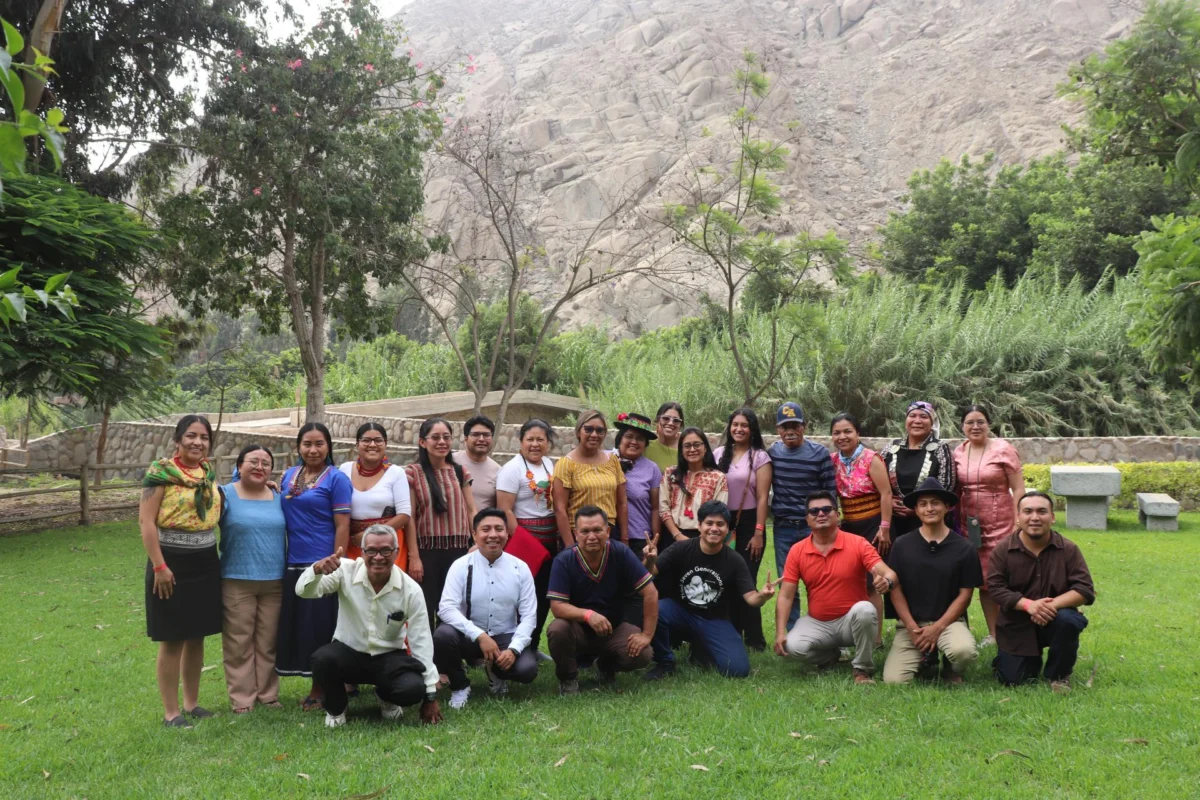
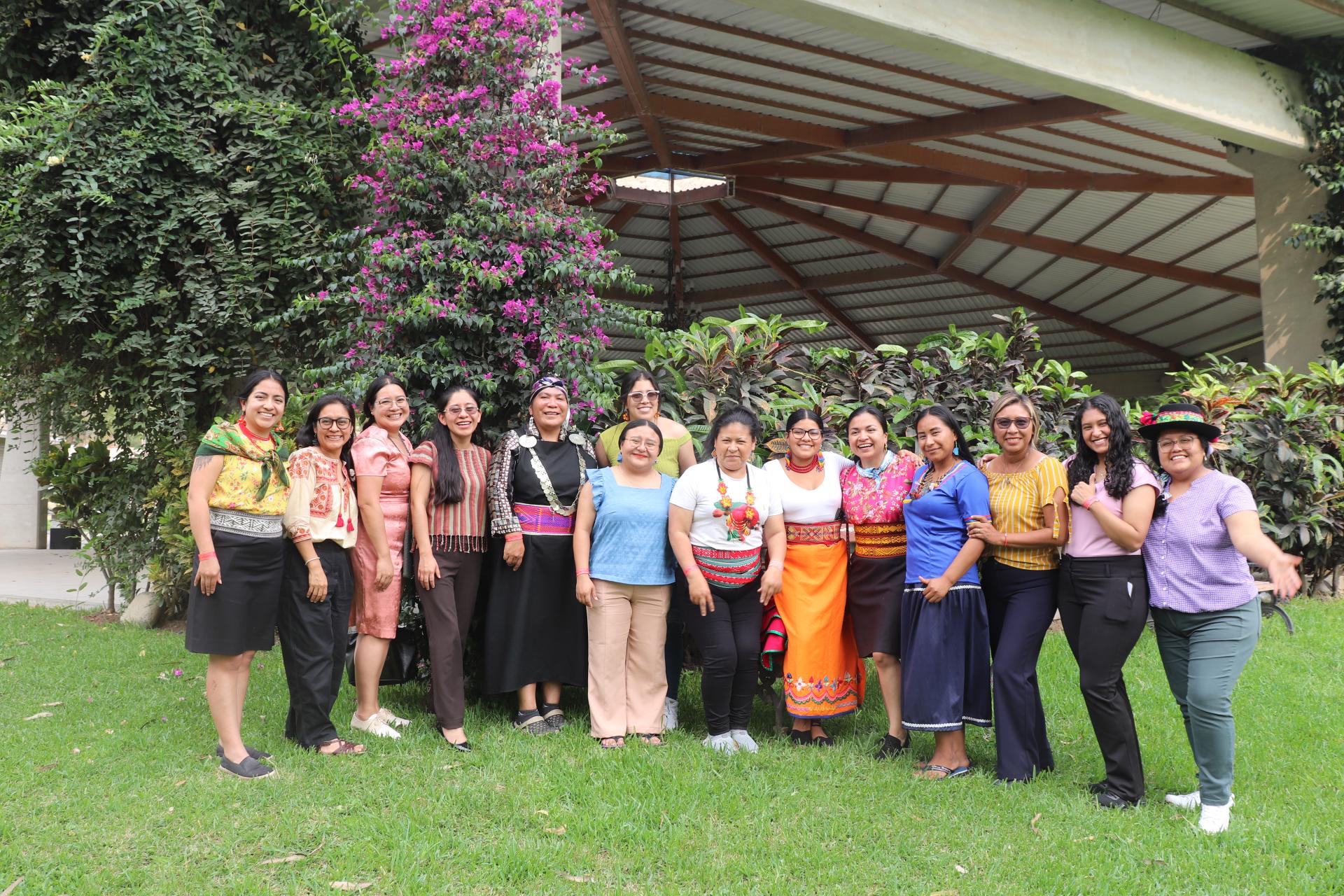
In a significant move to bolster Indigenous linguistic diversity and preservation efforts, Cultural Survival hosted its third Language Projects Gathering in Cieneguilla, Peru, from February 28 to March 2, 2026. This pivotal event brought together a dedicated cohort of partners from the Keepers of the Earth Fund program and emerging leaders from Cultural Survival’s Youth Fellowship program. Participants, hailing from diverse Indigenous backgrounds across Latin America, united under a shared mission: to champion the revitalization and transmission of their ancestral languages. Their collective work spans critical areas such as pedagogical approaches to teaching Indigenous languages as both primary and secondary tongues, ensuring language learning is embedded within culturally relevant contexts, and the development of engaging linguistic materials for educational and recreational purposes.
A Legacy of Language Support
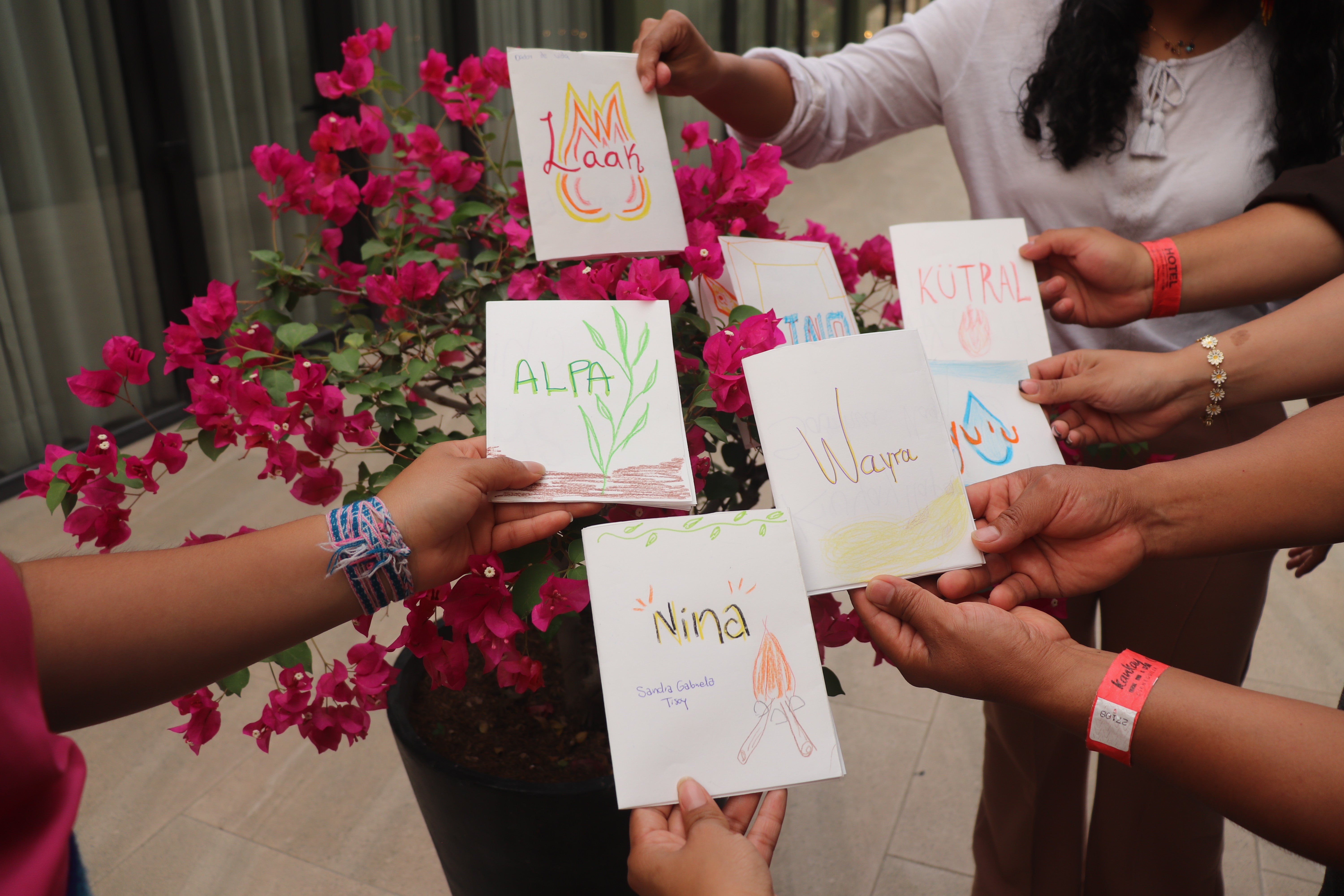
The 2026 gathering builds upon Cultural Survival’s sustained commitment to Indigenous language rights, a commitment evidenced by previous landmark events. The organization hosted a virtual conference in 2021 titled "Restoration and Protection of Our Native Languages and Landscapes," which addressed the interconnectedness of linguistic and environmental preservation. This was followed by the 2023 "Exchange and Convention of Grassroots Language Projects," an initiative that fostered dialogue and collaboration among community-based language initiatives. The 2026 gathering was specifically designed to create a focused, regional exchange space for Latin America, prioritizing practical application and hands-on learning. A substantial portion of the event was dedicated to intensive workshops, interactive dialogues, and demonstrative presentations that allowed participants to share and learn from each other’s experiences. Recognizing the importance of resource sharing, dedicated sessions facilitated the exchange and potential reuse of linguistic materials, including the innovative "cartonero" books—locally produced, often recycled-material publications that democratize access to printed matter in Indigenous languages.
Key Contributions and Innovative Methodologies
The gathering featured a rich tapestry of presentations and discussions, highlighting cutting-edge strategies for Indigenous language revitalization. Educator Ninari Chimba Santillán delivered a compelling talk on the decolonization of Indigenous education, emphasizing the need to reclaim and indigenize pedagogical frameworks. Tajew Díaz Robles provided valuable insights into language planning and the strategic coordination of numerous small-scale projects to achieve overarching linguistic goals.
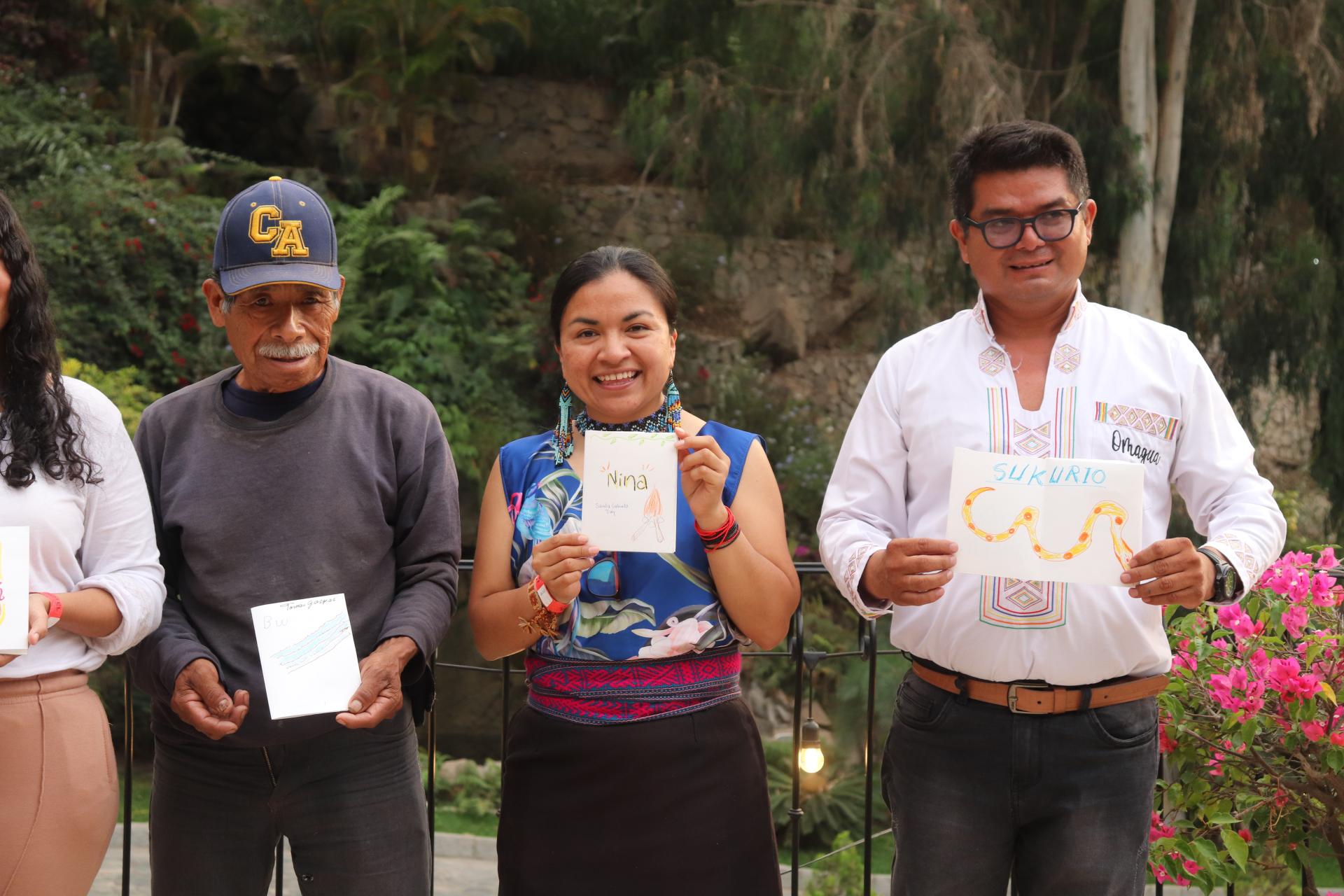
Several key partner organizations showcased their impactful work. Colectivo Ayents, the Comité Cultural Ayoquezco, and the Comité de Revitalización de la Lengua Originaria Omagua shared diverse strategies for language teaching, adapting their methods for various community settings, from formal classrooms to informal gathering spaces. The Organization of Kichwa Communities of Loreto (OCKIL) demonstrated a highly effective approach to language instruction by integrating Kichwa music, illustrating the power of cultural art forms in linguistic transmission. The Tuteayen Tsesungun collective elaborated on their successful model of language immersion retreats, a method proven to accelerate language acquisition and foster deep cultural connection.
Empowering Language Educators Through Skill-Building
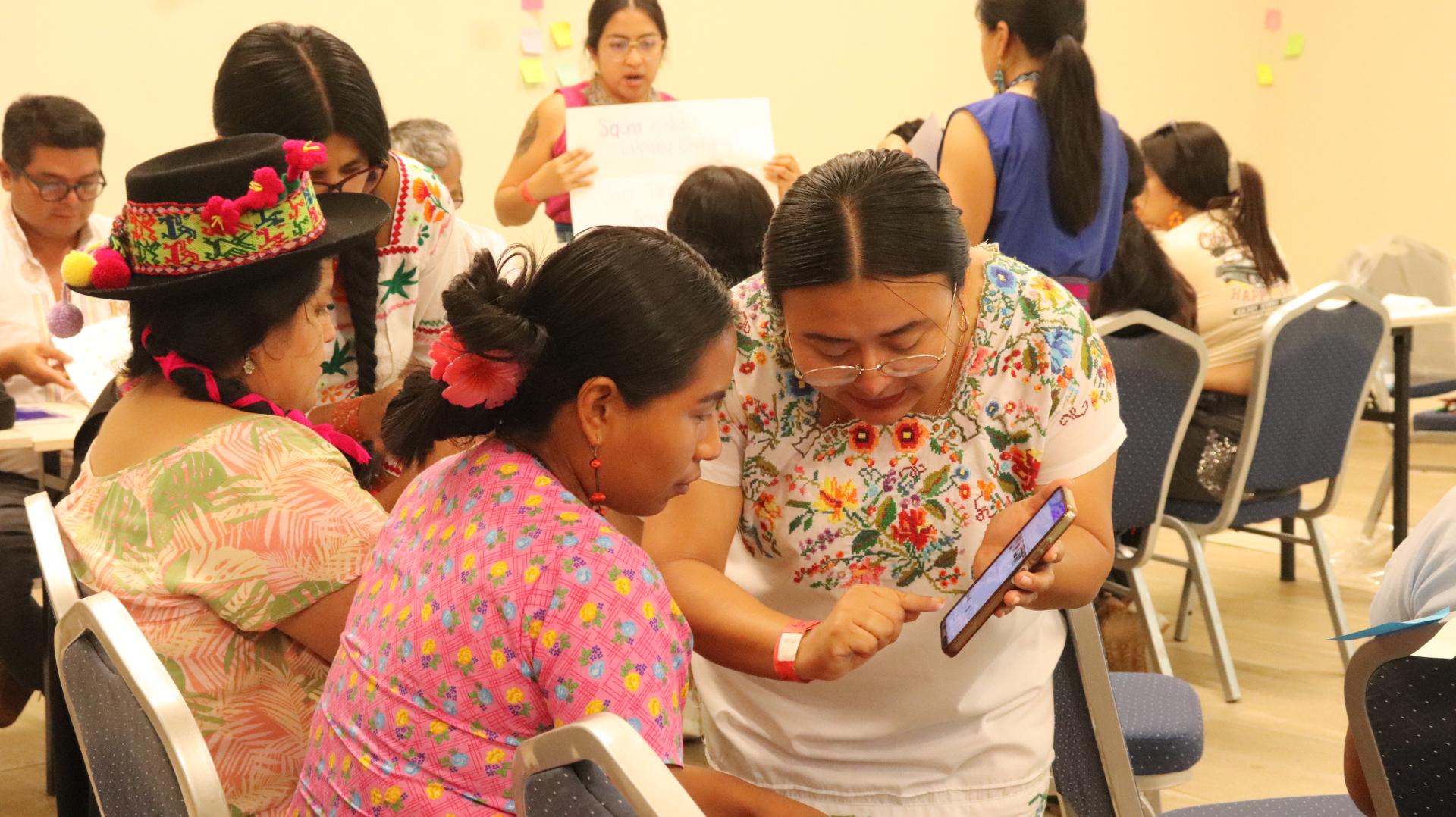
The workshops at the 2026 gathering were meticulously designed to equip participants with practical skills and tools essential for their language work. Core topics included linguistic documentation, a crucial element for preserving endangered languages; effective fundraising strategies to secure resources for ongoing projects; image editing for the creation of visually engaging materials; and the development of both digital and physical resources. A significant focus was placed on leveraging digital tools, with a notable emphasis on platforms like Story Weaver, which empowers creators to develop and share multilingual stories.
A particularly celebrated workshop was dedicated to the Puriyninchik initiative, which focuses on the creation of "cartonero" books and other readily available materials. This hands-on session underscored the principles of self-publishing and community-based publishing, enabling projects to rapidly expand their output of materials in Indigenous languages. This approach not only democratizes the creation of linguistic resources but also fosters a sense of ownership and agency within communities.
Throughout the gathering, participants actively engaged in presenting and demonstrating their unique strategies, tools, and methodologies, always contextualized within their specific territories and the distinct needs of their languages and peoples. Post-event evaluations revealed a strong commitment from attendees to integrate the learned skills—such as game-based learning, cardboard bookmaking, linguistic landscape mapping, and the utilization of platforms like Story Weaver—into their ongoing projects. This indicates a direct and practical impact of the gathering on the ground.
The Urgent Need for Linguistic Preservation
The revitalization of Indigenous languages is a critical undertaking, directly linked to the cultural survival and self-determination of Indigenous peoples. Globally, an estimated 40% of Indigenous languages are at risk of extinction, with many facing severe endangerment due to historical assimilation policies, globalization, and limited intergenerational transmission. The Keepers of the Earth Fund, a program administered by Cultural Survival, plays a vital role in addressing this crisis by providing direct financial and technical support to Indigenous-led initiatives that work to preserve and revitalize their languages, cultures, and traditional knowledge systems.
The methodologies shared at the Cieneguilla gathering reflect a growing understanding of the multifaceted nature of language revitalization. It is not merely about teaching grammar and vocabulary; it encompasses the creation of a vibrant linguistic ecosystem where the language is spoken, used, and valued in all aspects of life. This includes education, media, governance, and daily community interactions. The emphasis on culturally relevant contexts and community-based material creation ensures that language learning is not an abstract academic exercise but a living, breathing part of cultural continuity.
Looking Ahead: Sustaining Momentum
Cultural Survival’s ongoing commitment to supporting Indigenous peoples in their efforts to maintain and promote their languages remains steadfast. The organization continues to advocate for Indigenous language rights across all spheres of community life. Future initiatives will focus on expanding learning and funding opportunities for the dedicated teams who are at the forefront of teaching and strengthening their languages. This support will extend to various settings, including educational institutions, family environments, public spaces, and through engagement with language policy development. The success of the 2026 Language Projects Gathering underscores the vital importance of fostering these collaborative spaces, which empower Indigenous communities to safeguard their linguistic heritage for generations to come. The shared knowledge and practical skills gained in Cieneguilla are expected to ripple outwards, strengthening the global movement for Indigenous language revitalization.
The implications of these revitalization efforts extend far beyond linguistic preservation. Indigenous languages are repositories of unique worldviews, traditional ecological knowledge, and cultural identities. Their loss represents an irretrievable diminishment of global human diversity. By supporting these grassroots initiatives, Cultural Survival and its partners are not only preserving languages but also contributing to the resilience, well-being, and self-determination of Indigenous peoples worldwide. The collaborative spirit fostered at the gathering promises to accelerate progress and create a more vibrant future for Indigenous languages across Latin America and beyond.