The desperate call to 911 by Quette, a mother overwhelmed by the demands of caregiving for her teenage son, marked the beginning of a prolonged and heartbreaking ordeal. Her son, who had been paralyzed after a shooting in 2023, was found struggling to breathe in their Illinois home, a chilling indicator of the immense strain on his caregivers. This incident, initially a plea for immediate medical assistance, spiraled into a months-long hospital stay for the teenager, even after his acute medical needs were met. This case, anonymized to protect the family’s privacy, is a stark illustration of a pervasive and deeply troubling issue: children being held in hospitals long after they are medically cleared for discharge, a phenomenon commonly referred to as "hospital boarding" or "social stays."
The Unraveling of Home Care
Quette recounted the harrowing experience of her son’s condition deteriorating at home, exacerbated by an apparent infection that left him drenched in sweat and struggling to regulate his temperature. He had even resorted to using the oven for warmth, a desperate measure born out of necessity. The realization that she and her son’s grandmother, who was his legal guardian, could no longer adequately manage his complex medical needs at home was a devastating blow. Their efforts to secure essential support, such as a home health aide to manage his wounds, were met with accusations of neglect by hospital officials. "They were like, ‘Well, y’all almost killed him,’" Quette recalled, a sentiment that underscored the profound sense of isolation and failure she experienced.
The weight of responsibility became unbearable for Quette. "I had to give up. I just couldn’t take care of him anymore," she admitted. "It was just a lot on me. It was something that I was not ready for." This admission highlights the immense emotional and physical toll that intensive caregiving can take, particularly when systemic support structures are insufficient.
The Systemic Stalemate: Hospital Boarding Explained
Following the emergency hospitalization and stabilization of her son’s immediate medical condition, the family’s crisis deepened. With his grandmother, his legal guardian, having passed away, the teenager became a ward of the state. Instead of being transitioned to a safe and appropriate community-based setting, he remained in a St. Louis children’s hospital, a victim of what is now widely recognized as "social stays." This practice, where children are kept in hospitals beyond the point of medical necessity, has become a significant challenge for officials across numerous states, including Missouri, Illinois, Minnesota, and Georgia. The core of the problem lies in the acute shortage of suitable placement options for children with complex medical, behavioral, or developmental needs.
The broader context of child welfare reveals a nationwide struggle to find adequate homes for foster children. This issue has manifested in alarming ways, with children reportedly spending nights in unconventional locations such as casino hotels in Nevada and office buildings in Georgia and Maryland. This phenomenon, often dubbed "hoteling," underscores the severe deficit in safe and stable housing for vulnerable youth. When a child’s needs extend beyond basic shelter to include specialized medical care, hospitals inadvertently become the default holding facilities.
The Multifaceted Needs of Boarded Children
The population of children caught in this bureaucratic limbo is diverse, often presenting with a complex array of challenges. Many grapple with significant mental health or behavioral issues, while others have chronic physical conditions or disabilities that require specialized equipment, technology, and ongoing support. The absence of these resources in community settings forces them to remain in acute care hospitals, where their presence contributes to overcrowding and strains hospital resources.
Dr. Elaine Lin, a pediatrician at Boston Children’s Hospital and chair of the American Academy of Pediatrics’ Section on Home Care, described the situation as a "national problem." She elaborated, "Every state has different options in terms of where kids can go post-acute care. But in general, there’s many of our kids with medical complexity who just don’t have access to the appropriate home nursing to bring them home safely." This shortage of specialized home care is a critical bottleneck, preventing timely discharges and contributing to extended hospital stays.
Legislative Efforts and Mounting Costs
The severity of the hospital boarding crisis has prompted legislative action in affected states. Missouri lawmakers, for instance, have repeatedly introduced bills aimed at significantly reducing and eventually eliminating the practice of hospital boarding for children. These legislative attempts, while well-intentioned, have faced significant hurdles.
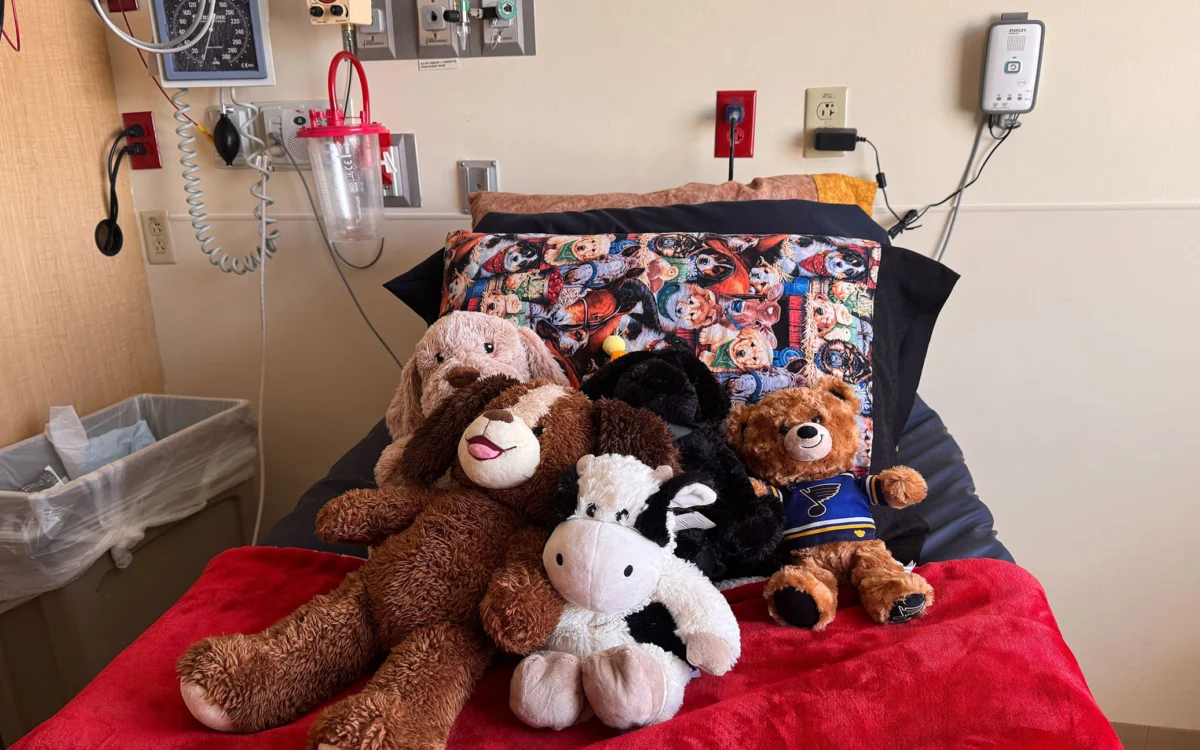
Quette’s son, while awaiting state placement, occupied a private hospital room. However, his situation is not unique. Many children endure weeks, months, and in some extreme cases, years in acute care hospitals, their childhoods largely confined to sterile environments. Lynn Rasnick, a nurse and vice president at the Missouri Hospital Association, has highlighted the dire conditions some children face, including sleeping on emergency room stretchers, residing in windowless rooms, and missing out on crucial educational and social development opportunities. The constant exposure to the trauma and flux of a hospital environment can have lasting psychological effects on these young individuals.
To mitigate the risks associated with unattended children, some hospitals have resorted to hiring "sitters" or delegating chaperoning duties to their existing staff. These measures, while intended to ensure safety, add to the already substantial financial burden on healthcare institutions. When a child no longer requires acute medical care, their hospital stay is no longer covered by insurers. Hospitals are then left to absorb these costs or seek reimbursement from the state if the child is in state custody.
The financial implications are staggering. According to the Missouri Hospital Association, the state’s Department of Social Services reimbursed $16.3 million to 19 hospitals for 9,943 boarding days in the previous year, averaging over $1,600 per night. However, this figure is considered a significant undercount, as many hospitals do not receive reimbursement for housing these children.
Further data from Minnesota illustrates the escalating costs. A study in 2017 found that boarding a child with a complex medical condition in Minnesota cost approximately $3,932 per day. A more recent survey by the Minnesota Hospital Association in 2023 estimated the unpaid costs of "unnecessary" patient stays for both adults and children to be nearly half a billion dollars, accumulating over 195,000 days of care. These figures underscore the immense financial strain on the healthcare system, a burden that ultimately impacts taxpayers and the availability of resources for other essential services.
The Underlying Causes: Workforce Shortages and Policy Gaps
The persistent shortage of home healthcare workers is a critical driver of hospital boarding. Dr. Lin emphasizes that this deficit forces families to keep their children in hospitals, even when they are medically stable for discharge. This reliance on institutional care, rather than community-based support, is unsustainable and detrimental to the well-being of children and their families.
Adding to this challenge are potential federal funding cuts to Medicaid. Congressional Republicans’ "One Big Beautiful Bill Act" is projected to reduce Medicaid funding by nearly $1 trillion by 2034. This looming threat has prompted some states to consider scaling back optional home-care programs, further exacerbating the existing shortages and potentially worsening the hospital boarding crisis.
Quette’s personal struggle exemplifies the difficulties families face in accessing necessary home care. As a single mother who once worked as a paid caregiver and now works as a custodian, she and her son’s grandmother faced immense challenges in managing his care. Despite repeated requests for a home health aide, her son’s insurance was deemed insufficient to cover the service. The daily, arduous tasks of changing his bandages and rotating him in bed every four hours, often while she was asleep from exhaustion, became an insurmountable burden. "I had to wake up out of my sleep to rotate him," Quette said. "And I couldn’t do it. I was oversleeping." This intimate account reveals the human cost of systemic failures.
Echoes Across the Nation: Stories of Systemic Strain
The challenges faced by Quette and her son are not isolated incidents. Similar scenarios are unfolding across the country, highlighting a national crisis in child welfare and healthcare. In Georgia, state officials reported that 500 children were "relinquished" to the Division of Family & Children Services in the past year, primarily due to complex behavioral or psychiatric needs.
In Colorado, a heartbreaking case emerged where a 13-year-old boy with autism spent weeks at UCHealth Longs Peak Hospital in Longmont after his father abandoned him. Hospital staff were informed that it would take months to find a safe placement for the child, a testament to the severe lack of available resources.
Illinois’s Department of Children and Family Services logged 304 cases of youth in psychiatric hospitals beyond medical necessity during the last fiscal year, with approximately 43% of these cases involving adolescents aged 13 to 16. This data underscores the significant number of young individuals whose care needs are not being met in a timely or appropriate manner.
The Road Ahead: Policy Reform and Systemic Change
In Missouri, state Senator Jamie Burger has been a vocal advocate for addressing the hospital boarding crisis. He has introduced bills aimed at expediting the placement of children stuck in hospitals and ensuring funding for their care. However, these legislative efforts have repeatedly stalled in committee, reflecting the complex political and financial challenges involved in tackling such a deeply entrenched problem.
A fiscal note attached to one of Senator Burger’s bills estimated that paying for hospital boarding could cost the state over $148 million annually, a substantial sum for a state already planning to tap into its reserves for its $50.7 billion budget.
Patty Morrow, a vice president at Mercy, a major hospital system in Missouri, testified about the extensive boarding days logged by her institution, including both children and adults who were awaiting placement. She emphasized during a legislative hearing that hospitals were never intended to serve as long-term care facilities for individuals who no longer require acute medical attention. "The current state cannot be the ongoing solution," Morrow stated, underscoring the urgency for systemic change.
The proposed legislation in Missouri aims to empower the juvenile court system to ensure children are placed in "an appropriate setting," requiring the involvement of social workers and other public servants in the process. This approach recognizes the multifaceted nature of the problem and the need for coordinated efforts across various agencies.
As Rasnick of the Missouri Hospital Association poignantly stated, "You can’t just discharge a 9-year-old into the street." This simple yet powerful statement encapsulates the moral and ethical imperative to find safe and stable solutions for vulnerable children.
Quette’s son, while no longer hospitalized, remains in state custody. Illinois officials declined to allow the teen to share his story, a decision that likely stems from privacy concerns but also highlights the ongoing lack of transparency in such cases. Quette, however, still holds onto his medical supplies – his brace, bandages, and ointment – tangible reminders of the ordeal. "That’s all I have," she said, her voice tinged with both sorrow and resilience. "That’s the stuff I will never give away." Her words serve as a poignant reminder of the enduring impact of this crisis on families and the critical need for comprehensive systemic reform to ensure that no child is left behind.