By Maya Lazzaro, Cultural Survival Staff Writer
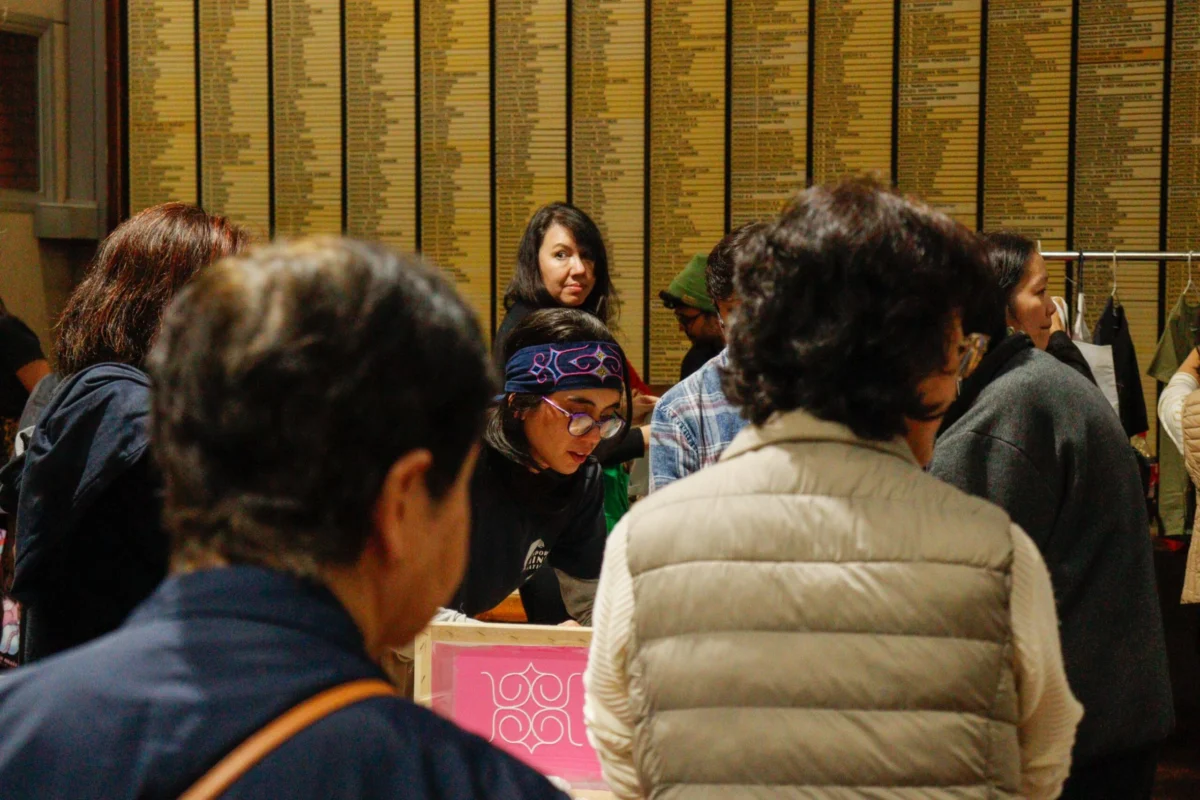
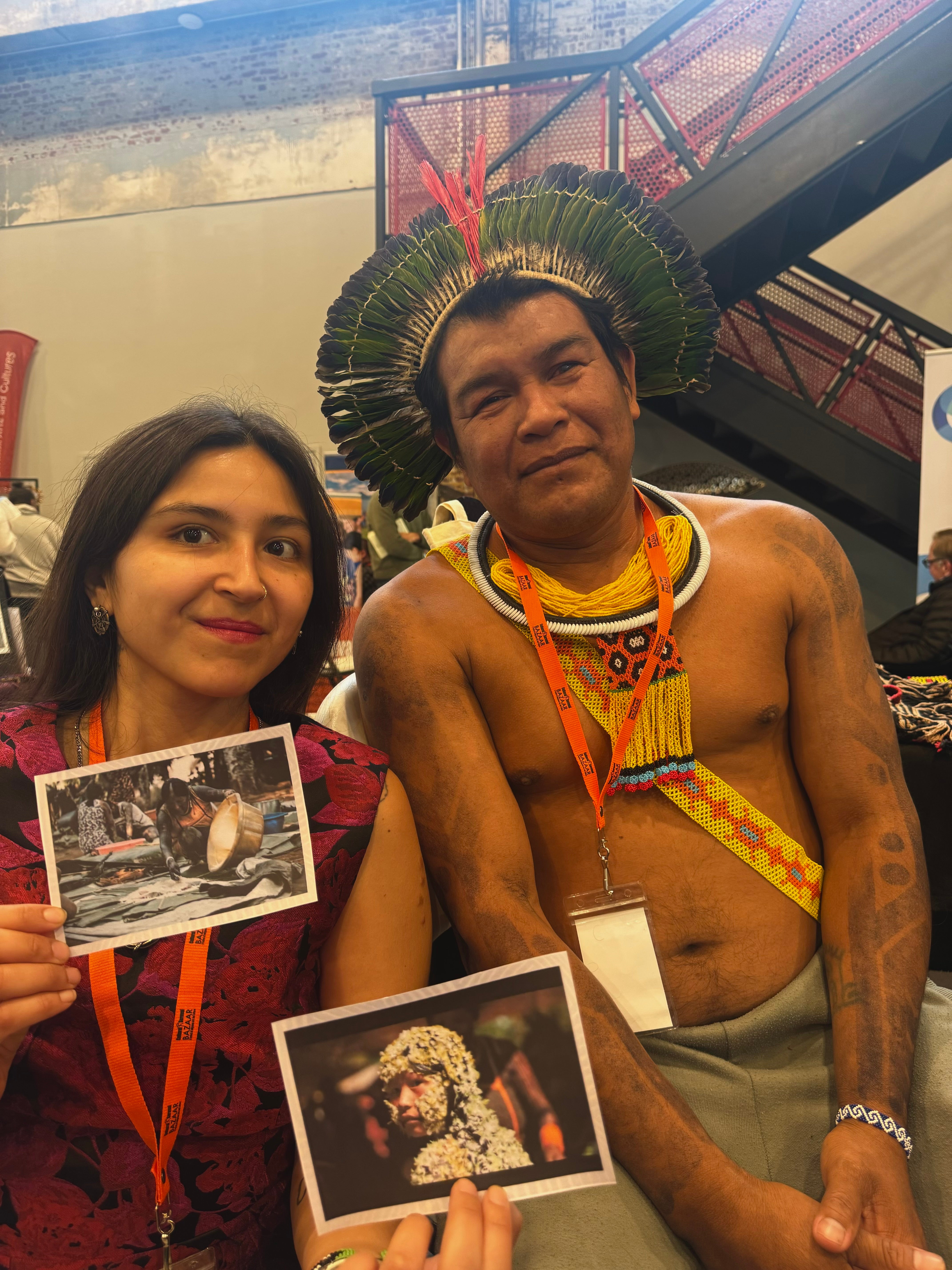
In the vibrant cultural tapestry of New York City, a place renowned for its linguistic diversity, December 2025 marked a significant convergence of global Indigenous artistry. Pat-i Kayapo, a filmmaker hailing from the traditional territories of the Kayapo people spanning Brazil’s Pará and Mato Grosso states along the Xingu River, and Dhayany Rios of the Associação Indígena Pyk´re arrived with a palpable sense of purpose, their luggage filled with the tangible expressions of their heritage. Their presence in the city was not merely as visitors, but as vital participants in the esteemed Cultural Survival Bazaars, a platform dedicated to amplifying Indigenous voices and economies.
The initial moments of Kayapo’s arrival in the bustling metropolis offered a poignant glimpse into the cultural exchange that defines these events. Emerging from the airport, his visage adorned with the traditional red and black body and face markings derived from locally sourced plant dyes, he expressed an immediate curiosity for the unfamiliar. His first request was to experience Mexican cuisine, a culinary landscape entirely new to him, specifically seeking out spicy flavors. This led to a detour into Queens, a borough celebrated for its rich gastronomic diversity, where he was treated to a torta for breakfast—a simple yet profound moment of cultural immersion that underscored the personal journeys undertaken by these artisans.
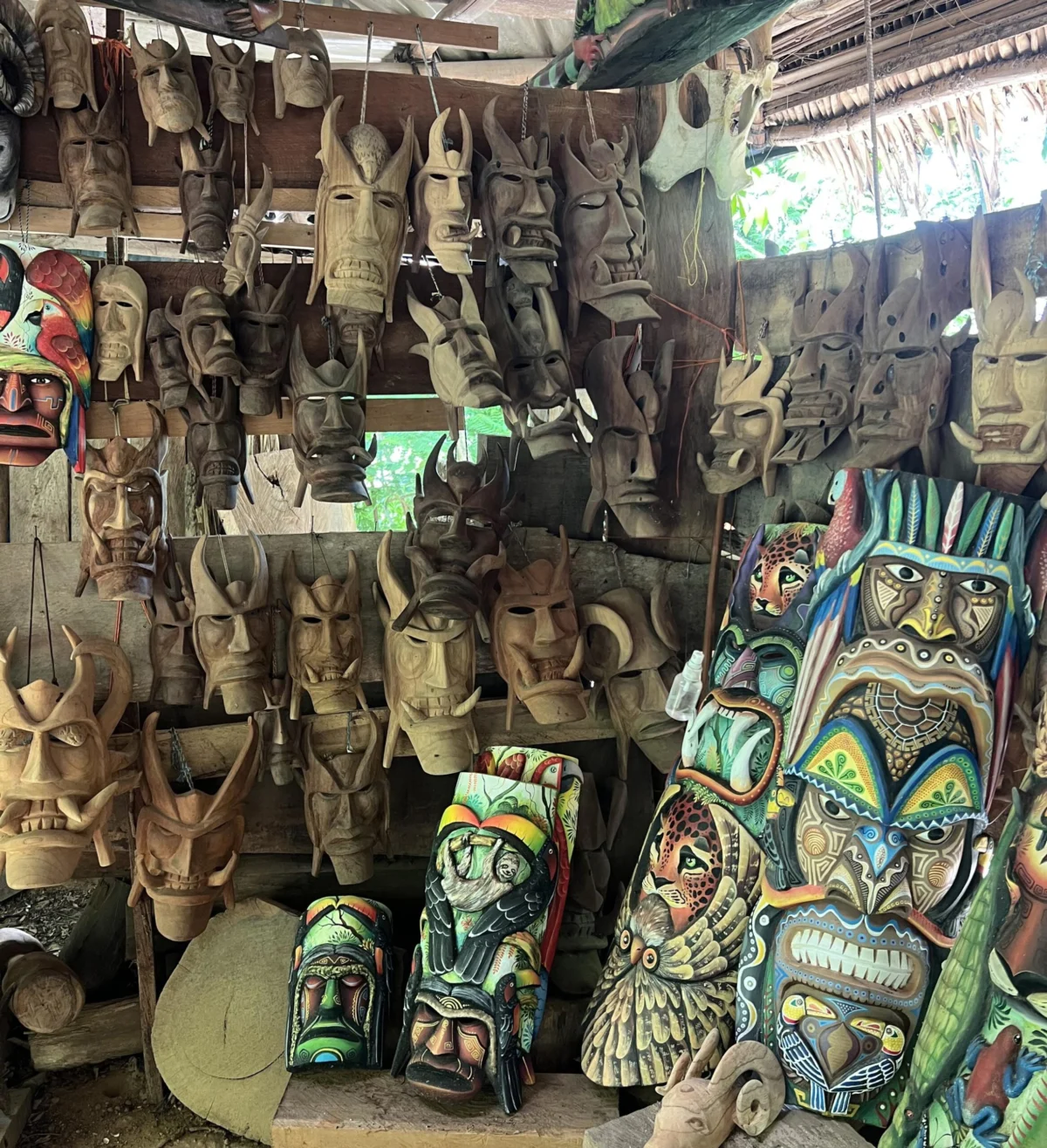
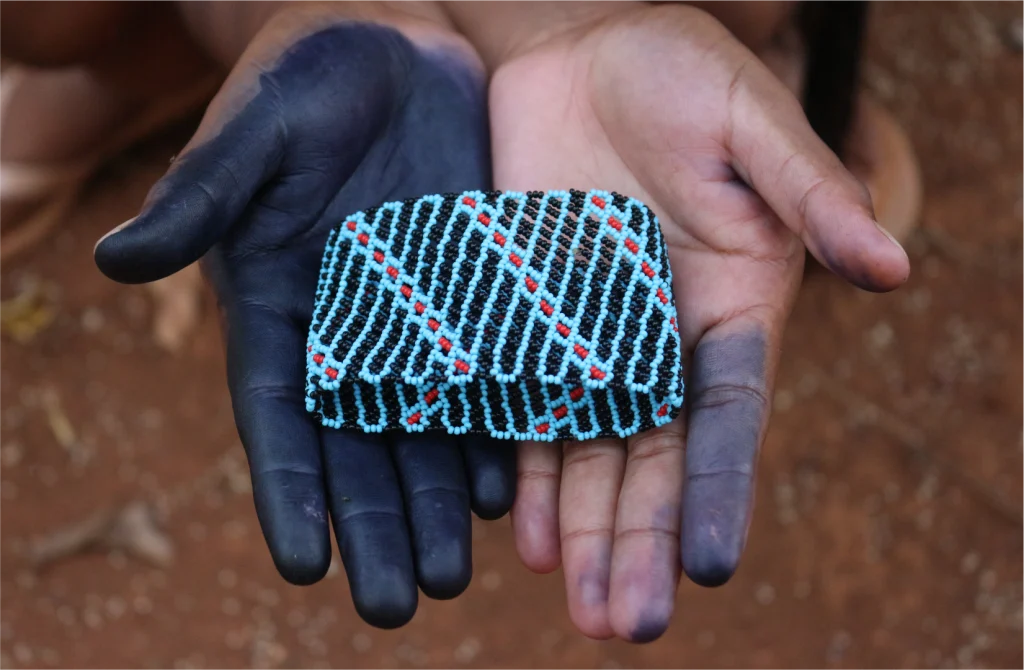
These are the moments that elevate the Cultural Survival Bazaars beyond a mere marketplace, transforming them into experiences that can feel "out-of-this-world," as described by organizers. Artisans like Kayapo and Rios undertake arduous journeys, often traveling by boat, bus, and finally multiple flights, to reach New York. For many, this represents their first foray beyond their ancestral communities and their initial introduction to a public market, let alone an international one. Through their meticulously crafted wares—handmade earrings, intricate necklaces, bracelets, rings, woven baskets, and traditional clothing—they offer more than just products; they share profound narratives of their history, identity, and the enduring spirit of their peoples. The materials used and the designs displayed reflect the deep-rooted traditions of the five territories they represent: A´kre, Ngotajte, Pykararankre from Terra Indígena Kayap´o, and Kendjam & Karema from Terra Indígena Menkragnoti.
The Significance of Food and Sustenance
Beyond the visual and tactile artistry, food often emerges as a powerful indicator of cultural distinctiveness and a cornerstone of Indigenous traditions. For many communities, the practices of hunting, harvesting, fishing, the preparation of meals, and the very act of sharing food are imbued with profound cultural and spiritual meaning. During his stay in New York and throughout his participation in the Bazaar, Kayapo frequently expressed a preference for rice, beans, yuca, and plantains. This seemingly simple combination of ingredients resonated deeply with him, embodying the essence of his community and his people. It represented a direct connection to the land, their territory, and their reciprocal relationship with the animal kingdom. This nourishing and meaningful meal served as a vital source of sustenance during the demanding days of the Bazaar, providing both physical energy and a comforting reminder of home.
The Kayapo People: Guardians of the Amazon
The Kayapo people, numbering approximately 12,000 individuals distributed across some 50 villages, are stewards of over 9 million hectares of federally demarcated Indigenous lands. Their ancestral territories, situated in the Amazon rainforest, represent not just a physical space but a complex cosmological universe. For the Kayapo, resistance against external threats is intrinsically woven into the fabric of their daily lives and cultural expressions. This resistance manifests through their traditional dances, their culinary practices, the intricate beadwork that adorns their bodies and crafts, their vibrant body painting, and their powerful songs. These cultural forms are not merely artistic endeavors; they are active declarations of their presence, their resilience, and their unwavering commitment to protecting their forest home from the encroaching forces of mining and logging.
"The People of the Water Source": A Global Warning
The Kayapo are also known as "The People of the Water Source," a designation that underscores their intimate connection to the vital river systems that sustain the Amazon and, by extension, the planet. Through their firsthand observations and their deep understanding of the natural world, they serve as crucial sentinels, issuing a stark warning to the outside world about the far-reaching consequences of global consumption and unchecked consumerism. They witness daily how the flora and fauna of the forest bear witness to the accumulating damage inflicted by human activities. Their presence at events like the Cultural Survival Bazaars provides a critical platform for them to share these urgent messages, fostering a greater awareness of the interconnectedness of ecological health and Indigenous well-being.
The Cultural Survival Bazaar: A Global Connector
The Cultural Survival Bazaar, established in 1975, has evolved into a pivotal initiative for Indigenous artisans worldwide. Its primary objective is to provide direct market access, enabling Indigenous artists to sell their authentic, handmade products and retain a larger share of the profits. This model directly challenges exploitative trade practices and empowers Indigenous communities to sustain their cultural traditions and economies on their own terms.
Historical Context and Evolution of the Bazaars:
The inception of the Cultural Survival Bazaars can be traced back to a period when Indigenous peoples globally faced increasing marginalization and the erosion of their traditional livelihoods. Recognizing the need for a sustainable economic model that respected Indigenous sovereignty and cultural integrity, Cultural Survival developed the Bazaar program. Initially, the focus was on bringing a select group of artisans to the United States for limited market opportunities. Over the decades, the program has grown significantly in scale and scope, now encompassing multiple Bazaars annually in various major cities across the United States, including Boston and New York City.
The Bazaars have become a vital conduit for cultural exchange, fostering understanding and appreciation between Indigenous communities and the broader public. They offer a unique opportunity for consumers to engage directly with the artisans, learn about their cultural heritage, and purchase ethically sourced, handcrafted goods. This direct interaction not only provides economic benefits to the artisans but also serves as a powerful tool for cultural preservation and advocacy.

The Journey to the Bazaar:
The logistical undertakings involved in bringing artisans to the Bazaars are substantial. Cultural Survival works closely with Indigenous organizations and community leaders to identify participating artists and ensure their safe and dignified travel. This often involves navigating complex international travel regulations, visa applications, and the transportation of valuable cultural artifacts.
For many artisans, the journey itself is a significant undertaking. As highlighted in the initial account of Kayapo and Rios, travel often involves multiple modes of transportation, spanning vast distances and crossing continents. This dedication underscores the importance these artisans place on participating in the Bazaars and the opportunities they represent for their communities.
Economic Impact and Empowerment:
The economic impact of the Cultural Survival Bazaars on participating Indigenous communities is multifaceted. By providing direct access to a global market, the Bazaars enable artisans to generate income that can be reinvested in their communities, supporting initiatives such as education, healthcare, and cultural preservation projects. Furthermore, the program emphasizes fair trade principles, ensuring that artisans receive equitable compensation for their work.
Supporting Data and Program Reach:

Since its inception, the Cultural Survival Bazaar program has facilitated the participation of thousands of Indigenous artisans from over 50 countries. These Bazaars have generated millions of dollars in direct sales for Indigenous communities, empowering them to strengthen their economies and maintain their cultural heritage. The program’s reach extends beyond mere economic transactions; it serves as a vital platform for cultural exchange, education, and advocacy, raising awareness about the challenges and triumphs of Indigenous peoples worldwide. In recent years, the Bazaars have also increasingly incorporated digital platforms and online sales channels, expanding their reach and providing additional avenues for artisans to connect with global consumers.
Broader Implications and Future Outlook
The presence of Indigenous artisans like Pat-i Kayapo and Dhayany Rios at the Cultural Survival Bazaars in New York City transcends the immediate economic benefits. It represents a powerful act of cultural diplomacy, offering a tangible demonstration of Indigenous resilience and ingenuity in the face of persistent challenges. The Bazaars serve as crucial platforms for sharing vital messages about environmental stewardship, human rights, and the importance of cultural diversity.
The ongoing success of these initiatives highlights a growing global awareness of the critical role Indigenous peoples play in protecting biodiversity, preserving cultural heritage, and advocating for sustainable practices. As the world grapples with complex environmental and social issues, the wisdom and traditions of Indigenous communities, as exemplified by the artisans at the Bazaars, offer invaluable insights and solutions. The continued support and expansion of programs like the Cultural Survival Bazaars are essential for fostering a more equitable and sustainable future for all. The art, the stories, and the very presence of these individuals serve as a potent reminder of the interconnectedness of all life and the urgent need to listen to and learn from the voices of Indigenous peoples.