In a landmark initiative aimed at bridging the digital and literacy divide in rural India, educators and health communicators have successfully deployed Generative Artificial Intelligence (GenAI) to revolutionize the creation of public health materials. This project, centered in the Devbhumi Dwarka District of Gujarat, demonstrates a significant shift in how frontline health workers engage with their communities. By leveraging the AI-supported capabilities within Adobe Express, local teams have transitioned from passive consumers of generic health content to active creators of culturally relevant, visual-heavy educational tools. The collaboration, spearheaded by World Education—an initiative of JSI Research & Training Institute, Inc.—in partnership with John Snow India Private Limited (JSIPL) and supported by Adobe, marks a pivotal moment in the intersection of advanced technology and grassroots public health.
The Challenge of Traditional Health Communication in Rural India
For decades, the backbone of India’s rural health and nutrition system has been the Anganwadi Worker (AWW). Part of the Integrated Child Development Services (ICDS) program launched by the Indian government in 1975, these community-based women are tasked with delivering essential services, including supplementary nutrition, immunization, and health education to mothers and children. In the Devbhumi Dwarka District, as in much of rural Gujarat, these workers face a unique set of challenges. Connectivity is often sporadic, and literacy levels among the target populations vary significantly, making traditional text-based brochures and posters largely ineffective.
Historically, the production of health education materials was a centralized, bureaucratic process. Content creation was often outsourced to design agencies located in urban centers, far removed from the cultural nuances of rural Gujarat. This model resulted in several systemic bottlenecks: high costs, slow turnaround times, and a lack of linguistic and visual relevance. For instance, a poster designed in a city might feature imagery or dialects that do not resonate with a family in a remote coastal village of Dwarka. When health crises or new nutritional guidelines emerged, the delay in producing and distributing printed materials often rendered the information outdated by the time it reached the frontline.
Transitioning to a Creator-Centric Model
The pilot program initiated by World Education and JSIPL sought to dismantle this top-down approach by providing district-level staff and Anganwadi teams with the tools to produce their own media. The choice of Adobe Express was strategic, focusing on its user-friendly interface and integrated GenAI features which lower the barrier to entry for non-designers.
The implementation followed a structured "gradual release" chronology designed to build sustainable local capacity:
- Phase I: Modeling and Exposure: Project leads first demonstrated the potential of GenAI by creating sample content that addressed immediate health priorities, such as newborn care and maternal nutrition. This phase helped local staff visualize how abstract technology could solve concrete communication problems.
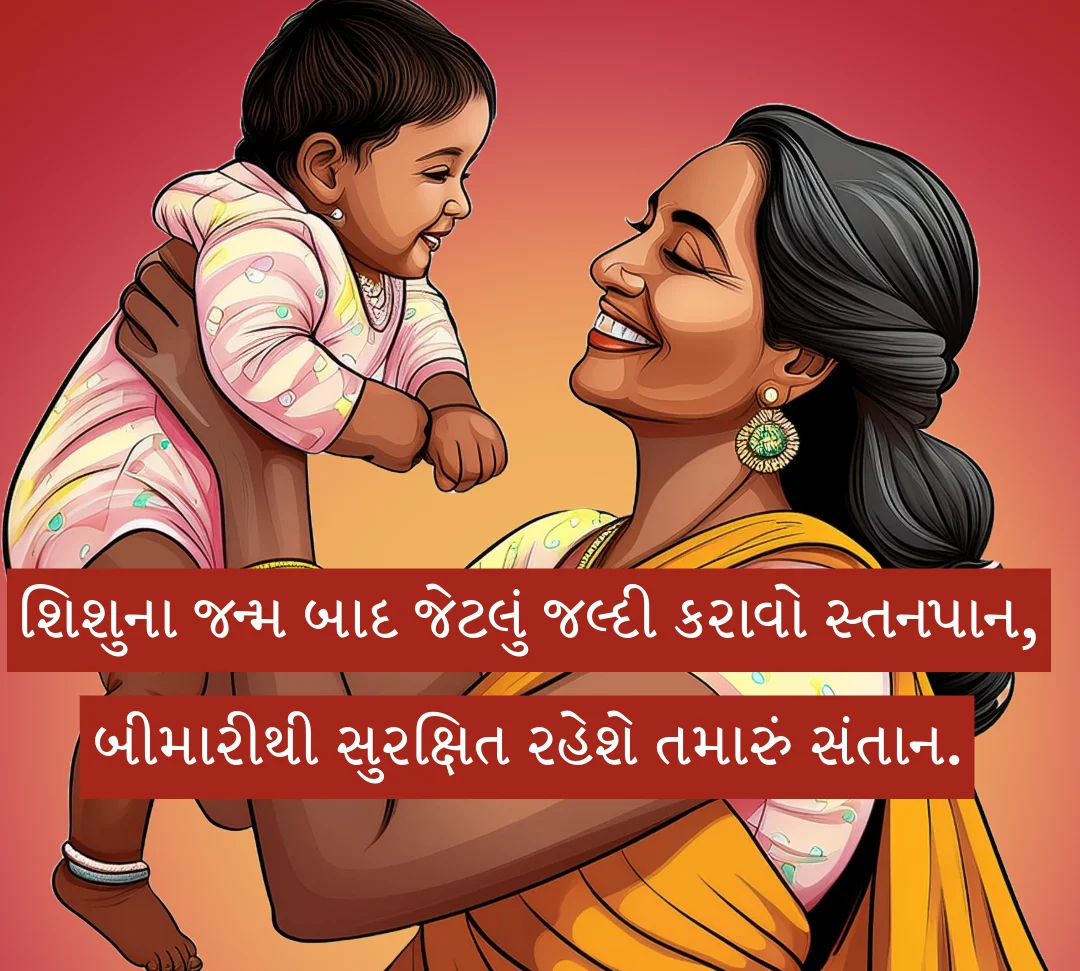
- Phase II: Co-Design and Collaborative Creation: District staff worked alongside technical experts to build materials. During this stage, the "augmentation" aspect of AI became apparent. When initial templates featured generic imagery that did not reflect the local attire or environment of Gujarat, staff used GenAI prompts to generate culturally appropriate visuals—such as women in local dress or specific household settings—within minutes.
- Phase III: Independent Production and Peer Training: As confidence grew, local staff began producing their own posters, GIFs, and short instructional videos. A significant milestone was reached when a core team member took the initiative to train her colleagues, effectively creating a decentralized network of content creators.
The Role of Generative AI: Augmentation Over Automation
A critical finding of the Gujarat initiative is the distinction between automation and augmentation. While global discussions regarding GenAI often center on the fear of AI replacing human roles, this project utilized AI to enhance human expertise. The GenAI features within the software did not decide what health messages were important; rather, they provided the "starting point" for local staff who already possessed deep community knowledge.
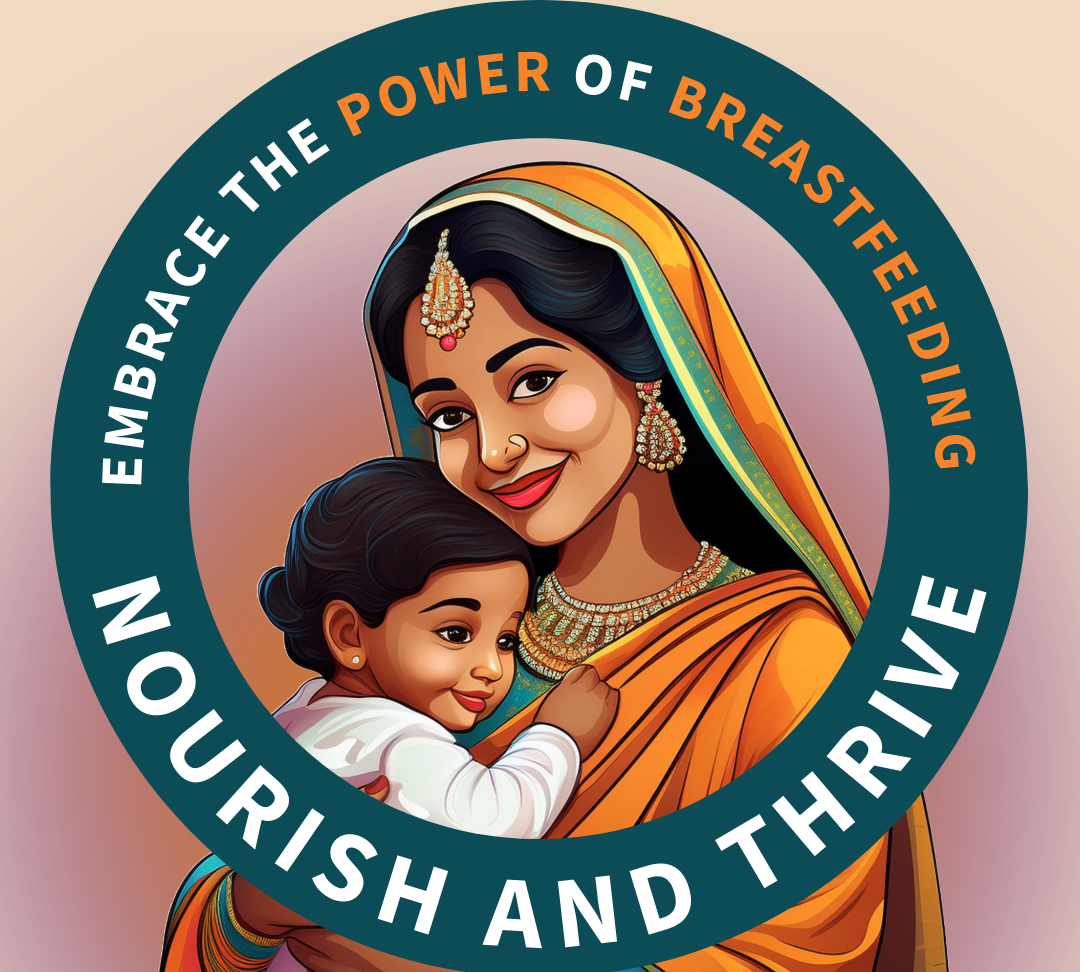
By using text-to-image generators, staff could bypass the need for expensive photoshoots or the search for elusive stock photos that fit the Indian context. If a health worker needed an image of a mother breastfeeding in a specific rural setting to accompany a Gujarati-language caption, the AI could generate several variations instantly. This responsiveness allowed for a level of localization that was previously impossible. Furthermore, the ability to rapidly translate and adapt templates into the Gujarati language ensured that the materials were immediately accessible to the local population.
Data and Impact: Visual Learning in the WhatsApp Ecosystem
The impact of this technological shift is most visible in the way information is consumed. In rural India, WhatsApp has become the primary medium for digital communication. The project capitalized on this by focusing on "visual job aids"—short videos and GIFs that can be easily shared and viewed on low-cost smartphones.
Field testing revealed a marked preference for these AI-enhanced visual materials over traditional printed media. Families with limited literacy reported that the visual demonstrations made complex health concepts—such as the proper technique for infant wrapping or the diversity of a nutritious diet—much easier to grasp. The data suggests that visual-centric communication reduces the "cognitive load" on the recipient, leading to better retention of health advice.
From an operational standpoint, the efficiency gains were substantial. Content that previously required weeks of coordination with external designers could now be drafted, reviewed, and finalized in a single afternoon. This agility is crucial in public health, where the ability to respond to local outbreaks or seasonal health trends can save lives.
Official Responses and Strategic Vision
Leadership at the participating organizations has emphasized the scalability of this model. Dr. Sanjay Kapur, Managing Director of JSIPL, highlighted the potential for national impact, noting that the innovation could be scaled to reach millions of Anganwadi Workers across India. This, in turn, would facilitate the delivery of critical health information to millions of mothers and children in a fraction of the time required by traditional methods.
The project also aligns with the "Digital India" mission, which seeks to transform India into a digitally empowered society and knowledge economy. By moving beyond basic digital literacy (using an app) to digital creation (using AI to build content), the program empowers rural workers to be participants in the global digital revolution rather than just spectators.
World Education representatives noted that this work represents a shift in the philosophy of digital transformation. Rather than delivering a finished product to a community, the focus is on building the infrastructure and skills so that the community can build for itself. This approach ensures that the digital tools remain relevant long after the initial intervention ends.

Analysis of Broader Implications and Future Outlook
The success of the Gujarat pilot offers several lessons for the global development community and the technology sector:
1. The Democratization of Design
GenAI is effectively democratizing high-quality design. In the past, professional-grade visual communication was a luxury reserved for organizations with significant budgets. Now, a health worker in a remote district of India can produce materials that rival the quality of professional agencies, provided they have access to the right AI tools and basic training.
2. Localization as a Public Health Priority
In public health, "one size fits all" communication often fails. The ability to localize content—not just in terms of language, but in terms of visual representation and cultural context—is a powerful tool for behavioral change. When people see themselves reflected in the educational materials they receive, trust and engagement increase.
3. Sustainable Capacity Building
The "train-the-trainer" model observed in Gujarat suggests that GenAI tools have a viral quality in professional settings. Because the tools provide immediate, high-quality results, the motivation for staff to learn and share these skills is high. This creates a sustainable ecosystem where the technology becomes a permanent part of the local toolkit.
4. Ethical Considerations and Human Oversight
The project reinforces the necessity of human-in-the-loop systems. In health education, accuracy is paramount. The role of the local staff was not just to generate images, but to verify that the AI-generated content remained factually correct and culturally sensitive. This human oversight ensures that the speed of AI does not come at the cost of clinical or cultural accuracy.
Conclusion
The integration of Generative AI into the workflows of frontline health workers in Gujarat represents a significant advancement in rural development. By shortening the distance between the creator and the consumer of health information, World Education, JSIPL, and Adobe have created a blueprint for localized, responsive, and effective public health communication. As these tools become more sophisticated and accessible, the potential to scale this model across other regions and sectors—such as agriculture, disaster management, and primary education—remains vast. The Gujarat experience proves that when technology is placed directly in the hands of those who understand their community’s needs best, the results are both innovative and deeply impactful.