The Star Wars franchise, a cornerstone of global popular culture for nearly five decades, has undergone a significant transformation in its approach to diversity and inclusion since the acquisition of Lucasfilm by Disney in 2012. While the original and prequel trilogies were largely criticized for a lack of visible LGBTQ+ representation, the modern "canon"—spanning films, television, novels, comic books, and video games—now features more than 100 confirmed queer women. This demographic shift reflects a broader industry trend toward inclusive storytelling, moving from "blink-and-you-miss-it" background moments to central, complex narratives that challenge traditional archetypes of the space opera genre.
The Definitive Shift in Canonical Standards
The definition of "canon" in the Star Wars universe was strictly redefined in 2014, when Lucasfilm rebranded the existing "Expanded Universe" as "Legends" to create a cohesive timeline for future stories. This reset provided a blank slate for creators to introduce a more diverse cast of characters. According to editorial standards established by the Lucasfilm Story Group, a character is considered queer only when their identity is textually confirmed within the narrative or verified by official editorial sources.

This rigorous standard has resulted in a list of over 100 named queer women, ranging from background extras in the sequel trilogy to the protagonists of multi-year comic book runs. The data indicates that the most significant strides in representation have occurred within the literary and comic book sectors, which often serve as the vanguard for character development before these identities transition to live-action or animated screens.

A Chronology of Milestones in Representation
The timeline of queer female representation in Star Wars is marked by several key entry points that have expanded the boundaries of the galaxy’s social fabric.

2015: The Introduction of Delian Mors
The 2015 novel Lords of the Sith by Paul S. Kemp introduced Moff Delian Mors, the first explicitly lesbian character in the new Star Wars canon. As an Imperial officer, Mors provided an early example of a character whose queerness was treated as a factual detail of her background rather than a plot point, setting a precedent for "normalized" representation.

2016: The Rise of Doctor Aphra
In the Marvel comic series Darth Vader, writer Kieron Gillen introduced Doctor Chelli Lona Aphra. A rogue archaeologist with shifting loyalties, Aphra became the first original queer character to lead her own ongoing comic book title. Her relationships with characters like Sana Starros and Magna Tolvan have been central to her character arc for nearly a decade, making her arguably the most prominent queer figure in the franchise.

2019: The Sequel Trilogy and Live-Action Visibility
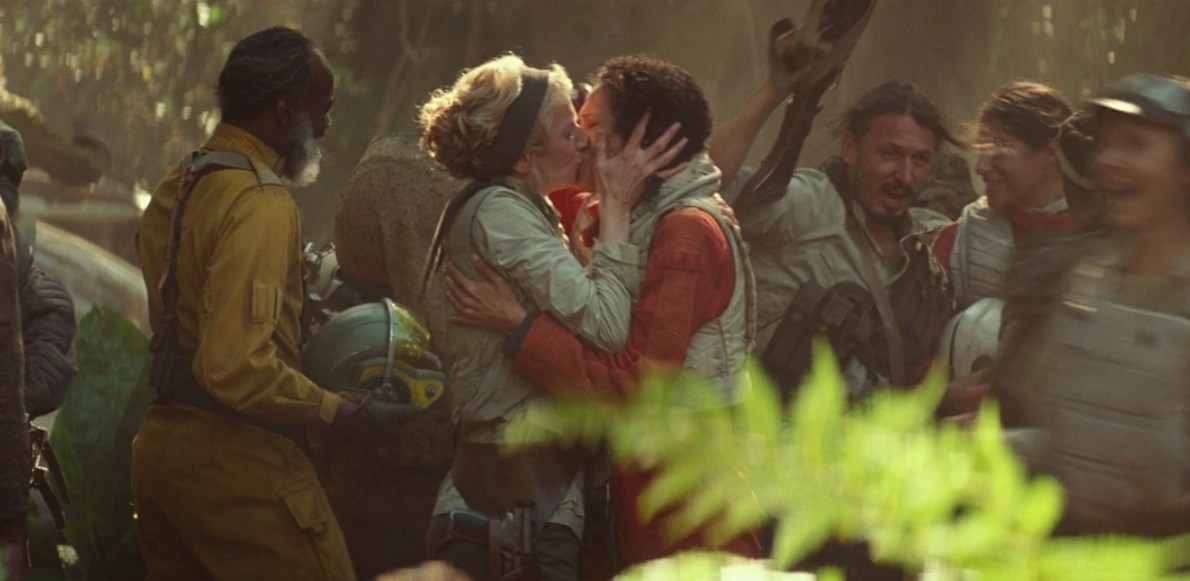
Star Wars: The Rise of Skywalker featured the first onscreen queer kiss in the film franchise between Resistance members Larma D’Acy and Wrobie Tyce. While the moment was criticized by some advocacy groups for its brevity, it marked a symbolic milestone for the theatrical releases.

2021–Present: The High Republic Era
The "High Republic" multimedia initiative, set centuries before the Skywalker Saga, has seen the most rapid expansion of LGBTQ+ characters. Characters such as Jedi Padawans Lula Talisola and Zeen Mrala, whose romantic bond is a central theme of the High Republic Adventures series, demonstrate a shift toward centering queer joy and commitment in all-ages media.

Analyzing the Tiers of Character Prominence
The depth of representation varies significantly across the 103 identified characters. Analysts categorize these characters into three primary tiers based on their impact on the narrative.

Tier 1: Narrative Pillars
Characters like Doctor Aphra, Vel Sartha, and Sabé represent the pinnacle of queer representation. Sabé, originally introduced as a handmaiden to Padmé Amidala in The Phantom Menace, has been re-contextualized in modern literature and comics as a character whose deep devotion to the late Senator is rooted in romantic love. Similarly, Vel Sartha and Cinta Kaz in the Disney+ series Andor provide a grounded, high-stakes depiction of a queer couple navigating a revolutionary insurgency.

Tier 2: Supporting Archetypes
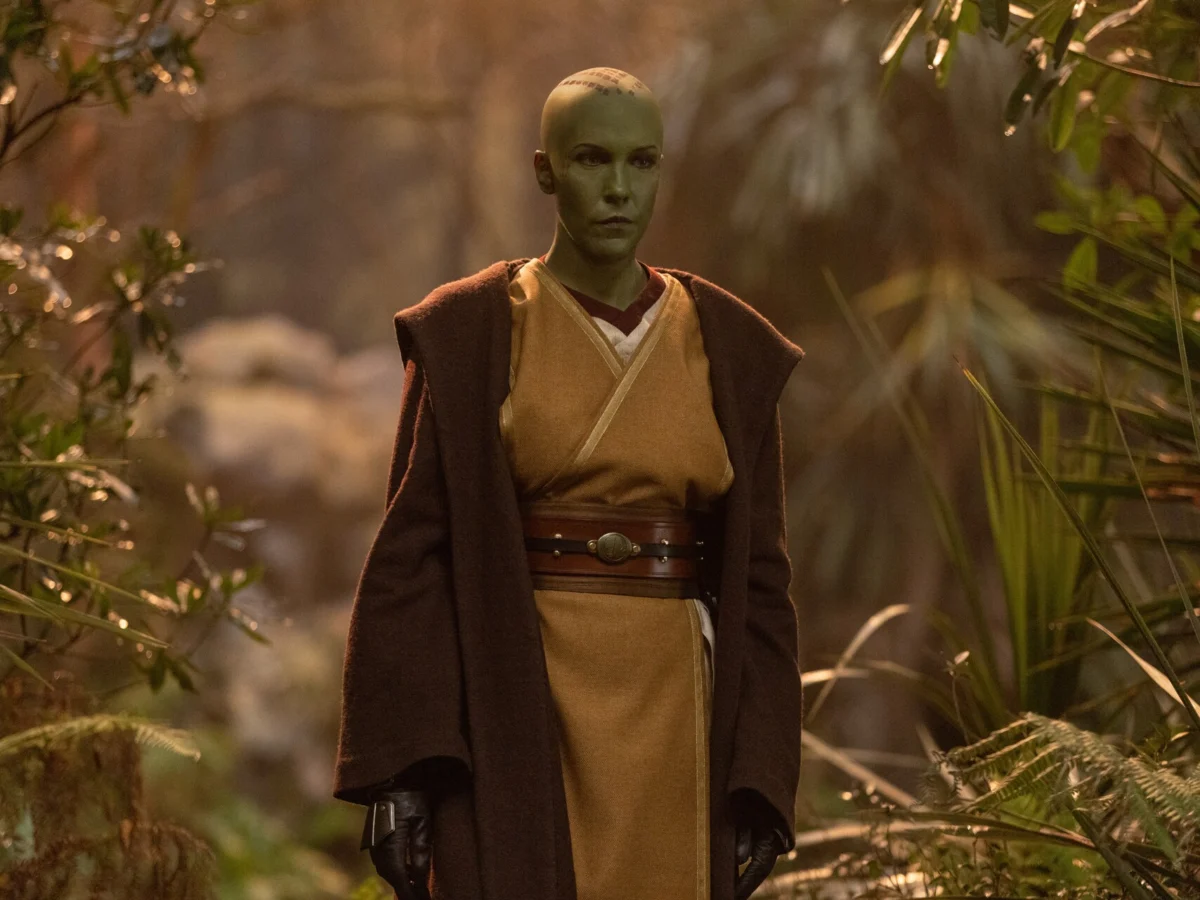
This tier includes characters like Nightsister Merrin from the Star Wars Jedi video game series and Vernestra Rwoh from The Acolyte. Merrin, a survivor of genocide, represents a complex intersection of queer identity and cultural mourning. Vernestra Rwoh is notable for being one of the few asexual characters in the canon, offering representation for a demographic that is frequently overlooked in mainstream science fiction.

Tier 3: Background and World-Building Characters
The majority of the 100+ characters fall into this category. Characters such as Boona, Meela, and various Rebel pilots are often mentioned in passing or featured in short stories within anthologies like From a Certain Point of View. While their roles are minor, their presence serves to populate the galaxy with a diverse range of identities, reinforcing the idea that queerness is a common and unremarkable aspect of galactic life.

The Role of Diversified Media Platforms
The distribution of queer characters across different media formats reveals a strategic approach to representation.

- Comics and Novels: These platforms allow for internal monologues and long-form romantic arcs. The Alphabet Squadron trilogy by Alexander Freed, for instance, explores the psychological trauma and identity of Yrica Quell, a defected Imperial pilot whose bisexuality is a nuanced part of her redemption arc.
- Video Games: Games like Jedi: Survivor and Star Wars Outlaws have begun to integrate queer characters into side quests and companion narratives. Characters like Wini Eres and Zygg Soza provide domestic, humanizing moments amidst the galactic conflict.
- Television: The Acolyte introduced Mother Aniseya and Mother Koril, leaders of a coven of witches who raised twin daughters. Showrunners have noted that while the coven’s structure is unique, the depiction of two women as co-parents is a clear nod to queer family structures.
Industry Reactions and Cultural Implications
The expansion of the Star Wars canon to include more than 100 queer women has drawn varied reactions from stakeholders. Creative leads at Lucasfilm have stated that the goal is to reflect the diversity of the real-world audience. Authors like Daniel José Older and Alyssa Wong have been vocal about the importance of "textual confirmation," ensuring that characters are not merely "coded" but are explicitly identified to prevent erasure.

However, this progress has not been without controversy. The "Bury Your Gays" trope—a narrative pattern where queer characters are killed off at higher rates than their straight counterparts—remains a concern for fans. Characters like Kor Plouth and various Rebel pilots in short stories have met tragic ends, leading to discussions about the need for more "survivorship" in queer narratives.

Furthermore, the cancellation of series like The Acolyte has raised questions about the longevity of high-profile queer stories in the live-action space. Observers note that while the literary world is highly inclusive, the live-action films and high-budget series still face pressure to appeal to conservative global markets, sometimes resulting in the marginalization of LGBTQ+ themes.

Future Projections for the Franchise
As Star Wars moves toward its next phase of theatrical releases and streaming content, the integration of the "100+ queer women" already established in the lore remains a priority for the Story Group. The success of characters like Doctor Aphra suggests that there is a viable market for queer-led stories that go beyond the traditional Jedi vs. Sith dichotomy.
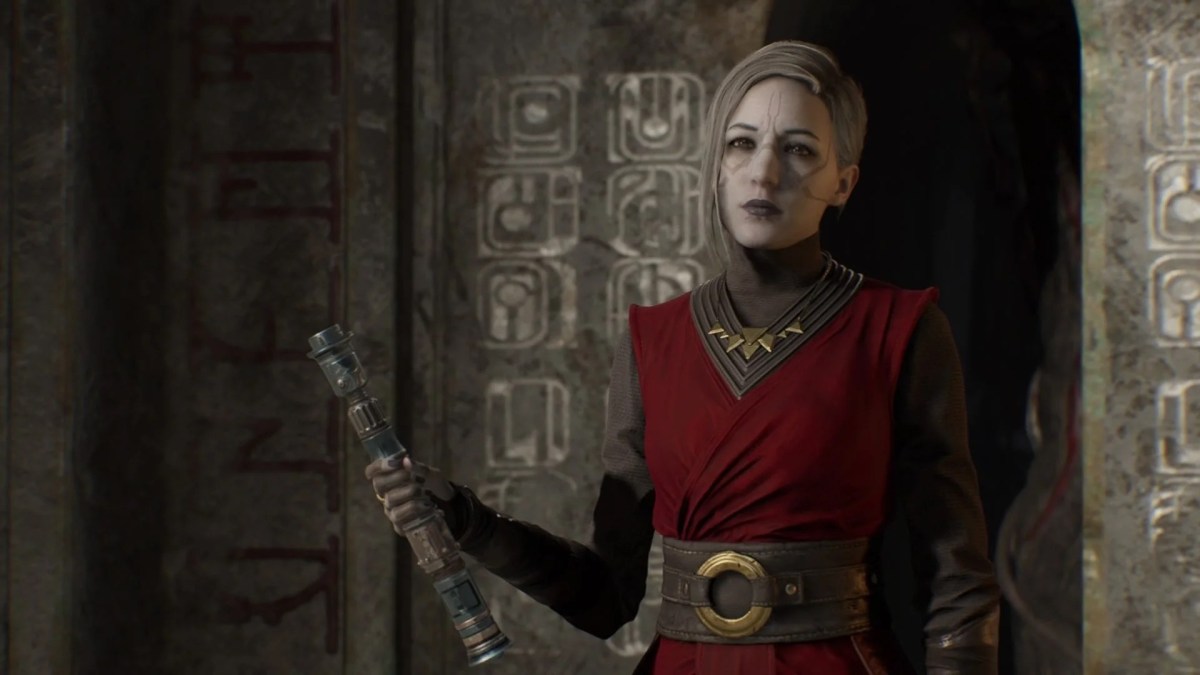
The data shows that queer representation in Star Wars is no longer a series of isolated incidents but a systemic shift in the franchise’s DNA. From the shark-toothed pirate Lourna Dee to the trans femme clone trooper known as Sister, the galaxy is increasingly reflective of a spectrum of identities. As the franchise continues to evolve, the challenge will lie in moving these characters from the periphery of books and comics into the center of the cinematic universe, ensuring that the diversity of the "Galaxy Far, Far Away" is visible to all.

In conclusion, the documentation of over 100 queer women in the Star Wars canon serves as a benchmark for the industry. It demonstrates that even the most established franchises can undergo meaningful cultural evolution, provided there is a concerted effort across all media platforms to honor the complexity of the human—and alien—experience.