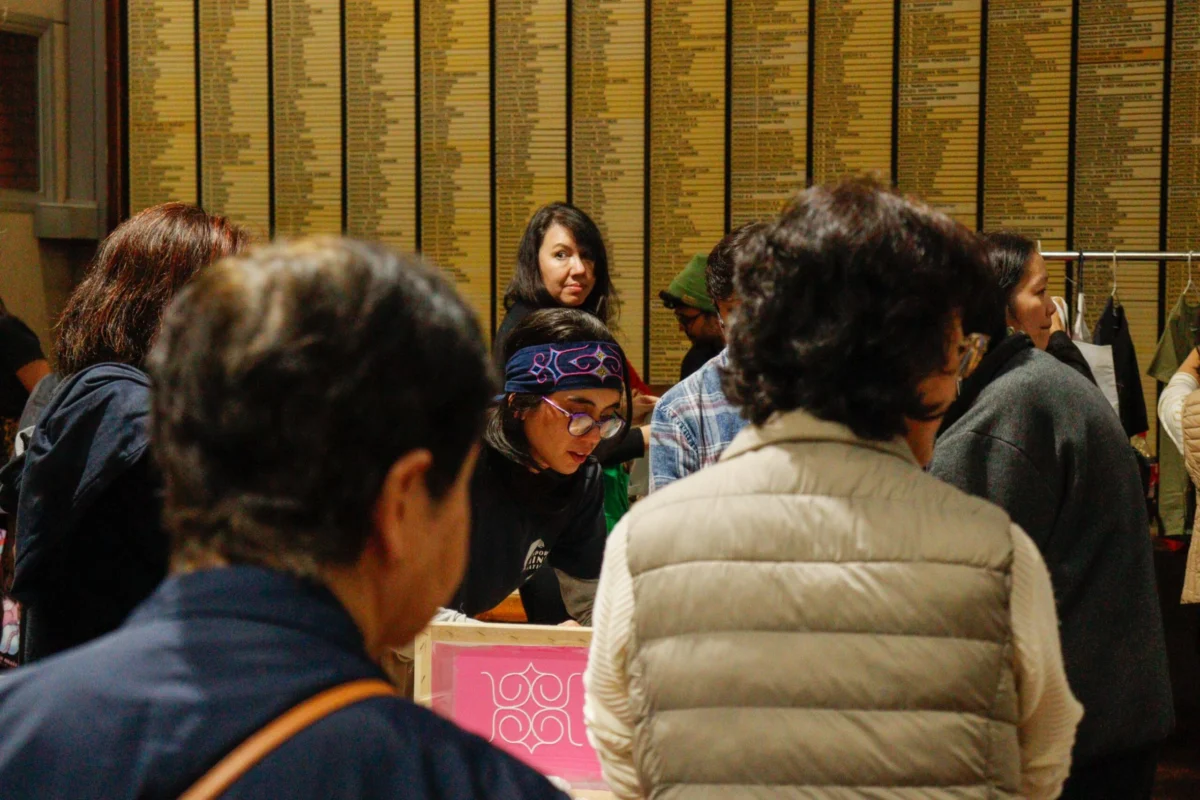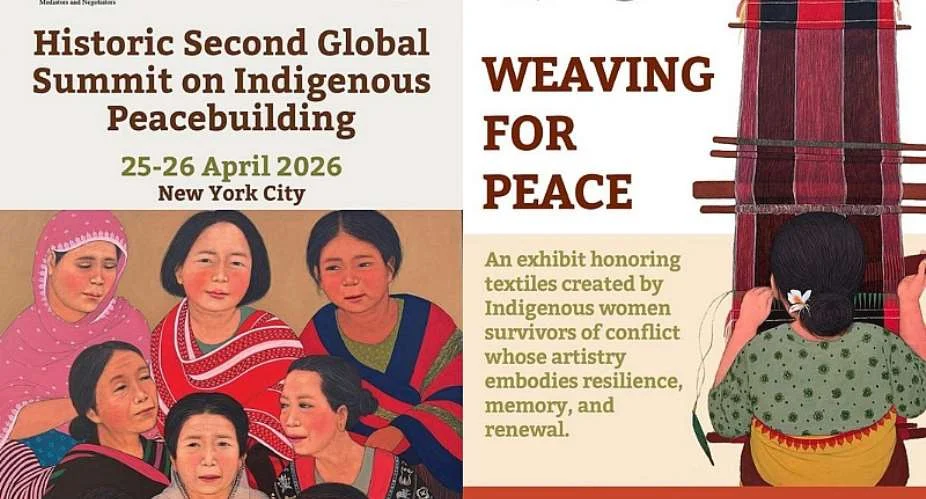
New York, NY – On April 25th and 26th, 2026, the Historic 2nd Global Summit on Indigenous Peacebuilding convened in New York City, drawing over 250 Indigenous leaders, representatives, United Nations officials, and diplomats. This pivotal gathering, co-organized by the Global Network of Indigenous Peacebuilders, Mediators and Negotiators, and its partner organizations, aimed to foster a crucial dialogue on the profound and often devastating consequences of armed conflicts on Indigenous Peoples and their ancestral territories. The summit also served as a platform to articulate Indigenous-led pathways towards peace amidst a global landscape marked by escalating violence and geopolitical instability.
A Global Assembly of Resilience and Resilience
Participants hailed from diverse socio-cultural regions across the globe, including representatives from Guatemala, Mexico, Colombia, Manipur, Burkina Faso, Sudan, Cameroon, and New Zealand. The two-day summit provided a vital space for sharing lived experiences, articulating pressing concerns, and openly expressing the grief and sorrow stemming from decades of conflict. A poignant moment of collective remembrance occurred with the lighting of a candle to honor Indigenous relatives who have lost their lives in various conflicts. This act symbolized a profound aspiration for a future where Indigenous Peoples are not merely surviving on their occupied lands but are empowered to thrive, fostering peaceful coexistence with all living beings.
The summit’s agenda was meticulously crafted to address the systemic marginalization of Indigenous Peoples in peace and security frameworks. Discussions revolved around the unique challenges faced by these communities, including land dispossession, cultural erosion, loss of traditional governance structures, and the disproportionate impact of violence on Indigenous women and children. The shared narratives underscored the interconnectedness of environmental justice, human rights, and sustainable peace, highlighting how conflicts often exacerbate existing vulnerabilities faced by Indigenous communities.
A Call to Reframe Global Peace Efforts
A central demand emerging from the summit was a fundamental reframing of global peace and security efforts. Participants urged the United Nations and government officials worldwide to place Indigenous Peoples at the very core of conflict prevention and resolution strategies. This call to action is rooted in the understanding that Indigenous communities possess invaluable traditional knowledge, deep-seated understanding of their territories, and proven methodologies for conflict mediation that have sustained their societies for millennia.
Binalakshmi Nepram, President of the Global Alliance of Indigenous Peoples, Gender Justice and Peace, articulated this critical shift in perspective, stating, "It is time to move from seeing Indigenous Peoples as victims of conflict to recognizing them as experts, mediators, and negotiators of peace." This statement encapsulates the summit’s overarching objective: to elevate Indigenous voices from the periphery to the center of global peacebuilding discourse. The summit underscored the fact that many Indigenous territories are often the flashpoints of resource extraction and geopolitical competition, making Indigenous Peoples frontline stakeholders in any sustainable peace process.
Indigenous Women: Pillars of Peace and Resistance
The summit also coincided with the International Women’s Day for Peace and Disarmament, a timely occasion to recognize and honor the indispensable contributions of Indigenous women to peacebuilding efforts. Their roles as traditional healers, educators, community organizers, and frontline defenders of their lands and cultures were highlighted. Simultaneously, the summit served as a platform for protest against militarism and the proliferation of nuclear weapons globally. A strong demand was issued for an immediate ceasefire in all occupied Indigenous Peoples’ territories, emphasizing the urgent need to de-escalate violence and protect civilian populations.
The unique vulnerabilities faced by Indigenous women in conflict zones were a recurring theme. Reports from various regions indicate that Indigenous women often bear the brunt of sexual violence, displacement, and the breakdown of social structures during armed conflicts. Their resilience and leadership in maintaining community cohesion and advocating for peace were recognized as essential to rebuilding societies.
Background and Chronology of the Summit
The Historic 2nd Global Summit on Indigenous Peacebuilding builds upon the foundational work initiated by the inaugural summit, which likely established the Global Network of Indigenous Peacebuilders, Mediators and Negotiators. While specific details of the first summit are not provided, its success would have paved the way for this expanded and more inclusive gathering.
Key Chronological Elements:
- April 25th-26th, 2026: The primary dates of the 2nd Global Summit on Indigenous Peacebuilding in New York City.
- Preceding Months/Years: Intensive planning and outreach by the Global Network of Indigenous Peacebuilders, Mediators and Negotiators, and partner organizations to secure participation from diverse Indigenous communities and engage relevant stakeholders.
- Co-organization: The collaborative effort between the Global Network and its partner organizations was crucial for the summit’s logistical and programmatic success.
- International Women’s Day for Peace and Disarmament: The summit’s timing on or around this significant international observance amplified the focus on Indigenous women’s roles and the urgent need for disarmament.
Supporting Data and Contextual Information
The urgency of the summit’s demands is underscored by global data on ongoing conflicts and their impact on Indigenous Peoples.
- Prevalence of Conflict: According to the United Nations, the number of protracted armed conflicts has increased significantly in recent decades. Many of these conflicts occur in regions with substantial Indigenous populations, often linked to competition over natural resources, land rights, and political marginalization.
- Land Dispossession: Indigenous Peoples globally are estimated to inhabit approximately 20% of the world’s landmass, but they legally own only 10%. This vast disparity creates inherent vulnerabilities, particularly in areas rich in natural resources, making them targets for exploitation and conflict.
- Environmental Degradation: Conflicts often lead to severe environmental damage, directly impacting the livelihoods and cultural survival of Indigenous communities who depend on their natural environments. This includes deforestation, pollution of water sources, and loss of biodiversity.
- Displacement: Millions of Indigenous Peoples have been displaced from their ancestral lands due to armed conflicts, climate change-induced disasters, and development projects. This displacement often results in the loss of cultural identity and traditional knowledge systems.
- Disproportionate Impact: Studies by organizations like the International Labour Organization (ILO) have consistently shown that Indigenous Peoples are disproportionately affected by poverty, violence, and discrimination, which are often exacerbated by armed conflicts.
The summit’s focus on "occupied territories" highlights a critical aspect of Indigenous struggles: the ongoing assertion of sovereignty and rights over lands that have been historically and are currently subjected to external control or exploitation, often fueled by conflict.
Official Responses and Inferences
While the provided text does not detail explicit official responses from the UN or governments during the summit, the presence of UN officials and diplomats suggests an engagement with the issues raised. The very act of co-organizing such an event with Indigenous Peoples’ organizations implies a degree of acknowledgement and willingness to listen.
Inferred Reactions and Implications:
- Increased Dialogue: The summit likely spurred further dialogue between Indigenous representatives and international bodies. The participation of UN officials indicates a recognition of the importance of Indigenous perspectives in global governance.
- Policy Review: The demands for reframing peace and security efforts may prompt a review of existing UN resolutions and national policies to incorporate more robust Indigenous participation and rights-based approaches.
- Advocacy for Indigenous-Led Solutions: The summit’s emphasis on Indigenous expertise as mediators and negotiators could lead to increased funding and support for Indigenous-led peacebuilding initiatives.
- Potential for Disagreement: It is also plausible that while some officials expressed support, others may have maintained more traditional views on conflict resolution, creating a dynamic of ongoing advocacy and negotiation. The demand for a ceasefire in all occupied Indigenous territories is a significant political statement that would require careful consideration by national governments and international bodies.
Broader Impact and Implications
The Historic 2nd Global Summit on Indigenous Peacebuilding carries profound implications for global peace and security. By asserting their agency and expertise, Indigenous Peoples are challenging the dominant paradigms of conflict resolution, which have historically marginalized their voices and knowledge.
- Shifting Power Dynamics: The summit represents a crucial step in shifting power dynamics within global peace and security architecture. It moves beyond a donor-recipient relationship to one of partnership and co-creation of solutions.
- Holistic Approach to Peace: The integration of Indigenous knowledge offers a more holistic and sustainable approach to peacebuilding, one that acknowledges the interconnectedness of human well-being, environmental health, and cultural integrity.
- Empowerment and Visibility: The summit provides a vital platform for Indigenous Peoples to amplify their concerns, build solidarity, and gain international visibility for their struggles and their contributions to peace.
- Accountability: By directly addressing international bodies and governments, the summit aims to hold these entities accountable for their roles in conflicts and for upholding Indigenous rights.
- Inspiration for Future Generations: The documented efforts and pronouncements from this summit serve as an inspiration for future generations of Indigenous leaders and activists, reinforcing the enduring commitment to peace and self-determination.
The call for a ceasefire in occupied Indigenous territories, in particular, highlights a critical juncture where the global community must confront the root causes of conflict, including historical injustices and ongoing violations of Indigenous rights. The success of such demands will hinge on sustained advocacy, political will from governments, and continued collaboration between Indigenous Peoples and their allies on the global stage. The videos embedded within the original report, offering visual documentation of the event and its key messages, serve as powerful testaments to the commitment and urgency felt by the participants.