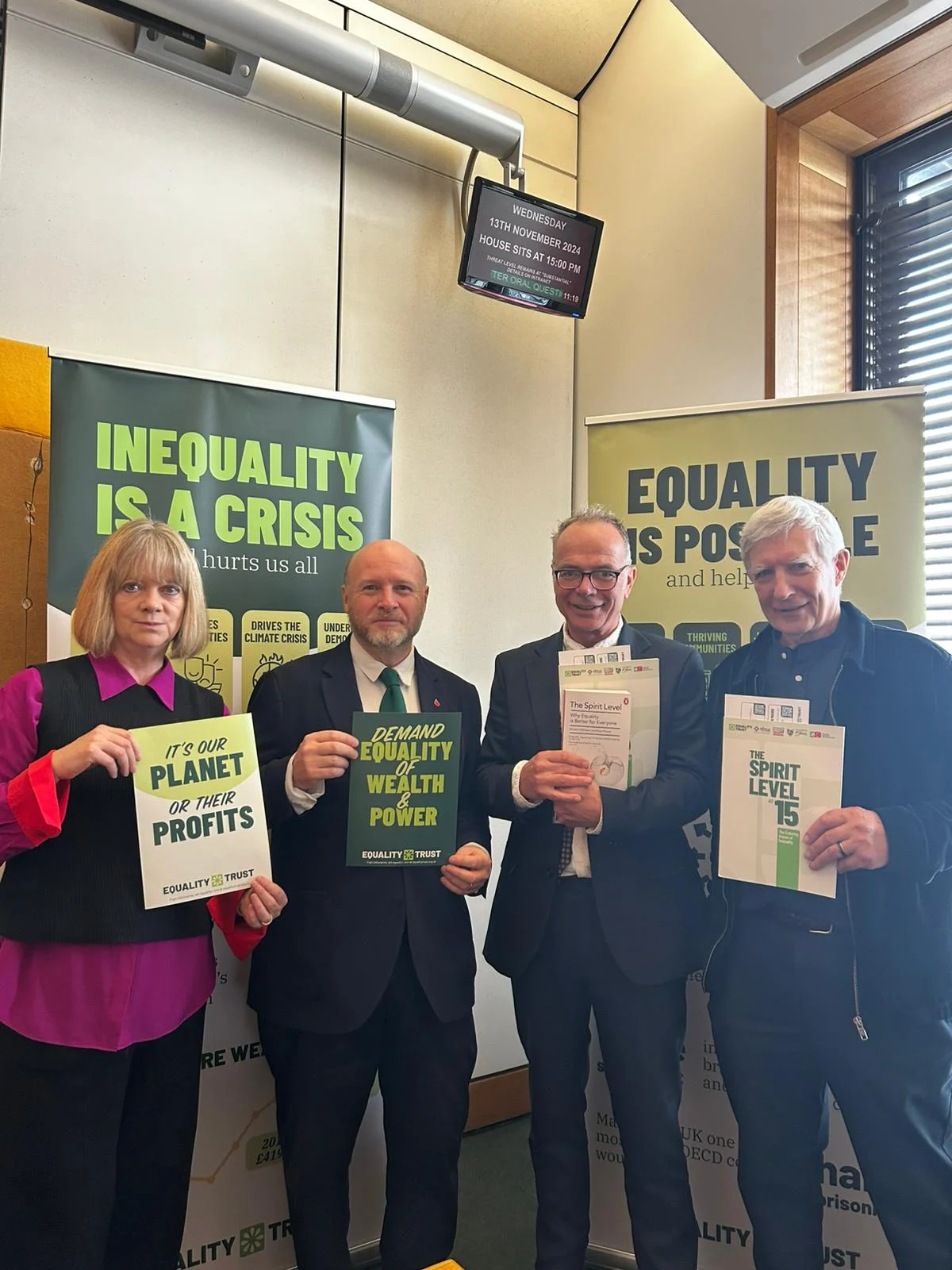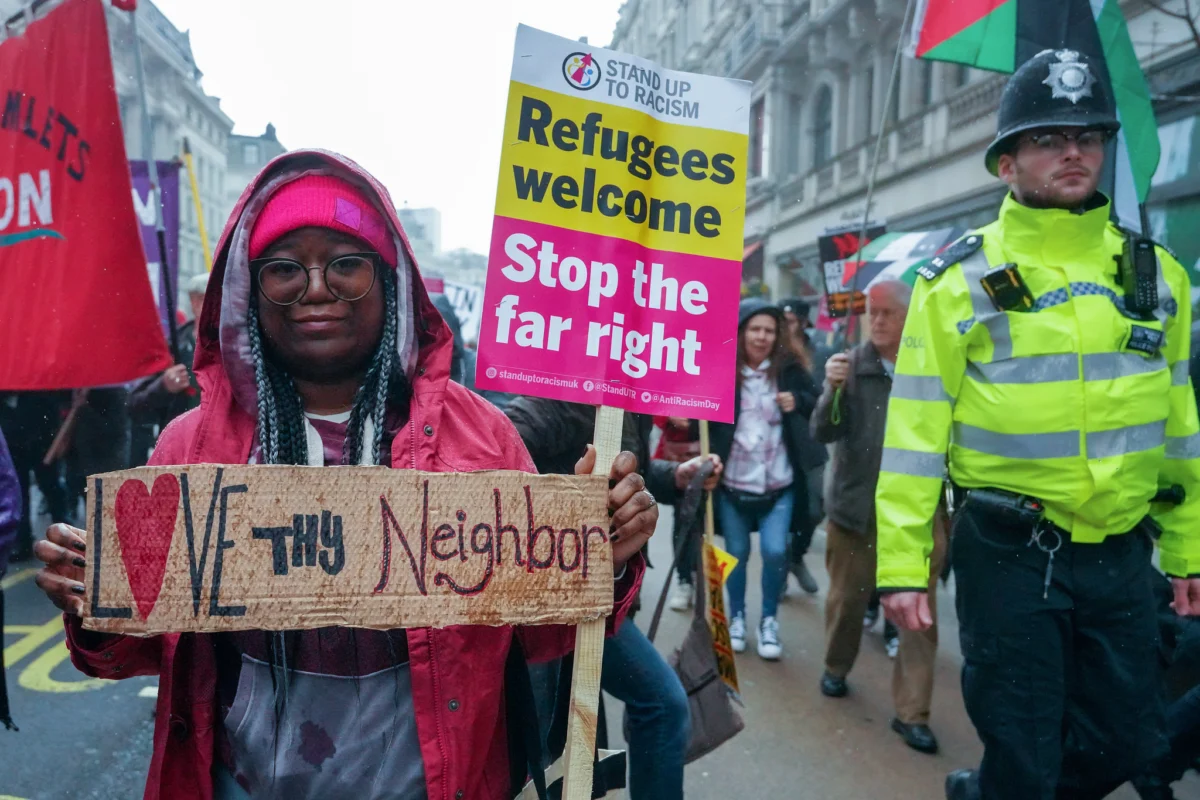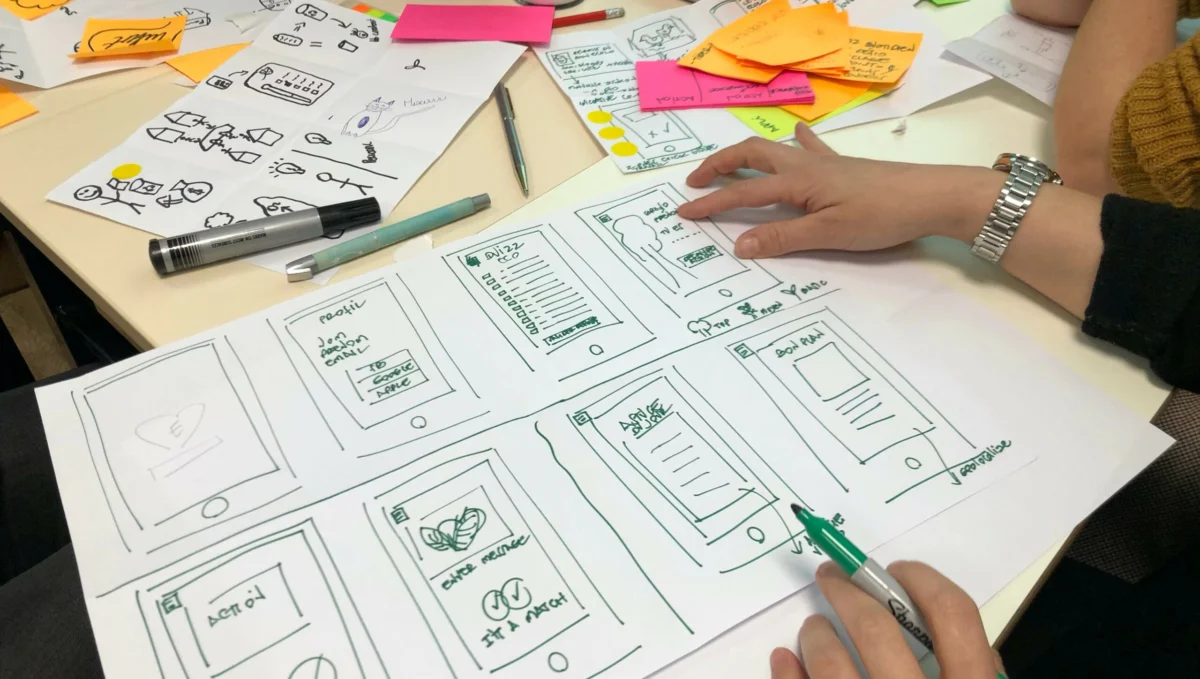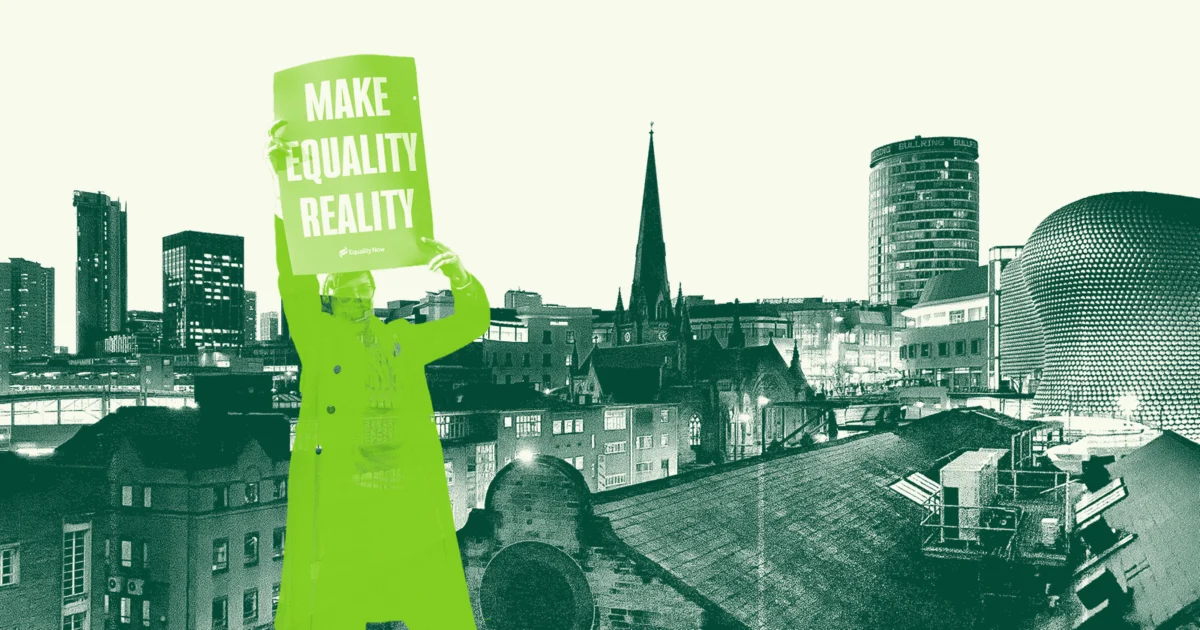
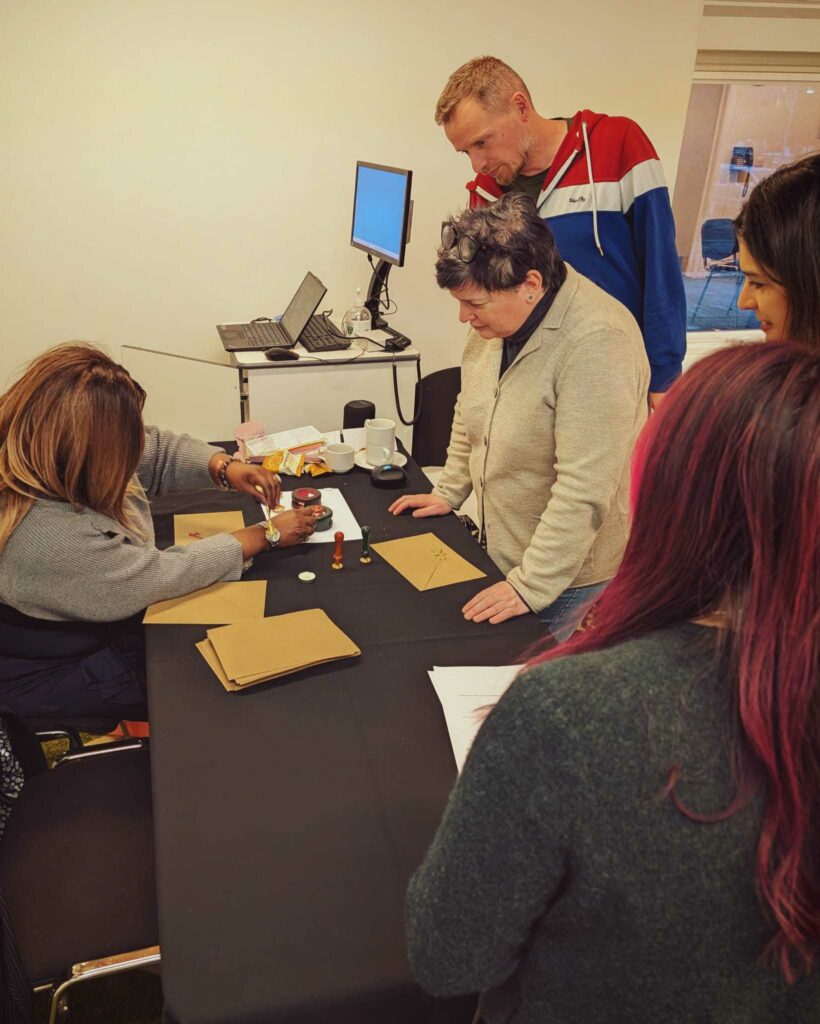
On January 29, 2026, the Midlands Arts Centre (MAC) in Birmingham hosted a landmark workshop and film screening titled "Re-imagine a better Brum!" The event, organized by The Equality Trust, served as a critical platform for residents, activists, and academics to confront the widening gap in cultural access and explore the systemic roots of socio-economic inequality within the UK’s second city. Led by Charlie McNeill, the Senior Project Officer for the Socio-Economic Duty (SED) at The Equality Trust, the gathering brought together a diverse coalition of stakeholders, including representatives from the Save Birmingham campaign, Aston University, and the Flatpack Festival. The centerpiece of the event was the premiere of "Conversations of Change," a documentary film produced by local Community Reporters that captures the lived experiences of Brummies navigating a landscape of dwindling public services and rising costs.
The workshop arrived at a precarious moment for Birmingham. Over the past several years, the city has been at the epicenter of a local government funding crisis, characterized by significant budgetary constraints and the erosion of the "third space"—those community hubs, libraries, and arts venues that exist outside of home and work. The event was not merely a reflection on these losses but a strategic attempt to synthesize community testimony with academic research and policy advocacy to demand a more equitable future for the city.

The Socio-Economic Context: A City at a Crossroads
To understand the urgency of the "Re-imagine a better Brum!" workshop, one must look at the financial and social pressures currently facing Birmingham. In late 2023, Birmingham City Council issued a Section 114 notice, effectively declaring the local authority bankrupt. This led to a series of unprecedented austerity measures, including a 21% increase in council tax over two years and £300 million in spending cuts. Among the hardest-hit sectors were culture and youth services, which saw their budgets slashed as the council moved to prioritize statutory obligations.
The impact of these cuts has been compounded by the national cost-of-living crisis. Data from the Office for National Statistics (ONS) and independent think tanks indicate that Birmingham remains one of the most deprived local authorities in England. According to the Index of Multiple Deprivation (IMD), significant portions of the city fall within the most deprived 10% of the country. For these residents, the "poverty premium"—the higher cost of living associated with being poor—extends beyond utilities and groceries into the realm of cultural participation. When public transport costs rise and community centers close, the barrier to accessing arts and recreation becomes insurmountable for low-income households.
Conversations of Change: The Role of Community Reporting
The "Conversations of Change" film, screened during the workshop, was the culmination of months of field research conducted by Community Reporters Alev, Arash, and Jennifer. This initiative, supported by The Equality Trust, utilizes a "lived experience" methodology. Rather than relying solely on top-down statistical analysis, the project empowers residents to act as journalists and researchers within their own neighborhoods.
The reporters interviewed a broad spectrum of "storytellers"—local residents who shared how socio-economic inequality has altered their relationship with the city. The recurring themes in these interviews included the loss of local identity as creative spaces vanish and the psychological impact of being priced out of the city’s cultural core. For many, the closure of a local library or the unaffordability of a theater ticket is not just a missed entertainment opportunity; it is a form of social exclusion that weakens community cohesion.
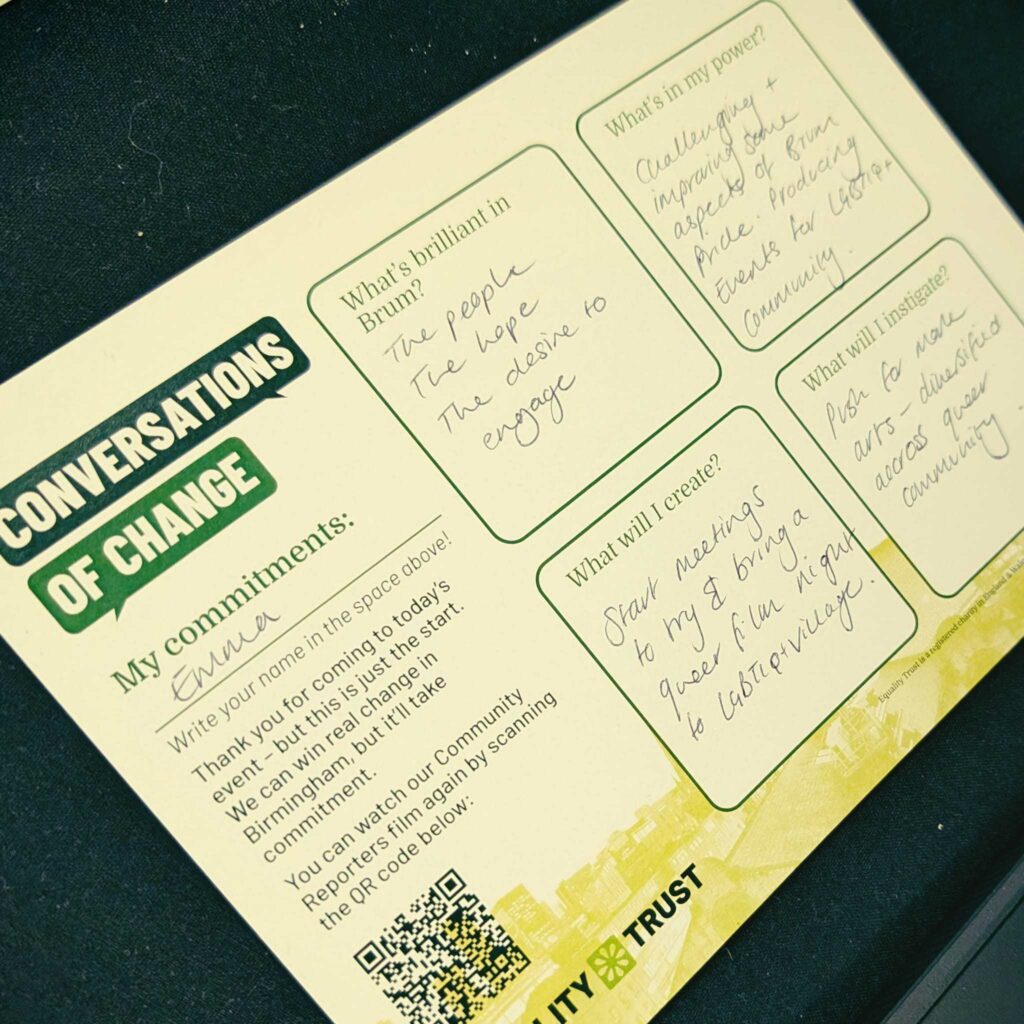
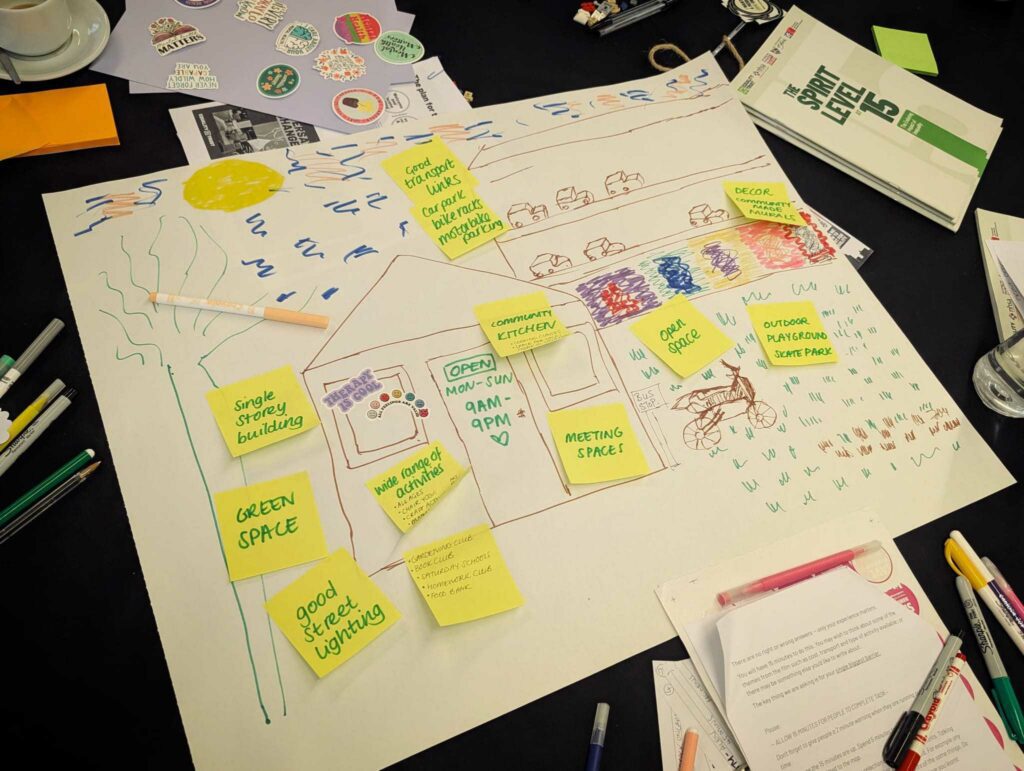
The film served as a prompt for the workshop’s breakout sessions, where attendees were asked to envision a Birmingham "without barriers." This exercise in radical imagination was designed to move participants away from a mindset of managed decline and toward one of transformative change.
Expert Perspectives: Advocacy and Academic Insights
The workshop benefited from the contributions of several key figures in Birmingham’s advocacy and academic sectors. Kathy Hopkin of Save Birmingham provided a critical update on the campaign to protect the city’s community assets. Save Birmingham has been instrumental in mobilizing public opposition to the sale of council-owned buildings, arguing that these spaces are the "social fabric" required for a functioning democracy.
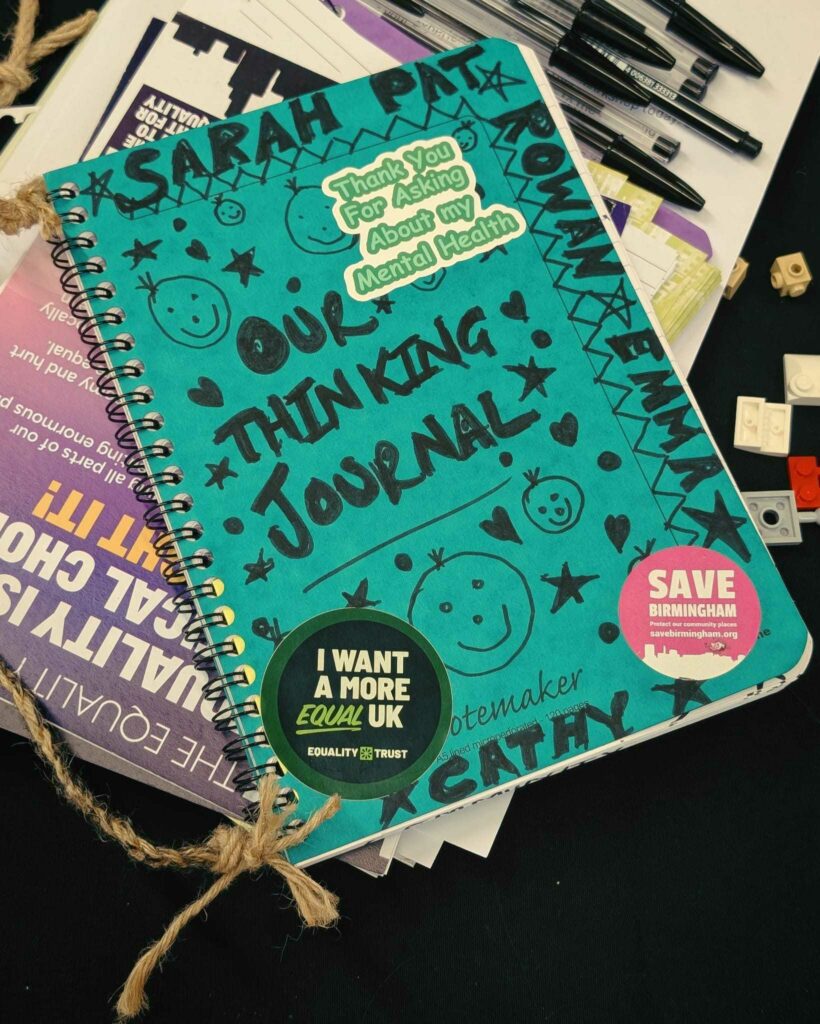
Dr. Pat Rozbicka, a researcher from Aston University, brought an academic lens to the discussion, focusing on the cultural ecosystem of the city. Dr. Rozbicka’s work often highlights the importance of the night-time economy and the grassroots music scene, which are frequently overlooked in large-scale urban regeneration projects. Her contributions underscored the fact that cultural venues are also economic drivers and employers, particularly for younger generations.
Ian Francis, representing the Flatpack Festival, discussed the challenges of maintaining a vibrant arts scene in a climate of disinvestment. Flatpack has long been a proponent of decentralized culture, bringing cinema and art to non-traditional spaces across Birmingham. Francis emphasized that while resilience is a hallmark of the city’s creative sector, it should not be a substitute for sustainable public funding.
Data-Driven Analysis of Cultural Inequality
The discussions at the Midlands Arts Centre were supported by alarming data regarding the "participation gap" in the UK. Research by the Creative Industries Policy and Evidence Centre (PEC) has shown that individuals from working-class backgrounds are significantly less likely to work in or consume professional arts and culture compared to those from more affluent backgrounds.
In Birmingham, this gap is exacerbated by geography. The city’s "Big City Plan" and various redevelopment schemes have focused heavily on the city center, often at the expense of the outer wards. Workshop participants noted that while the city center may boast world-class venues, the lack of affordable, reliable transport makes these locations inaccessible to residents in areas like Erdington, Northfield, or Hodge Hill.
Furthermore, the "recreation" aspect of the workshop’s remit highlighted a growing crisis in physical health. As youth centers and sports grounds are sold or fall into disrepair, the opportunities for free or low-cost physical activity diminish, contributing to the city’s existing health inequalities.
A Chronology of the Project
The January 29 workshop was a milestone in a longer timeline of advocacy and community engagement:
- Summer 2025: The Equality Trust, funded by the Barrow Cadbury Trust’s Economic Justice program, began recruiting Community Reporters in Birmingham. The goal was to investigate how the Socio-Economic Duty (Section 1
of the Equality Act 2010) could be better implemented at a local level. - Autumn 2025: Reporters Alev, Arash, and Jennifer underwent training in ethical interviewing and film production. They began conducting deep-dive interviews with residents across the city’s diverse wards.
- December 2025: Film editor Keiran Fuller began synthesizing the raw footage into "Conversations of Change," focusing on the intersection of economic hardship and cultural exclusion.
- January 2026: The film was finalized, and the "Re-imagine a better Brum!" event was convened to present the findings to the public and policymakers.
- Post-January 2026: The Equality Trust plans to use the workshop’s findings to lobby local and national government for the formal adoption of the Socio-Economic Duty, which would require public bodies to consider how their decisions reduce inequalities of outcome caused by socio-economic disadvantage.
Broader Implications and Policy Recommendations
The findings from the workshop and the "Conversations of Change" film have implications that extend far beyond Birmingham. The city serves as a case study for the "broken system" that The Equality Trust seeks to address nationwide. The reliance on competitive bidding for short-term cultural grants, the privatization of public spaces, and the failure to protect community assets are trends seen across the United Kingdom.
The workshop concluded with several key calls to action:
- Mandatory Socio-Economic Duty: Advocacy for the government to fully commence Section 1 of the Equality Act 2010, ensuring that all local authorities must consider the impact of their budgets on the poor.
- Protection of Community Assets: A demand for a "Community Right to Buy" that is more robust, preventing the sale of libraries and community centers to private developers.
- Sustainable Cultural Funding: A shift away from "prestige projects" toward a funding model that supports grassroots organizations and neighborhood-level cultural participation.
- Integrated Transport and Culture Policy: Recognizing that cultural access is a transport issue, calling for subsidized travel for young people and those on low incomes to access the city’s arts infrastructure.
Conclusion: The Path to Economic Justice
The "Re-imagine a better Brum!" event was a testament to the power of collective voice in the face of systemic neglect. By combining the emotional weight of personal storytelling with the rigor of academic research and the focus of political advocacy, The Equality Trust and its partners have created a blueprint for community-led resistance.
The project, funded by the Barrow Cadbury Trust, demonstrates that economic justice is not just about income redistribution; it is about the right to participate fully in the life of one’s city. As Birmingham continues to navigate its financial recovery, the insights gathered at the Midlands Arts Centre will serve as a vital reminder that a city’s worth is measured not by its skyline, but by the accessibility of its culture and the dignity afforded to its most vulnerable residents. The work of Alev, Arash, Jennifer, and the countless storytellers involved has ensured that the conversation about Birmingham’s future is no longer happening behind closed doors, but is being led by the people who call the city home.