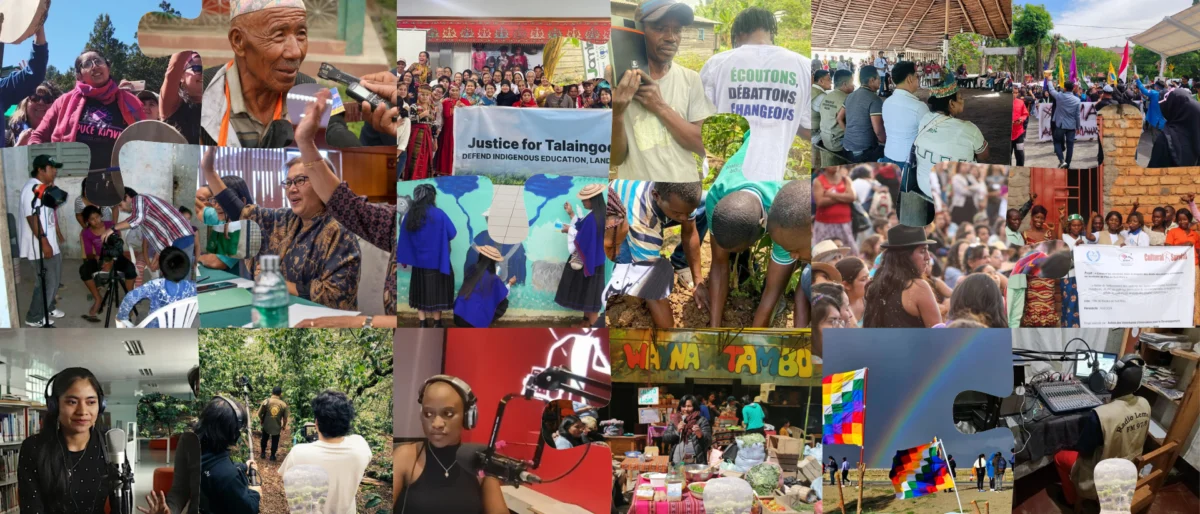
At Cultural Survival, the vital role of Indigenous media in preserving and amplifying the voices, knowledge, and aspirations of Indigenous Peoples worldwide is a cornerstone of their mission. Recognizing this critical function, the organization has announced the recipients of its 2026 Indigenous Community Media Fund grants, totaling $257,000. This latest investment will support 36 distinct communication projects across 23 countries spanning the Americas, Asia, and Africa, further solidifying the fund’s commitment to empowering Indigenous communities through media.
Since its inception in 2017, the Indigenous Community Media Fund has become a significant driver of Indigenous-led media initiatives. To date, it has disbursed a cumulative total of $3,086,561 through 455 grants, reaching projects in 42 countries across four continents. This extensive reach underscores a sustained effort to foster intercultural dialogue, facilitate intergenerational knowledge transfer, and bolster community collaboration. Crucially, these grants empower Indigenous Peoples to exercise their fundamental right to free and informed decision-making, enabling them to pursue holistic well-being, cultivate harmonious coexistence, champion diversity, and assert control over their own narratives.
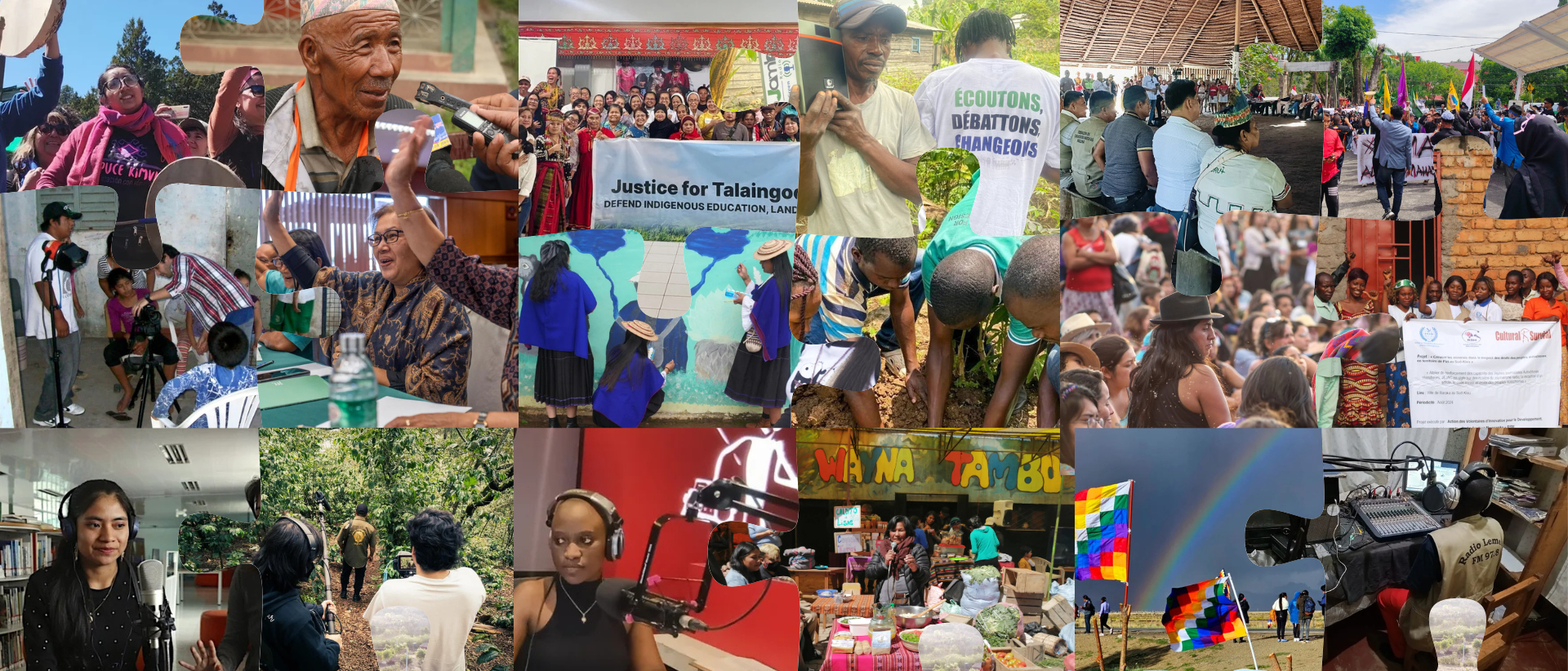
The 2026 funding cycle continues this trajectory, with grants allocated to projects that will address a diverse range of needs, from strengthening media infrastructure and acquiring essential equipment to enhancing digital and technical capacities and producing vital content. Thematic areas of focus for these funded projects include critical issues such as climate change adaptation and mitigation, the defense of ancestral territories, effective natural disaster response strategies, and the overarching goal of strengthening Indigenous cultures, languages, and communication systems.
The selected projects represent a broad spectrum of Indigenous communities and their unique media endeavors. In the Americas, grants will support initiatives aimed at preserving and revitalizing Indigenous languages through broadcast and digital platforms, documenting traditional ecological knowledge for climate resilience, and creating community radio programs to address local governance and land rights. These projects are designed to ensure that Indigenous perspectives are central to discussions on development, environmental stewardship, and cultural preservation within their respective regions.
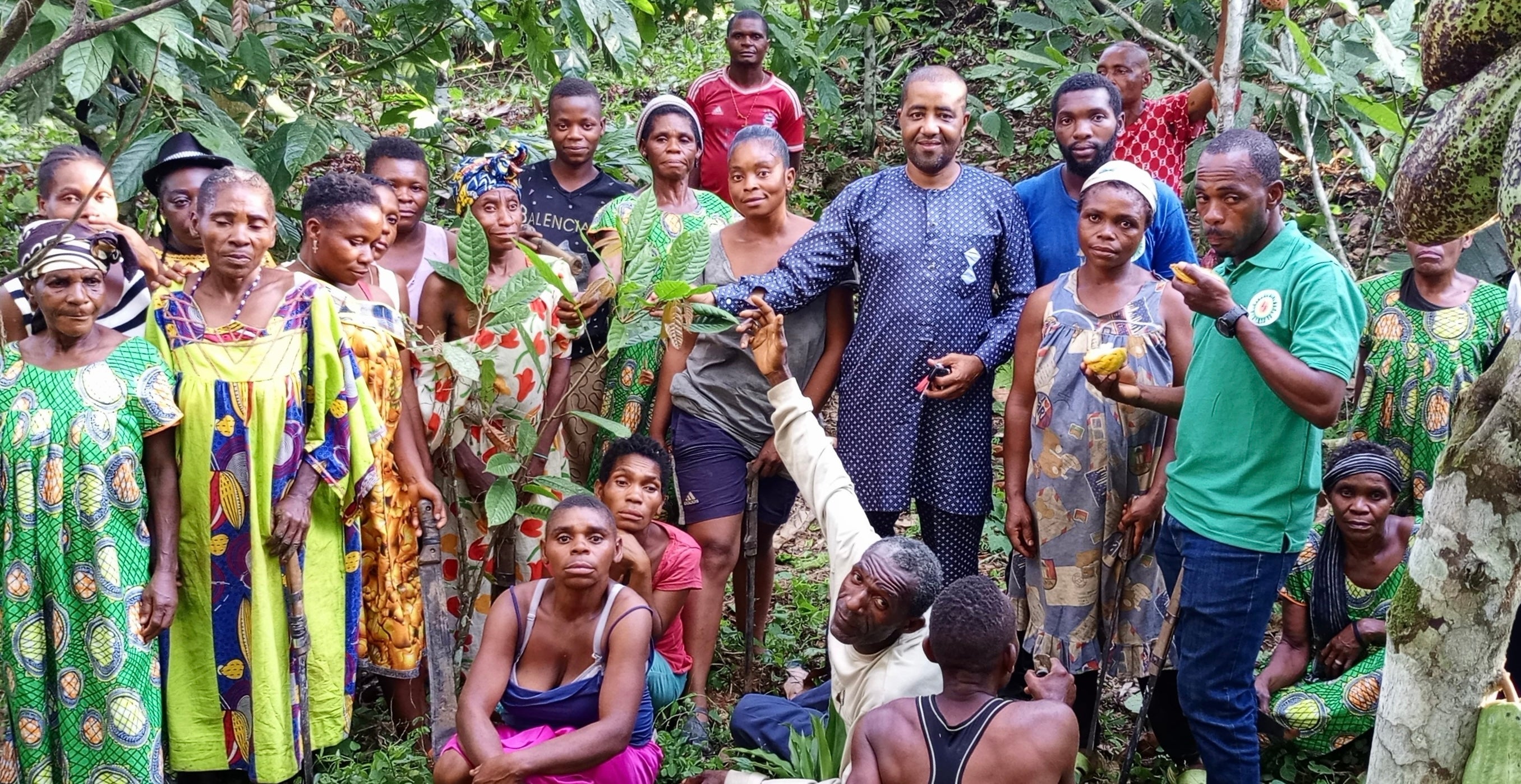
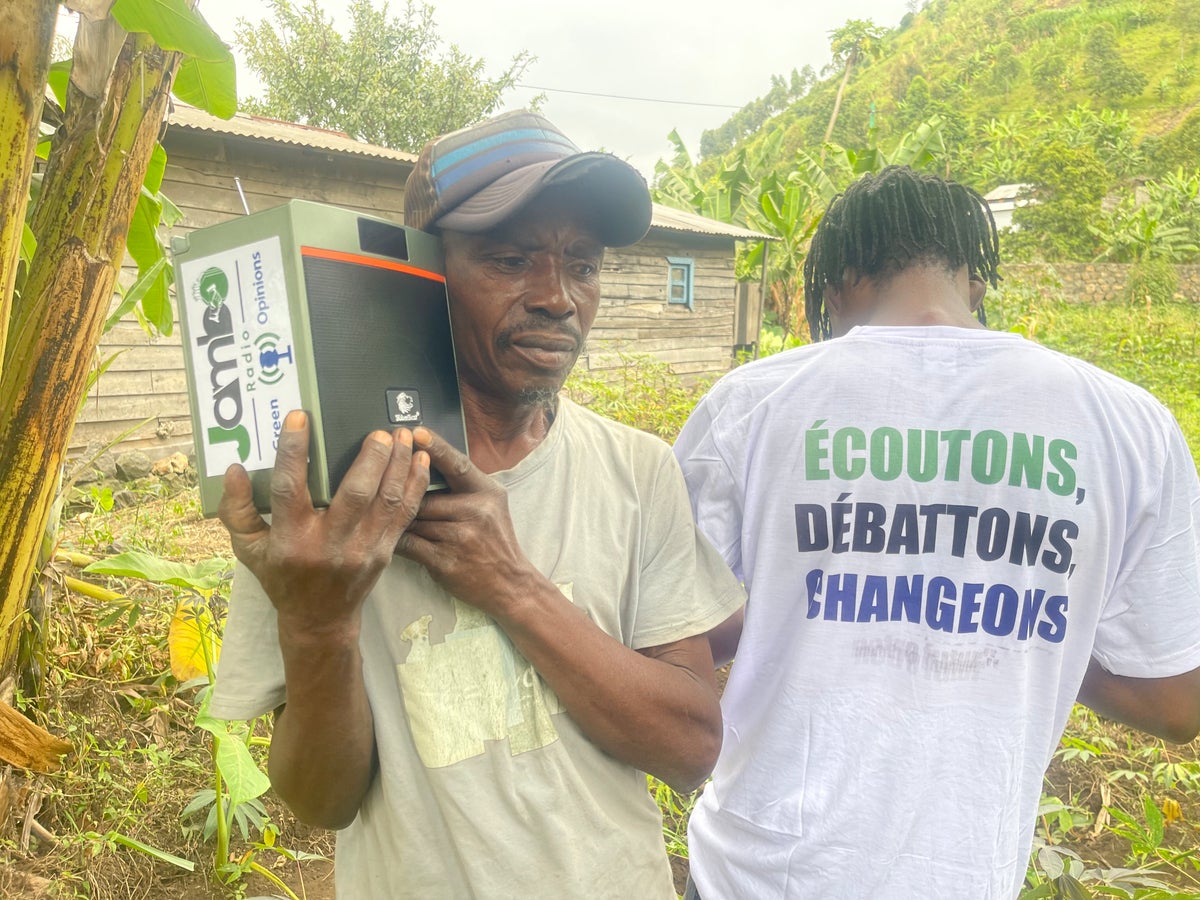
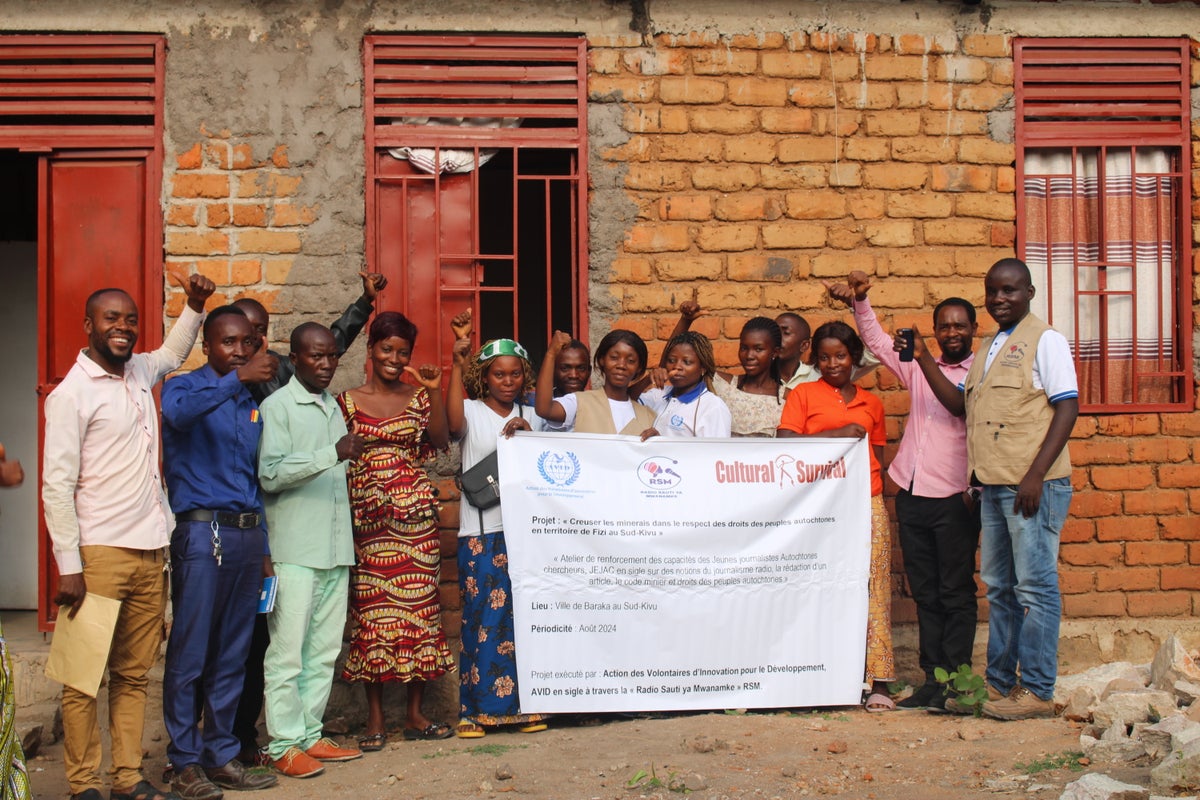
The African continent will see a significant influx of support for media projects tackling pressing social and environmental challenges. For instance, initiatives in the Democratic Republic of the Congo will focus on empowering marginalized Batwa communities to share their stories and advocate for their rights through community radio and digital storytelling. Similarly, projects in Uganda aim to document and promote the cultural heritage of the Bamasaba people, while initiatives in Zimbabwe will work to amplify the voices of the Ndau community, particularly in response to environmental changes and socio-economic challenges. These projects highlight the resilience and innovation of Indigenous media in Africa, often operating in contexts with limited resources but immense potential for impact.
In Asia, the funded projects are poised to make a substantial contribution to the preservation of cultural diversity and the empowerment of Indigenous communities. In Indonesia, support will go towards media initiatives by the Minahasa people to document traditional practices and advocate for cultural recognition. The Philippines will benefit from grants supporting the Lumad communities’ efforts to combat misinformation and advocate for their ancestral domains through community-based media. These projects underscore the critical role Indigenous media plays in asserting identity, promoting self-determination, and safeguarding cultural heritage in the face of rapid development and external pressures.
A Chronology of Support for Indigenous Media
The establishment of the Indigenous Community Media Fund in 2017 marked a pivotal moment in Cultural Survival’s long-standing commitment to Indigenous media. Prior to this dedicated fund, support for Indigenous media was often integrated into broader program initiatives. The creation of the fund allowed for a more targeted and scalable approach to addressing the specific needs and challenges faced by Indigenous communicators globally.
- 2017: Cultural Survival launches the Indigenous Community Media Fund, recognizing the escalating need for dedicated financial and technical support for Indigenous-led media initiatives.
- 2017-2025: The fund consistently provides grants to a growing number of projects, demonstrating an increasing demand for its services and a widening network of supported Indigenous media organizations. During this period, the fund has supported 455 grants totaling $3,086,561 across 42 countries.
- 2026: The most recent funding cycle announces grants for 36 projects in 23 countries, allocating $257,000. This cycle highlights a continued focus on critical issues such as climate change, territorial defense, and cultural preservation. The geographical distribution of these grants reflects a commitment to supporting Indigenous media across diverse global contexts.
Supporting Data: The Impact of the Fund
The cumulative financial investment of over $3 million since 2017 represents more than just monetary value; it signifies a tangible commitment to the sustainability and growth of Indigenous media ecosystems. The distribution of these funds across 42 countries on four continents illustrates a deliberate strategy to empower Indigenous communities globally, recognizing the universality of their right to communicate and self-determination.
The 2026 cycle alone, with its $257,000 allocation to 36 projects, demonstrates a focused investment. These grants will directly benefit communities in countries such as Argentina, Bolivia, Cameroon, Canada, Chile, Colombia, the Democratic Republic of the Congo, Guatemala, Indonesia, Kenya, Malaysia, Mexico, Nepal, Peru, the Philippines, South Africa, Tanzania, Thailand, Uganda, the United States, and Zimbabwe. The breadth of this geographic coverage underscores the pervasive need for Indigenous media support and the widespread impact of the fund.
Project Focus Areas and Their Significance
The thematic areas prioritized by the funded projects are not arbitrary; they reflect the most pressing challenges and opportunities facing Indigenous Peoples today.
- Climate Change: Indigenous communities are often at the forefront of climate change impacts. Media projects focused on this theme will enable communities to document environmental changes, share traditional knowledge for adaptation, and advocate for climate justice. This aligns with global efforts to understand and mitigate climate change, with Indigenous perspectives offering invaluable insights.
- Territorial Defense: The protection of ancestral lands and natural resources is a critical struggle for many Indigenous Peoples. Media can be a powerful tool for raising awareness, documenting violations, mobilizing communities, and advocating for land rights on national and international stages.
- Natural Disaster Response: Indigenous communities frequently possess deep knowledge of their local environments, which can be crucial for effective disaster preparedness and response. Media projects can facilitate the sharing of this knowledge, coordinate community efforts, and ensure that the voices of those most affected are heard during crises.
- Strengthening Indigenous Cultures, Languages, and Communication: This overarching goal is fundamental to cultural survival and self-determination. By supporting the creation of media in Indigenous languages, documenting oral histories, and revitalizing cultural practices, the fund helps ensure that these invaluable traditions are passed down to future generations and that Indigenous Peoples can communicate their identities on their own terms.
Official Statements and Inferred Reactions
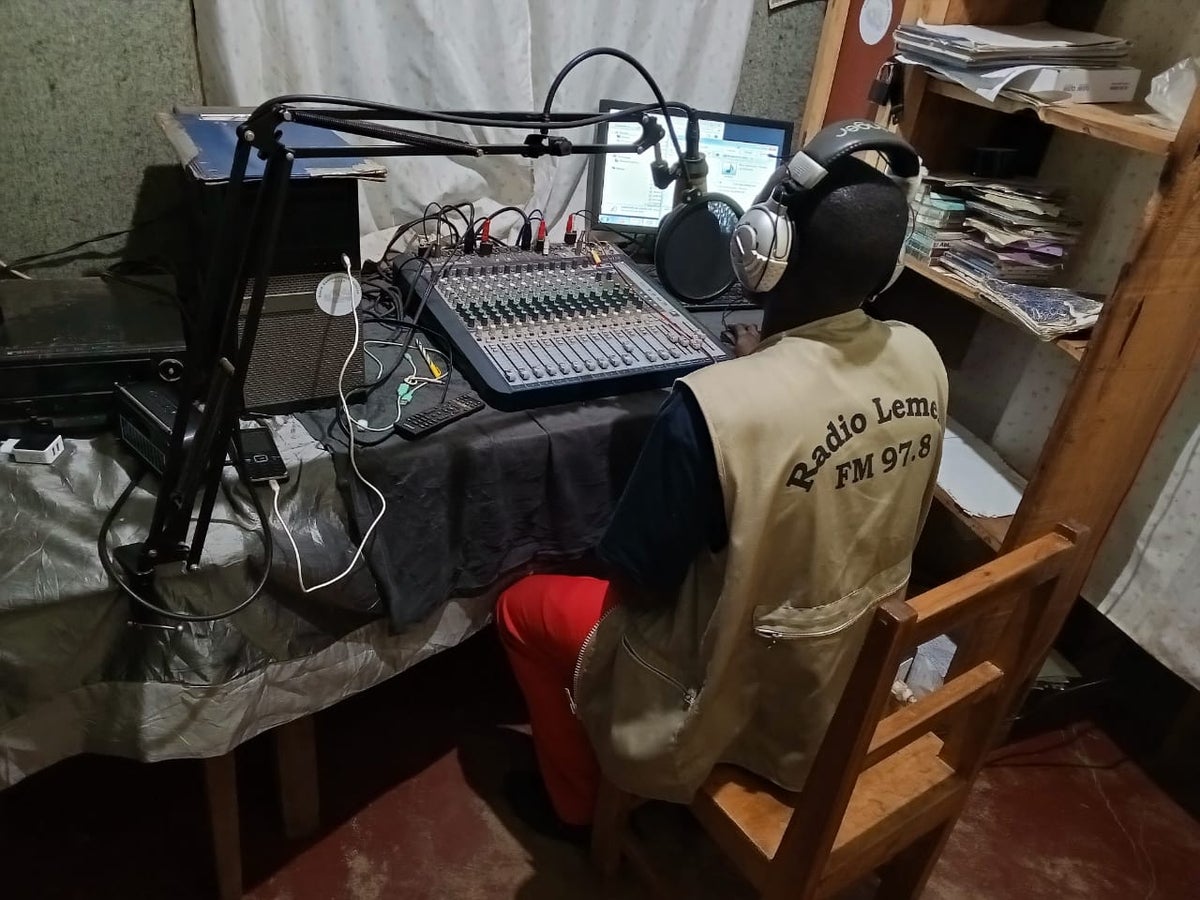
While specific official statements from the recipient organizations are not provided in the source material, the act of applying for and receiving grants from the Indigenous Community Media Fund implies a profound sense of urgency and purpose within these communities. The selection process itself, managed by Cultural Survival, involves rigorous evaluation of project proposals, ensuring that the allocated funds are directed towards initiatives with clear objectives, community support, and the potential for lasting impact.
Cultural Survival’s ongoing commitment, as articulated in their statement, highlights their belief that "Indigenous media is essential for amplifying their voices, preserving their memory, and ensuring the continuity of their Traditional Knowledge." This sentiment is likely echoed by the grant recipients, who view this funding not merely as financial assistance but as validation of their crucial work and a vital enabler of their efforts to maintain cultural integrity and advocate for their rights.
Broader Impact and Implications
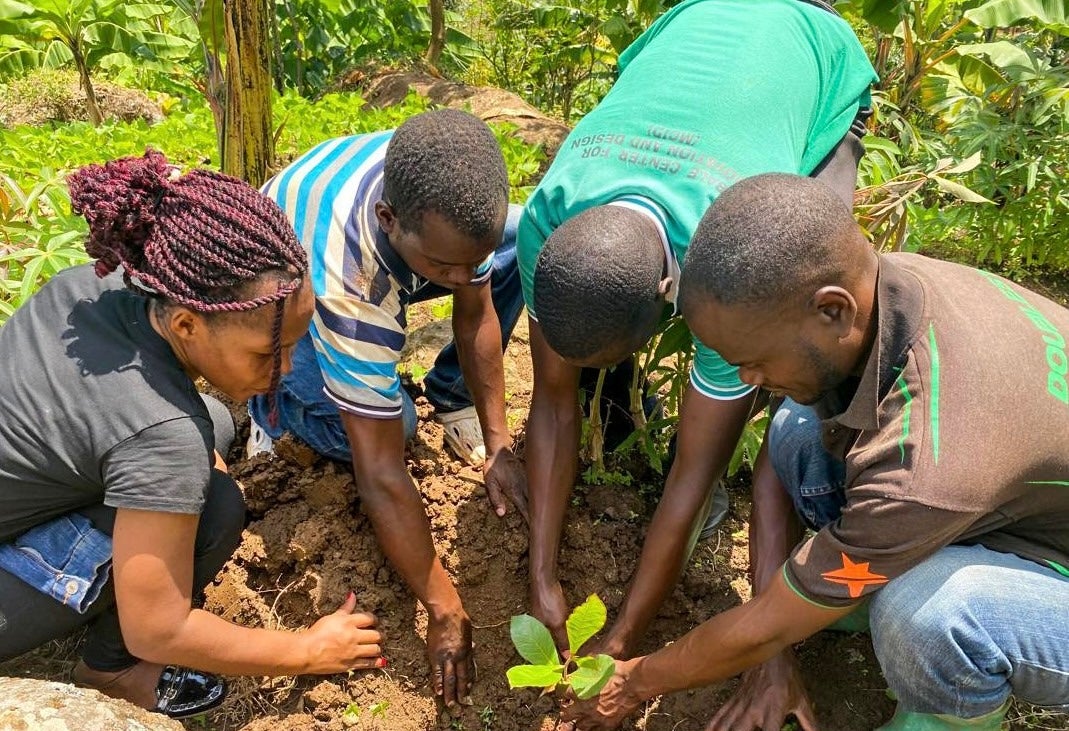
The investment by Cultural Survival’s Indigenous Community Media Fund has far-reaching implications. By empowering Indigenous communities to control their own media narratives, the fund contributes to:
- Enhanced Self-Determination: Indigenous media allows communities to articulate their own priorities, challenges, and solutions, fostering greater agency and control over their futures.
- Cultural Preservation and Revitalization: Media platforms provide a dynamic space for the transmission of languages, traditions, and knowledge systems, ensuring their survival and evolution.
- Increased Visibility and Advocacy: Indigenous voices, amplified through media, can reach wider audiences, fostering greater understanding and support for their rights and concerns on both local and global levels.
- Intercultural Dialogue and Understanding: By sharing their stories and perspectives, Indigenous media contributes to a more nuanced and accurate understanding of diverse cultures, promoting respect and challenging stereotypes.
- Resilience and Adaptation: Media initiatives focusing on climate change and disaster response equip communities with the tools and information needed to adapt to environmental challenges and build resilience.
The sustained support provided by the Indigenous Community Media Fund is not just about broadcasting stories; it is about cultivating a landscape where Indigenous Peoples can freely express their identities, safeguard their heritage, and actively shape their destinies in an increasingly complex world. The 36 projects funded in 2026 represent a significant step forward in this vital endeavor, demonstrating the power of media as a tool for empowerment, preservation, and progress.