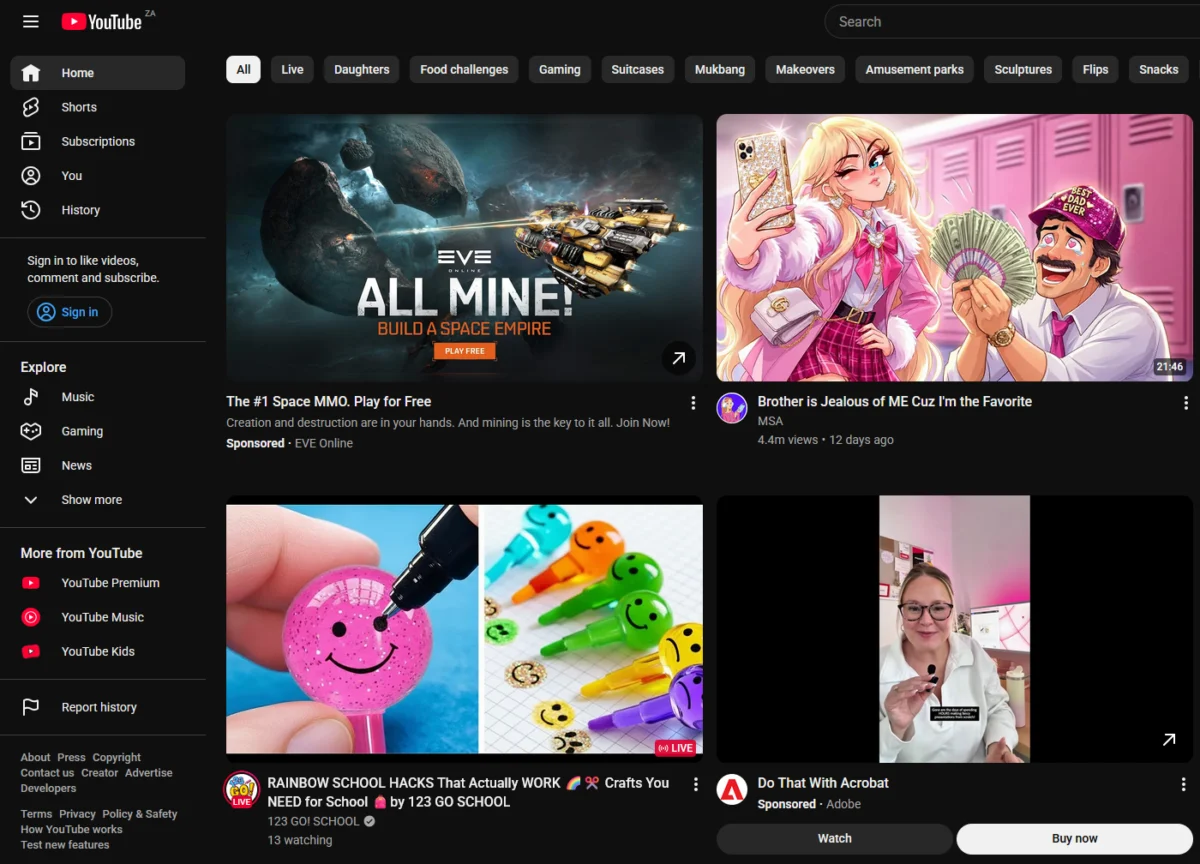
The landscape of digital interaction has undergone a fundamental transformation over the past two decades, transitioning from a tool for purposeful communication into a sophisticated engine for attention harvesting. In the early era of social media, platforms were characterized by finite experiences. Facebook’s news feed possessed a definitive end point, Instagram notified users when they were "all caught up," and Reddit utilized a paginated structure that required active intent to continue browsing. Today, these "stopping cues"—psychological signals that allow a user to disengage—have been systematically removed across the industry. This shift is not merely a design preference but the cornerstone of a global attention economy where human focus is the primary commodity being processed and sold to the highest bidder.
The Economic Foundation of Attention Harvesting
The prevailing business model of the modern internet is summarized by the maxim popularized in the 2020 documentary The Social Dilemma: "If you’re not paying for the product, you are the product." For social media conglomerates, the user is not the customer; the customer is the advertiser. The user is the raw material. To maintain a sustainable revenue stream, platforms must ensure that "eyeballs" remain glued to screens, as every additional second of engagement represents a potential ad impression and a new data point for behavioral profiling.
Psychotherapists and behavioral scientists have observed that this model necessitates a conflict of interest between corporate profitability and user well-being. Megan Collins, a licensed marriage and family therapist, notes that in this ecosystem, "Your attention is currency. Someone is spending it—and it isn’t you." This economic reality has led to the "enshittification" of digital services—a term coined by writer Cory Doctorow to describe the lifecycle of platforms that initially offer value to users, then shift to exploit users for the benefit of business customers, and finally exploit those business customers to claw back value for shareholders.
A Chronology of Digital Erosion: 2006 to 2026
The transition from user-centric tools to attention-extractive machines has followed a clear historical trajectory:

- 2006: The Inception of the Feed. Facebook introduced the "News Feed," shifting the platform from a directory of profiles to a centralized stream of updates. In the same year, Aza Raskin created the "infinite scroll" concept, a design choice he would later publicly regret, comparing it to "behavioral cocaine."
- 2012–2014: The Mobile Pivot. As smartphone adoption became universal, legacy media and social platforms integrated estimated "read times" and push notifications. This era marked the beginning of "dopamine machines" in every pocket, where algorithms began prioritizing engagement over chronological relevance.
- 2016: The Death of the Chronological Feed. Instagram and Twitter (now X) moved away from time-based feeds in favor of algorithmic sorting. This allowed platforms to inject "recommended content" and advertisements more seamlessly, effectively removing the user’s ability to "finish" their feed.
- 2020–2022: The Short-Form Revolution. The rise of TikTok introduced a hyper-optimized feedback loop. By utilizing full-screen, auto-playing video and a "For You" page that requires zero user input to stay active, the platform set a new industry standard for retention.
- 2024–2026: The Era of Saturation and Litigation. Platforms have increasingly moved toward unskippable ads and "premium" tiers that charge users for the basic privacy and usability that were once standard. This period has also seen a surge in legal challenges, including landmark U.S. trials accusing Meta and Alphabet (YouTube) of intentionally designing features to addict young users.
The Psychological Mechanics of Engagement
The effectiveness of these platforms relies on exploiting vulnerabilities in human biology, specifically the prefrontal cortex and the dopamine-driven reward system. The prefrontal cortex, responsible for impulse control and long-term planning, does not fully mature until an individual is in their late 20s. Consequently, younger demographics are particularly susceptible to the "variable reward" schedules used by social media—the same psychological mechanism that makes slot machines addictive.
"Smartphones put dopamine machines in every pocket," Collins explains. "Algorithms learned what kept you scrolling, and free apps turned out to cost something after all—not just money. The infrastructure to hijack human focus was fully built, globally scaled, and endlessly refined."
Common tactics used to sustain this "hijack" include:
- Infinite Scroll: By removing natural stopping points, platforms prevent the "unit bias" that usually tells the brain a task is complete.
- Weaponized Loss Aversion: Notifications are often designed to trigger a Fear Of Missing Out (FOMO). Modern notification centers frequently omit details to force the user to open the app to see the full context of a message or update.
- Emotional Priming: Algorithms favor content that is emotionally charged—using high-tempo audio, vivid colors, and inflammatory language—because outrage and excitement are more effective at sustaining attention than neutral information.
Industry Trends and Data
The financial success of this model is undeniable. In 2023, Meta (the parent company of Facebook and Instagram) reported an annual revenue of approximately $134 billion, the vast majority of which came from advertising. Alphabet, the parent company of Google and YouTube, reported revenues exceeding $307 billion. These figures are driven by a global average of 2 hours and 23 minutes spent on social media per person, per day.
However, the human cost is becoming increasingly visible in public health data. Studies have linked excessive social media use to rising rates of anxiety, depression, and sleep disruption among adolescents. A 2025 report from Amnesty International highlighted how Meta’s algorithmic changes have impacted societal cohesion, suggesting that the drive for engagement often results in the amplification of polarizing and harmful content.

Corporate Responses and Regulatory Scrutiny
Social media corporations often frame these design changes as "improving the user experience" or "helping users find what matters to them." In official statements, companies like Meta have emphasized their investment in "well-being tools," such as screen-time reminders and "quiet mode" features.
However, critics argue these tools are "opt-in" and do little to counter the "opt-out" nature of the underlying algorithms. During recent congressional hearings and trials, internal documents have surfaced suggesting that executives were aware of the addictive nature of their products but prioritized growth metrics over safety interventions.
The legal landscape is shifting in response. The European Union’s Digital Services Act (DSA) and the UK’s Online Safety Act are beginning to impose stricter requirements on how platforms manage algorithmic risks and protect minors. In the United States, several states have filed lawsuits alleging that platforms have contributed to a mental health crisis among youth through deceptive trade practices and intentional design for addiction.
Strategies for Digital Autonomy
As the "enshittification" of the internet continues, experts suggest that users must adopt a more antagonistic relationship with the platforms they use. Rather than viewing themselves as "members" or "fans" of a community, users are encouraged to see themselves as "mined assets" and take active steps to protect their time.
Recommended interventions include:
- Culling Notifications: Disabling all non-human notifications to reduce the frequency of "loss aversion" triggers.
- Audit of Follows: Removing accounts that provide "low-value" entertainment in favor of those that offer genuine utility or connection.
- Utilizing Ad-Blockers and Third-Party Tools: Using tools like SponsorBlock for YouTube or browser extensions that restore chronological feeds can mitigate the impact of algorithmic manipulation.
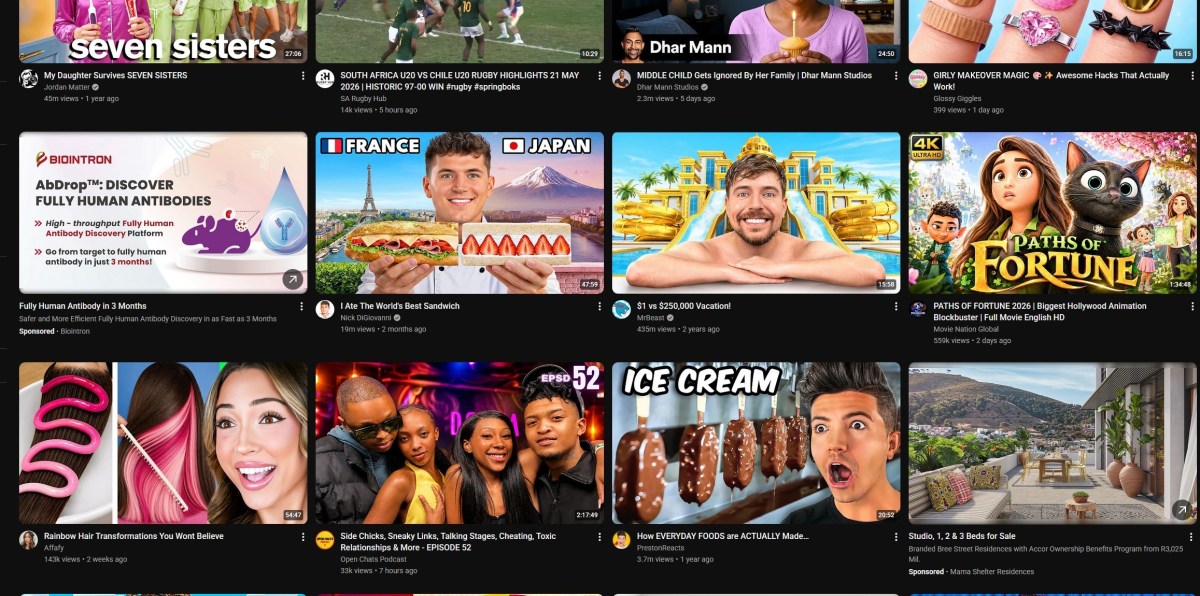
- Recognizing "Bait": Developing a conscious awareness of how emotional thumbnails and clickbait titles are designed to bypass rational thought.
The Future of the Attention Economy
The next frontier of the attention economy is the integration of Generative AI. Platforms are already beginning to use AI to create hyper-personalized content streams that can predict a user’s emotional state in real-time and serve content specifically designed to keep them engaged during moments of vulnerability.
While social media continues to serve as a genuine lifeline for many—providing community for marginalized groups and access to information—the cost of participation is higher than ever. The exploitation of human attention is a systemic issue, one that requires both individual vigilance and robust regulatory oversight.
"The fact that these same platforms are also genuine lifelines makes the exploitation harder to name and harder to leave," Collins concludes. "That’s not an accident." As the digital ecosystem of 2026 becomes increasingly optimized for extraction, the ability to reclaim one’s attention may become one of the most vital skills of the modern age.