Cason Helms, a 41-year-old incarcerated man, was pronounced dead on Sunday, reportedly after a brutal beating by a group of other incarcerated individuals at the Elmore Correctional Facility in central Alabama. This tragic incident marks the ninth death in an Alabama prison within the past nine months, a grim statistic that underscores a deepening crisis within the state’s correctional system, particularly at Elmore, which has accounted for five of these recent homicides. The circumstances surrounding Mr. Helms’ death have reignited urgent calls for systemic reform and intensified scrutiny on the Alabama Department of Corrections (ADOC) amidst ongoing federal litigation concerning the unconstitutional conditions prevalent in its facilities.
The death of Cason Helms on Sunday, February 25, 2024, at the Elmore Correctional Facility adds a tragic chapter to a disturbing pattern of violence. Initial reports, corroborated by investigations from the Equal Justice Initiative (EJI), indicate that Mr. Helms succumbed to injuries sustained during an assault by a group of fellow incarcerated men. While details surrounding the specific motives or events leading to the alleged beating remain under investigation, the incident immediately drew parallels to previous fatalities within the same institution, painting a stark picture of an environment where safety and security appear profoundly compromised. The immediate aftermath saw correctional staff and medical personnel respond to the scene, but Mr. Helms’ injuries proved fatal, leading to his untimely death and sparking another round of inquiries into prison management and inmate safety protocols.
A Lethal Pattern at Elmore Correctional Facility
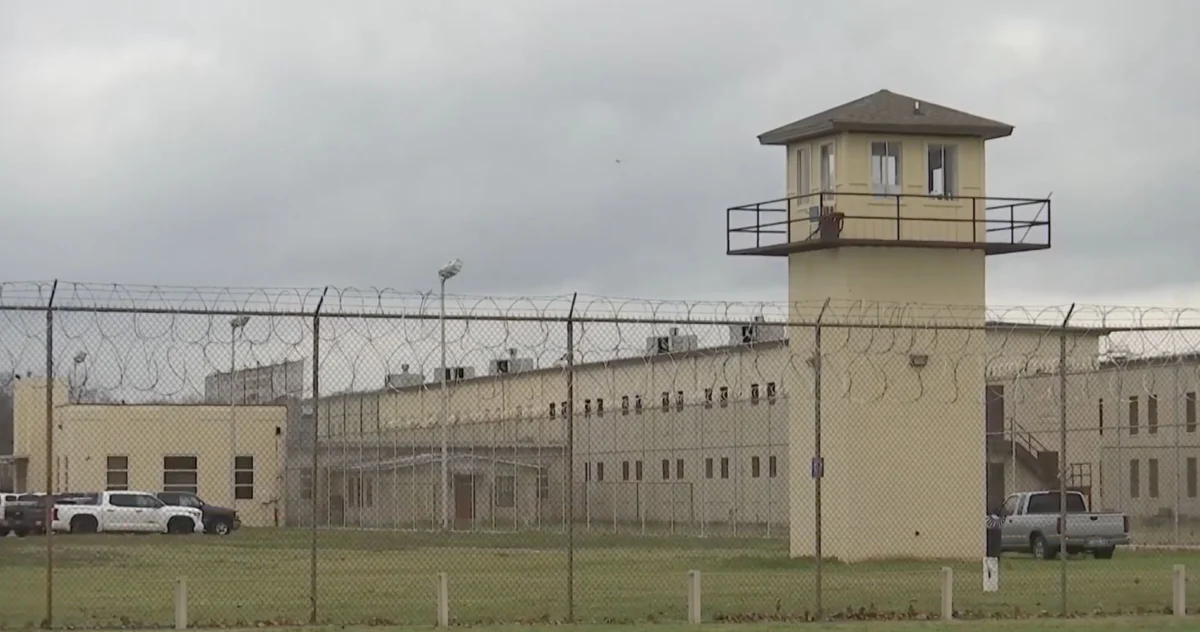
Elmore Correctional Facility, a medium-security state prison for men, has tragically become a focal point of Alabama’s prison crisis. The death of Cason Helms is not an isolated event but rather the latest in a series of violent fatalities that have plagued the institution. Within the last five months alone, Elmore has witnessed five homicides, demonstrating an alarming escalation of violence.
The chronology of these recent deaths paints a grim picture:
- October 30, 2023: Mikheal Gilliam died after being stabbed four days earlier, highlighting the pervasive presence of dangerous weapons within the facility.
- December 9, 2023: Eric Sanders was beaten to death in a dormitory, a stark reminder of the vulnerability of incarcerated individuals within their living quarters.
- January 15, 2024: In a particularly shocking incident, Damon Calhoun and Londell Nunn Jr. were both stabbed to death on the same day, signaling a catastrophic breakdown in control and supervision.
- February 25, 2024: Cason Helms’ death, reportedly from a group beating, further solidifies the perception of Elmore as an exceptionally dangerous environment.
These incidents are not anomalies but are indicative of a deeply entrenched culture of violence. Researchers at EJI have meticulously documented more than 100 homicides of incarcerated people inside Alabama’s prisons since 2019, a period that coincides with heightened federal scrutiny. Elmore Correctional Facility, in particular, has been identified as having a longstanding pattern of serious violence. This violence is multifaceted, encompassing not only conflicts between incarcerated individuals but also documented instances of fatal beatings executed or instigated by correctional officers, a chilling revelation that implicates the very authorities tasked with maintaining order and safety.
The Broader Crisis: Alabama’s Correctional System Under Siege
The crisis at Elmore is symptomatic of systemic failures across Alabama’s entire prison system. The statistic of nine deaths in Alabama prisons in as many months underscores a statewide emergency. These fatalities represent more than just individual tragedies; they are indicators of a correctional system struggling profoundly with overcrowding, understaffing, and a pervasive lack of control.
The Equal Justice Initiative, a non-profit organization dedicated to criminal justice reform, has been at the forefront of documenting these alarming conditions. Their extensive research and advocacy efforts have consistently highlighted the dire circumstances within Alabama’s correctional facilities. The sheer volume of homicides – over 100 since 2019 – far exceeds national averages for state prison systems, pointing to a catastrophic failure of the state to uphold its constitutional obligation to provide a safe environment for those in its custody.
Root Causes of the Escalating Violence
The proliferation of violence within Alabama’s prisons, and particularly at Elmore, is fueled by a complex interplay of factors, many of which have been identified and criticized by federal authorities and advocacy groups alike.
1. Pervasive Contraband and an Underground Economy: A primary driver of violence is the rampant underground economy thriving within the prisons. This illicit market deals in drugs, weapons, and other prohibited items, many of which are reportedly brought in by staff members. The presence of contraband weapons directly facilitates stabbings and other violent assaults, while the widespread availability of illegal drugs creates dependencies, debt, and subsequent conflicts. Extortion is commonplace, and violence frequently serves as a means to collect debts or assert dominance within this shadow economy. The inability of ADOC to control the flow of these illicit items is a critical failure that directly contributes to the dangerous environment.
2. Severe Understaffing and Inadequate Supervision: A critical factor exacerbating the problem is the severe understaffing of correctional officers and the consequent lack of effective supervision. When correctional officers are stretched thin or are not adequately present on prison floors, dormitories, and common areas, it creates a vacuum of authority that is often filled by inmate power structures. This lack of oversight allows disputes to escalate unchecked, providing opportunities for assaults and homicides to occur without immediate intervention. The absence of a robust officer presence also makes it easier for contraband to circulate and for illegal activities to flourish, further entrenching the cycle of violence. The problem of understaffing is not new; it has been a persistent issue for years, with low pay, difficult working conditions, and high turnover rates contributing to a chronic shortage of personnel.
3. Systemic Management Failures and Ineffective Training: Beyond staffing numbers, issues of prison management and staff training have also been identified as significant contributors to the crisis. Ineffective leadership, poor training protocols, and a lack of accountability among staff can lead to a disorganized and dangerous environment. When staff are not properly trained in de-escalation techniques, contraband interdiction, or effective inmate management, the likelihood of violence increases. Furthermore, instances of correctional officers being involved in, or instigating, violence themselves erode trust, undermine authority, and foster a lawless atmosphere.
4. Overcrowding: While not explicitly detailed for Elmore in the immediate reports, overcrowding is a well-documented issue across Alabama’s prison system. Overcrowded conditions exacerbate all other problems: they strain resources, increase tensions among incarcerated individuals, make supervision more difficult, and create more opportunities for conflict in confined spaces.
Statistical Alarms and Dire Projections
The data regarding violence at Elmore Correctional Facility paints an alarming picture. Between 2021 and 2025 (interpreted as a trend leading up to and including current projections), assaults within the facility doubled. Even more critically, the prison’s homicide rate from 2023 to 2025 was more than 20 times the national average homicide rate in state prisons. These statistics are not merely numbers; they represent human lives lost, countless injuries, and an pervasive atmosphere of fear and brutality. Such a disproportionately high homicide rate places Elmore and, by extension, the entire Alabama prison system, among the most dangerous correctional facilities in the nation. The stark contrast with national averages underscores the unique and severe challenges facing Alabama.
Federal Intervention and Legal Battle
The dire conditions within Alabama’s prisons have not gone unnoticed by federal authorities. In 2019, the U.S. Department of Justice (DOJ) launched an investigation and subsequently notified state officials and the Alabama Department of Corrections that its "inability to control the flow of contraband into and within the prisons, including illegal drugs and weapons; and ineffective prison management and training" had contributed to an unconstitutionally "high level of violence." This notification served as a stark warning, indicating that Alabama’s prison conditions violated the Eighth Amendment’s prohibition against cruel and unusual punishment.
Despite this clear warning, violence in Alabama’s prisons continued to escalate, demonstrating the state’s failure to voluntarily remedy the constitutional violations. This prompted the Justice Department to file a comprehensive lawsuit in 2020 against the State of Alabama and the ADOC to compel the state to improve the safety and conditions of its prisons. In a court filing in 2021, federal prosecutors articulated the gravity of the situation, stating that since the DOJ’s initial notification, "prisoners at Alabama’s Prisons for Men have continued daily to endure a high risk of death, physical violence, and sexual abuse at the hands of other prisoners."
The Justice Department determined in 2021 that Alabama’s failure to comply with constitutional requirements voluntarily had made "judicial action…necessary to remedy the violations of law identified…and to vindicate the rights of the individuals incarcerated in Alabama’s prisons for men." This legal action signifies a profound breakdown in the state’s ability to manage its correctional system and protect those within its care.
The State’s Response and Financial Implications
In response to the federal lawsuit and the mounting pressure for reform, the Alabama Department of Corrections and the state have largely resisted compliance, opting instead to defend their practices in court. Since the initiation of the DOJ lawsuit, ADOC has reportedly spent millions of dollars on lawyers to defend its unconstitutional practices. This significant expenditure on legal defense has drawn criticism from advocates who argue that these funds could be better utilized to address the root causes of the crisis, such as increasing staff salaries, improving training, implementing effective contraband interdiction strategies, and investing in rehabilitative programs.
Official statements from ADOC regarding individual incidents typically acknowledge the death, state that an investigation is underway, and reiterate a commitment to the safety and security of staff and incarcerated individuals. However, these statements are often perceived as insufficient by critics who point to the persistent pattern of violence as evidence of a lack of effective action. The state’s ongoing legal battle with the DOJ signals a reluctance to fully embrace the systemic reforms that federal authorities deem necessary.
Implications and Future Outlook
The death of Cason Helms, like the many before him, carries profound implications for all stakeholders. For the families of the victims, each death represents an immeasurable loss and a demand for accountability that often goes unanswered. For the incarcerated population, it reinforces a climate of fear, insecurity, and the constant threat of violence, undermining any potential for rehabilitation. For correctional officers, it highlights the dangerous and often untenable conditions under which they are expected to operate.
For the State of Alabama, the ongoing crisis has significant legal, financial, and reputational consequences. The federal lawsuit continues, with the potential for court-ordered mandates that could impose substantial costs and operational changes on the ADOC. Furthermore, the persistent news of deaths and violence within its facilities damages the state’s image and raises serious questions about its commitment to fundamental human rights and constitutional principles. The continued failure to address these systemic issues risks further federal intervention, increased public outcry, and a perpetuation of a cycle of violence that diminishes both those incarcerated and the integrity of the justice system itself. The tragic death of Cason Helms serves as a stark and urgent reminder that fundamental changes are not just desired but critically necessary to bring safety and constitutional compliance to Alabama’s troubled prison system.