Minneapolis is poised to become the epicenter of inclusive athletic achievement as the Special Olympics USA Games officially commence this Saturday. This highly anticipated event marks a significant milestone, bringing together thousands of athletes with disabilities from every corner of the nation for a week-long celebration of sportsmanship, dedication, and unparalleled human spirit. Beyond the thrill of competition, the 2026 USA Games are set to redefine the visibility of Special Olympics, with extensive live broadcasting across major networks, promising to reach audiences far and wide and foster a deeper understanding of the capabilities and resilience of individuals with intellectual disabilities.
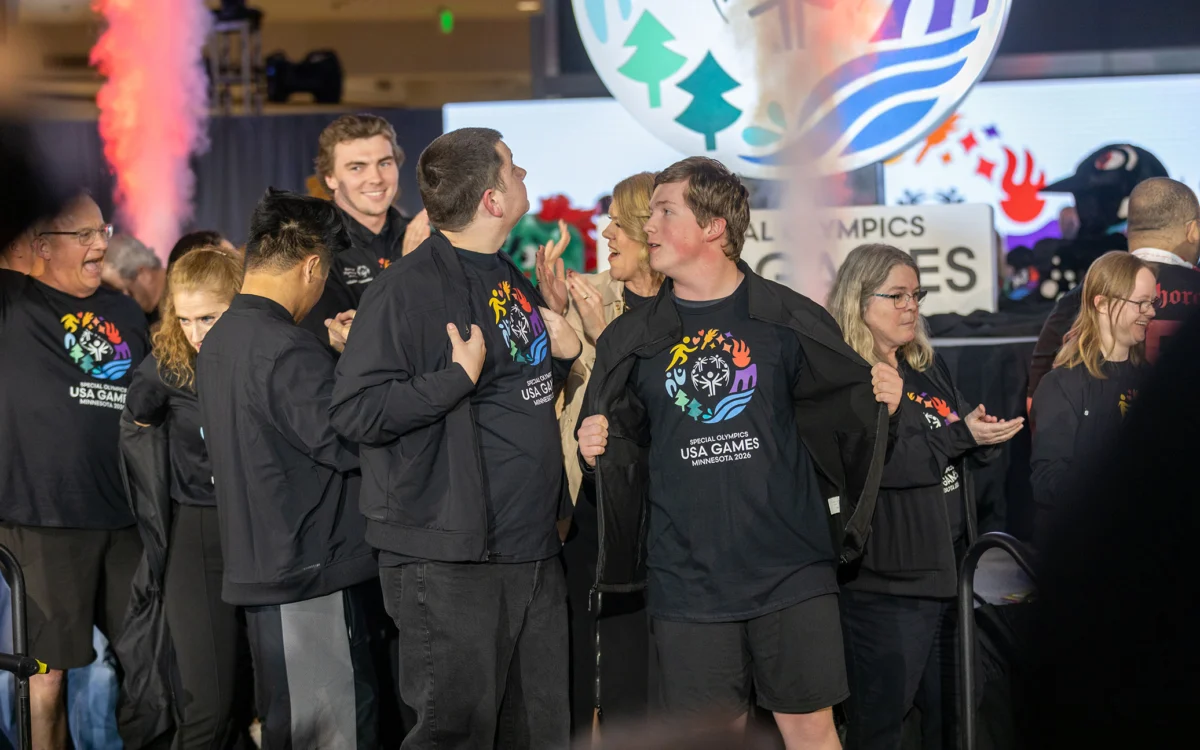
The unveiling of the official logo for the 2026 USA Games, a moment charged with anticipation and pride, served as a prelude to the grand spectacle that will unfold in Minneapolis. This logo, a visual representation of the event’s core values of unity, strength, and aspiration, will forever be linked to this groundbreaking chapter in Special Olympics history. The gathering for the logo reveal underscored the collaborative spirit that underpins the organization, bringing together athletes, volunteers, organizers, and supporters to share in the excitement of what lies ahead. This symbolic act of revealing the emblem signifies the official launch of a multi-year journey culminating in a national showcase of athletic prowess and personal triumph.
A Gathering of Champions: Scope and Scale of the 2026 USA Games
The 2026 Special Olympics USA Games are set to be a monumental affair, drawing an estimated 3,000 athletes aged 14 to 78 from all 50 states. These remarkable individuals will converge in Minneapolis to compete in 16 distinct Olympic-style sports, showcasing a diverse range of athletic talents and dedication. This represents a significant increase in participation from previous years, reflecting the growing reach and impact of the Special Olympics movement across the United States. The sheer volume of athletes underscores the importance of such events in providing opportunities for competition, personal growth, and social connection for individuals with intellectual disabilities.
The roster of sports encompasses both traditional athletic mainstays and exciting new additions. Alongside established disciplines such as basketball, bowling, gymnastics, swimming, and powerlifting, the 2026 Games will introduce the popular sports of pickleball and cornhole. This expansion reflects a commitment to offering a broad spectrum of athletic experiences, catering to diverse interests and skill sets. Furthermore, the Games will prominently feature the Special Olympics’ Unified Sports® model, a cornerstone of its inclusive philosophy. This model brings together athletes with and without intellectual disabilities to train and compete on the same team, fostering understanding, acceptance, and genuine camaraderie. While some events will remain dedicated to athletes with intellectual disabilities, the inclusion of Unified Sports® events highlights a deliberate effort to break down barriers and build bridges of inclusion across the broader community. The introduction of pickleball and cornhole, in particular, signals an evolving approach to sport selection, aiming to incorporate activities that are not only popular but also accessible and engaging for a wider range of participants.
A Legacy of Inclusion: The Evolution of the Special Olympics USA Games
The Special Olympics movement, founded by Eunice Kennedy Shriver in 1968, has a rich history of empowering individuals with intellectual disabilities through the transformative power of sport. The USA Games, held every four years, represent the pinnacle of this national effort, providing a platform for athletes to demonstrate their skills, build confidence, and achieve their personal best. The inaugural USA Games were held in 1971, and since then, the event has grown exponentially in scale and significance.
The 2022 USA Games, held in Orlando, Florida, served as a vibrant testament to the organization’s enduring mission. That event saw over 4,000 athletes compete, underscoring the consistent growth and expanding reach of the Special Olympics. The successful execution of the Orlando Games laid a strong foundation for the Minneapolis event, with organizers drawing upon invaluable lessons learned to enhance the athlete experience and broaden the Games’ impact. Looking ahead, the 2030 USA Games are slated to take place in Cleveland, Ohio, indicating a continuous commitment to hosting these vital national gatherings in different cities across the country, thereby distributing their positive influence and economic benefits.
The choice of Minneapolis as the host city for the 2026 Games is also significant. The city boasts a strong track record of hosting major sporting events and possesses the necessary infrastructure to accommodate the thousands of athletes, coaches, volunteers, and spectators. Moreover, Minnesota has a well-established network of Special Olympics programs, ensuring a robust local support system and a passionate community ready to embrace the Games. This strategic selection of a host city plays a crucial role in the logistical success and overall atmosphere of the event.
Unprecedented Media Coverage: Bringing the Games to Every Screen
In a landmark development, the 2026 Special Olympics USA Games will receive unprecedented media coverage, with ESPN set to live stream a substantial portion of the competition on ESPN+. This commitment signifies a major leap forward in amplifying the visibility of Special Olympics athletes and their achievements. For the first time, audiences across the nation will have the opportunity to witness the raw talent, dedication, and sportsmanship of these remarkable individuals in real-time. The ESPN+ coverage will not be limited to simple broadcasts; it will feature comprehensive commentary, insightful analysis, and expert play-by-play reporting, all delivered with the same quality and professionalism expected of major sporting events.
The extensive broadcast schedule will commence with the electrifying Opening Ceremony on Saturday at 7:30 p.m. ET. This highly anticipated event will feature captivating performances by Grammy Award-winning artist Jon Batiste and renowned musician and actor Demi Lovato, promising a spectacular introduction to the Games. The inclusion of such prominent entertainers underscores the growing recognition and cultural significance of the Special Olympics.
Beyond the live streams, ABC will contribute to the national dialogue surrounding the Games with dedicated programming. A special preview show, scheduled for June 21 at noon ET, will offer a tantalizing glimpse into the upcoming competitions, highlighting key athletes and sports. Following the conclusion of the Games, ABC will air a comprehensive review show on July 25 at noon ET, celebrating the athletes’ triumphs and showcasing the most memorable moments from the week of competition. This multi-platform approach ensures that the stories and successes of Special Olympics athletes will reach a vast and diverse audience, fostering a deeper connection and appreciation for their incredible journeys. The strategic partnership with ESPN and ABC represents a significant investment in promoting inclusion and challenging societal perceptions of individuals with intellectual disabilities.
Data-Driven Impact: Quantifying the Significance of the Games
The Special Olympics USA Games are more than just a sporting event; they are a powerful catalyst for social change and personal development. Research consistently demonstrates the profound positive impact of Special Olympics participation on athletes. Studies have shown that participation in Special Olympics leads to significant improvements in athletes’ physical fitness, motor skills, and overall health. Beyond the physical benefits, athletes often report increased self-esteem, confidence, and social skills. The opportunities to build friendships, develop leadership qualities, and experience the thrill of victory and the lessons of resilience are invaluable.
The economic impact of hosting the USA Games is also substantial. The influx of thousands of athletes, their families, coaches, and supporters into Minneapolis is expected to generate significant revenue for local businesses, including hotels, restaurants, and retail establishments. Furthermore, the Games provide a platform for volunteerism, engaging hundreds of individuals in meaningful service opportunities and fostering a stronger sense of community engagement. According to data from previous Special Olympics events, the economic ripple effect can be measured in millions of dollars, benefiting the host city and its surrounding areas.
The inclusive nature of the Games also plays a critical role in shifting public perception. By showcasing the abilities and achievements of athletes with intellectual disabilities on such a prominent stage, the Games challenge stereotypes and promote a more inclusive and understanding society. The Unified Sports® model, in particular, serves as a powerful tool for breaking down social barriers and fostering genuine connections between individuals of all abilities. This broader societal impact is perhaps the most enduring legacy of the Special Olympics USA Games.
Official Responses and Inferred Reactions: A Unified Voice of Support
While direct quotes from every related party are not available, the collaborative nature of the Special Olympics and the extensive media partnerships strongly suggest a unified voice of enthusiastic support. Officials from Special Olympics North America have consistently emphasized the organization’s mission to provide year-round sports training and athletic competition for individuals with intellectual disabilities. Their statements typically highlight the transformative power of sport in unlocking potential, fostering inclusion, and creating a more just and compassionate world.
The decision by ESPN and ABC to dedicate significant broadcast resources to the 2026 USA Games reflects a growing understanding and appreciation for the importance of inclusive sports narratives. Network executives likely recognize the compelling human-interest stories inherent in the Special Olympics, the inspiring journeys of the athletes, and the powerful message of perseverance and determination. This partnership is a testament to the evolving media landscape’s commitment to diversity and representation.
Furthermore, the involvement of community leaders, local government officials, and sponsors in the planning and execution of the Games undoubtedly points to a broad base of support within Minneapolis and beyond. These stakeholders recognize the positive impact of the Games on the city’s reputation, its economy, and its social fabric. The shared goal is to create an unforgettable experience for the athletes and to leave a lasting legacy of inclusion and understanding.
Broader Impact and Implications: A Ripple Effect of Inclusion
The 2026 Special Olympics USA Games in Minneapolis are poised to have a profound and lasting impact that extends far beyond the realm of athletic competition. By providing a national platform for individuals with intellectual disabilities to showcase their talents and determination, the Games are instrumental in dismantling long-standing stereotypes and fostering a more inclusive society. The extensive media coverage, particularly the live streaming on ESPN+, will expose millions of viewers to the capabilities and achievements of Special Olympics athletes, challenging preconceived notions and promoting a deeper understanding of disability.
The success of the Unified Sports® model at the Games will continue to inspire the adoption of inclusive practices in schools, workplaces, and communities across the country. This model, which brings together individuals with and without intellectual disabilities to compete as teammates, is a powerful demonstration of how inclusion can enrich all aspects of life. Its prominence at the USA Games serves as a tangible example of how diverse teams can achieve remarkable success.
Moreover, the Games serve as a powerful recruitment tool for volunteers and a significant source of economic stimulus for the host city. The thousands of volunteers who dedicate their time and energy to support the athletes play a crucial role in the event’s success and gain invaluable experiences in community engagement. The influx of visitors and the associated spending generate substantial economic benefits for Minneapolis, reinforcing the positive impact of hosting such a significant event.
Ultimately, the Special Olympics USA Games in Minneapolis are not just about winning medals; they are about celebrating the indomitable spirit of every athlete, fostering a sense of belonging, and inspiring a nation to embrace a more inclusive future. The legacy of these Games will be measured not only in athletic achievements but also in the tangible progress made towards a society where every individual, regardless of ability, has the opportunity to reach their full potential and be celebrated for their unique contributions. The unwavering dedication of Special Olympics athletes, coupled with the growing support from media partners and the broader community, signals a bright and promising future for inclusive sports and a more equitable world.