Disability advocates are expressing alarm and strong disagreement with recent statements made by top federal health officials, specifically U.S. Secretary of Health and Human Services Robert F. Kennedy Jr. and Centers for Medicare and Medicaid Services (CMS) Administrator Mehmet Oz, who have suggested that a significant portion of Medicaid’s home and community-based services (HCBS) program funds payments for assistance that should be provided by families without compensation. These comments, which have targeted fraud concerns within Medicaid waiver programs that permit family members to be paid for providing care to individuals with disabilities and aging adults, are being interpreted by advocacy groups as a fundamental misunderstanding and devaluation of the critical support services provided through HCBS.
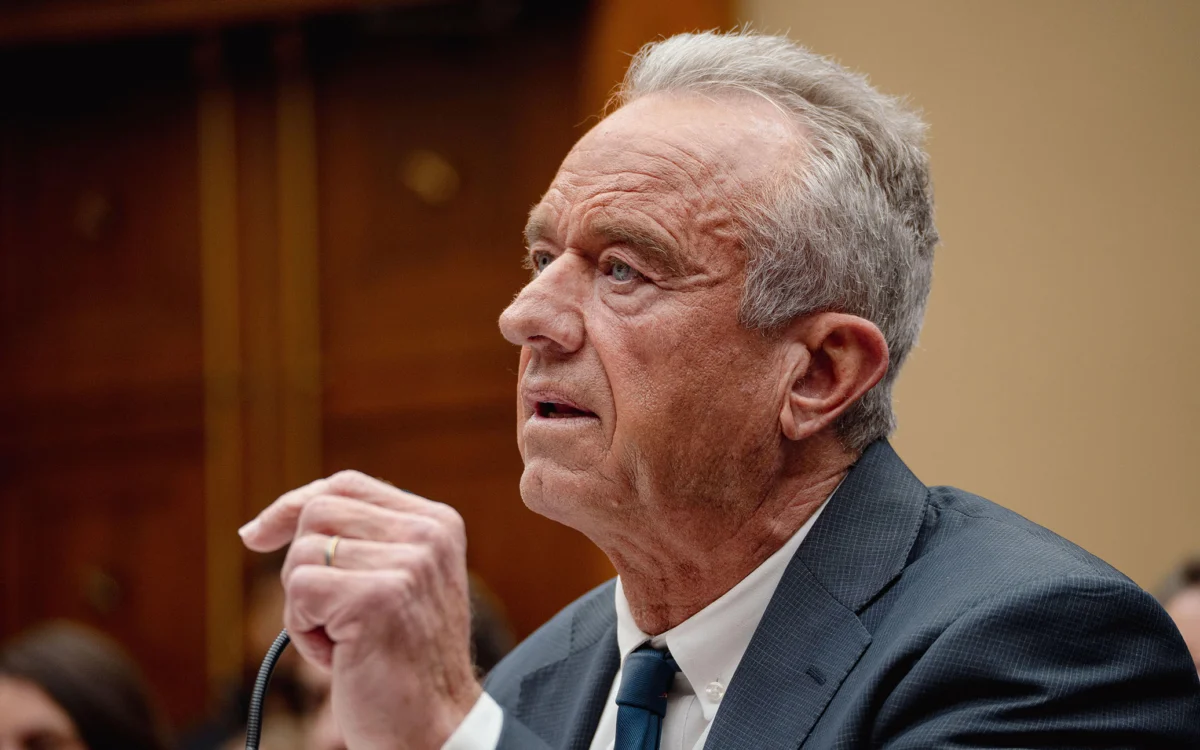
The controversy ignited when Secretary Kennedy, during testimony before lawmakers on Capitol Hill last week, articulated his concerns about the integrity of these waiver programs. He stated, "The waivers allow people, family members who are taking care of an elderly parent to get paid for balancing the checkbook, for picking up the groceries, for driving somebody to a doctor’s appointment. These are family members who are getting paid to do things that they used to do as family members for free. This is rife with fraud because we have no way at CMS to determine whether they actually perform that duty or not. We don’t know whether you drove your grandmother to a doctor’s office."
These sentiments were echoed by CMS Administrator Oz in a recent social media video, where he characterized personal care services within the Medicaid program as helping "Medicaid patients do something that our families would normally do for us, like carrying groceries."
The implications of these statements have sent ripples of concern through the disability advocacy community, which views them as a direct challenge to the legitimacy and necessity of paid caregiving, particularly by family members. Barbara Merrill, CEO of the American Network of Community Options and Resources (ANCOR), an organization representing disability service providers nationwide, articulated the widespread dismay. "The undervaluing of HCBS demeans the very real, complex and difficult work that caregivers – whether paid or unpaid – provide," Merrill stated. She characterized the comments as "deeply concerning" and took particular issue with the underlying implication that "family members should remain out of the workforce to care for a loved one or relative." This perspective, advocates argue, ignores the economic realities and the profound caregiving responsibilities that often fall upon family members.
Background and Context of HCBS
Home and Community-Based Services (HCBS) are a critical component of the Medicaid program, designed to provide individuals with disabilities and older adults with the support they need to live in their own homes and communities, rather than in institutional settings. This approach, often referred to as "deinstitutionalization," gained significant momentum following the landmark Supreme Court decision in Olmstead v. L.C. in 1999, which affirmed the right of individuals with disabilities to receive services in the most integrated setting appropriate to their needs.
Medicaid waiver programs are a primary mechanism through which HCBS are delivered. These waivers allow states to offer a broader range of services than traditional Medicaid, including personal care, home health aide services, respite care, assistive technology, and home modifications. A significant aspect of these waivers is the ability for eligible family members to be compensated for providing these essential services, a practice often referred to as "self-direction" or "family caregiver programs."
The rationale behind allowing family members to be paid is multifaceted. Firstly, it acknowledges the reality that for many individuals with complex needs, family members are often the most trusted, available, and culturally competent caregivers. Secondly, it provides a financial lifeline for families, allowing a primary caregiver to forgo external employment, thus maintaining the household income while ensuring their loved one receives consistent and personalized care. This system is particularly vital in light of a persistent and worsening shortage of direct care workers across the nation, a crisis that predates recent federal pronouncements.
Escalating Federal Scrutiny and Anti-Fraud Initiatives
The comments from Secretary Kennedy and Administrator Oz come at a time of heightened federal focus on combating fraud, waste, and abuse in government programs. President Donald Trump established a task force last month specifically aimed at addressing these issues within federal benefit programs. Concurrently, CMS has intensified its efforts to investigate healthcare fraud in various states. Administrator Oz’s announcement of new expectations for all states regarding anti-fraud measures underscores this directive.
This increased emphasis on oversight is not entirely without precedent. Historically, federal and state agencies have sought to ensure the appropriate use of taxpayer funds within large entitlement programs like Medicaid. However, the direct targeting of HCBS, particularly services provided by family members, has drawn sharp criticism for its perceived overreach and potential to undermine a vital support system.
The Economic and Social Landscape of Caregiving
The statements from federal officials overlook crucial data points regarding the nature of caregiving and the economic realities faced by families supporting individuals with disabilities. According to the National Alliance for Caregiving, an estimated 43.5 million adults in the U.S. have provided unpaid care to an adult or child with chronic illness or disability in the last 12 months. The estimated economic value of this unpaid care is staggering, with studies suggesting it amounts to hundreds of billions of dollars annually. For example, a 2017 report by the AARP Public Policy Institute estimated the economic value of unpaid caregiving to be $470 billion.
When family members are compensated through Medicaid waivers, it represents a recognition of the immense labor and dedication involved. It is not simply about "balancing a checkbook" or "picking up groceries," as Secretary Kennedy suggested, but often involves complex medical tasks, continuous supervision, specialized support for behavioral challenges, and the provision of emotional and physical assistance that enables an individual to maintain their dignity and independence. The failure to acknowledge this complexity can lead to policies that disproportionately harm vulnerable populations.
The "fraud" concerns raised by the officials also fail to account for the inherent challenges in monitoring services delivered within private homes. While robust oversight mechanisms are necessary, the implication that all family caregiver payments are suspect is a broad generalization. Many states have established systems for verifying care, including required documentation, regular check-ins, and case management, to ensure services are delivered as intended. The assertion of widespread fraud, without substantiating data, risks creating a climate of suspicion that erodes trust and can lead to the denial of essential services.
Broader Implications and Potential Impacts
The ramifications of the rhetoric from federal health officials extend beyond mere public discourse. These statements can create a chilling effect on state-level policy decisions and potentially influence legislative actions. This is particularly concerning given the current fiscal climate surrounding Medicaid.
Lawmakers in several states are reportedly considering scaling back HCBS funding in anticipation of significant federal Medicaid cuts stemming from legislation such as the "One Big Beautiful Bill Act," which, according to reports, could reduce federal Medicaid spending by nearly $1 trillion. In this context, the federal government’s framing of HCBS as potentially fraudulent could be leveraged to justify further reductions in services, leaving individuals with disabilities and their families in a precarious position.
Katy Neas, CEO of The Arc of the United States, a national organization advocating for people with intellectual and developmental disabilities, emphasized this point. "The comments from Kennedy and Oz mischaracterize the role of home and community-based services and ignore the lived reality of people with disabilities and their families who are dealing with a severe shortage of direct care workers," Neas stated. She further elaborated, "We can all agree that protecting the integrity of the programs that provide these supports is important. But making broad and unsupported claims that HCBS, particularly services delivered by family caregivers, are ‘rife with fraud’ puts adults and children with disabilities, and their families, at risk of losing the help they need to live in the community. For many families, a family member is not just often a preferred caregiver. They are the only reliable option."
Reactions from Advocacy Groups and Experts
The outrage from disability advocacy organizations has been swift and unified. Disability Rights California, a leading advocacy group, issued a statement condemning the officials’ remarks. "These comments are not only inaccurate but deeply harmful," the statement read. "They dismiss the immense challenges faced by families who dedicate their lives to caring for loved ones with disabilities. Medicaid HCBS are not a luxury; they are a lifeline that allows individuals to live with dignity and participate in their communities. To suggest that family caregivers are exploiting the system is an insult to their unwavering commitment and the essential services they provide."
Furthermore, organizations representing direct care workers have also voiced their concerns. The Service Employees International Union (SEIU), which represents millions of healthcare workers, including many in home care, stated, "Our members, many of whom are family caregivers, are dedicated professionals who provide essential services. We need to support and expand these critical roles, not undermine them with unsubstantiated claims of fraud. These statements risk devaluing the work of caregivers and jeopardizing the stability of the HCBS system at a time when it is most needed."
The Path Forward: Rebalancing Oversight and Support
The current debate highlights a critical tension between the imperative to ensure fiscal responsibility and the fundamental need to provide adequate support for individuals with disabilities and aging adults. While vigilance against fraud is a legitimate government responsibility, the approach taken by Secretary Kennedy and Administrator Oz appears to be alienating a key stakeholder group and potentially creating a narrative that could lead to detrimental policy changes.
Disability advocates are calling for a more nuanced approach that recognizes the value of family caregivers and the complexities of HCBS delivery. They advocate for:
- Data-Driven Policy: Policies should be informed by comprehensive data on the effectiveness and necessity of HCBS, rather than broad generalizations about fraud.
- Strengthened Support Systems: Instead of focusing on punitive measures, efforts should be directed towards strengthening support systems for caregivers, including training, respite care, and fair compensation.
- Collaborative Oversight: Oversight mechanisms should be developed in collaboration with disability advocates and service providers to ensure they are effective without unduly burdening recipients of care.
- Recognition of Caregiver Value: Acknowledging the economic and social value of family caregiving is crucial for developing policies that reflect the realities of supporting individuals with complex needs.
The ongoing dialogue surrounding HCBS and potential fraud within Medicaid waiver programs is likely to intensify. The coming months will reveal whether federal officials will adjust their rhetoric and approach, or if the concerns of disability advocates will be amplified in the face of potential policy shifts that could profoundly impact the lives of millions of Americans. The integrity of the HCBS system hinges on a balanced understanding of its purpose, its beneficiaries, and the dedicated individuals who make it possible.