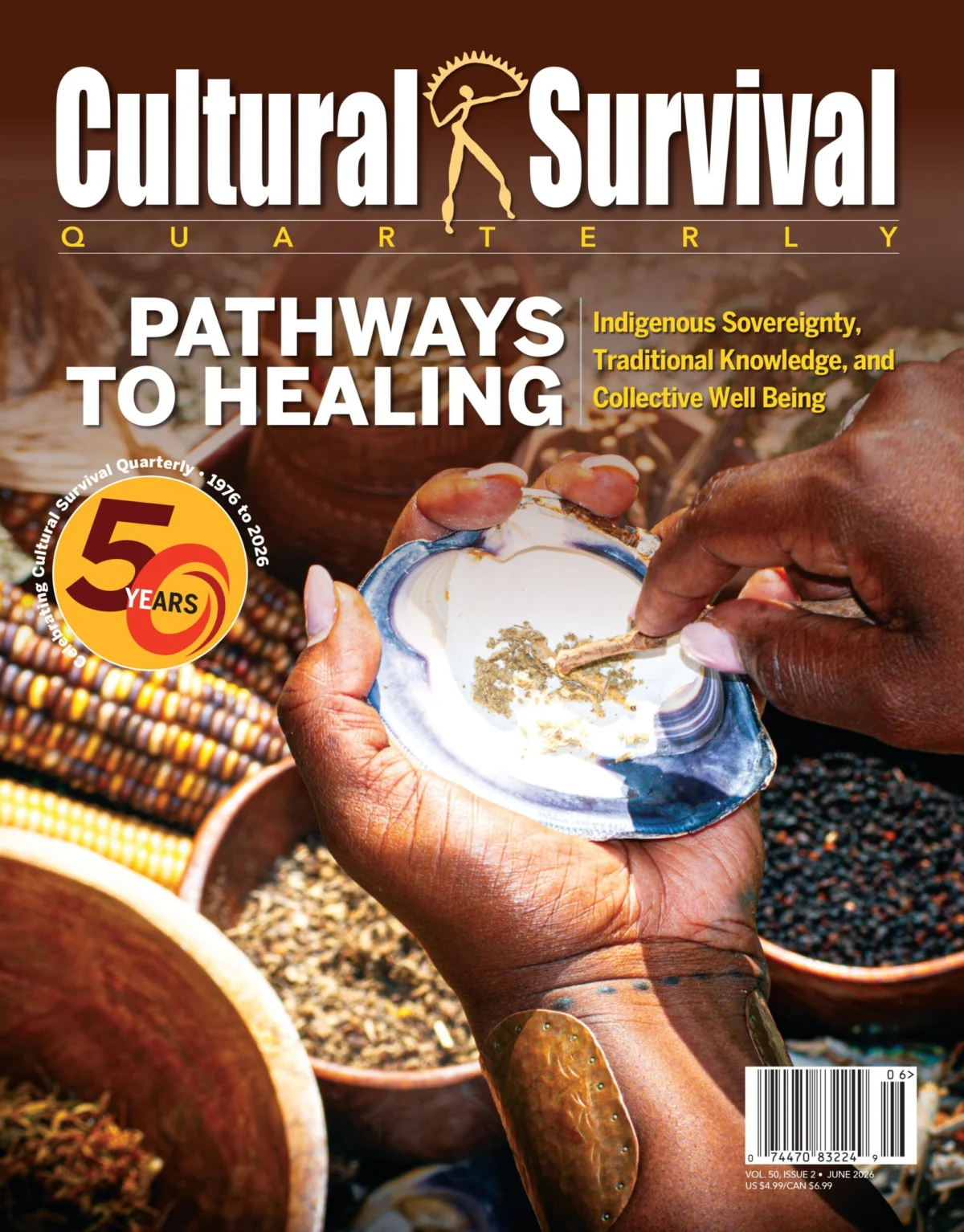
The deepening understanding of Indigenous cosmovisions, emphasizing interconnectedness and relationality, is profoundly reshaping global approaches to health and well-being. This shift recognizes that individual and community health are inextricably linked to the vitality of the environment and the collective well-being of all beings. As Indigenous Peoples actively revitalize ancestral practices disrupted by colonialism, a growing body of evidence and international recognition highlights the critical role of Traditional Knowledge in fostering holistic, community-oriented healing and nurturing robust, sustainable futures. This evolving paradigm, moving beyond purely biomedical frameworks, is gaining traction in international forums, including the World Health Organization (WHO), and is supported by a global community committed to Indigenous-led solutions.
The Interconnectedness of Well-being: Indigenous Perspectives on Health
At its core, Indigenous philosophy posits that true well-being cannot exist in isolation. It is a reciprocal relationship, a continuous act of tending to the health of oneself, one’s community, and the natural world. This holistic perspective, deeply embedded in ancestral wisdom, guides Indigenous Peoples in understanding and achieving wellness in ways that are inherently community-oriented and profoundly connected to Mother Earth. While colonial legacies have significantly disrupted these lifeways and traditional health systems, Indigenous communities worldwide are engaged in a powerful resurgence of these vital practices. This movement encompasses a diverse range of initiatives, from the healing power of Indigenous midwifery and culturally-based arts to the intergenerational transfer of knowledge concerning traditional medicines and the revival of feminine leadership pathways. Furthermore, a significant contemporary development is the integration of Indigenous Knowledge into social work practices, ensuring more respectful and effective service delivery to Indigenous populations.
Hilary Weaver (Lakota), a prominent voice in this field, articulates this interconnectedness powerfully: "When we are guided by and can embrace our own ways of being and knowing, we continue our focus on the person and their community, spiritually, physically, emotionally, and psychologically. The health of the whole person is essential for the health of communities." Similarly, Ukhin Nue Chak emphasizes that "well-being is not only about physical health, but also about safeguarding traditions, protecting nature, and maintaining strong community connections." This sentiment underscores the fundamental understanding that the flourishing of individuals is contingent upon the health of their communities and the environments that sustain them, fostering a vision of mutual thriving.
A Shifting Global Landscape: International Recognition of Indigenous Determinants of Health
The recognition of health as a fundamental human right has a long-standing history within international frameworks. The World Health Organization (WHO) first articulated this in its 1946 Constitution, and it was subsequently enshrined in international law through Article 12 of the International Covenant on Economic, Social, and Cultural Rights in 1966. More recently, significant advancements have been made in formally acknowledging and integrating Indigenous perspectives into global health policy.
A pivotal moment occurred in 2023 when the United Nations Permanent Forum on Indigenous Issues adopted a member-led study, informed by the Indigenous Determinants of Health Working Group. This initiative culminated in the WHO’s adoption of the Indigenous Determinants of Health. This groundbreaking recognition explicitly includes factors such as "indigeneity" and the enduring impacts of "colonialism" as critical determinants of health. Member states subsequently passed Resolution 76.16 on the Health of Indigenous Peoples, signaling a commitment to directly support Indigenous-led implementation plans. The ongoing development of the second draft of the Global Plan of Action for the Health of Indigenous Peoples (2027-2040) is currently open for review and consultation, representing a concrete step towards operationalizing these principles.
Defining Indigenous Determinants of Health: A Holistic Framework
Reflecting the profound wisdom of Indigenous cultures, the WHO and other international bodies now define Indigenous Determinants of Health as a comprehensive set of collective factors that shape well-being. This framework moves beyond conventional biomedical models to encompass crucial elements such as:
- Connection to Land and Environment: The spiritual, cultural, and physical relationship Indigenous Peoples have with their ancestral territories is a cornerstone of their health and identity. This includes access to clean water, healthy ecosystems, and the ability to practice traditional land-use activities.
- Cultural Integrity and Revitalization: The preservation and active practice of Indigenous languages, ceremonies, cultural protocols, and artistic expressions are vital for mental, emotional, and spiritual well-being.
- Self-Determination and Governance: The right of Indigenous Peoples to govern their own affairs, make decisions about their lands and resources, and control their own health and social services is fundamental to achieving health equity.
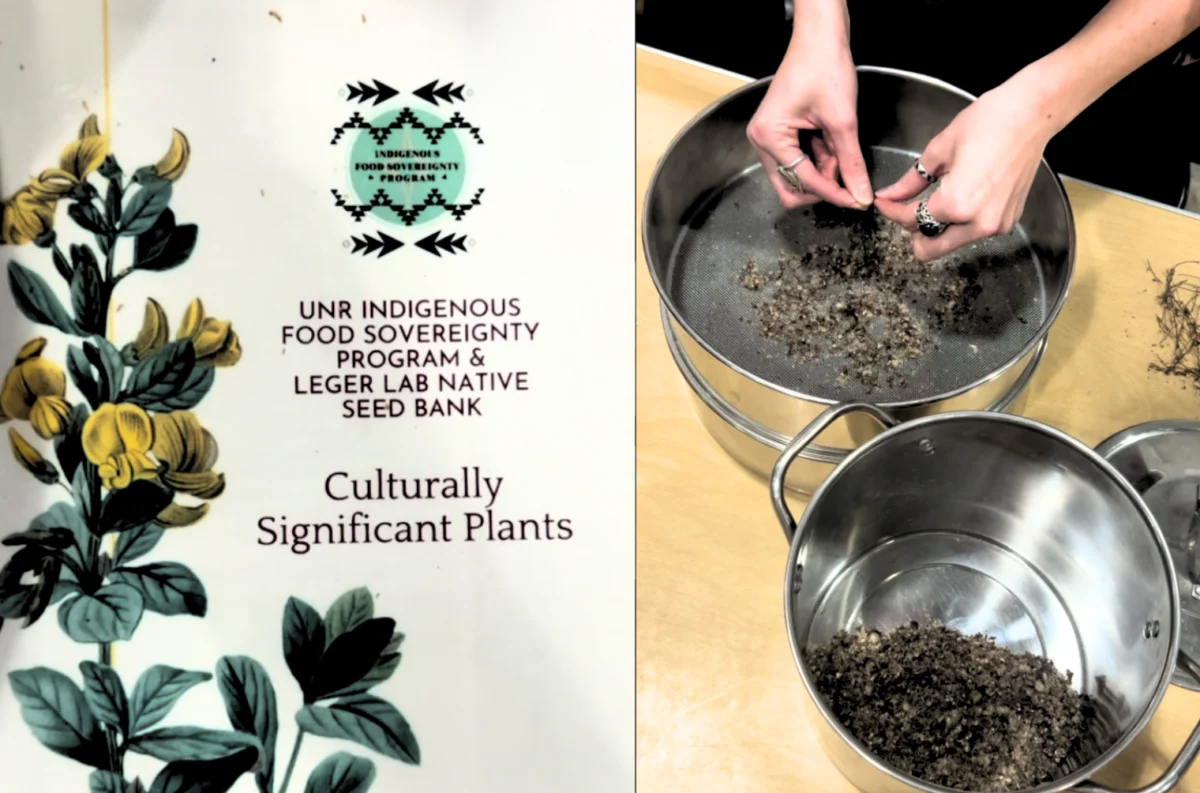
- Traditional Knowledge Systems: The vast repositories of knowledge accumulated over millennia regarding health, healing, ecology, and sustainable living are essential resources for contemporary well-being.
- Intergenerational Transmission of Knowledge: The continuous passing down of cultural knowledge, skills, and values from elders to younger generations ensures the continuity of cultural identity and resilience.
These determinants are not merely abstract concepts; they are tangible factors that directly influence the health outcomes of Indigenous Peoples. Addressing health inequities, which are deeply rooted in the historical and ongoing impacts of colonization, systemic racism, and environmental degradation, requires a holistic approach that embraces these Indigenous Determinants. The implications of this recognition extend beyond Indigenous communities, offering valuable insights and solutions that can benefit all of humanity and contribute to the restoration of planetary health.
Supporting Indigenous-Led Initiatives: A Call to Action
The efforts of Indigenous Peoples to safeguard their knowledge systems, languages, and lifeways are crucial for future generations. By supporting organizations dedicated to these causes, individuals become active participants in amplifying the voices of those leading the path towards healing and co-creating a future of mutual flourishing. This support plays a vital role in empowering Indigenous communities to implement their own solutions, reclaim their cultural heritage, and build resilient futures.
For example, the impact of climate change, as highlighted by the precariousness of water supplies after dry winters and the renewed hope brought by timely rains for planting corn, underscores the immediate relevance of Indigenous traditional ecological knowledge. This knowledge offers invaluable insights into adapting to changing environmental conditions and fostering resilience in the face of global climate disruption. Indigenous communities, with their deep understanding of local ecosystems and sustainable practices, are often at the forefront of developing innovative solutions for environmental stewardship and climate adaptation.
The growing international recognition of Indigenous Determinants of Health provides a crucial framework for addressing the multifaceted challenges faced by Indigenous Peoples. It acknowledges that health is not solely a biological phenomenon but is deeply intertwined with social, cultural, environmental, and political factors. This understanding is vital for dismantling the systemic barriers that have historically marginalized Indigenous communities and perpetuated health disparities.
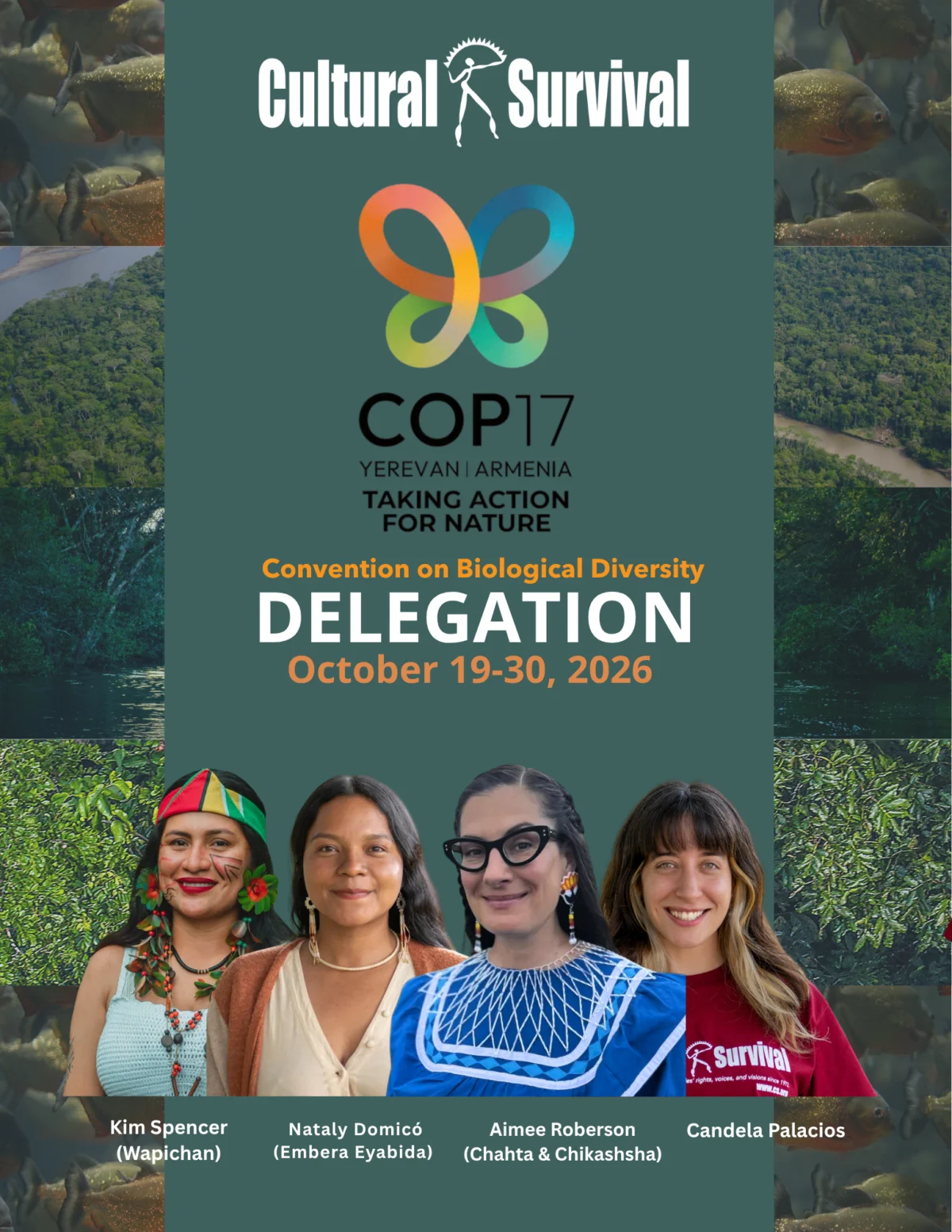
The engagement of organizations like Cultural Survival in advocating for Indigenous rights and supporting Indigenous-led initiatives is instrumental in this evolving landscape. Their work in amplifying Indigenous voices and facilitating knowledge exchange contributes significantly to building a more equitable and sustainable world. As the global community increasingly embraces the wisdom and leadership of Indigenous Peoples, there is a growing imperative to support these efforts through sustained engagement and resource allocation. The principle of Indigenous self-determination in health is not merely about improved health outcomes; it is about upholding fundamental human rights and recognizing the inherent value and resilience of Indigenous cultures.
The ongoing development and review of the Global Plan of Action for the Health of Indigenous Peoples represent a critical juncture. This process, driven by Indigenous input and designed to be Indigenous-led, offers an unprecedented opportunity to translate the principles of Indigenous Determinants of Health into concrete policies and actions. The success of such plans will depend on genuine collaboration, equitable resource allocation, and a commitment to respecting the sovereignty and agency of Indigenous Peoples in shaping their own destinies.
The broader implications of this paradigm shift are far-reaching. By embracing Indigenous knowledge and prioritizing Indigenous well-being, the global community can gain invaluable insights into sustainable living, ecological stewardship, and holistic approaches to health. This represents not just a step towards rectifying historical injustices but also a pathway towards a more resilient, equitable, and harmonious future for all. The interconnectedness that Indigenous cosmovisions emphasize offers a profound lesson for a world grappling with complex global challenges, from climate change and pandemics to social inequality. Ultimately, fostering the health and well-being of Indigenous Peoples is integral to the health and well-being of the planet and all its inhabitants.
The commitment to supporting Indigenous-led solutions, as exemplified by the ongoing work of organizations and the growing recognition within international bodies, signifies a critical turning point. This evolution promises to enrich global health discourse, promote more equitable outcomes, and foster a deeper appreciation for the diverse pathways to well-being that have been cultivated and preserved by Indigenous Peoples for millennia. The call for generous support for these vital efforts underscores the shared responsibility in building a future where all beings can experience mutual flourishing, grounded in respect for Indigenous wisdom and self-determination.