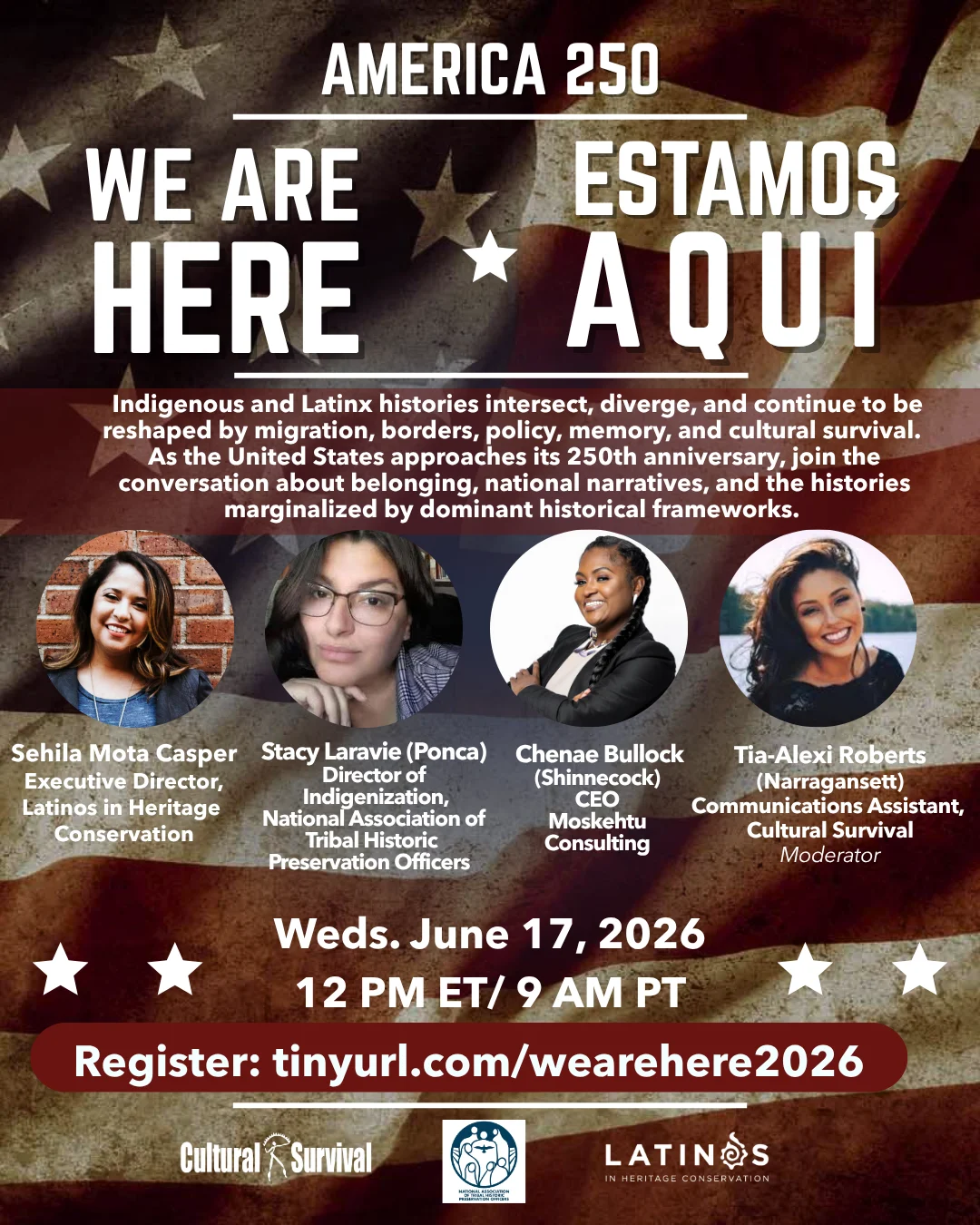
Cultural Survival is set to host an informative webinar titled "We are Here," scheduled for Wednesday, June 17, 2026, at 13:37 UTC. This event aims to delve into critical issues affecting Indigenous Peoples globally, providing a platform for dialogue, awareness, and action. While specific details regarding the webinar’s agenda and speakers were not fully disclosed in the initial announcement, the chosen title strongly suggests a focus on the presence, resilience, and ongoing struggles of Indigenous communities in the face of contemporary challenges.
Background and Context
The "We are Here" webinar arrives at a pivotal moment for Indigenous Peoples worldwide. For decades, Cultural Survival has been at the forefront of advocating for Indigenous rights, supporting self-determination, and preserving the rich tapestry of their cultures and political resilience. Since its founding in 1972, the organization has witnessed and documented the persistent threats faced by Indigenous communities, including land dispossession, environmental degradation, cultural assimilation, and the erosion of traditional governance structures.
The year 2026 marks a period where the momentum for Indigenous rights advocacy continues to build. International bodies like the United Nations have increasingly recognized the importance of Indigenous voices and their unique perspectives on issues ranging from climate change to biodiversity conservation. The UN Declaration on the Rights of Indigenous Peoples (UNDRIP), adopted in 2007, serves as a foundational document, yet its full implementation remains a significant challenge in many regions. Webinars such as this one are crucial for disseminating information, fostering solidarity, and mobilizing support for the ongoing efforts of Indigenous Peoples to assert their rights and maintain their distinct identities.
Potential Themes and Focus Areas
Given the title "We are Here," the webinar is likely to explore several key themes:

- Visibility and Recognition: The phrase "We are Here" can be interpreted as a powerful declaration of Indigenous presence and a demand for recognition in political, social, and cultural spheres. This could involve discussions on how Indigenous Peoples are actively shaping their futures, reclaiming their narratives, and asserting their agency in a world that has historically sought to marginalize them.
- Resilience and Adaptation: Indigenous communities have demonstrated remarkable resilience in adapting to changing environments and socio-political landscapes. The webinar might highlight innovative strategies and traditional knowledge systems that enable Indigenous Peoples to thrive despite adversity. This could include examples of sustainable land management, cultural revitalization initiatives, and the successful defense of their territories.
- Contemporary Challenges: While celebrating resilience, the webinar will likely address the ongoing challenges that Indigenous Peoples confront. These may include the impacts of extractive industries, the consequences of climate change on traditional livelihoods, the struggle for land rights and resource control, and the fight against systemic discrimination. The event could also shed light on the specific vulnerabilities and needs of Indigenous women, youth, and elders.
- Self-Determination and Governance: A core tenet of Cultural Survival’s mission is supporting Indigenous self-determination. The "We are Here" theme could underscore the importance of Indigenous governance systems and the right of Indigenous Peoples to make decisions about their own affairs, lands, and resources. Discussions might revolve around the challenges and successes in implementing Indigenous-led development projects and maintaining cultural autonomy.
- Global Solidarity and Advocacy: The webinar also presents an opportunity to foster global solidarity among Indigenous Peoples and their allies. It could serve as a call to action, encouraging participants to support Indigenous-led initiatives, advocate for policy changes, and engage in campaigns that advance Indigenous rights on a broader scale.
Cultural Survival’s Mission and Vision
Cultural Survival’s enduring mission is to advocate for Indigenous Peoples’ rights and support their self-determination, cultures, and political resilience, a commitment they have upheld since 1972. Their vision paints a picture of a future where Indigenous Peoples’ inherent rights and dynamic cultures are deeply respected and honored. This vision emphasizes the interwoven nature of Indigenous existence with their lands, languages, spiritual traditions, and artistic expressions, all rooted in self-determination and self-governance. The "We are Here" webinar directly aligns with these core principles, serving as a tangible expression of their ongoing dedication to amplifying Indigenous voices and fostering a more equitable world.
Supporting Data and Trends
The importance of Indigenous Peoples’ perspectives is increasingly recognized in global data and research:
- Biodiversity Conservation: Indigenous territories, which cover approximately 20% of the world’s land area, are home to 80% of the planet’s biodiversity. Their traditional knowledge and stewardship practices are vital for conservation efforts. For instance, studies by organizations like the World Wildlife Fund (WWF) have consistently shown that areas managed by Indigenous Peoples and local communities exhibit lower rates of deforestation and biodiversity loss compared to other areas.
- Climate Change Impacts: Indigenous communities are often on the front lines of climate change, experiencing its impacts disproportionately due to their close relationship with the environment. Reports from the Intergovernmental Panel on Climate Change (IPCC) frequently highlight the vulnerability of Indigenous Peoples to rising sea levels, altered weather patterns, and the degradation of ecosystems crucial for their livelihoods.
- Land Rights and Resource Management: The struggle for land rights remains a central issue for Indigenous Peoples. According to the International Land Coalition, Indigenous Peoples’ customary land rights are often unrecognized or inadequately protected, leading to conflicts and displacement. Ensuring secure land tenure is crucial not only for Indigenous well-being but also for sustainable resource management and climate mitigation.
- Cultural Preservation: The world’s linguistic diversity is under threat, with a significant portion of endangered languages being Indigenous. UNESCO data indicates that a language disappears every two weeks, and many of these are Indigenous languages. Efforts to revitalize these languages are critical for cultural continuity and the preservation of unique worldviews.
Chronology of Advocacy and Events
Cultural Survival’s engagement with Indigenous Peoples’ rights has a long and impactful history, with the "We are Here" webinar being a recent addition to their ongoing efforts.
- 1972: Cultural Survival is founded, establishing its commitment to advocating for Indigenous rights and supporting their self-determination.
- Ongoing: Throughout the decades, Cultural Survival has supported numerous Indigenous communities through grants, media projects, and advocacy initiatives. This has included documenting human rights abuses, supporting cultural preservation efforts, and facilitating Indigenous participation in international forums.
- 2007: The United Nations Declaration on the Rights of Indigenous Peoples (UNDRIP) is adopted, a landmark document that Cultural Survival has actively promoted and advocated for the implementation of.
- 2010s – Present: The rise of digital communication has enabled organizations like Cultural Survival to expand their reach through online platforms, including webinars, to connect with a global audience and raise awareness about pressing Indigenous issues. The increasing frequency of climate-related disasters and ongoing land conflicts has further amplified the urgency of these discussions.
- June 17, 2026: The "We are Here" webinar is scheduled to take place, continuing Cultural Survival’s tradition of providing vital platforms for Indigenous voices and global engagement.
Potential Reactions and Implications
While specific reactions are not yet available, the "We are Here" webinar is likely to elicit a range of responses:
- Indigenous Communities: Indigenous leaders and community members may view the webinar as a crucial opportunity to share their experiences, highlight their ongoing struggles, and connect with a broader network of support. It can serve as a morale booster and a platform for strategizing future actions.
- Advocacy Organizations: Other Indigenous rights organizations and human rights groups will likely see the webinar as a valuable resource for information sharing, potential collaboration, and strengthening their collective advocacy efforts.
- International Bodies and Governments: The discussions held during the webinar could inform the work of international organizations and national governments. By drawing attention to specific issues and the lived realities of Indigenous Peoples, the event may encourage policy reviews, resource allocation, and the implementation of more inclusive governance practices.
- General Public: For the wider public, the webinar offers an accessible way to learn about the diverse cultures, challenges, and resilience of Indigenous Peoples. Increased awareness can foster greater understanding, empathy, and support for Indigenous rights and initiatives.
The implications of such a webinar are significant. It contributes to the ongoing global discourse on Indigenous rights, pushing for greater recognition and action. By bringing together diverse perspectives and highlighting the persistence of Indigenous cultures and their vital role in addressing global challenges, "We are Here" aims to reinforce the message that Indigenous Peoples are not relics of the past but active participants and crucial stakeholders in shaping a sustainable and equitable future. The event underscores the continuous need for vigilance, advocacy, and solidarity to ensure that the rights and self-determination of Indigenous Peoples are not only acknowledged but fully realized.