The Ministry of Education and Culture (MEC) of Mozambique has officially entered into a strategic partnership with World Education, an initiative of JSI, to launch the Empowering Educators program, a comprehensive intervention designed to overhaul the landscape of continuous teacher professional development in the country’s northern regions. Funded by IrishAid and inaugurated in early 2026, this initiative represents a critical step in operationalizing the Mozambican government’s National Strategy for Continuous Teacher Training. By focusing on the Niassa Province, the program aims to bridge the gap between national policy and classroom-level execution, ensuring that educators are not only trained but consistently supported throughout their professional lives. The program arrives at a pivotal moment for Mozambique’s education sector, which has historically struggled with the consistent implementation of teacher training programs, particularly in remote and underserved provinces.
A Strategic Response to Systemic Educational Challenges
The Mozambican education system has seen significant growth in enrollment over the last two decades, yet the quality of learning outcomes remains a pressing concern. According to recent educational assessments, a substantial portion of primary-level students struggle to reach foundational literacy and numeracy benchmarks. The Empowering Educators program is specifically designed to address these systemic deficiencies by focusing on the quality of instruction and the management of school environments.
The project’s primary objective is to improve learning outcomes in primary education through the strengthening of foundational learning. This involves a dual approach: enhancing the pedagogical skills of teachers and improving the administrative and supportive capacities of school directors. By targeting both the classroom and the school office, the program seeks to create a holistic environment conducive to student success. Furthermore, the initiative places a heavy emphasis on gender-responsive school management. In many parts of Mozambique, including Niassa, girls face unique barriers to education, including early marriage, domestic responsibilities, and safety concerns. The Empowering Educators program integrates strategies to promote the access, retention, and protection of girls, ensuring that school environments are safe and inclusive.
Geographic Focus and Immediate Reach
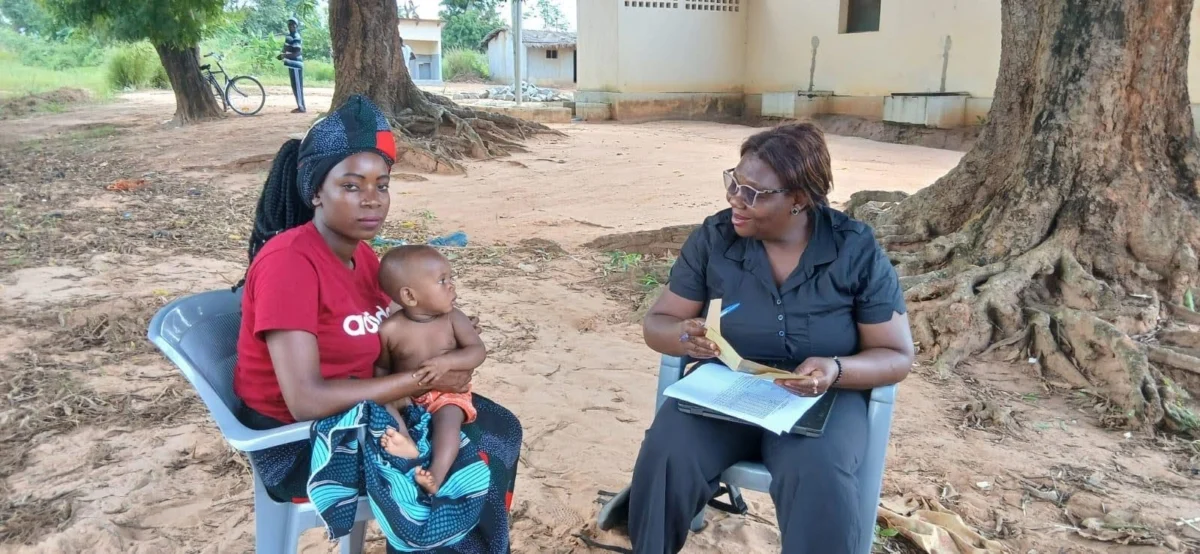
The program has initially targeted four specific districts within the Niassa Province, a region characterized by its vast geography and logistical complexities. Niassa is Mozambique’s largest province by land area but remains one of its most sparsely populated, often making the delivery of social services a challenge. By launching in districts such as Mavago and Mecula, the program is meeting teachers where the need for professional support is most acute.
In its initial phase, World Education will reach approximately 600 teachers, including a significant focus on female educators, with over 200 women prioritized for participation. Additionally, 100 school directors will undergo specialized training to improve their leadership and coaching capabilities. This targeted reach is intended to create a "proof of concept" that can eventually be scaled across the province and the nation. The selection of these districts followed a rigorous assessment of local needs, ensuring that the intervention is tailored to the specific socio-economic and cultural context of northern Mozambique.
Chronology of the Partnership and Program Launch
The Empowering Educators program is not an isolated effort but the culmination of a long-standing collaboration between World Education and the Government of Mozambique. This partnership dates back to 2011, marking over 15 years of continuous engagement in the education sector.
- 2011–2015: World Education began its formal partnership with the MEC, focusing on early-grade reading and bilingual education initiatives. These early programs established the foundation for evidence-based teacher training in the country.
- 2016–2022: The partnership expanded to include large-scale interventions that reached over 2 million learners. During this period, the focus shifted toward systemic strengthening and the development of national standards for teacher performance.
- 2023–2025: Following the evaluation of previous cycles, the MEC and World Education identified a need for more localized, continuous professional development models. This led to the design of the Empowering Educators framework, aligning it with the government’s updated National Strategy for Continuous Teacher Training.
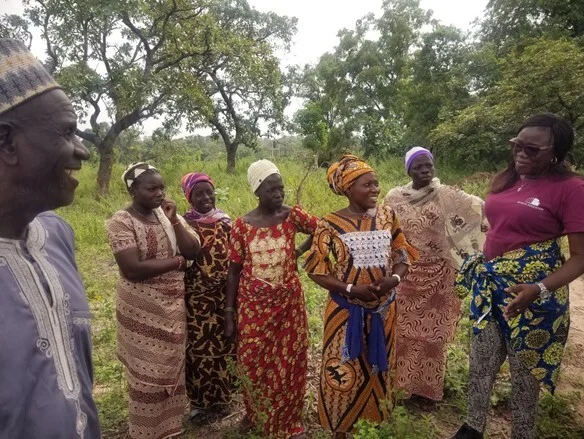
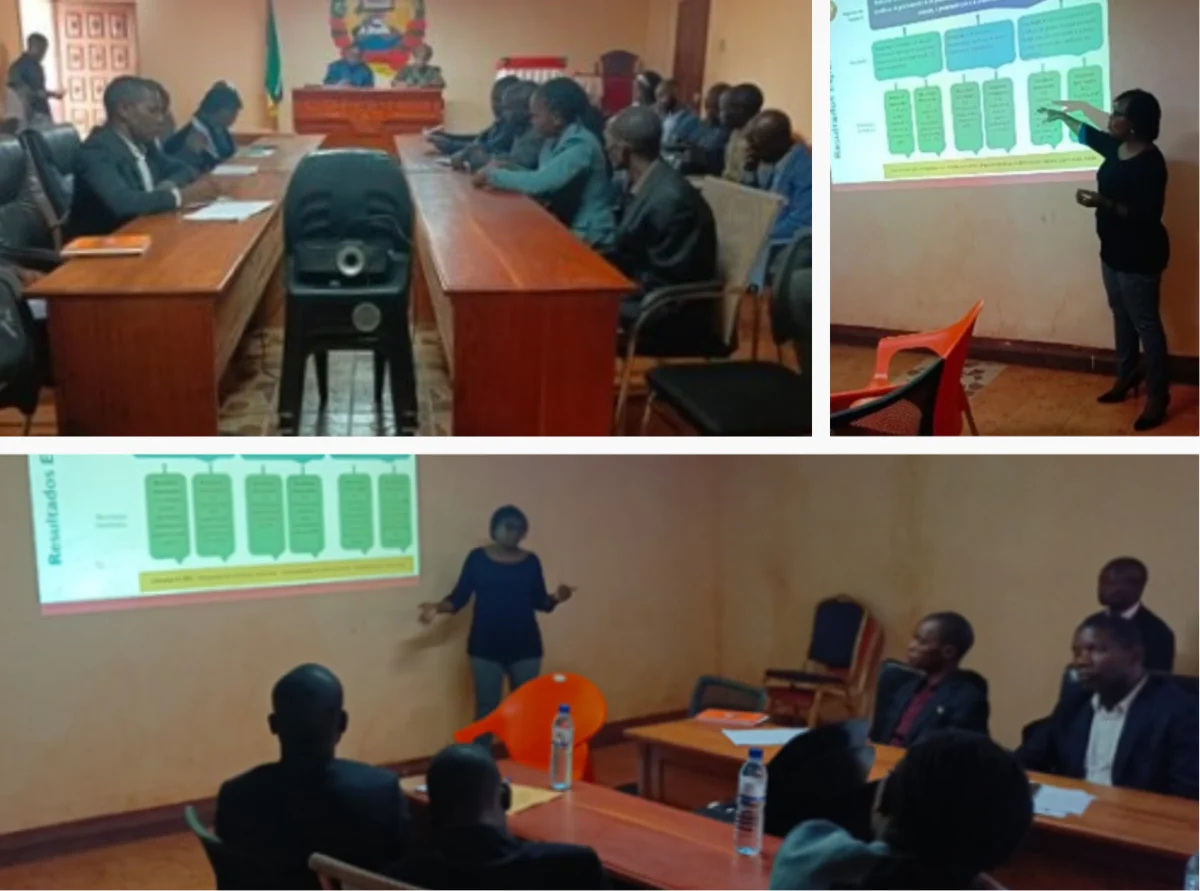
- Early 2026: The official launch of the program took place in the Mavago and Mecula districts. These kick-off events were attended by high-level government officials, including district administrators and representatives from the Embassy of Ireland in Maputo.
The launch events featured speeches from local leaders, such as the administrator of the Mavago district, who reinforced the government’s commitment to the initiative. These events were crucial for securing local buy-in, ensuring that district-level authorities view the program as a central component of their development agenda.
The Multiplier Model: A Sustainable Approach to Training
One of the most innovative aspects of the Empowering Educators program is its commitment to sustainability through a "multiplier" model. Historically, teacher training in sub-Saharan Africa has often relied on "cascade training," where a few teachers are trained at a central location and expected to pass that knowledge down. However, this model frequently results in a loss of information and lacks follow-up support.
World Education’s Provincial Manager, Ligia Lundo, explains that the new strategy is built on the principle that trainee teachers will act as multipliers within their own schools. The focus is on on-the-job training, where Deputy School Heads and senior teachers provide ongoing peer coaching in the classroom. This approach ensures that professional development is not a one-time event but a continuous process integrated into the daily routine of the school.
By utilizing support tools already available within the national system and strengthening the capacity of school management, the program ensures that every level of the hierarchy—from the director to the classroom teacher—is aligned. This creates a supportive ecosystem where teachers feel empowered to experiment with new pedagogical techniques and receive constructive feedback in real-time.
Supporting Data: The Educational Landscape in Mozambique
The necessity of the Empowering Educators program is underscored by national and regional data regarding Mozambique’s education sector. While the country has achieved a primary school net enrollment rate of over 90%, the quality of education remains a hurdle.
- Literacy Rates: National assessments have indicated that only a small percentage of students in Grade 3 can read a basic sentence with comprehension. This "learning poverty" is particularly pronounced in rural provinces like Niassa.
- Teacher-to-Pupil Ratios: In many districts, teachers handle classrooms of 60 to 70 students, making individual student support difficult. The program’s focus on management and foundational learning is designed to help teachers navigate these high-density environments more effectively.
- Gender Parity: While parity has improved at the primary level, retention rates for girls drop significantly as they progress toward secondary education. In Niassa, socio-cultural factors contribute to higher dropout rates for girls, a trend the program’s gender-responsive management component seeks to reverse.
- Professional Support: Prior to this initiative, many teachers in remote districts reported receiving only one supervisory visit per year. The peer-coaching model aims to increase the frequency of professional feedback to a weekly or monthly basis.
International Cooperation and Official Responses
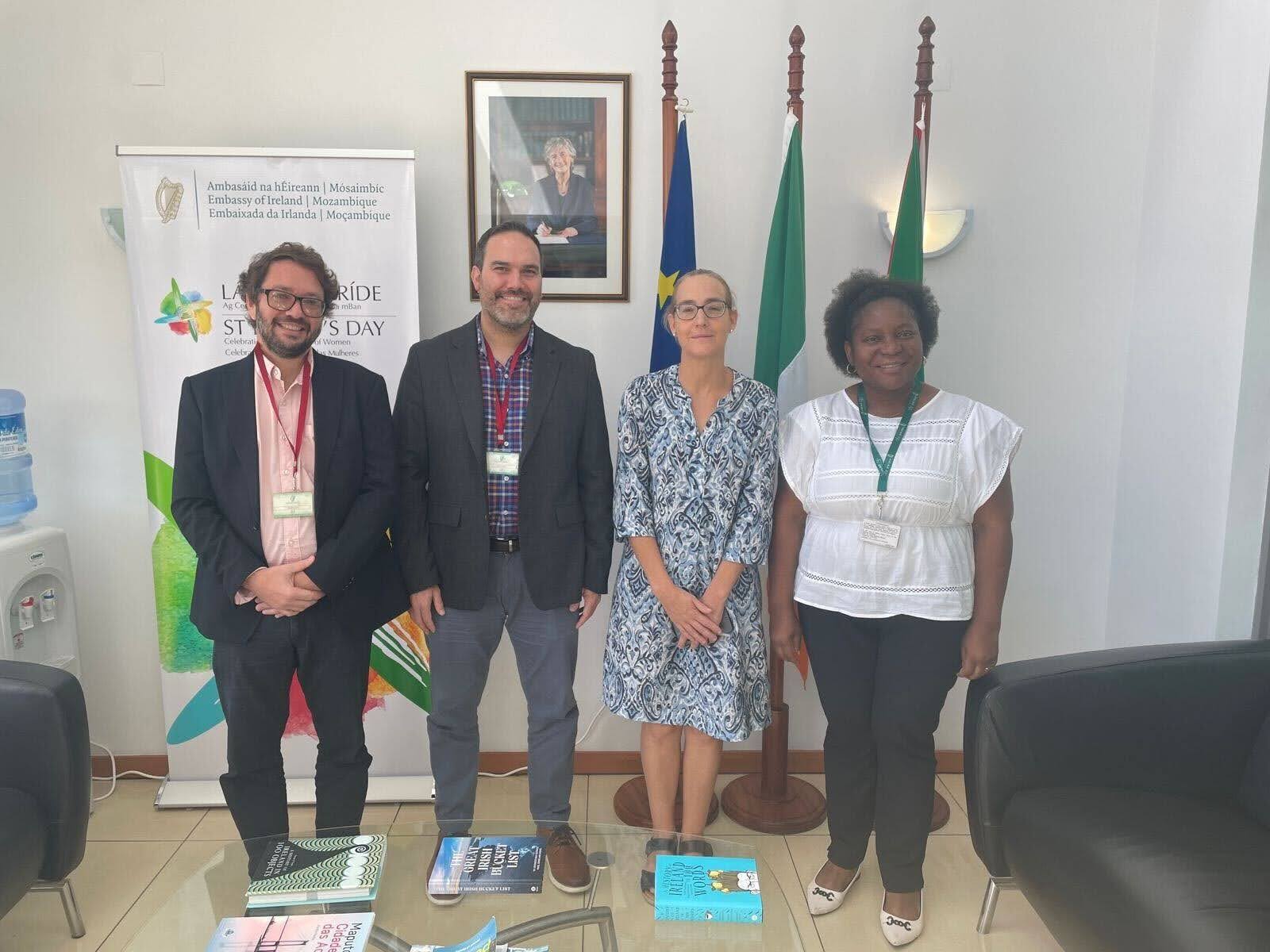
The role of IrishAid has been instrumental in the realization of this program. The Embassy of Ireland in Maputo has long been a proponent of education as a driver for poverty reduction and social equity. During the program’s rollout, Aileen O’Donovan, Deputy Head of Mission and Cooperation, and Lídia Meque, Program Manager at the Embassy, highlighted the alignment between the program and Ireland’s development priorities.
IrishAid’s involvement reflects a broader commitment to supporting Mozambique’s National Strategy. By providing the necessary funding and technical oversight, IrishAid is enabling World Education and the MEC to pilot high-impact strategies that can inform future national policy. The collaboration between JSI’s Adam Turney and David Noyes and the IrishAid team signifies a robust public-private-international partnership aimed at long-term systemic change.
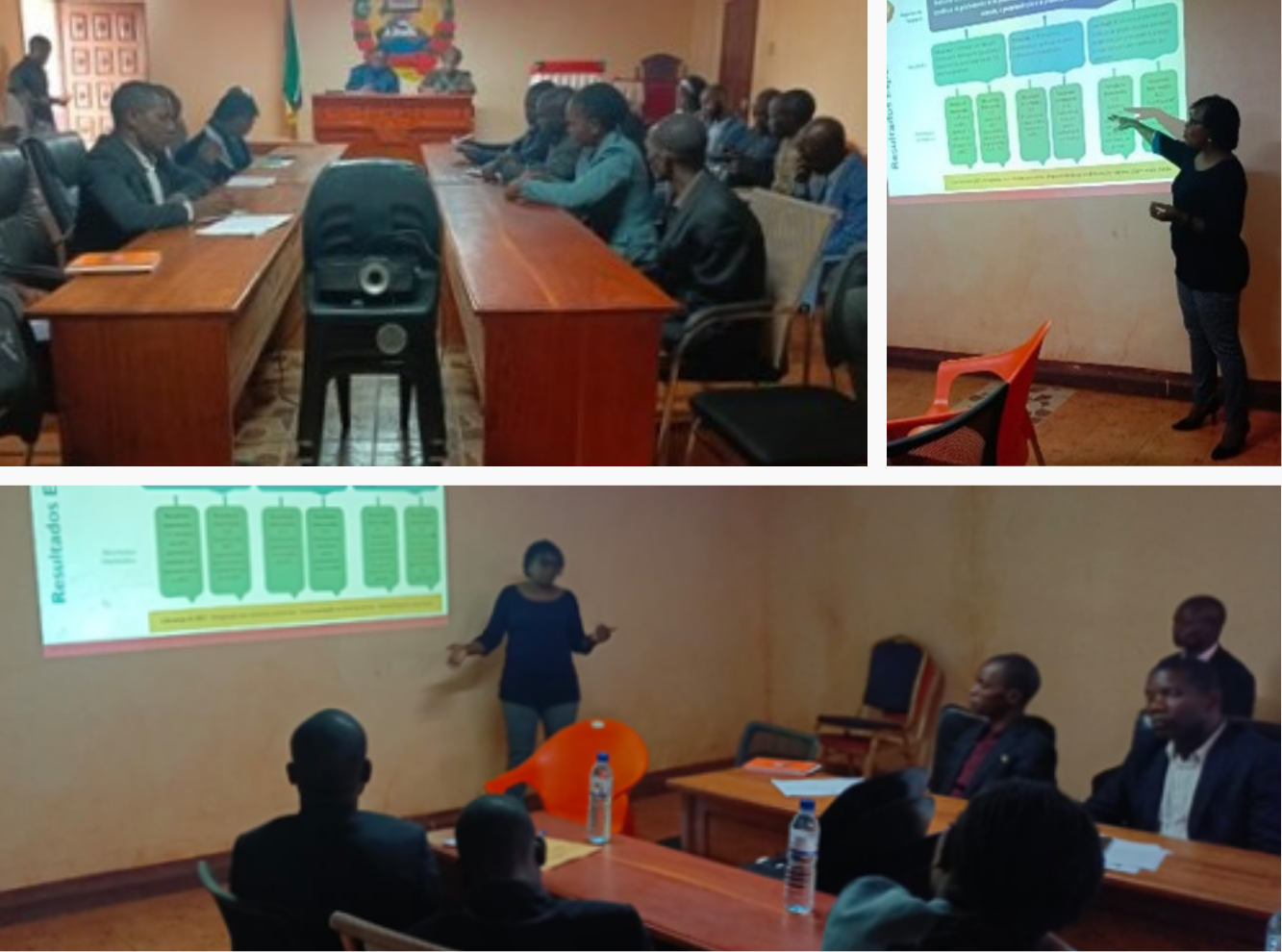
Official responses from the Ministry of Education and Culture have been overwhelmingly positive. The Ministry views the Empowering Educators program as a vital laboratory for testing the "multiplier" model. If successful in Niassa, the MEC has expressed interest in integrating these methodologies into the national curriculum for teacher training, potentially impacting tens of thousands of educators across all eleven provinces.
Broader Impact and Future Implications
The implications of the Empowering Educators program extend beyond the immediate improvement of test scores. By strengthening the capacity of teachers and school directors, the project is contributing to the resilience of the Mozambican education system. In an era where global shocks—ranging from climate change to economic instability—can disrupt learning, having a decentralized and self-sustaining professional development network is crucial.
The focus on gender-responsive management also carries long-term social implications. When schools become safer and more supportive environments for girls, the benefits ripple through the community, leading to improved health outcomes, delayed marriage, and increased economic participation for women.
As the program progresses through 2026 and beyond, World Education will continue to gather comprehensive baseline and endline evidence. This data-driven approach will allow the MEC to make informed decisions about resource allocation and policy adjustments. The ultimate vision is a Mozambican education system where every teacher has the tools to succeed, every director has the capacity to lead, and every child—regardless of gender or geography—has the opportunity to achieve their full potential.
Through the Empowering Educators program, World Education and its partners are not just training teachers; they are fostering a culture of excellence and accountability that promises to redefine the future of primary education in Mozambique. The success of this initiative in Niassa will serve as a beacon for educational reform, proving that with the right partnerships and a focus on sustainable, on-the-ground implementation, systemic change is within reach.