By Jennie van den Boogaard | Director of Global External Relations and Marketing
March 26, 2026
The civil war that erupted in Sudan in April 2023 has triggered the world’s largest and most urgent humanitarian crisis, with nearly one million Sudanese individuals seeking refuge in neighboring Chad. These new arrivals are straining an already overburdened system, compounding the challenges faced by existing refugee populations who have resided in camps for nearly two decades. The unprecedented influx of Sudanese refugees into Chad has dramatically reshaped the country’s humanitarian landscape, arriving at a time of severe reductions in global humanitarian aid, pushing both refugees and their host communities to the precipice of survival. HIAS Chad, an organization with over two decades of experience in the region, continues its vital work to support these vulnerable populations amidst this escalating crisis.
The Deepening Crisis: Sudan’s Displacement and Chad’s Overwhelmed Capacity
The conflict in Sudan, primarily between the Sudanese Armed Forces and the Rapid Support Forces (RSF), has created a devastating internal displacement crisis within Sudan, forcing over 14 million people from their homes. This internal turmoil has spilled across borders, with Chad bearing a significant brunt of the displacement. Since the conflict’s intensification in mid-April 2023, an estimated 900,000 to one million individuals have crossed into Chad, primarily from the Darfur region, fleeing not only the widespread fighting but also a resurgence of ethnic violence.
This surge represents an overwhelming acceleration of refugee arrivals. In just over two years, Chad has received more Sudanese refugees than it did in the preceding two decades combined, a stark illustration of the conflict’s ferocity and the urgency of the humanitarian response required. These new arrivals join an estimated 1.8 million displaced people already in Chad, placing the country at the forefront of refugee hosting in Africa, with the highest number of refugees per capita on the continent. The diverse refugee population in Chad originates from Sudan, the Central African Republic (CAR), Nigeria, and Cameroon, having fled various forms of violence, political instability, persecution, and the escalating impacts of climate change since 2001.
The Devastating Impact of Humanitarian Aid Reductions
Compounding the immense pressure of this refugee influx is a drastic and alarming reduction in humanitarian aid. In early 2025, significant cuts to U.S. humanitarian assistance, a major contributor to global aid efforts, had a profound and immediate impact on the ground in Chad. Funding for Chad saw a precipitous decline, dropping from approximately $338 million in 2024 to a mere $112 million in 2025, representing a staggering 67% decrease.
These cuts have had tangible, life-threatening consequences. They have directly led to a reduction in essential food assistance, a scaling back of critical health services, and the creation of significant gaps in protection programs, particularly for survivors of sexual and gender-based violence. For countless vulnerable individuals, this means a devastating loss of the support systems that were once their lifeline.
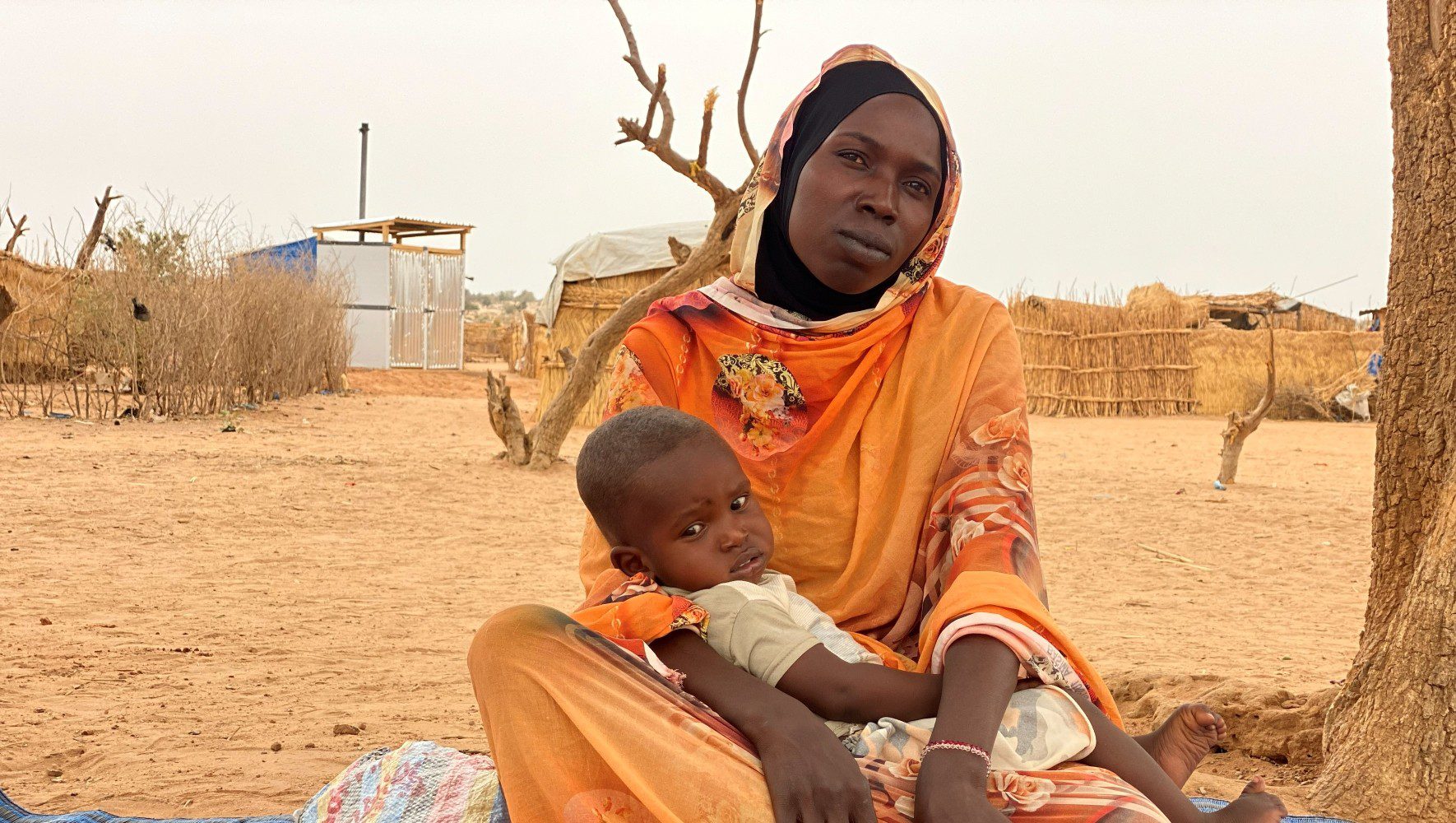
The ramifications extend beyond immediate needs. The reduction in lifesaving aid is directly contributing to increased malnutrition rates, a decline in adequate shelter provisions, and a rise in sexual and domestic violence against women and girls. Children, often the most vulnerable in any crisis, are bearing the brunt of these cuts, facing limited access to food, clean water, and educational opportunities. Many refugees have found themselves stranded at the border, lacking the financial means to reach more secure shelter within the camps, a grim testament to the aid shortfall.
The Multifaceted Challenges Faced by Refugees and Displaced Populations
The situation for refugees and displaced people in Chad is characterized by a confluence of severe challenges. Access to adequate food and shelter remains a persistent struggle. Opportunities for sustainable livelihoods are severely limited, trapping many in cycles of dependency. Women and girls are particularly vulnerable, facing heightened risks of violence during their perilous journeys and within the confines of refugee camps.
Beyond basic needs, refugees and their host communities grapple with limited access to essential services such as healthcare, clean water, and education. This scarcity leaves them highly susceptible to exploitation and critically dependent on humanitarian assistance, a dependency that is now under severe threat due to aid cuts.
Furthermore, Chad’s environment is increasingly hostile. Recurring droughts and floods, exacerbated by climate change, take a heavy toll on communities, eroding livelihoods and driving widespread food insecurity. In 2024, the Chadian government was compelled to declare a food emergency for the third consecutive year, underscoring the severity of the environmental and economic pressures. Despite these mounting challenges, Chad has consistently maintained an open-door policy for refugees for over two decades, a testament to its humanitarian spirit amidst immense national strain.
HIAS Chad: A Beacon of Support in a Dire Situation
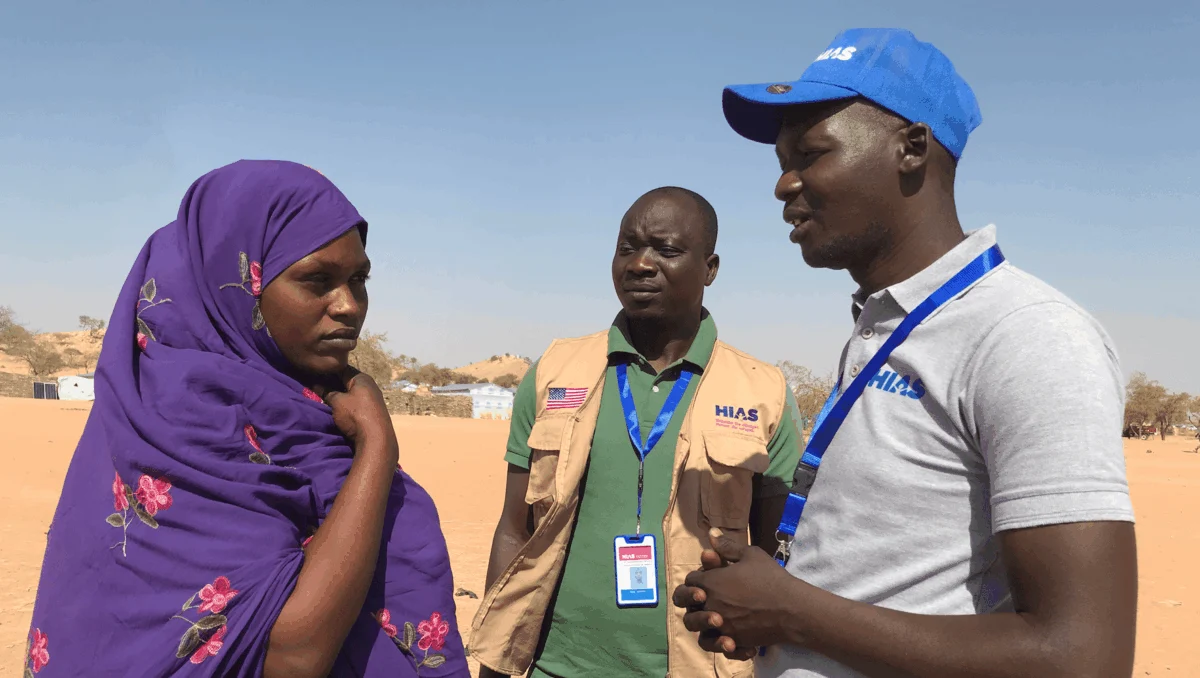
For over two decades, HIAS Chad has been a steadfast presence, providing crucial support to refugees, displaced persons, and host communities. In the face of the current overwhelming crisis, HIAS’s work is more critical than ever. The organization focuses on strengthening community-based protection networks and fostering peaceful coexistence between refugees and their host communities, recognizing that long-term stability requires integrated solutions.
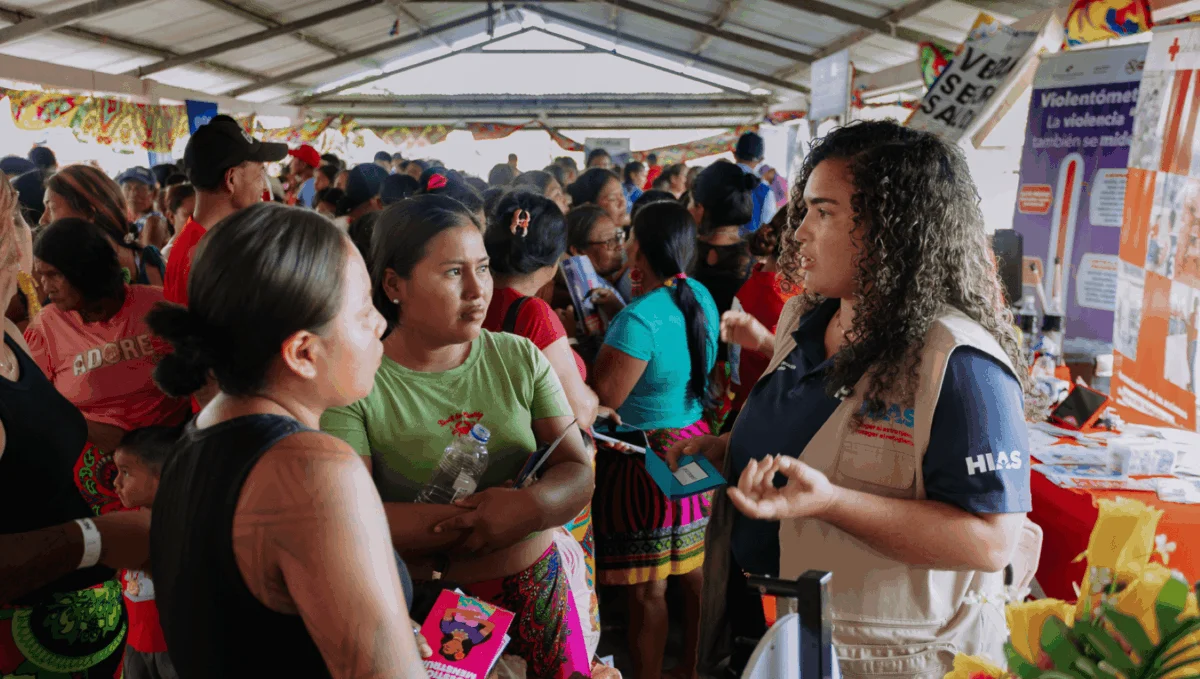
HIAS Chad collaborates closely with the Chadian government and other humanitarian organizations to ensure refugees are welcomed and to address basic needs in emergency situations. The daily operations of HIAS staff involve providing essential, life-saving assistance. This includes vital mental health support to help individuals cope with the profound trauma of displacement and conflict. Economic assistance programs are designed to empower refugees, enabling them to build sustainable sources of income and regain a sense of dignity and self-reliance. A key focus of HIAS’s protection efforts is the prevention and response to violence against women and girls, a persistent and devastating issue in displacement settings.
Beyond these core services, HIAS Chad actively distributes food and non-food items to meet immediate survival needs. The organization also implements economic projects aimed at fostering long-term resilience and reducing dependency on aid. These initiatives are crucial in helping refugees not just survive, but to begin rebuilding their lives and contributing to their new communities.
The current humanitarian landscape in Chad is a stark reminder of the interconnectedness of global security and the profound human cost of conflict and underfunded aid. As the crisis deepens, the role of organizations like HIAS, supported by continued global solidarity and adequate funding, becomes paramount in offering hope and essential support to those displaced by war and persecution. The unwavering commitment of HIAS and its partners on the ground is a critical bulwark against the escalating suffering, but the scale of the need demands a renewed and robust international response.