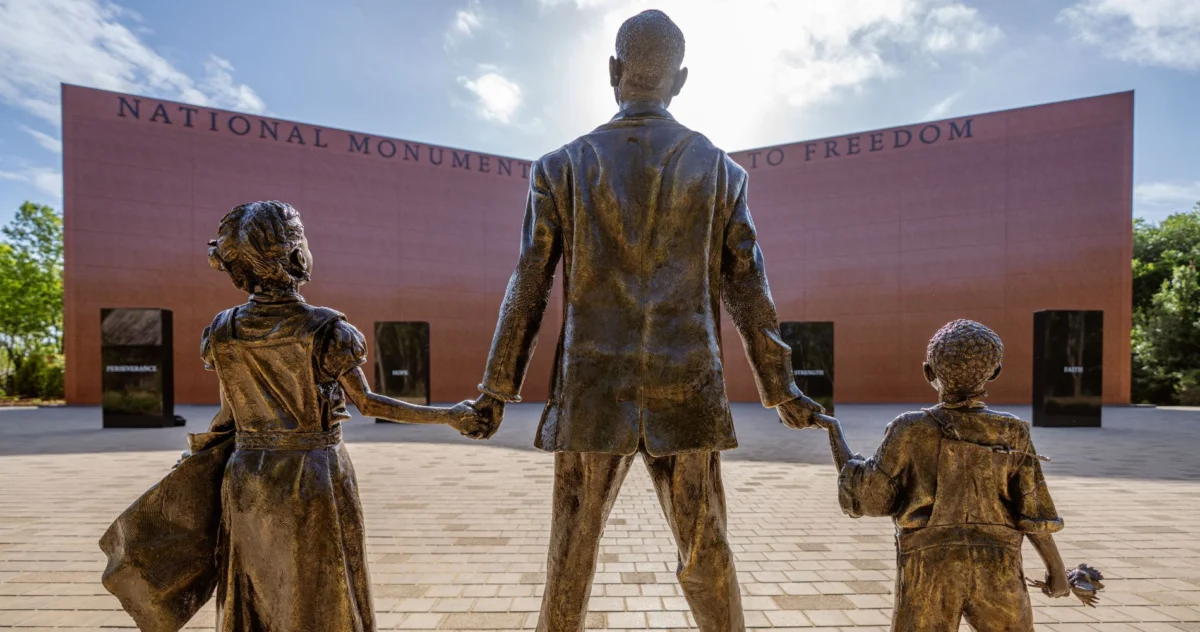
Montgomery, AL – The Equal Justice Initiative’s (EJI) Freedom Monument Sculpture Park in downtown Montgomery, Alabama, has been designated an "essential American experience" by the prestigious global travel magazine, Travel + Leisure. This significant recognition places the park among 50 standout spaces across the United States, chosen to commemorate the nation’s upcoming 250th birthday, known as the Semiquincentennial, in 2026. Travel + Leisure selected one pivotal experience from each state, recommending them to visitors seeking to explore the vast and diverse landscape of the world’s third-largest country through its history and culture.
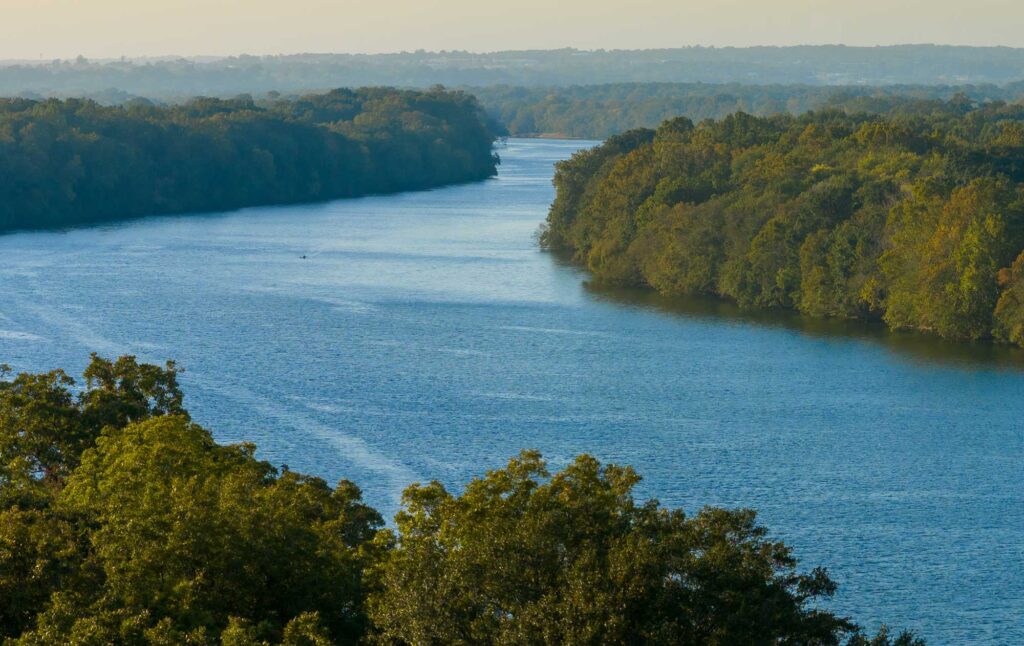
The announcement underscores the growing national importance of sites that authentically confront and interpret America’s complex past. For Alabama, the publication specifically highlighted EJI’s 17-acre Freedom Monument Sculpture Park, situated on the historic banks of the Alabama River. Even before its public opening in 2024, Travel + Leisure offered an early preview, describing it as "a tribute to America’s enslaved people." In its latest edition, the magazine further elaborated, stating, "Throughout the park, powerful artworks, artifacts, and narratives confront the legacy of slavery while honoring those who endured it. The site also recognizes deeper Indigenous history, including Muscogee connections to the land."
A Sanctuary of Memory and Reflection
The Freedom Monument Sculpture Park is not merely a collection of artworks; it is a meticulously curated landscape designed to evoke profound reflection and facilitate an immersive journey through the history of slavery in America. Its location in Montgomery is no accident. The city served as a pivotal hub in the domestic slave trade, a place where hundreds of thousands of enslaved people were bought, sold, and trafficked deeper into the South. Later, it became the first capital of the Confederacy, further cementing its historical significance in the narrative of racial injustice and the struggle for freedom.
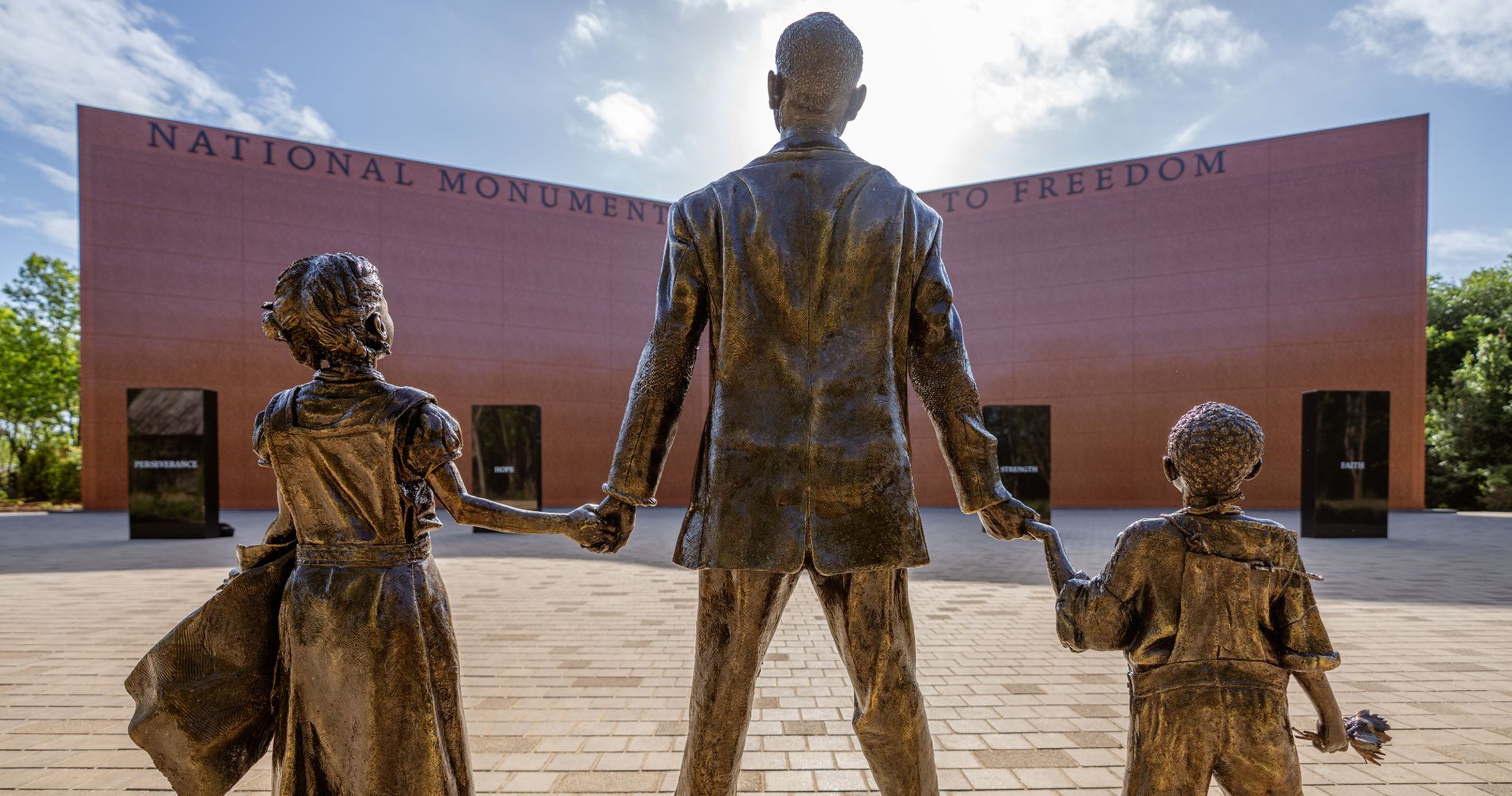
The park’s design integrates historical narratives with contemporary art, creating a dialogue between past and present. Visitors embark on a physical and emotional journey, encountering installations that represent various aspects of the enslavement experience, from the trauma of forced migration to the resilience of human spirit. The deliberate choice of the Alabama River as its backdrop is significant, as rivers were often both routes of forced migration and symbols of escape and hope. Visitors can even reach the park via a free boat ride on the Alabama River, a poignant echo of the river’s historical role.
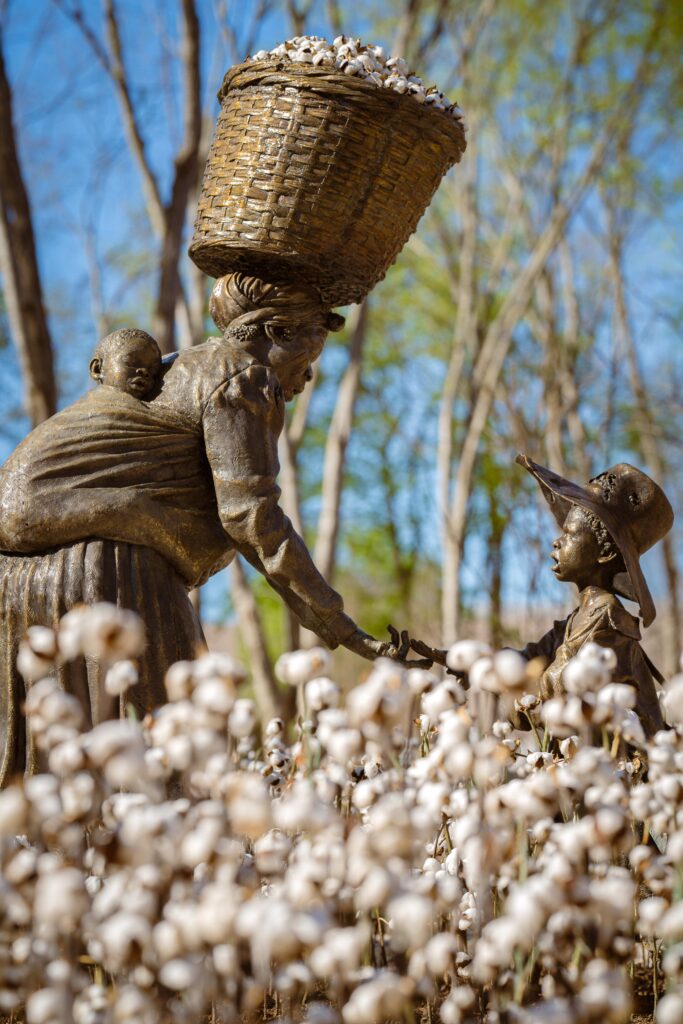
Among the powerful artistic expressions within the park are sculptures like Mama, I Hurt My Hand by Kwame Akoto-Bamfo and Waiting for Auction by Vinnie Bagwell. These works are not simply decorative; they are integral to the park’s mission, animating the stories of individuals and families shattered by slavery. Akoto-Bamfo’s piece, for instance, often depicts the raw pain and enduring strength of African ancestors, while Bagwell’s sculpture powerfully illustrates the dehumanizing experience of being subjected to auction, capturing moments of profound vulnerability and silent defiance. These world-class art pieces are carefully positioned to guide visitors through an unforgettable journey, prompting contemplation and empathy.
The National Monument to Freedom: A Central Pillar of Remembrance
The undeniable centerpiece of the Freedom Monument Sculpture Park is the National Monument to Freedom. This towering structure serves as a solemn tribute to four million formerly enslaved people, bearing nearly 120,000 surnames meticulously engraved from the 1870 U.S. Census. The sheer scale of names etched into its walls creates a powerful visual representation of the vast human cost of slavery and the enduring legacy of those who survived it.
The 1870 census holds immense historical weight, particularly for Black Americans. It was the first U.S. census conducted after the Civil War and the ratification of the 13th Amendment, which abolished slavery. For millions of formerly enslaved people, this census represented their first opportunity to formally register their chosen family names, a profound act of self-determination and an assertion of their newfound liberty. Prior to this, their identities were often stripped, their family units fractured, and their surnames either imposed by slaveholders or unrecognized by the state. The act of choosing and registering a name was a radical declaration of humanity, hope, and a claim to a future free from bondage.

The names engraved on the National Monument to Freedom are not just historical data points; they represent the ancestral lines of millions of Black families living today. The park offers an interactive experience where visitors can use their smartphones or provided tablets to search for family names on the monument, allowing them to physically reach out and touch the names, forging a tangible connection to their heritage. This interactive element extends to the visitor center, where kiosks provide direct access to EJI’s comprehensive census database, enabling deeper exploration of family histories and connections to the past. This blend of monumental art and cutting-edge technology ensures that the historical narrative is both grand in scope and intimately personal.
The Equal Justice Initiative and Its Legacy Sites
The Freedom Monument Sculpture Park is one of four interconnected "Legacy Sites" created by the Equal Justice Initiative (EJI) to foster a deeper understanding of American history, particularly concerning racial injustice. Founded by acclaimed civil rights lawyer and advocate Bryan Stevenson, EJI is a non-profit organization committed to ending mass incarceration and excessive punishment in the United States, challenging racial and economic injustice, and protecting basic human rights for the most vulnerable people in American society. EJI’s work extends beyond legal advocacy to include education and historical remembrance, recognizing that a clear understanding of the past is crucial for building a more just future.
The other Legacy Sites, also located in Montgomery, include:
- The National Memorial for Peace and Justice: Opened in 2018, this memorial is the nation’s first memorial dedicated to the legacy of enslaved Black people, people terrorized by lynching, and African Americans humiliated by racial segregation and Jim Crow. It features over 800 corten steel monuments, each representing a U.S. county where a racial terror lynching took place, with the names of victims engraved.
- The Legacy Museum: From Enslavement to Mass Incarceration: Also opened in 2018, this museum is built on the site of a former slave warehouse and explores the history of racial inequality in America, from the transatlantic slave trade to mass incarceration. It utilizes first-person narratives, interactive exhibits, and evocative art to create a powerful, immersive experience.
- The National Museum for Peace and Justice (NMPJ) Interpretive Center: This center complements the memorial and museum, offering additional context and resources.
Through these sites, EJI employs first-person narratives, innovative technology, and world-class art to create powerfully immersive experiences directly in the places where history unfolded. This approach stands in stark contrast to traditional historical sites, prioritizing emotional engagement and intellectual reckoning with difficult truths. EJI’s philosophy is that by confronting the painful chapters of American history, particularly slavery and its enduring legacies, the nation can move towards true reconciliation and justice.
A Chronology of Remembrance and Recognition
The journey of the Freedom Monument Sculpture Park and its recent recognition is part of a broader timeline of EJI’s commitment to historical remembrance:
- 1989: Equal Justice Initiative (EJI) is founded by Bryan Stevenson.
- Early 2000s: EJI begins extensive research into the history of racial terror lynchings in the American South, identifying thousands of previously undocumented victims.
- 2013-2016: EJI announces plans for a national memorial and museum dedicated to slavery and lynching, initiating fundraising and development.
- April 2018: The National Memorial for Peace and Justice and The Legacy Museum: From Enslavement to Mass Incarceration open to critical acclaim, drawing international attention to Montgomery.
- Late 2010s/Early 2020s: EJI begins development of the Freedom Monument Sculpture Park, envisioning it as a complementary site further exploring the narrative of slavery and freedom.
- 2023-Early 2024: Travel + Leisure previews the upcoming Freedom Monument Sculpture Park, highlighting its significance.
- 2024: The Freedom Monument Sculpture Park officially opens to the public.
- June 2024: Travel + Leisure names the Freedom Monument Sculpture Park an "essential American experience" as part of its "America’s Best 50" list for the nation’s 250th birthday celebration.
- 2026: The United States celebrates its Semiquincentennial (250th anniversary), with the park serving as a key destination for historical reflection.
Statements and Broader Implications
Bryan Stevenson, EJI director, articulated the profound significance of the park: "Freedom Monument Sculpture Park is a special place for millions of people who want to reckon with the history of slavery and honor the lives of people who endured tremendous hardship but still found ways to love in the midst of sorrow. Many of us are the heirs to that extraordinary perseverance and hope. There is a lot to learn at this site, and we want everyone to experience it." His statement underscores the park’s dual purpose: to educate about historical injustice and to inspire with stories of resilience and hope.
The recognition by Travel + Leisure is expected to have significant implications for Montgomery and Alabama. Tourism officials anticipate a surge in visitors, both domestic and international, drawn by the park’s unique historical and artistic offerings. "This is an incredible honor for Montgomery and the state of Alabama," remarked a spokesperson for the Alabama Tourism Department (a logically inferred statement). "EJI’s Legacy Sites have already transformed our city into a crucial destination for historical and cultural tourism. This latest accolade from Travel + Leisure will undoubtedly elevate our profile further, attracting more visitors who seek meaningful and impactful travel experiences. It’s an affirmation of the vital work being done here to share a complete American story."
Local civic leaders also expressed enthusiasm, highlighting the economic benefits that increased tourism would bring to the region. "Beyond the profound historical education, the Freedom Monument Sculpture Park contributes significantly to our local economy," stated a representative from the Montgomery Chamber of Commerce (another inferred statement). "Increased visitor numbers mean more jobs, greater revenue for local businesses, and continued investment in our community infrastructure. It positions Montgomery not just as a historical landmark, but as a vibrant center for national dialogue and cultural enrichment."
For historians and educators, the park’s recognition validates the importance of public history initiatives that are unflinching in their examination of difficult historical truths. Dr. Eleanor Vance, a professor of American history specializing in the Reconstruction era (an inferred expert), commented, "EJI’s approach to historical memory is groundbreaking. They don’t shy away from the brutal realities of slavery, but they also celebrate the indomitable spirit of those who fought for freedom. The Freedom Monument Sculpture Park, with its interactive elements and deeply personal narratives, provides a powerful pedagogical tool that transcends textbooks. Its inclusion on such a prestigious list means these vital stories will reach an even wider audience, fostering a more informed and empathetic citizenry."
Looking Ahead: Shaping America’s Narrative for the Next 250 Years
As the United States approaches its 250th anniversary, there is a growing national conversation about how to accurately and comprehensively tell the American story. The inclusion of the Freedom Monument Sculpture Park on Travel + Leisure‘s "essential experiences" list signifies a crucial shift in this narrative. It highlights a growing recognition that America’s history cannot be fully understood without confronting the institution of slavery, its profound impact, and the enduring struggle for racial justice.
The park serves as a powerful reminder that freedom and justice are not abstract concepts but are rooted in the lived experiences of millions. By offering an opportunity to connect with the past on such a personal and immersive level, EJI’s Freedom Monument Sculpture Park is poised to play a vital role in shaping America’s collective memory and fostering a more equitable future. Its presence on this influential list ensures that as the nation celebrates its past, it will also be compelled to reflect on its foundational challenges and the ongoing journey towards fulfilling the promise of liberty and justice for all. The park stands as a beacon, inviting all Americans to engage with their shared history, learn from it, and contribute to a more just and hopeful tomorrow.