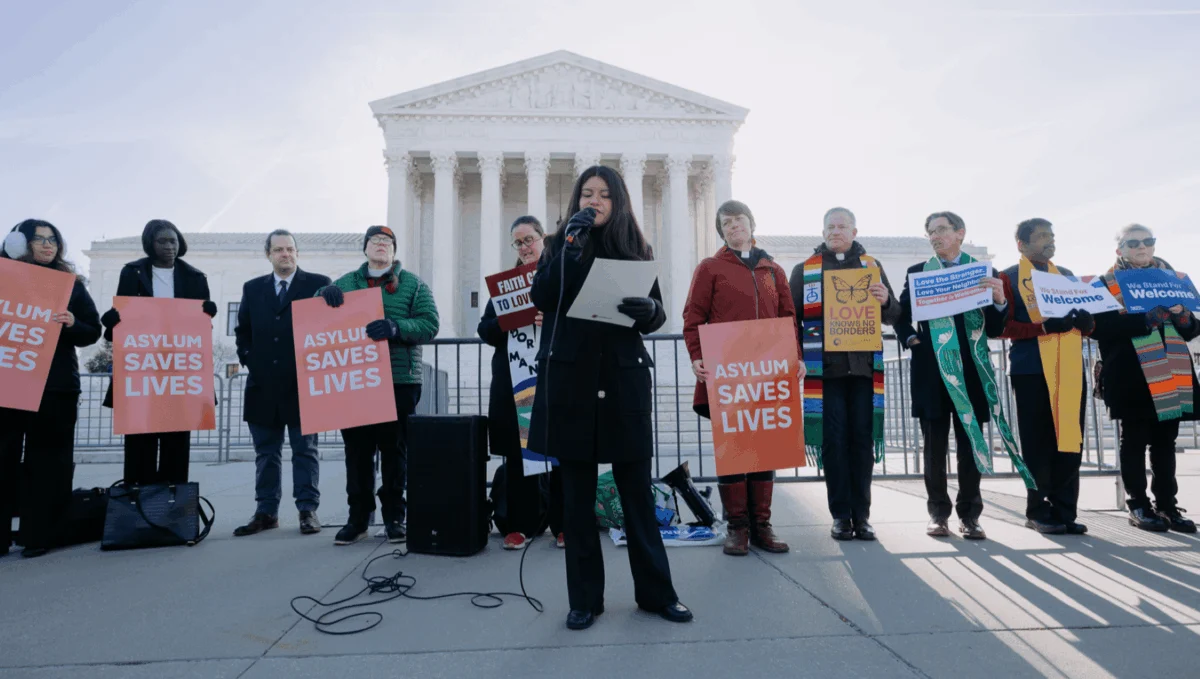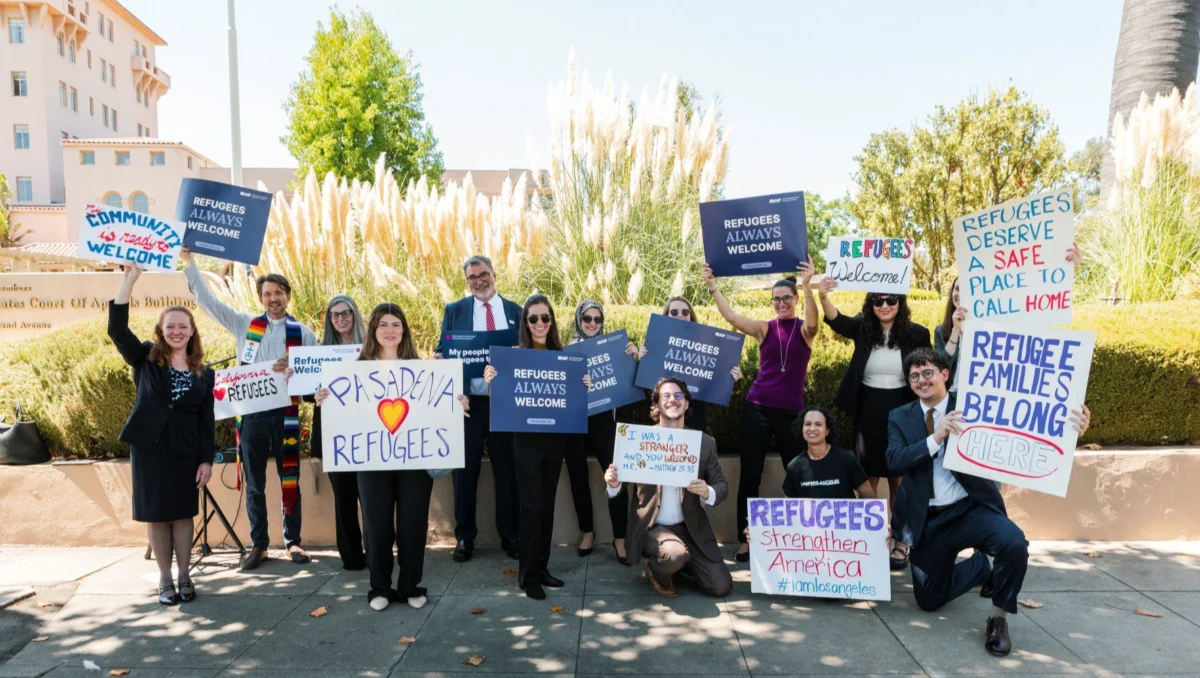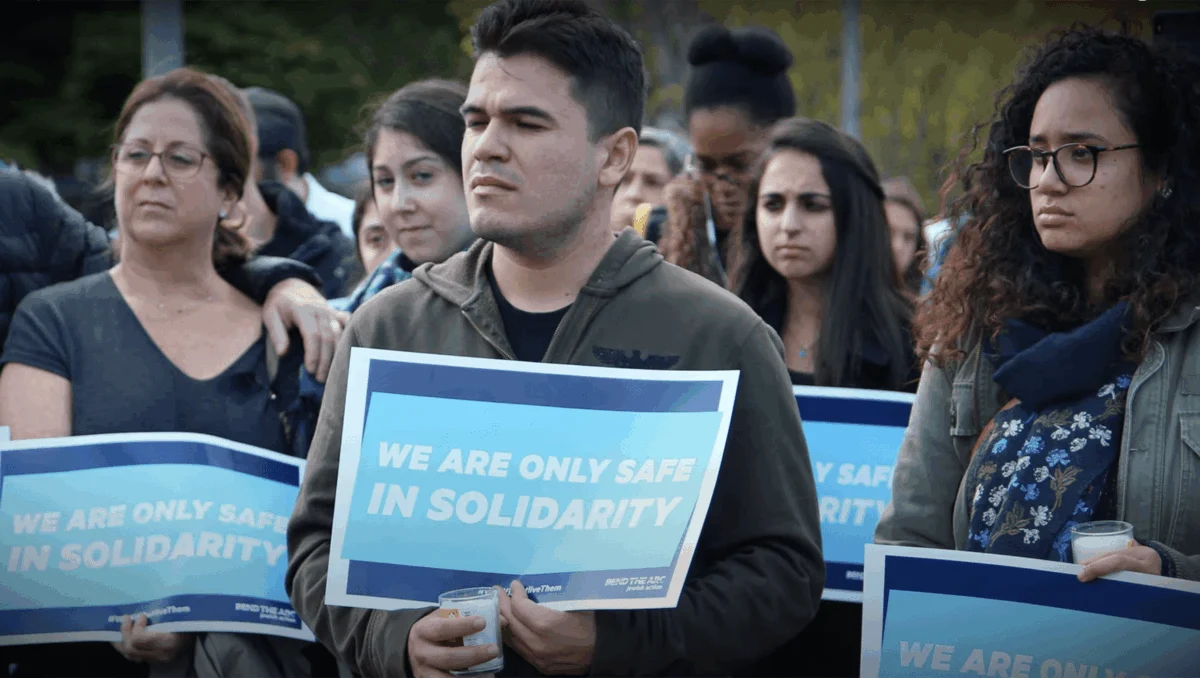
The United States and the global community are witnessing a disturbing escalation in the dissemination of misinformation and conspiracy theories targeting immigrants. Among the most insidious is the "Great Replacement Theory," a white nationalist fabrication that falsely claims an orchestrated plot to fundamentally alter the demographic makeup of Western nations by replacing white populations with non-white immigrants. This dangerous ideology, amplified through political rhetoric and online platforms, has demonstrably fueled hatred, fear, and tragic violence, with devastating consequences for targeted communities and the broader social fabric.
The theory’s insidious nature lies in its ability to tap into existing anxieties and prejudices, framing immigration not as a humanitarian issue or a demographic shift, but as an existential threat. This narrative, often intertwined with xenophobic tropes and antisemitic canards, has moved from the fringes of extremist discourse into the mainstream political arena, influencing policy debates and contributing to a climate of hostility. This analysis delves into the origins, manifestations, and profound implications of the Great Replacement Theory, examining its direct links to acts of violence and its impact on immigration policy and societal cohesion.
Origins and Evolution of a Pernicious Ideology
The roots of the Great Replacement Theory are deeply embedded in historical currents of racism and antisemitism, stretching back to the late 19th century. Early manifestations can be seen in the anxieties expressed by some European intellectuals and journalists who warned of Jewish influence purportedly undermining national cultures and identities. Simultaneously, in the United States, the eugenics movement, driven by racist ideologies, sought to control the populations of Black Americans through forced sterilization, reflecting a deep-seated fear of demographic change. During various periods in U.S. history, Jewish immigration itself was frequently characterized by political figures as an "invasion" to stoke fear and animosity.
The specific term "Great Replacement Theory" gained significant traction in 2011 with the publication of Le Grand Replacement by French author and conspiracy theorist Renaud Camus. Camus posited that "elites" within the French government were deliberately facilitating Muslim immigration to dilute France’s white, Christian population and identity. While Camus’ original formulation focused on a perceived threat to French identity, its adaptation in the United States has taken on a more explicit focus, often identifying Jews as the orchestrators of this alleged demographic shift, and non-white immigrants as the "invaders."
The Theory’s Deadly Manifestations
The consequences of the Great Replacement Theory have been tragically tangible, translating from hateful rhetoric into acts of horrific violence. The theory’s proponents frequently employ the term "invasion" to describe the arrival of immigrants, a dehumanizing characterization amplified by xenophobic politicians and media personalities. This rhetoric has direct ties to antisemitism, as evidenced by the chilling chants of "Jews will not replace us" at the 2017 "Unite the Right" rally in Charlottesville, Virginia. This event, which resulted in the death of counter-protester Heather Heyer, underscored the violent undercurrent of the white nationalist movement.
Further highlighting the deadly nexus between the theory and antisemitism, a white supremacist attacker murdered 11 people at the Tree of Life synagogue in Pittsburgh, Pennsylvania, in 2018. The perpetrator had posted online screeds accusing HIAS (Hebrew Immigrant Aid Society), a Jewish organization dedicated to refugee assistance, of facilitating the migration of "hostile invaders" who posed a threat to "his people." This act of domestic terrorism served as a stark reminder of the real-world impact of the Great Replacement Theory’s hateful narrative.
The violence has not been limited to antisemitic attacks. The perpetrator of a mass shooting at a Chabad center in Poway, California, in 2019, which killed one person and injured others, accused Jews of "destroying the white race." Similarly, the man responsible for the 2019 Walmart massacre in El Paso, Texas, which claimed 23 lives, explicitly stated he was inspired by the Great Replacement Theory and its anti-immigrant fervor. The shooter who killed 10 people at a supermarket in Buffalo, New York, in 2022, also drew inspiration from this white nationalist conspiracy. These events, occurring within a short span, paint a grim picture of the escalating radicalization fueled by the theory.
Political Discourse and Policy Implications
Beyond acts of direct violence, the rhetoric of "invasion" has permeated political discourse and significantly influenced immigration policies in the United States. This trope, inextricably linked to the Great Replacement Theory, has been incorporated into numerous anti-immigration legislative proposals. Members of Congress have been documented amplifying this white nationalist conspiracy in their official capacities, lending it a veneer of legitimacy.
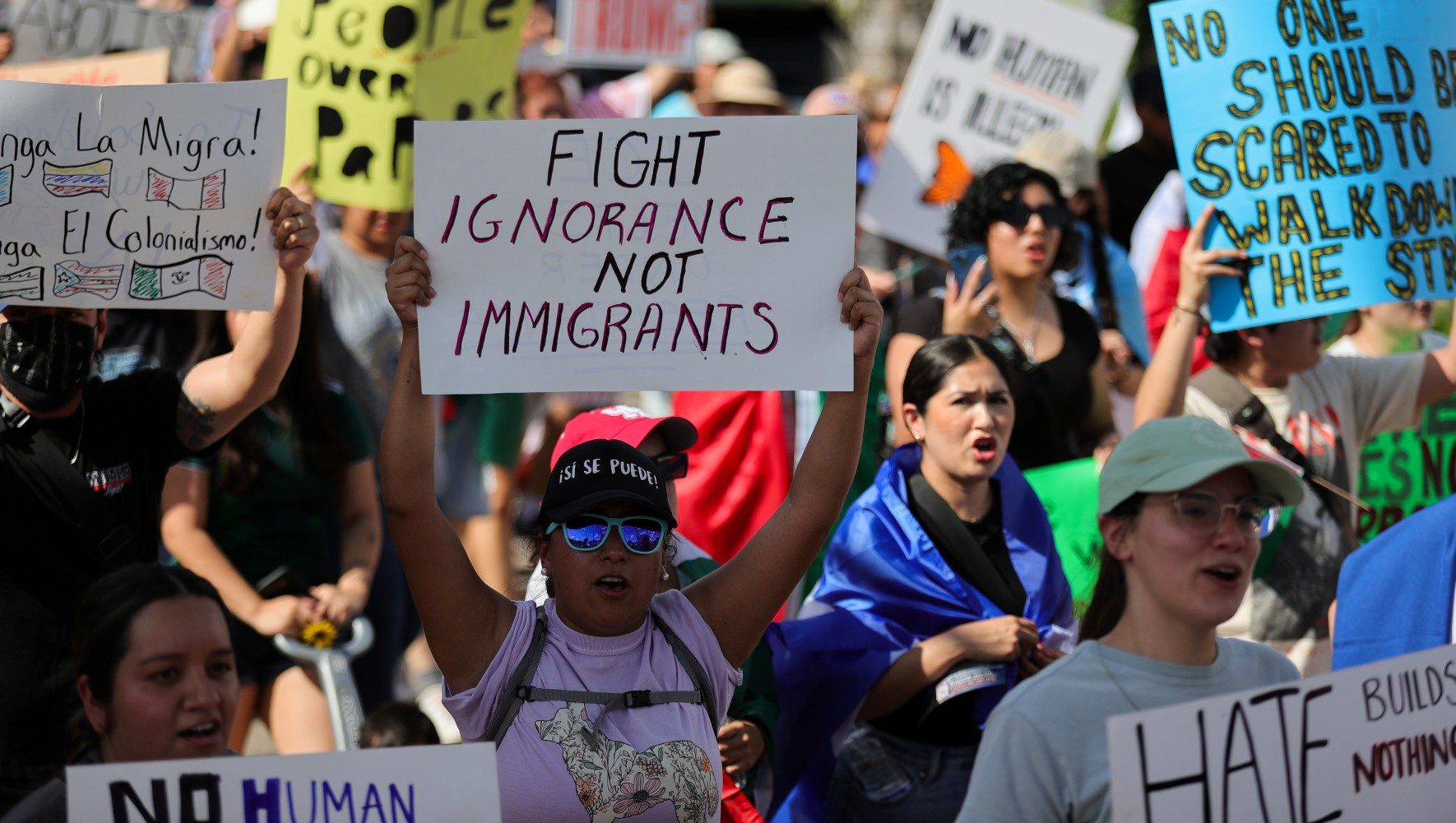
The notion of demographic "replacement" has also been central to the immigration agenda of the Trump administration since January 2025. Policies promoting "remigration," essentially the forced deportation of non-white individuals from Western countries, have been a cornerstone of this agenda. Since President Trump’s inauguration, hundreds of thousands of immigrants have been deported, a policy that critics argue has inflicted significant damage on the social fabric and economy of the United States, particularly impacting individuals and families who were deeply integrated into American society. The false narrative that migrants are arriving to commit widespread voter fraud further weaponizes the theory, eroding trust in democratic processes and demonizing entire communities.
HIAS: A Target of Misinformation
As an international Jewish organization with a long-standing commitment to assisting refugees and displaced persons, HIAS has become a particular target for proponents of the Great Replacement Theory. White nationalist media figures and influencers have deliberately disseminated misinformation about HIAS’s operations, seeking to advance their xenophobic, antisemitic, and racist agendas. This deliberate campaign of disinformation aims to incite hatred and, in some instances, to profit from the spread of divisive ideologies.
HIAS has consistently countered these dangerous smears with factual information, emphasizing its century-long dedication to providing humanitarian aid driven by values of welcome, empathy, and the inherent dignity of every individual. The organization’s history, rooted in the Jewish tradition of caring for the vulnerable, underscores its unwavering commitment to its mission, regardless of political shifts or the rise of hateful ideologies.
Data and Trends: A Disturbing Picture
The impact of the Great Replacement Theory is not merely anecdotal; it is reflected in disturbing trends and statistics. Reports from 2025 indicated a significant surge in antisemitic incidents globally, with the highest number of Jewish fatalities recorded in three decades. This alarming rise directly correlates with the increased visibility and influence of the Great Replacement Theory.
The pervasive use of "invasion" rhetoric in political campaigns and policy debates is also quantifiable. Analysis of anti-immigration advertisements and policy proposals reveals a consistent pattern of employing fear-based language that mirrors the core tenets of the Great Replacement Theory. This strategic deployment of conspiracy-laden narratives serves to polarize public opinion and justify harsher immigration enforcement measures.
Broader Implications for Society
The widespread acceptance and amplification of the Great Replacement Theory pose a profound threat to democratic societies. By fostering an environment of fear and distrust, it erodes social cohesion and undermines the principles of inclusivity and human rights. The normalization of conspiracy theories in public discourse can lead to a dangerous detachment from verifiable facts, making populations more susceptible to manipulation and radicalization.
The theory’s emphasis on demographic anxieties also distracts from the complex economic and social factors that shape societies. Instead of addressing systemic issues, it offers simplistic and scapegoating explanations, diverting attention from the need for comprehensive and humane solutions to challenges such as economic inequality and social integration.
The ongoing fight against the Great Replacement Theory requires a multifaceted approach. This includes robust fact-checking initiatives, media literacy education to help individuals critically evaluate information, and consistent condemnation of hateful rhetoric from public figures. Furthermore, it necessitates a recommitment to the principles of human dignity, compassion, and the shared humanity that binds us all. As HIAS continues its vital work, it stands as a testament to the enduring power of empathy and the urgent need to confront ideologies that seek to divide and dehumanize. The battle against misinformation and hate is not just a matter of policy; it is a fundamental imperative for the preservation of a just and equitable society.