In the heart of Brazil’s Jequitinhonha Valley, a profound movement is gaining momentum. Indigenous Peoples, Quilombola communities, and various traditional populations are spearheading a call to recognize the Jequitinhonha River not merely as a natural resource, but as a living being with inherent rights. This initiative seeks to enshrine an ancestral concept of justice into Brazilian law, one that acknowledges the intricate interdependence between waters, territories, human beings, and the wider non-human world. The proposal, currently under consideration as Bill No. 5609/2026, has the potential to designate the Jequitinhonha as the first river in Brazil to be granted legal personhood under state law, a landmark decision amidst the escalating pressures of lithium mining and the complex realities of the global green energy transition.
Jequitinhonha: A Crucible of Promises and Contradictions
Brazil’s decision in 2022 to relax restrictions on lithium exports, driven by significant international demand, triggered an intense mining rush across the semi-arid Jequitinhonha Valley. This surge is starkly illustrated by Technical Note No. 01/2024, "Mining Processes in Jequitinhonha and Mucuri," compiled by the Observatory of the Valleys and Semi-arid Minas Gerais research group. As of February 2024, the basins of the Jequitinhonha and Mucuri rivers were subject to 8,820 mining applications. Of these, a substantial 1,377 applications specifically targeted lithium, covering an area of 18,000 square kilometers. Between 2022 and 2024, the number of mining applications in the region saw an astonishing increase of 562%, signaling the arrival of major international corporations eager to capitalize on the promise of profitability.
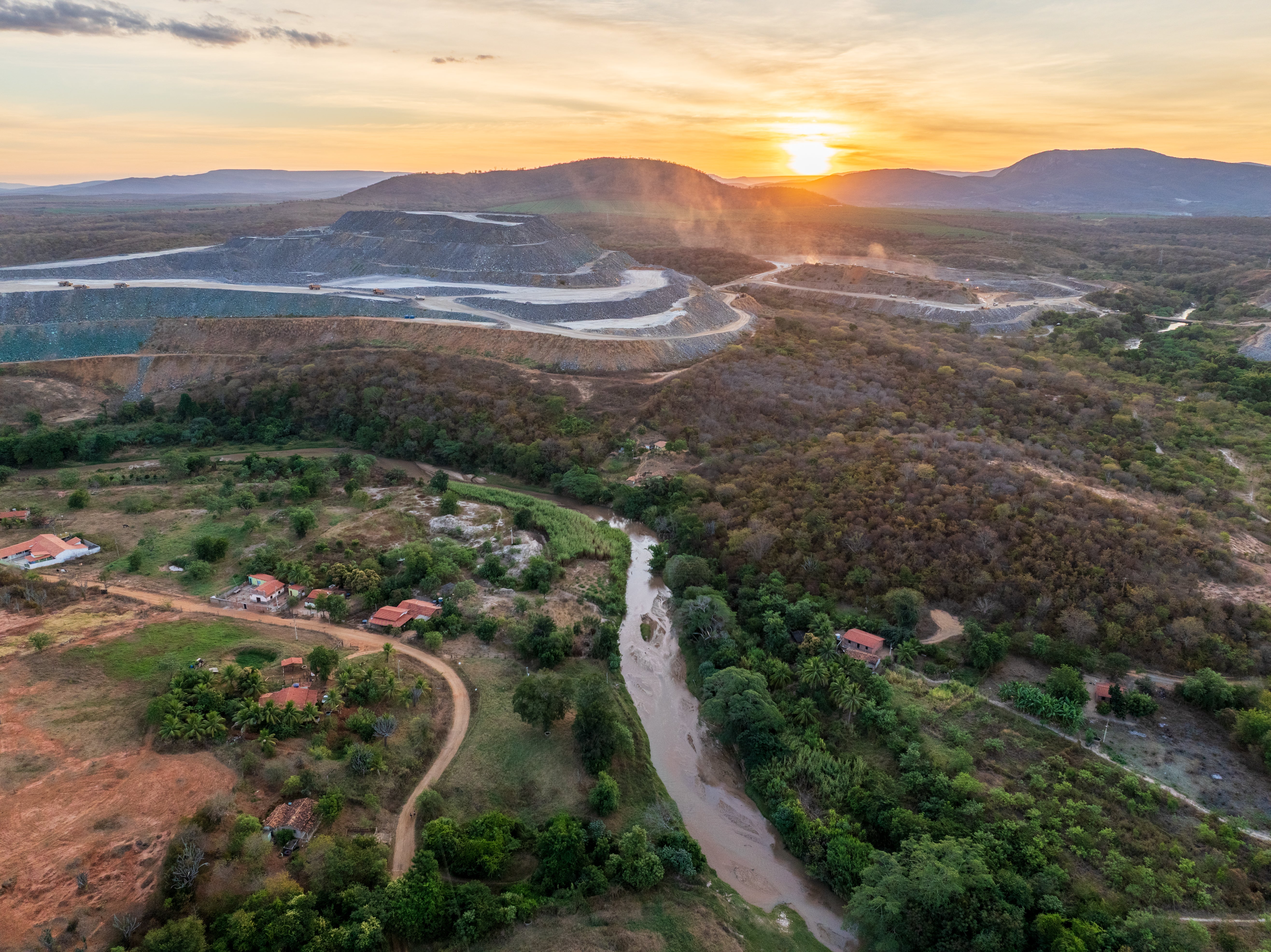
However, this economic fervor casts a long shadow over the lives of local communities. Residents of the Jequitinhonha Valley describe a stark contrast between the promised clean energy future and their lived reality: one characterized by pervasive dust, incessant noise, and escalating health issues. Open-pit blasting operations, often conducted 24 hours a day, have reportedly caused structural damage to homes and led to widespread health problems. Luiz, a local resident whose name has been changed to protect his safety, shared in 2025, "The promised development has brought us cracked houses, dust, and disease." The dust pollution has been directly linked to fatal cases of pneumonia. Furthermore, communities report that the mining operations have exacerbated water scarcity, with households receiving only 1,000-liter water tanks filled monthly, while the mining company holds a license from Brazil’s National Water and Basic Sanitation Agency (ANA) to draw heavily from the Jequitinhonha River. Altair, a member of the Piauí Poço Dantas community (whose name has also been changed), stated, "Water that once flowed free now comes by truck. The stream dried up for the first time in 2025, and families rely on cisterns provided by the company itself." Despite Sigma Lithium’s global claims of zero tailings, the waste disposal facilities are situated less than a kilometer from homes and a local school, exposing children to continuous noise and a pervasive sense of insecurity.
Indigenous communities have voiced particular alarm, noting that the lithium rush has intensified interest and encroachment upon their ancestral territories. This mounting pressure on their lands has led to campaigns of moral defamation and both digital and physical persecution of community leaders. The grim reality of this situation is underscored by the fact that Latin America remains the most lethal region globally for human rights and environmental defenders; for every defender killed, hundreds more face persecution, silencing, or criminalization. The pace at which technical reports and mining licenses are approved often outstrips the slow and arduous process of demarcating Indigenous territories in the region. Djalma Ramalho Gonçalve, a member of the Aranã Caboclo Indigenous community and co-author of a critical report, highlights this struggle, stating, "My own People, the Aranã Caboclo, have been fighting for more than 20 years to complete the official demarcation of our lands." These community critiques have resonated beyond local borders, finding an international platform.
In November 2025, a comprehensive report titled "The Price of Green" was released by Cultural Survival, in collaboration with the A’uwá-Xavante, Aranã Caboclo, Pankararu, and Pataxó Peoples, as well as the Mutuco and Córrego do Narciso Quilombo communities from the Jequitinhonha Valley. The report critically examined the National Bank for Economic and Social Development (BNDES) for allocating R$486 million (approximately $96 million USD) from the Climate Fund, a fund intended for climate mitigation initiatives, to lithium mining projects. These projects, the report emphasizes, are advancing without the Free, Prior, and Informed Consent (FPIC) of over 248 affected communities. Furthermore, the report highlights that Sigma Lithium operates in an area containing 130 cataloged springs and that its activities are projected to generate 195.6 hectares of mining waste, while seemingly disregarding cumulative environmental impacts and the fundamental FPIC requirement embedded in Brazilian constitutional provisions and international law. Djalma Ramalho Gonçalve warned that these territories are being transformed into "sacrifice zones," stating, "Our lands are being invaded, our futures threatened, and our rights systematically violated in the name of so-called progress. We oppose a predatory model that violates life and destroys Mother Earth."
Ancestral Water and Indigenous Cosmologies
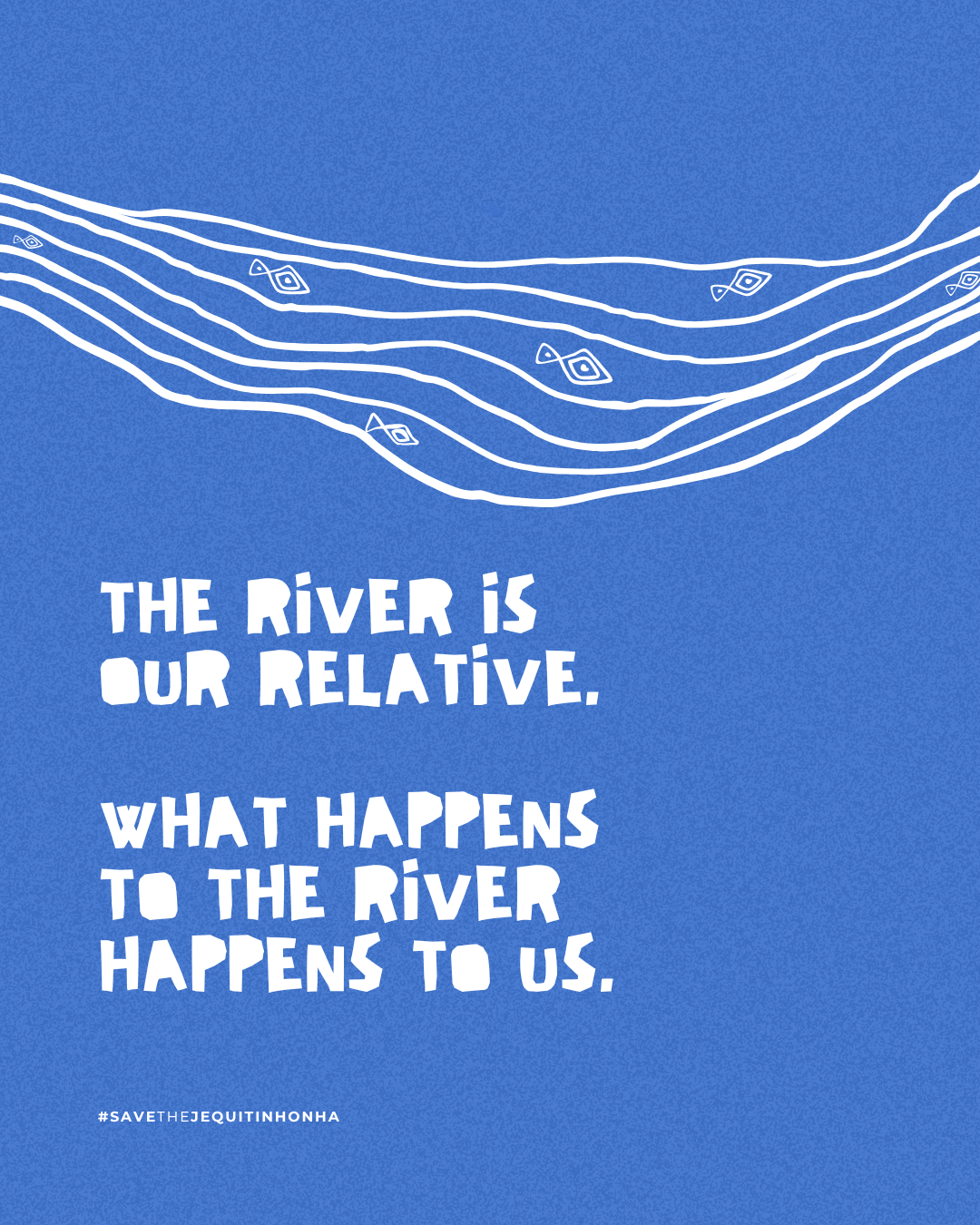
For Indigenous Peoples, water transcends the definition of a mere resource; it is ancestral, it is kin. This profound connection stems from a cosmology that rejects the separation between humans and other beings, a stark contrast to the colonial and capitalist paradigms founded on the domination of nature and the legitimation of industrialization and extractivism. Indigenous cosmologies, conversely, venerate interdependence with the living world, viewing all beings as relatives. Rather than seeking "dominion over," Indigenous ethics advocate for a deep sense of responsibility toward the land and all its inhabitants.
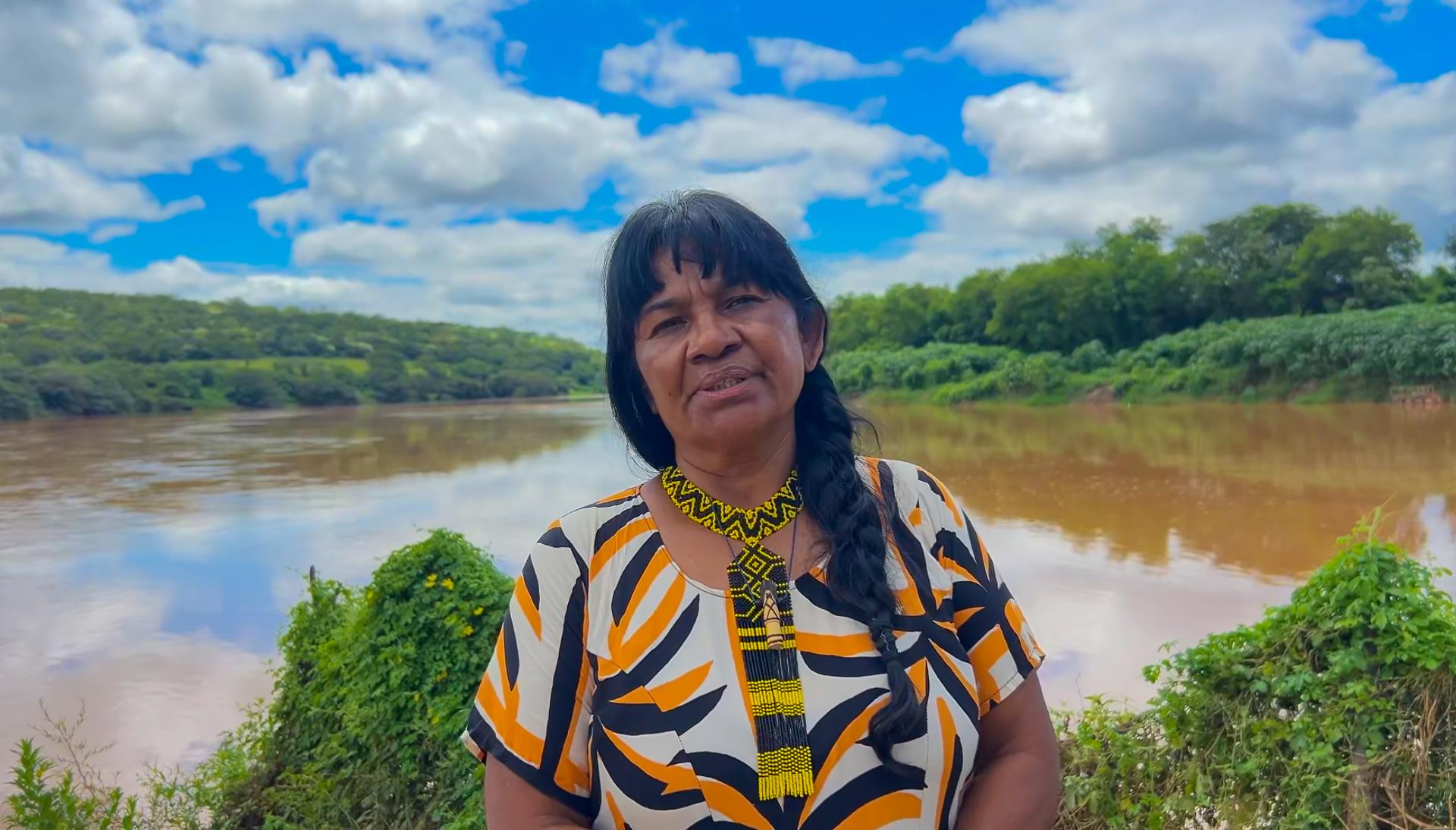
To Kanynã Cleonice Pankararu, a leader from the Cinta Vermelha-Jundiba village, an Indigenous community formed by Pankararu and Pataxó Peoples in Araçuaí, Minas Gerais, the deep connection between rivers and their peoples is palpable. "I live in a small Indigenous community, the Cinta Vermelha-Jundiba village, formed by two Peoples: Pankararu and Pataxó," she explained. "I live in a territory where, on one side, flows the Jequitinhonha River, and on the other, the Araçuaí River. These rivers meet here and flow on to the Atlantic Ocean in Bahia. For us, rivers are territories. They promote life and provide food. The river, for us, is a being, a subject of rights, because all of us sustain life through it. We need to keep our waterways, our territory alive, because the rivers are a sacred part of the existence of all of us, the Indigenous Peoples of the Jequitinhonha Valley."
A 2024 United Nations Development Programme (UNDP) analysis, titled "Hope for an equitable future: Multi-species justice," posits that Indigenous Peoples are custodians of approximately 80% of the planet’s remaining biodiversity, largely due to their enduring recognition of the mutual dependence between humans and other life forms. The same analysis points to countries like Ecuador, Brazil, and Bolivia as actively incorporating the rights of nature into their legal frameworks and constitutions. In Minas Gerais, local communities refer to the Chapada do Lagoão (Big Lake Plateau) as "mother" because it is the source of hundreds of springs that feed the Jequitinhonha River. Protecting this plateau is thus seen as essential for ensuring the continuity of life and culture in the region. The Aranã Caboclo, the author’s own people, have similarly reaffirmed their kinship with the ancestral waters of the Jequitinhonha, stating that the river is composed of the "blood, tears, and sweat of our ancestors," and that they are intrinsically one with the Jequitinhonha River.
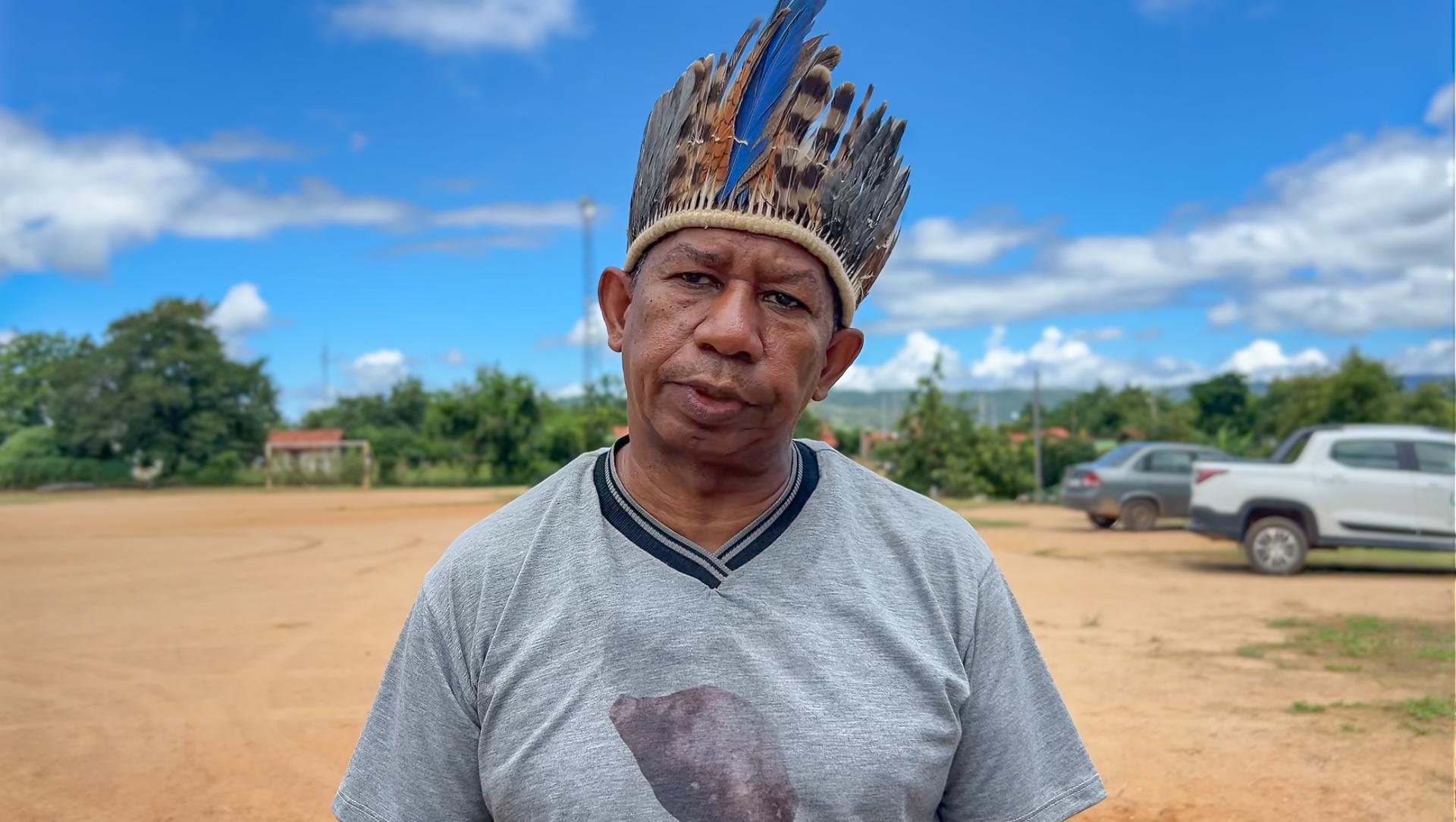
Osmar Aranã Caboclo, a leader of the Aranã Caboclo People in Araçuaí, Minas Gerais, emphasized the critical urgency of safeguarding the Jequitinhonha River. "Protecting the river is very important to us because it is where the water we drink comes from," he stated. "We are the river. But the river is drying up, and we are very sad to see it drying up without our participation in the decisions and actions to help the river. The river is suffering. There are people destroying it. That is why it is very important to protect the river. Protecting the river is protecting the water; it is protecting the life of our People."
Rights of Nature, Inter-Species Commitments, and Climate Justice
While the concept of the rights of nature is relatively nascent in Brazilian law, it is deeply rooted in ancestral knowledge systems that articulate the interconnectedness of humans, animals, plants, waters, minerals, territories, and all non-human beings. Recognizing nature as a subject of rights necessitates a fundamental reorientation of scientific, legal, and public policy frameworks, which have historically been built upon anthropocentric and Eurocentric foundations. For Indigenous and Quilombola communities, however, these rights are not an abstract legal innovation but an integral part of their lived cosmologies, territorial responsibilities, and fundamental ways of relating to the world. From this perspective, the crisis lies not within Indigenous and Quilombola knowledge systems, but within colonial legal and scientific regimes that have systematically reduced nature to mere property, resource, or commodity.
In Brazil, this struggle is beginning to manifest in tangible legal form through municipal laws enacted in recent years. In 2023 and 2024, local legislation recognized the Laje and Mosquito Rivers as legal persons, demonstrating a significant shift in integrating the rights of nature from ethical and cosmological claims into concrete legal frameworks. At the federal level, Indigenous congresswoman Célia Xakriabá (Xakriabá) introduced a proposed constitutional amendment on the Rights of Nature in 2023. This amendment recognizes the ancestral and historical relationship of Indigenous Peoples and traditional communities with the preservation of nature, ensuring the continuity of these relationships as a right intrinsically linked to their ways of life. It also affirms the right of all beings, human and non-human, to a balanced environment. During a public hearing of the Amazon Commission on June 4, 2024, Xakriabá advocated for the inclusion of "planetary dignity" in the Constitution, sharply criticizing the Eurocentric worldview that led to the commodification and exploitation of nature during the Industrial Revolution.
Internationally, the rights of nature have already been recognized through constitutional provisions, legislation, and landmark court decisions. Ecuador’s 2008 Constitution, for instance, explicitly recognizes that "Pachamama has the right to exist, persist, and regenerate her vital cycles," granting any individual the standing to demand the enforcement of these rights. In Colombia, Constitutional Court judgment T-622/16 declared the Atrato River a subject of rights, mandating its protection in collaboration with riverside communities. In New Zealand, the 2017 law recognizing the Whanganui River as a legal person reflects Māori cosmology, often encapsulated in the profound statement, "I am the river, and the river is me." These precedents offer compelling evidence that environmental justice can indeed integrate Indigenous, relational, and pluriversal ontologies into established legal systems.
This burgeoning legal movement is also intrinsically linked to a broader redefinition of climate justice. Increasingly, the discourse of climate justice is expanding to encompass the rights of non-human beings and the critical importance of inter-species relationships. The UNDP advocates for future decision-making to actively consider the interests of both humans and non-humans, noting that Indigenous Peoples already embody this interdependence, thereby safeguarding biodiversity and offering a blueprint for how rights of nature can inform climate policy. Aimee Roberson (Choctaw and Chickasaw), Executive Director of Cultural Survival, has underscored the imperative of centering Indigenous wisdom, warning that humanity stands at a critical juncture: either continue on a path of environmental destruction or embrace stewardship rooted in balance and respect. She argues that Indigenous Peoples possess knowledge vital for sustainable solutions but require autonomy, self-governance, and the fundamental right to steward their territories.
The current climate crisis, it is argued, is a direct consequence of systems that have historically granted colonial and capitalist powers dominion over nature. Overcoming this crisis necessitates a fundamental shift toward recognizing all beings as relatives and understanding the care for land, water, and territories as a shared, collective responsibility. Despite the global recognition of Indigenous Peoples as crucial guardians of biodiversity, climate justice funds are still infrequently managed by Indigenous Peoples themselves. This paradox is starkly evident in the BNDES’s allocation of R$486 million from the Climate Fund without the Free, Prior, and Informed Consent of the affected communities. As Alicia Moncada (Wayúu), Cultural Survival’s Director of Advocacy and Communications, has pointed out, Indigenous Peoples are at the forefront of the climate crisis but remain largely excluded from funding and decision-making processes. Consequently, climate justice demands not only reparations but also direct investment in Indigenous-led solutions.
In the Jequitinhonha Valley, the campaign to recognize the river as a subject of rights represents a powerful effort to translate these deeply held cosmologies into legal and political action. This initiative aims to redirect the debate away from an energy transition narrowly focused on extraction and global consumption toward one grounded in inter-species commitments, territorial responsibility, and the reparation of historical colonial injustices. Human life is inextricably dependent on the life of other beings, and therefore, dignity cannot remain an exclusively human privilege. It must be extended to the waters, forests, mountains, animals, plants, and all beings that collectively sustain the web of life.
The socio-environmental conflicts unfolding in the Jequitinhonha Valley are not isolated incidents; they echo across the South American continent. In March 2026, the Rapporteur on Economic, Social, Cultural, and Environmental Rights of the Inter-American Commission on Human Rights (IACHR) issued a crucial alert emphasizing the urgent need to guarantee the human right to water throughout the Americas. The communiqué specifically noted that contamination and water scarcity resulting from mining and illegal gold extraction pose significant threats to Indigenous and riverside communities. These alerts lend considerable weight to the ongoing mobilization in the Jequitinhonha Valley, reinforcing the urgency of protecting rivers as subjects with rights. By acknowledging that the degradation and contamination of water by heavy metals constitute violations of fundamental human rights, the IACHR and the Brazilian Federal Public Prosecutor’s Office are strengthening the political and legal legitimacy of the Jequitinhonha Valley’s mobilization.
The confluence of human rights and the rights of nature imbues this struggle with a broader significance. Protecting the river as a living being is synonymous with safeguarding people’s right to clean water, health, culture, memory, and territorial continuity. In this light, the local campaign to recognize the Jequitinhonha River as a subject of rights transcends a regional initiative, becoming an integral part of a continental agenda for water justice, climate reparation, and accountability for destructive extractivist practices.
Mobilization in Jequitinhonha: Popular Petition and Legislative Process
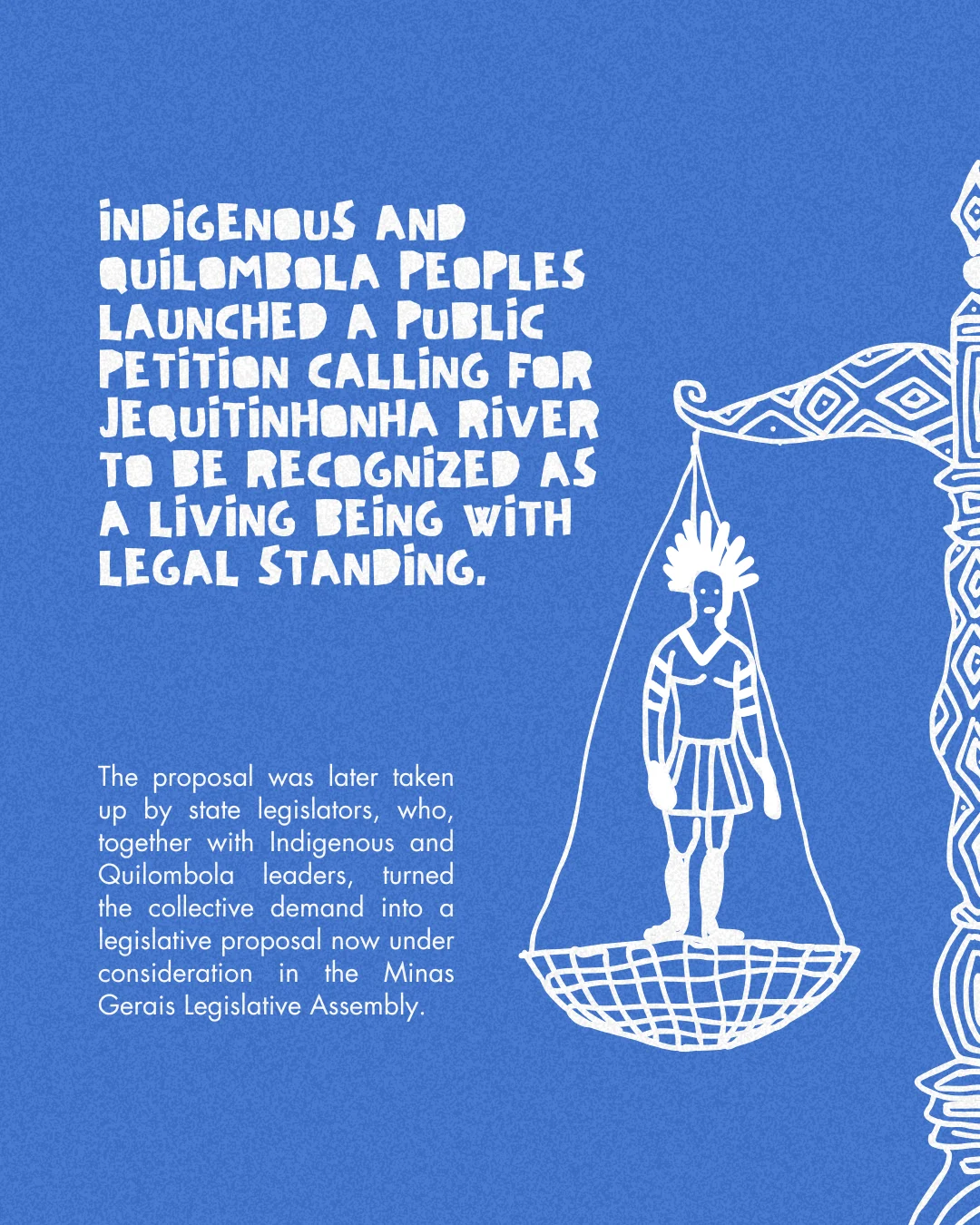
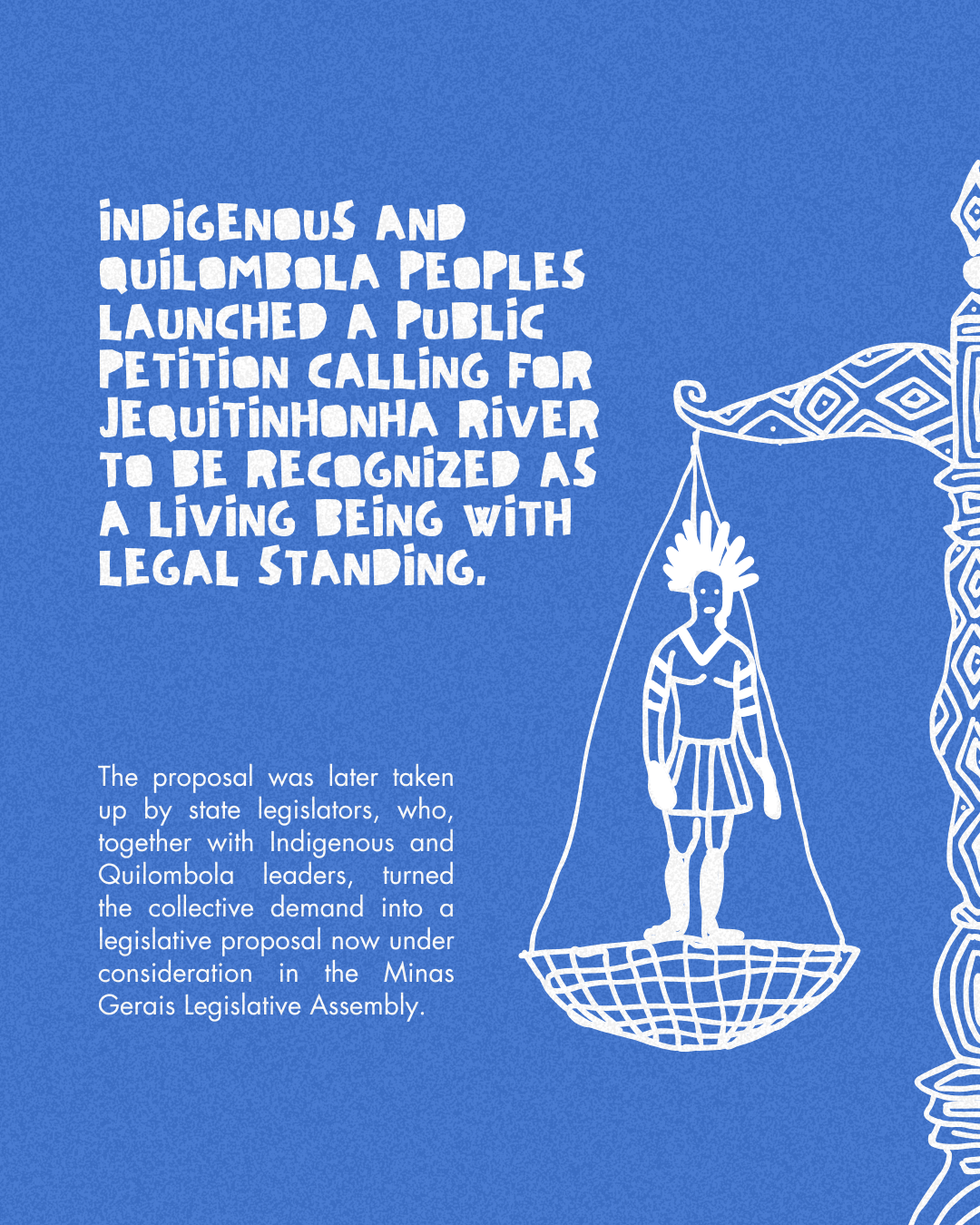
The proposal to grant the Jequitinhonha River legal personhood emerged organically from the lived experiences and aspirations of the territory’s inhabitants. In 2025, the International Dialogue of Indigenous and Quilombola Communities Affected by Lithium Mining convened local leaders and organizations, including Cultural Survival, to articulate critiques of the prevailing energy transition model and to propose alternative pathways grounded in Indigenous and Quilombola knowledge ecologies. During the Water Pilgrimage, observed on World Water Day in 2026, Indigenous and Quilombola communities of the Jequitinhonha Valley formally launched a petition calling for the river’s recognition as a living being. This petition, developed with the crucial support of jurists and social movements, effectively translates diffuse community demands into a concrete legislative agenda.
A 2024 report by Cultural Survival further amplifies this mobilization effort. It details how Quilombola communities, such as São Benedito do Giral and Córrego Narciso do Meio, alongside the Aranã Caboclo, Pataxó, and Pankararú Peoples, are actively resisting the invasion of their ancestral lands by lithium mining operations. Beyond the evident lack of basic public policies, these communities denounce the manipulative tactics employed by companies, which use promises of employment and development to foster trust, thereby perpetuating historical patterns of division among residents and casting them as obstacles to progress. The report recalls that on February 1, 2023, the Council of the Lagoão Environmental Protection Area erroneously authorized Sigma Lithium to conduct research without obtaining the communities’ Free, Prior, and Informed Consent. The affected communities subsequently appealed to the Federal Public Prosecutor’s Office, which ultimately annulled the decision for violating ILO Convention 169.
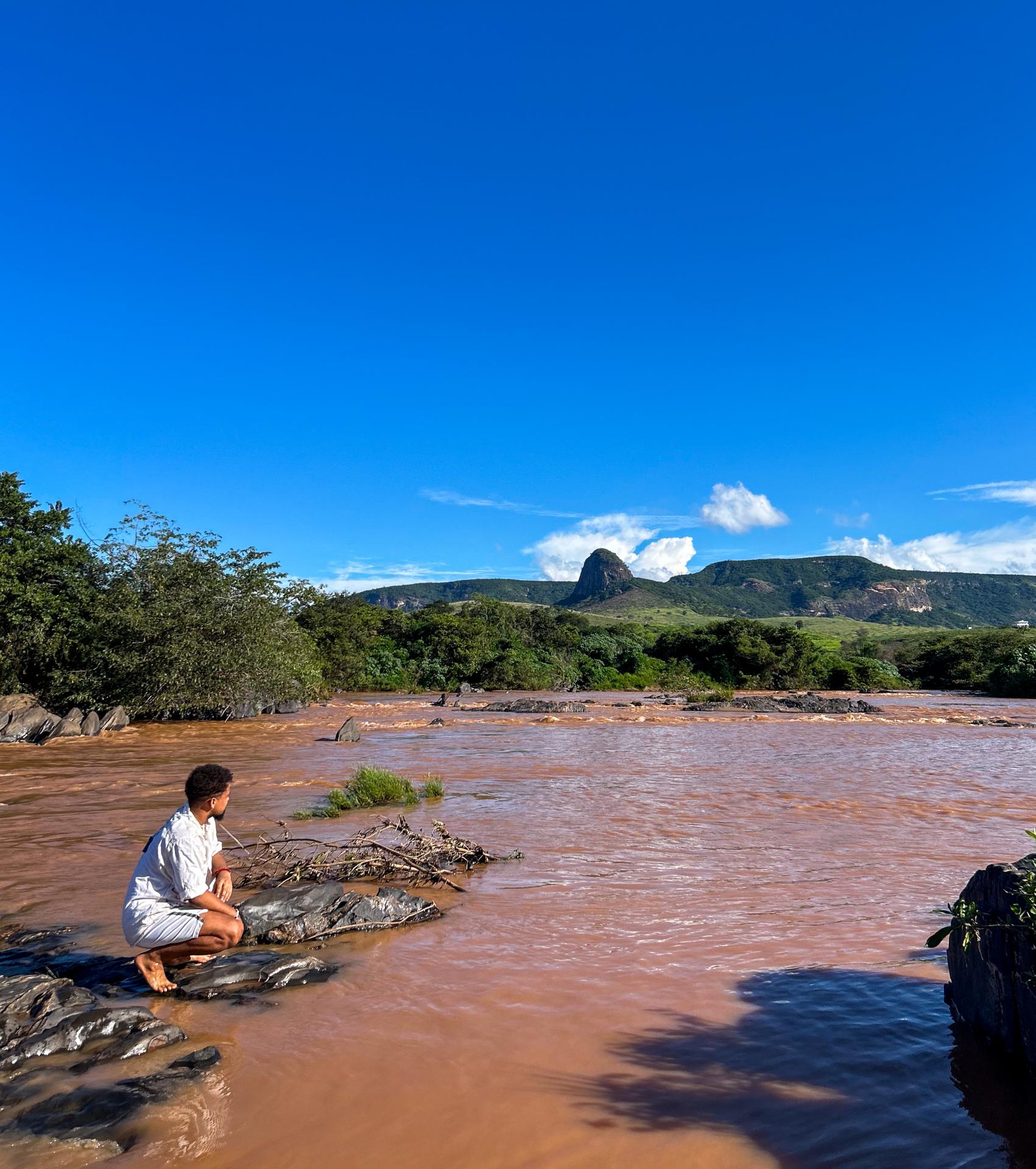
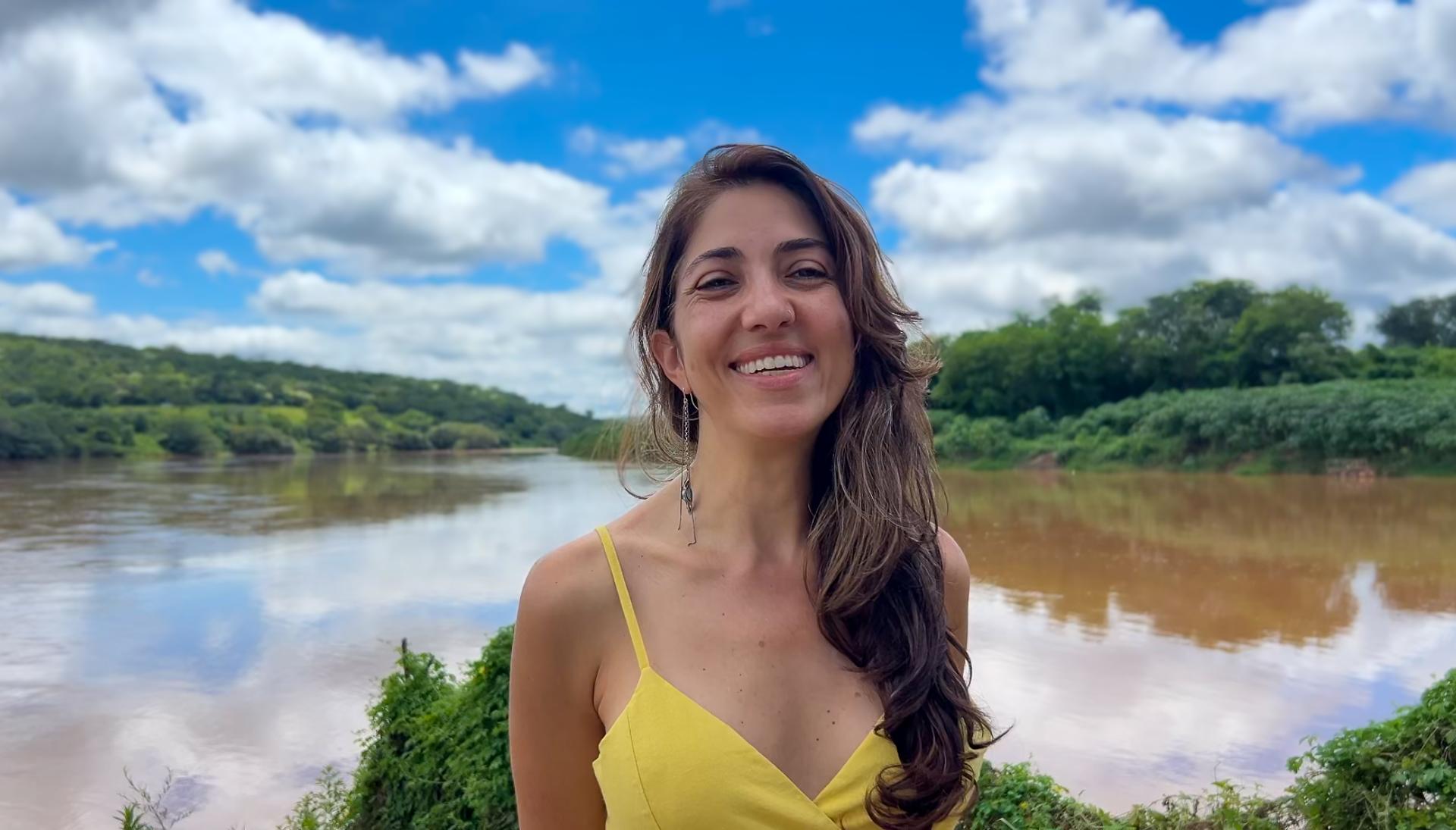
For the community leaders interviewed, the concept of a just energy transition hinges entirely on the state’s recognition and respect for the rights of traditional communities. Within this context, the campaign to recognize the river as a legal person artfully blends faith and politics, incorporating elements such as pilgrimages, community assemblies, solidarity networks, and direct engagement with legislators. Lauanda Lopes, a doctoral student in history from Araçuaí, Minas Gerais, articulated the sentiment during a statement: "I am here in Barra do Pontal, where the Araçuaí River meets the Jequitinhonha. I advocate for the Jequitinhonha River to be recognized as a subject of rights. The Jequitinhonha is fundamental to the culture and identity of our Peoples. On its banks began part of our history. It was also through the river that Indigenous Peoples managed to protect their territories from invasions during the colonial period. Moreover, the Jequitinhonha quenches our people’s thirst. Today we are witnessing various processes of destruction that have a direct impact on our river. That is why I am here defending recognition of the Jequitinhonha as a subject of rights, so that we can secure the future of the next generations."
Through a series of territorial assemblies, knowledge-sharing exchanges, and strategic political actions, communities have been actively strengthening a collective agenda aimed at defending the river that lends its name to the territory. Revered as sacred by the Aranã Caboclo, Pataxó, and Pankararú Peoples, the Jequitinhonha was placed at the epicenter of this mobilization when, in early 2026, a petition titled "Save the Jequitinhonha" was launched. In this manifesto, Indigenous Peoples, Quilombolas, traditional communities, researchers, and artists collectively demand that the river be recognized as a subject of rights. They affirm that the Jequitinhonha is a living ancestor that shapes territories, cultures, economies, and spiritualities, while simultaneously denouncing the extractivist logic of the lithium rush that has depleted the land and contaminated its waters. By proposing a radical departure from the colonial ideology that reduces nature to a mere resource, the petition argues that granting the river legal rights—such as the right to exist, to regenerate, and to maintain its ecological cycles—constitutes a vital measure for climate adaptation and socio-environmental justice.
In its initial weeks, the campaign rapidly disseminated across social media platforms and garnered significant support from organizations such as the Instituto Janelas do Jequitinhonha, Cultural Survival, and various independent media outlets. This surge of popular pressure has reached the Legislative Assembly of Minas Gerais, where Bill No. 5609/2026 is now under consideration. This legislative proposal seeks to recognize the Jequitinhonha River as a subject of rights and to formally establish its fundamental rights. This initiative is part of a broader national movement that has already led to the recognition of other rivers. In Guajará-Mirim, Rondônia, Municipal Law No. 2,579/2023 declared the Laje River (Komi Memen) a living entity with legal standing. This municipal law explicitly recognizes the river as a vital source of food and water security for Indigenous Peoples and interdependent human communities, conferring upon it rights such as maintaining its natural flow, being nourished by its riparian forest, existing with adequate physico-chemical conditions, and interacting with human beings through spiritual practices, leisure, and fishing.
Fabiana Leme, an attorney who contributed to drafting the bill proposing the recognition of the Jequitinhonha River as a subject of rights, commented on the legal advancements. "It is entirely possible, and indeed desirable, to recognize the rights of nature, of its elements and of the beings that make up this web of life," she stated. "In Brazil, we have worked mainly at the municipal level, because a national recognition of the rights of nature, such as has already occurred in other Latin American countries, does not yet seem the most immediate path. We therefore begin with local recognitions, which have worked very well. The aim of these laws is to create practical instruments to guarantee the rights of nature. It is not just a matter of declaring that a river, a mountain range, or a mountain has rights, but of building concrete mechanisms of protection: guardianship councils, spaces for social participation, and forms of permanent monitoring of these territories. In Brazil, the first recognition of a river as a subject of rights was that of the Rio Laje, Komi Memen, in Rondônia, developed in dialogue with Indigenous and traditional communities. After that recognition, we made other advances, such as the recognition of Pico do Itambé here in Minas Gerais, in the Espinhaço range."
These pioneering experiences demonstrate the tangible possibility of fostering a new legal, ethical, and political relationship with nature, both within Brazil and on a global scale. Recognizing rivers, mountain ranges, and other natural elements as subjects of rights offers a pathway toward genuine protection, underpinned by community participation and public responsibility. It is within this transformative horizon that the struggle to recognize the Jequitinhonha as a subject of rights finds its profound significance.
Challenges and Horizons of Resistance
The path toward recognizing the Jequitinhonha River as a subject of rights is fraught with both legal and political challenges. For Bill No. 5609/2026 to progress, it must successfully navigate the Committees on Constitution and Justice and on the Environment within the state legislature. This process will necessitate strategic lobbying efforts directed at state deputies, coupled with broader campaign initiatives designed to engage, sensitize, and mobilize society at large. Building pressure on decision-makers will require activating electoral constituencies and fostering widespread public support. Furthermore, the establishment of a multi-species governance framework will be crucial, involving the appointment of human representatives to act as stewards and advocates for the river, ensuring that decisions meticulously respect the rights and interests of both affected communities and the broader ecosystem, as stipulated in Bill No. 5609/2026.
Concurrently, this ongoing debate presents a vital opportunity to fundamentally re-evaluate the foundational principles of law and development. On one hand, current mining processes perpetuate a production model geared toward the expropriation of common resources, transforming minerals, forests, people, waters, plants, and animals into mere commodities. On the other hand, the recognition of the river as a subject of rights heralds a fundamentally different paradigm, one in which territories are conceived through principles of reciprocity and interdependence. This proposal aligns with global movements advocating for the criminalization of ecocide and the institutionalization of the rights of nature at various governmental levels.
Should it be approved and enacted, the Jequitinhonha River could achieve the distinction of being the first river in Brazil to be recognized as a legal person through state legislation. While this proposal builds upon existing municipal precedents, such as the Komi Memen and Mosquito River recognitions in northern Minas Gerais, it elevates the dispute to an unprecedented institutional scale within the country: state-level legislation.
Final Considerations: A Jequitinhonha Pluriverse
The movement to recognize the Jequitinhonha River as a subject of rights stands as a historical response by Indigenous, Quilombola, and traditional communities to a development model that, for centuries, has treated rivers, plateaus, springs, mountains, and even human bodies as zones ripe for expropriation. In the context of the escalating lithium rush, this claim fundamentally shifts the center of the debate. The pertinent questions can no longer be confined to the quantity of ore to be exported, the number of jobs to be created, or the tax revenue to be collected by the state. Instead, the critical inquiry must now address: who bears the ecological, territorial, health, cultural, and spiritual costs of this economic model? Recognizing the Jequitinhonha as a living being signifies an affirmation that the river is not merely natural infrastructure subservient to mining interests, but a relational entity—an ancestral presence that sustains territories, memories, sustenance, spiritualities, ways of life, and the very possibility of future existence.
In this profound sense, protecting the Jequitinhonha also entails safeguarding its entire "family of waters"—its tributaries, its springs, its mother plateaus, its confluences, its riverbanks, and the Peoples who coexist in vital symbiosis with it. The proposal to grant the river legal standing points toward a more profound and holistic climate policy, one capable of transcending the speciesist, colonialist, and capitalistic logic that reduces nature to a mere resource. By transforming the river into a legal person, the communities of the Valley are not solely seeking reparations; they are offering the nation an alternative grammar of justice—a justice rooted in water, territory, and inter-species relationships, wherein non-human life holds inherent value, and where the future is measured not by the velocity of extraction, but by the collective capacity to sustain the vital cycles of water, land, and Peoples.
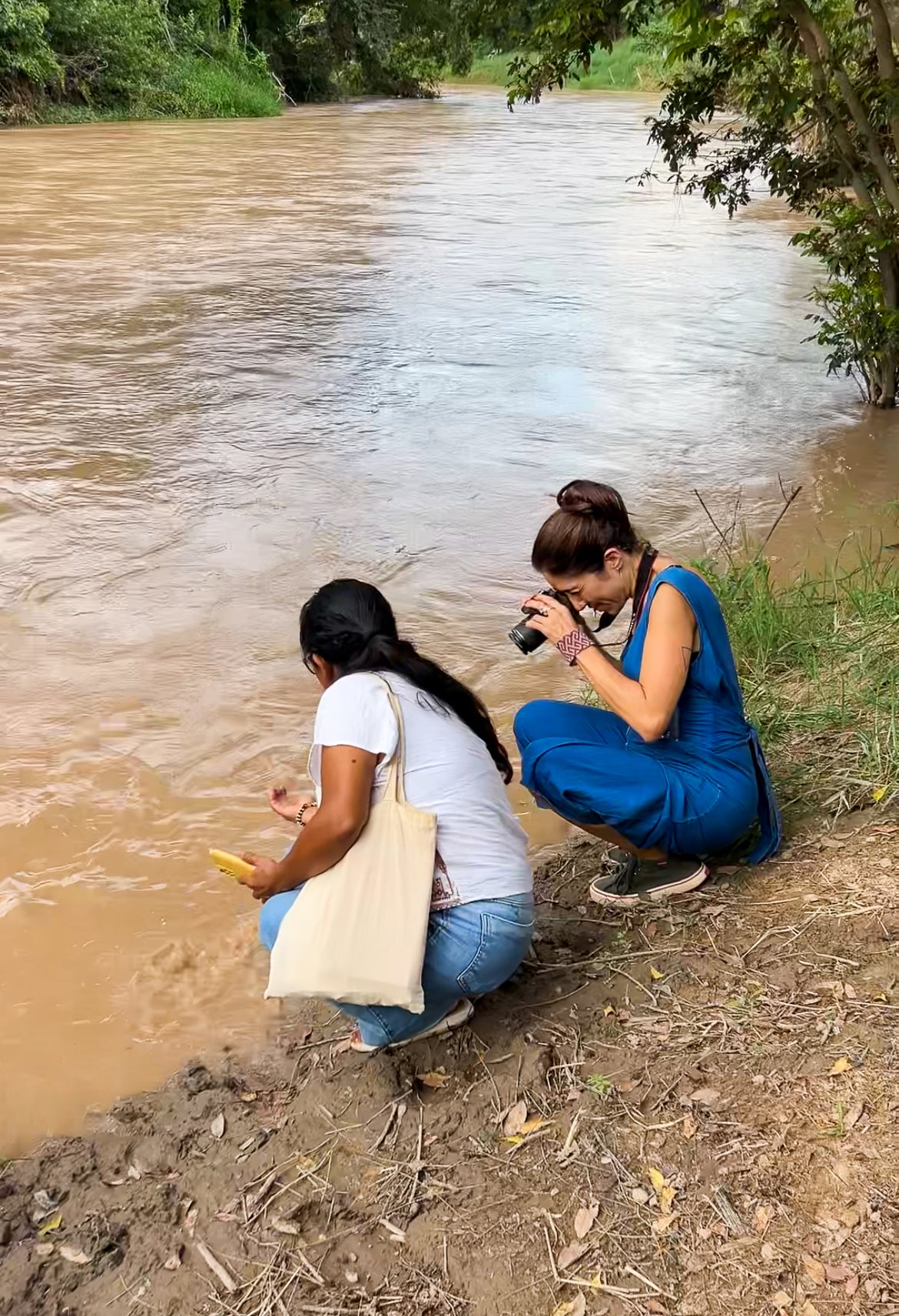
The fight for the Jequitinhonha as a living being extends far beyond conventional environmental advocacy; it is about the active construction of a pluriverse—a universe that genuinely acknowledges and embraces the coexistence of multiple worlds. For the communities of the Jequitinhonha Valley, the river is an ancestor, a relative, and an indispensable source of life. The current energy transition cannot afford to replicate colonial ideologies that subordinate territories to the demands of global consumption. By integrating the principles of the rights of nature, climate justice, and inter-species commitments, Indigenous and Quilombola voices are charting a course toward a future where dignity is not the exclusive privilege of a select few, but a fundamental condition shared among all humans and every being that inhabits the Earth. As the communities attest, "We do not cultivate the land; it is the land that cultivates us."