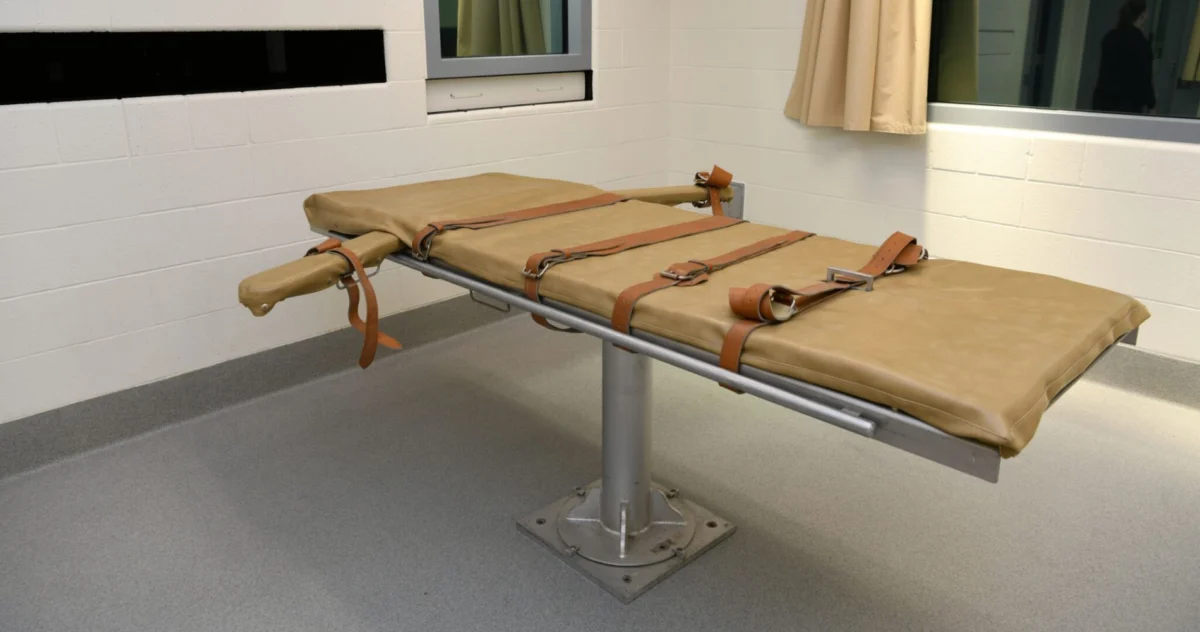
The U.S. Court of Appeals for the Eleventh Circuit on Wednesday delivered a decisive blow to the State of Alabama, affirming a lower court’s comprehensive ruling that mental health care for individuals incarcerated in state prisons is constitutionally inadequate. The appellate court largely rejected Alabama’s extensive objections to existing court orders, which mandate significant improvements in the provision of mental health services across its correctional facilities. This decision marks a critical juncture in a protracted legal battle that has spanned nearly a decade, highlighting systemic failures and the state’s persistent resistance to judicial intervention.
The appellate court’s ruling stems from a landmark lawsuit initially filed by Alabama prisoners suffering from serious mental illness, alongside the Alabama Disability Advocacy Program. The plaintiffs alleged that the Alabama Department of Corrections (ADOC) had consistently failed to provide adequate and constitutionally mandated mental health care to those within its custody. This legal challenge brought to light a deeply troubling landscape within Alabama’s prison system, characterized by neglect, under-resourcing, and conditions that actively exacerbated mental health crises among the incarcerated population.
Genesis of the Legal Challenge and Initial Findings
The origins of this legal saga trace back to the filing of the lawsuit, which sought to address long-standing concerns regarding the treatment of mentally ill prisoners in Alabama. Following the initial complaint, a federal district court undertook an exhaustive examination of the ADOC’s practices. This involved seven weeks of extensive testimony from experts, incarcerated individuals, and correctional staff, coupled with the review of thousands of pages of documentary evidence detailing the state of mental health care within the prisons.
In 2017, the district court issued a scathing indictment of the ADOC’s system, identifying "serious deficiencies" that permeated every level of mental health provision. Among the most egregious findings were the systemic failure to adequately identify prisoners with serious mental health needs upon entry or during their incarceration, and critically, the "inadequate treatment for suicidal prisoners." These deficiencies, the court concluded, were not isolated incidents but rather symptomatic of a deeply flawed and underfunded system.
The court’s findings were unequivocal: mental health care in Alabama prisons was "horrendously inadequate." More profoundly, it determined that the ADOC’s "deliberate indifference" to the serious mental health care needs of people in its prisons constituted "cruel and unusual punishment," a direct violation of the Eighth Amendment to the U.S. Constitution. The Eighth Amendment prohibits the federal government from imposing excessive bail, excessive fines, or cruel and unusual punishments. In the context of incarceration, this protection extends to ensuring adequate medical and mental health care, as established by Supreme Court precedent in cases like Estelle v. Gamble (1976), which held that deliberate indifference to serious medical needs of prisoners constitutes cruel and unusual punishment. To remedy these pervasive constitutional deprivations, the district court issued a series of comprehensive, system-wide orders designed to overhaul the ADOC’s mental health care infrastructure.
A History of Resistance and the State’s Costly Appeal
Despite the district court’s definitive ruling in 2017 and the clear mandate for reform, the State of Alabama opted for protracted legal resistance rather than implementing the necessary remedies. For nearly a decade since the initial findings, Alabama has reportedly expended millions of taxpayer dollars on legal fees, employing lawyers to challenge and fight the district court’s decision in appellate courts. This strategy has drawn criticism from advocates who argue that these funds could have been more effectively utilized to directly address the identified deficiencies and improve care for vulnerable inmates.
The ADOC’s appeal to the Eleventh Circuit centered on several arguments. It contended that the district court’s factual findings were erroneous, that its comprehensive orders were obsolete due to alleged internal changes, and that the scope of the mandated remedies was overly broad and intrusive. These arguments formed the core of the state’s efforts to overturn or significantly limit the judicial oversight of its prison system.
Eleventh Circuit’s Scathing Affirmation and Rejection of ADOC’s Arguments
The Eleventh Circuit, however, flatly rejected nearly all of the ADOC’s arguments. In a strongly worded decision, the appellate court not only affirmed the district court’s findings but also commended its "thorough and commendable" determination that the ADOC’s mental health care system violated the Eighth Amendment. The appeals court underscored the persistence of "systemic and gross deficiencies" that have plagued Alabama’s prisons "for years and years."
The court highlighted several critical areas of failure that directly contributed to the constitutional violations:
- Skyrocketing Suicide Rates: The appellate decision pointed to an alarming increase in suicides among incarcerated individuals. It noted a grim statistic: "During one 15-month period of this litigation, 15 Alabama inmates killed themselves." This figure starkly illustrates the dire consequences of inadequate mental health intervention and crisis management within the prison system. Nationally, suicide remains a leading cause of death in jails and prisons, but the rates observed in Alabama, particularly during this period, were indicative of a profound systemic breakdown.
- Failure at the Door and Overcrowding: The court found that ADOC’s failures began "at the door," specifically citing "severe and chronic overcrowding" as a foundational issue. Overcrowding places immense strain on all prison resources, including mental health services, making it exceedingly difficult to provide individualized care or even basic screenings. Alabama’s prison system has long grappled with severe overcrowding, often exceeding its design capacity, which exacerbates sanitary issues, increases violence, and strains medical and mental health staffing.
- Severe Understaffing of Mental Health Providers: A core finding reiterated by the appeals court was the severe understaffing of mental health professionals. This critical shortage led directly to the failure to identify inmates with serious mental health needs. Paradoxically, the court noted that ADOC reported "one of the lowest purported percentages in the country of mentally ill prisoners, while simultaneously having a high number of suicides." This discrepancy suggests a significant under-identification of mental illness, rather than a genuinely low prevalence, masking the true scope of the problem.
- Inadequate Treatment Planning and Care: Beyond identification, the court found that the "combination of inadequate treatment planning, psychotherapy, inpatient care, and crisis care rendered treatment in the prisons wholly inadequate." This meant that even when mental health issues were identified, the quality and consistency of care provided fell far short of constitutional standards, leading to a deterioration of conditions for many prisoners.
- Unsanitary and Dehumanizing Conditions: The Eleventh Circuit also upheld the district court’s order requiring the cleaning of restrictive housing cells between occupants. The description of these cells was particularly damning: they "were often filled with the smell of burning paper and urine, and extremely dirty with what appears to be dried excrement on the walls and floors, contributing to a heightened risk of decompensation for mentally ill prisoners and a heightened risk of developing serious mental health needs for those who were initially healthy." The court found ADOC’s claims of cleaning these cells to be incredible, necessitating this specific remedial order. Such conditions are not only inhumane but directly detrimental to mental well-being, especially for individuals already struggling with mental illness.
In its summation, the appellate court unequivocally stated, "When the system is viewed as a whole, we detect no error—factual or legal—in the district court’s finding of deliberate indifference." This statement firmly solidifies the initial judgment and leaves little room for further legal maneuvering on the fundamental issue of constitutional violation.
Rejection of Changed Circumstances and Upholding Remedies
The ADOC’s argument that the district court’s findings were invalidated by "changes in circumstances" was also dismissed by the appeals court. The Eleventh Circuit concluded that ADOC had made "no significant changes" to its mental health care system that would warrant altering the lower court’s orders. Instead, the court highlighted ADOC’s "long history of failing to comply with the remedial orders in this case" and its pattern of making "misrepresentations to the court." This demonstrated a lack of good faith and a consistent pattern of non-compliance, further justifying the need for continued judicial oversight.
The appeals court upheld nearly all the remedial provisions ordered by the district court, including crucial restrictions on the placement of individuals with serious mental illness in restrictive housing. Restrictive housing, often synonymous with solitary confinement, is widely recognized by mental health experts as highly detrimental to mental health, potentially exacerbating symptoms and leading to new psychological distress.
Only two minor objections from ADOC were granted: the court clarified that ADOC is not constitutionally required to "suicide-proof every cell" (a potentially impossible and overly broad mandate) or to fill staffing positions "unrelated to the provision of mental health care." These minor concessions do not diminish the overwhelming affirmation of the core remedial framework.
An interesting partial exception was made for Tutwiler Prison for Women. The court noted that the last suicide at Tutwiler occurred in 2004, suggesting a comparatively better performance in this specific area. Consequently, certain remedial provisions concerning monitoring, mental health care in segregation, the number of crisis cells, residential treatment units, and suicide-watch placements were excepted for this facility. However, this exception does not negate the broader systemic issues identified across the rest of the state’s correctional system.
The Crucial Role of External Monitoring
A significant aspect of the district court’s orders, and one strongly contested by ADOC, was the requirement for external monitoring of compliance. The Eleventh Circuit decisively rejected ADOC’s challenges to this provision, citing ADOC’s own admission that it "lacked the capacity to monitor its own compliance with the court’s orders." Furthermore, the court noted that the external monitoring team was specifically tasked with training an ADOC team to eventually take over monitoring responsibilities, indicating a plan for eventual state autonomy under a reformed system. The court agreed that ADOC’s "previous failure to comply with interim remedial orders suggested it was unable ‘to take’ effective ‘remedial steps absent court intervention.’"
This reliance on external monitoring underscores the deep mistrust the courts have developed regarding ADOC’s ability or willingness to self-correct. It also reflects a common strategy in complex institutional reform cases, where independent oversight is deemed essential to ensure adherence to constitutional mandates, particularly when a state entity has demonstrated a history of non-compliance. The appellate court’s conclusion on this matter was emphatic: "Sometimes drastic remedies are the least intrusive and yet necessary means of correcting an Eighth Amendment violation. That is the case here." This statement echoes the sentiment found in other landmark prison reform cases, such as Brown v. Plata (2011), where the U.S. Supreme Court upheld a federal court order to reduce California’s prison population to remedy severe constitutional violations in medical and mental health care.
Broader Implications and Future Challenges
The Eleventh Circuit’s decision carries significant implications for Alabama and for the broader landscape of prison reform across the United States.
- Financial Burden: The state will now face substantial financial obligations to implement the mandated reforms. The cost of improving facilities, hiring qualified mental health professionals, establishing adequate treatment programs, and sustaining ongoing monitoring will undoubtedly be considerable. This expenditure comes after millions were already spent fighting the very reforms now upheld, representing a substantial opportunity cost.
- Operational Overhaul: The ADOC will be compelled to undertake a fundamental overhaul of its mental health care operations. This includes revising screening protocols, developing comprehensive treatment plans, improving access to psychotherapy and inpatient care, enhancing crisis intervention services, and addressing the dire issues of overcrowding and understaffing that contribute to the crisis.
- Human Rights and Dignity: Most importantly, the ruling reaffirms the constitutional rights of incarcerated individuals, asserting their right to adequate mental health care as a fundamental aspect of protection against cruel and unusual punishment. For thousands of prisoners in Alabama, this decision offers a renewed hope for receiving the care necessary for their well-being and potential rehabilitation.
- Accountability and Precedent: The decision sends a strong message to other state correctional systems that deliberate indifference to prisoners’ serious mental health needs will not be tolerated. It reinforces the power of federal courts to intervene and enforce constitutional standards when state entities fail to do so, acting as a critical check on state power.
- Challenges of Implementation: While the legal battle may be largely settled, the practical challenges of implementing such wide-ranging reforms remain immense. Recruiting sufficient qualified mental health staff to work in correctional environments is notoriously difficult. Overcoming entrenched institutional cultures, securing adequate funding from the state legislature, and maintaining sustained political will for reform will be ongoing hurdles. The external monitoring team will play a crucial role in ensuring that the ADOC genuinely moves towards compliance, rather than merely making cosmetic changes.
This ruling by the Eleventh Circuit is not merely a legal victory for the plaintiffs; it is a profound affirmation of human dignity and constitutional rights within the often-overlooked confines of the American correctional system. It places a clear, unequivocal mandate on the State of Alabama to cease its "deliberate indifference" and finally provide adequate mental health care to its incarcerated population, a responsibility that is not just a matter of law, but of basic humanity. The coming years will reveal whether Alabama chooses to embrace this mandate and transform its prison system into one that respects the constitutional rights and mental well-being of those in its charge.