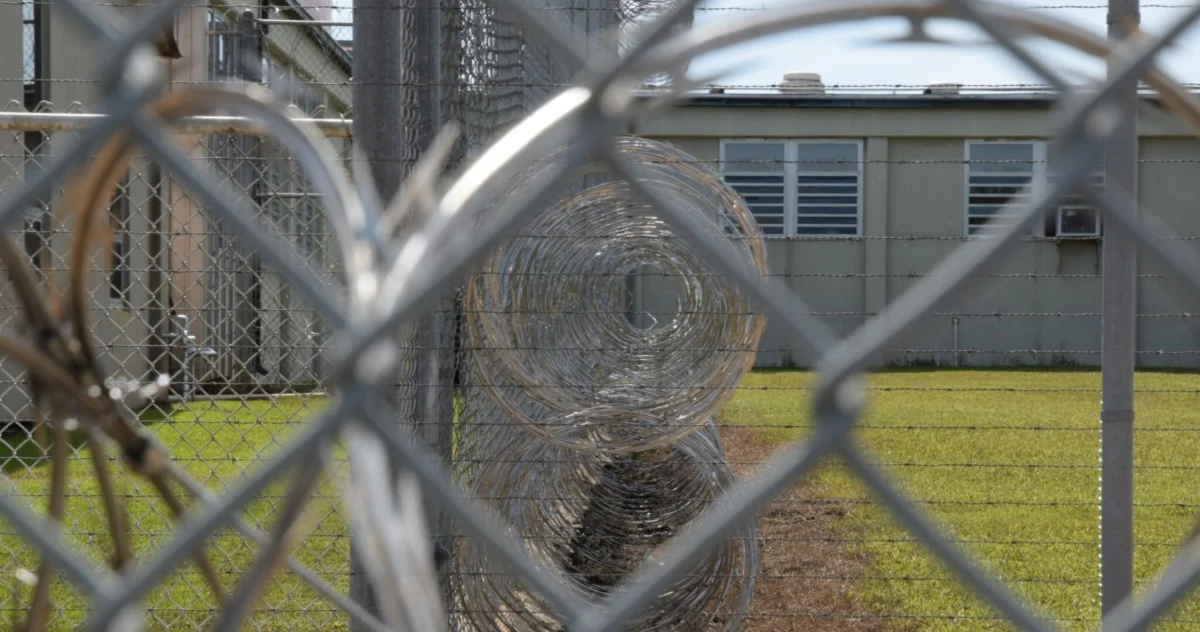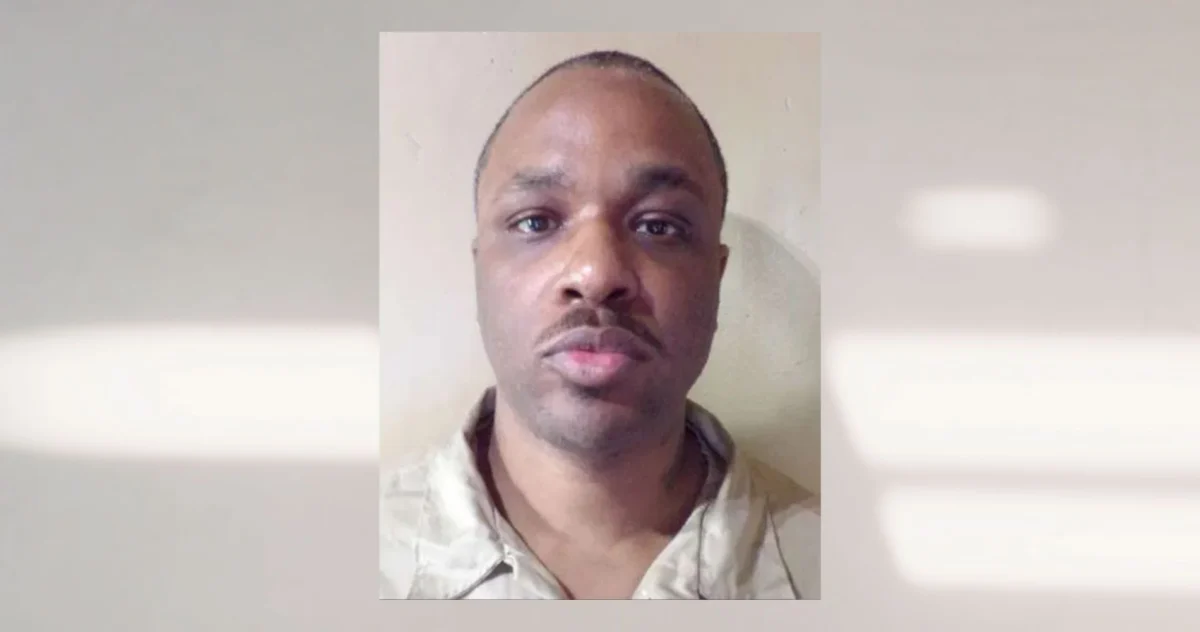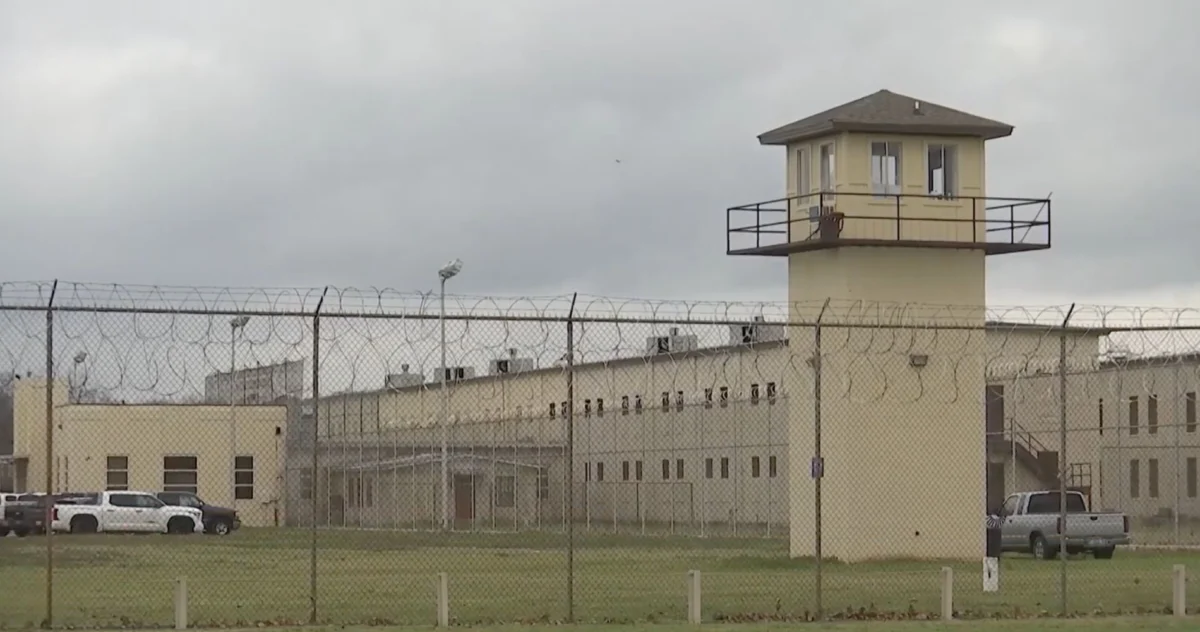
The state of Alabama’s beleaguered correctional system faced renewed scrutiny and condemnation this Sunday following the brutal killing of Cason Helms, 41, at the Elmore Correctional Facility. Helms, who was reportedly beaten to death in a group attack by other incarcerated men, represents the ninth homicide within Alabama’s state prisons in as many months, a grim statistic underscoring a deepening humanitarian and constitutional crisis that has drawn the ire of federal authorities and human rights advocates alike. His death marks a particularly disturbing trend at Elmore, where five of these recent homicides have occurred, painting a stark picture of unchecked violence and systemic failure within the institution.
A Pattern of Lethal Violence at Elmore
The tragic death of Cason Helms is not an isolated incident but rather the latest in a chilling succession of fatalities within Elmore Correctional Facility, a state prison repeatedly flagged for its dangerous and unconstitutional conditions. The facility, located in central Alabama, has become a focal point of the state’s broader prison crisis, characterized by rampant violence, severe understaffing, and a pervasive underground economy.
Helms’ killing follows a disturbing timeline of lethal events at Elmore. On October 30, Mikheal Gilliam succumbed to stab wounds sustained four days prior, an incident that sent shockwaves through the facility and highlighted the ever-present threat of inter-prisoner violence. Just over a month later, on December 9, Eric Sanders was found beaten to death in a dormitory, another testament to the unchecked aggression prevalent within the prison walls, often occurring in common areas where supervision is ostensibly present. The violence escalated further on January 15, when Damon Calhoun and Londell Nunn Jr. were both fatally stabbed on the same day, marking an unprecedented level of deadly incidents within a single 24-hour period at Elmore and underscoring a complete breakdown of security protocols. Now, with Cason Helms’ death this past Sunday, Elmore Correctional Facility alone accounts for more than half of the recent homicides across Alabama’s entire prison system in less than a year. Each of these deaths represents a profound failure of the state’s fundamental responsibility to ensure the safety and well-being of individuals in its custody, leading to devastating consequences for the incarcerated and their families.
The Equal Justice Initiative (EJI), a prominent legal advocacy organization based in Montgomery, Alabama, has been at the forefront of documenting these harrowing statistics. EJI researchers have meticulously recorded over 100 homicides of incarcerated individuals within Alabama’s prisons since 2019, painting a grim picture of a system in profound disarray. The concentration of these deaths at Elmore points to severe, localized failures that transcend even the widespread issues plaguing other state facilities. The facility’s longstanding pattern of serious violence includes not only inter-prisoner conflicts but also fatal beatings allegedly executed or instigated by correctional officers, as documented by various investigative reports and EJI’s own findings. This dual threat, from both fellow inmates and those sworn to maintain order, creates an environment of pervasive fear and vulnerability for those incarcerated within Elmore’s walls. The constant threat of violence, coupled with a lack of protective oversight, transforms a correctional facility into a perilous environment where survival often depends on navigating a brutal hierarchy rather than adhering to institutional rules.
Deep-Rooted Causes: Contraband, Corruption, and Control Deficit
The escalating violence at Elmore and other Alabama prisons is not arbitrary; it is the direct consequence of a complex web of systemic failures, primarily fueled by a thriving underground economy, a severe lack of staff supervision, and a culture of impunity. This illicit economy, which includes drugs, homemade weapons, cell phones, and other contraband, often operates with the complicity or direct involvement of correctional staff. In a desperate environment where legitimate avenues for needs are scarce, these forbidden goods become currency, leading to widespread extortion, debt accumulation, and an almost constant threat of violence used to collect debts or assert dominance. The introduction of contraband by staff members is a particularly egregious breach of trust and security, directly undermining any efforts to maintain order and contributing significantly to the volatile atmosphere. This internal corruption not only facilitates illegal activities but also erodes the authority of correctional officers and the integrity of the institution itself.
The lack of adequate officer supervision is another critical factor. Chronic understaffing, a persistent issue across the Alabama Department of Corrections (ADOC), means that correctional officers are often spread thin, overseeing vast numbers of incarcerated individuals in areas that are difficult to monitor. Typical staffing ratios in Alabama prisons often fall far below national standards, leading to dangerously under-supervised housing units and common areas. This creates blind spots and opportunities for illicit activities and violent confrontations to occur unchecked, often for extended periods before intervention. When incidents do arise, the delayed or insufficient response from staff further emboldens those who seek to exploit the system, creating a vicious cycle where violence begets more violence. Data from EJI indicates a shocking increase in assaults at Elmore, with figures doubling between 2021 and 2025. While the 2025 figure likely represents a projection based on current trends or an estimation of the end of a reporting period, it underscores the alarming trajectory of violence within the facility. More critically, the prison’s homicide rate from 2023 to 2025 was more than 20 times the national average homicide rate in state prisons, a statistic that places Elmore in a league of its own regarding lethality and danger. This comparison is often calculated per 100,000 incarcerated individuals, highlighting the disproportionate risk faced by those held in Alabama’s facilities compared to their counterparts nationwide. Furthermore, dilapidated infrastructure, including poor lighting, obstructed sightlines, and inadequate segregation capabilities, exacerbates the problem, making effective supervision even more challenging.
A Decade of Warnings: The Department of Justice Intervenes
The dire conditions within Alabama’s prisons, particularly the rampant violence, have not gone unnoticed by federal authorities. In 2019, the U.S. Department of Justice (DOJ) issued a scathing report, formally notifying state officials and the Alabama Department of Corrections (ADOC) that the conditions in Alabama’s prisons for men violated the Eighth Amendment of the U.S. Constitution, which prohibits cruel and unusual punishment. The DOJ’s findings specifically cited ADOC’s "inability to control the flow of contraband into and within the prisons, including illegal drugs and weapons; and ineffective prison management and training" as primary contributors to an "unconstitutionally high level of violence." This notification was not merely a warning; it was a prelude to potential legal action, urging the state to undertake comprehensive reforms to avoid federal intervention. The report meticulously detailed instances of unchecked assaults, rapes, and homicides, concluding that Alabama was deliberately indifferent to the harm faced by those in its custody.
Despite this explicit warning and the clear constitutional mandate to ensure the safety of incarcerated individuals, violence in Alabama’s prisons continued its upward trajectory. The state’s failure to address these systemic issues prompted the Justice Department to escalate its efforts, filing a landmark lawsuit in December 2020 against the State of Alabama and ADOC. The lawsuit sought to compel the state to implement fundamental improvements to enhance the safety and constitutionality of its prisons. In a powerful court filing in 2021, federal prosecutors articulated the state of affairs post-warning: "prisoners at Alabama’s Prisons for Men have continued daily to endure a high risk of death, physical violence, and sexual abuse at the hands of other prisoners." This statement underscored the DOJ’s position that voluntary compliance had failed and that judicial action was "necessary to remedy the violations of law identified…and to vindicate the rights of the individuals incarcerated in Alabama’s prisons for men." The lawsuit requests extensive injunctive relief, including the appointment of independent monitors to oversee reform efforts and ensure compliance with constitutional standards, signaling a potential loss of state control over its correctional system.
The legal battle has since intensified, with ADOC reportedly spending millions of dollars on legal fees to defend its practices in court rather than allocating those resources directly to addressing the systemic failures that underpin the violence. This defensive posture has drawn sharp criticism from advocates who argue that the state is prioritizing costly litigation over the lives and safety of those in its custody. The state’s legal strategy has largely focused on challenging the DOJ’s findings and asserting that it is making progress, albeit slowly, on reform efforts. This stance, however, is increasingly difficult to maintain in the face of ongoing fatalities like that of Cason Helms.
Official Responses and the Road Ahead
In response to the DOJ’s lawsuit and mounting public pressure, the Alabama Department of Corrections has often acknowledged challenges related to chronic understaffing and an aging infrastructure, some of the oldest and most dilapidated in the nation. However, their public statements frequently emphasize ongoing efforts to recruit new officers, implement new training protocols, and invest in facility upgrades. ADOC officials often cite the difficulty in attracting and retaining correctional staff in a competitive labor market as a primary impediment to reform. Critics, including the EJI, argue that these measures are insufficient and often fail to address the root causes of the violence and corruption, which include a lack of accountability, poor leadership, and systemic cultural issues within the department. For instance, while Governor Kay Ivey’s administration and ADOC have announced plans to build new mega-prisons, investing billions of dollars in state funds, the DOJ and other advocates have expressed concern that new facilities alone will not solve systemic issues like understaffing, corruption, and a lack of effective management if the underlying culture and practices remain unchanged. Many argue that the focus should be on staffing and management reforms in existing facilities, as well as broader criminal justice reforms to reduce the overall prison population.
Governor Kay Ivey’s administration has largely supported ADOC’s efforts, often framing the issue as a complex challenge requiring significant state resources and time to resolve. However, the consistent pattern of deaths and the ongoing federal lawsuit suggest that current strategies are failing to meet constitutional standards or provide a safe environment. The state legislature, while approving funding for new prison construction, has faced calls for more direct oversight and accountability for ADOC’s operations. Family members of those who have died in Alabama prisons have also become increasingly vocal, demanding justice and systemic change, often testifying before legislative committees and participating in advocacy efforts. Their personal testimonies provide a poignant counterpoint to the official narratives of slow progress.
The Broader Implications: A Cycle of Crisis and Cost
The crisis within Alabama’s prisons extends far beyond the walls of Elmore Correctional Facility; it represents a profound moral, legal, and fiscal challenge for the entire state. The human cost of these conditions is immeasurable, with each homicide representing a life lost, a family shattered, and a stark failure of the state’s responsibility to protect those in its care. For those who survive the daily threats, the pervasive fear and trauma experienced in such an environment also undermine any hope of rehabilitation, perpetuating cycles of violence and re-offending upon release. The lack of effective rehabilitative programs and safe environments means that individuals often return to society more traumatized and less prepared for reintegration.
Financially, the state is bearing a heavy burden. The millions spent on legal defense in the DOJ lawsuit divert critical funds that could otherwise be used for improving staffing, enhancing security measures, providing mental health services, or implementing effective rehabilitative programs. Furthermore, should the DOJ prevail in its lawsuit, the state could face federal oversight, potentially involving court-appointed monitors and mandated reforms that would incur substantial costs and reduce state autonomy over its correctional system for years to come. The long-term societal implications are equally concerning. A correctional system that fails to safely house individuals and instead becomes a breeding ground for violence and despair contributes to broader social instability. It erodes public trust in government institutions and raises fundamental questions about justice, human dignity, and the role of the state in a democratic society.
Advocacy groups like EJI continue to call for comprehensive reform that goes beyond superficial changes. They advocate for addressing the root causes of violence, including improving staffing levels and training, rooting out corruption among staff, increasing access to mental health and substance abuse treatment, and reducing overcrowding through smart sentencing reforms. They also emphasize the importance of transparency and accountability, urging independent investigations into deaths and serious incidents, and advocating for greater public access to information about prison conditions. The death of Cason Helms serves as a tragic, urgent reminder that Alabama’s prison crisis is far from over. Without fundamental and systemic changes, the cycle of violence, federal intervention, and human suffering is likely to continue, leaving an indelible stain on the state’s justice system. The path forward demands not just resources, but a fundamental shift in political will and a commitment to upholding the constitutional rights and basic humanity of all individuals within the state’s custody. The eyes of the nation, and particularly federal courts, remain fixed on Alabama, awaiting tangible evidence of a correctional system capable of fulfilling its basic mandate of safety and order.