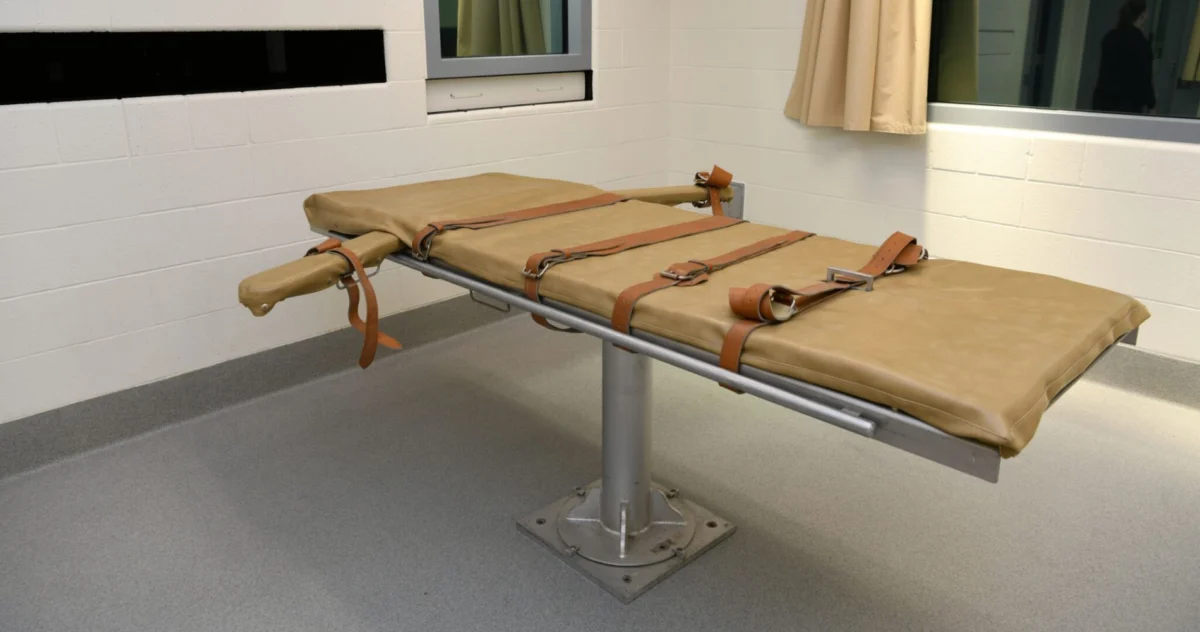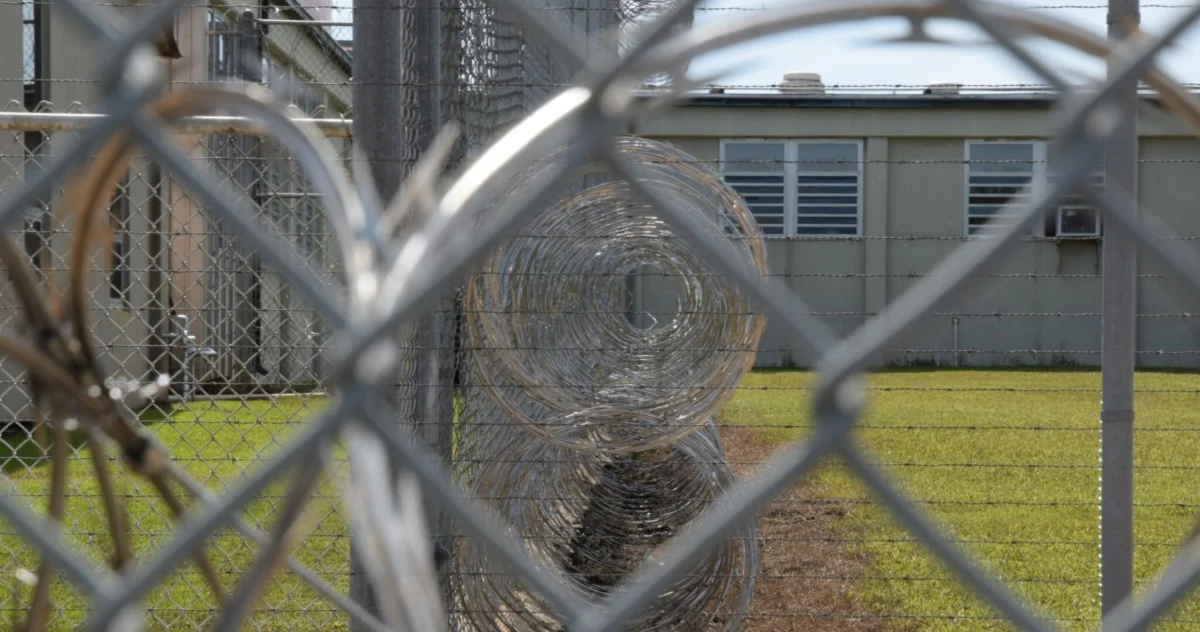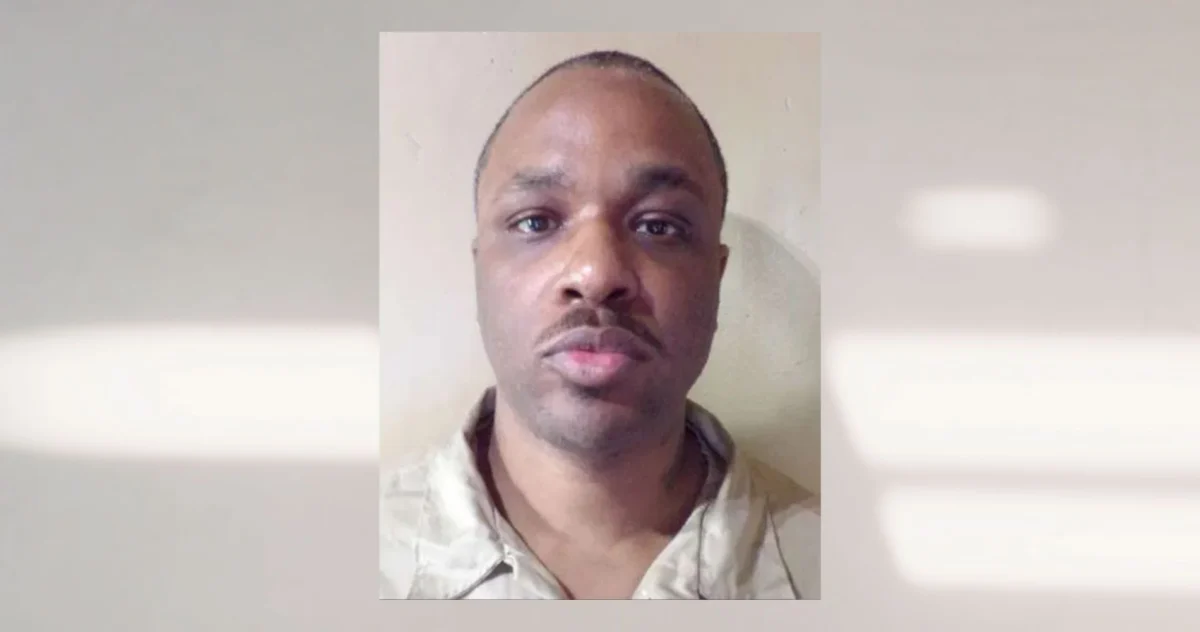
The tragic death of Jeffery Floyd, a 45-year-old inmate diagnosed with severe mental illnesses including bipolar disorder and schizophrenia, by suicide on May 1 at Donaldson Correctional Facility in Bessemer, Alabama, has cast a stark spotlight on the profoundly inadequate mental healthcare provisions within the state’s prison system. Mr. Floyd’s desperate plea for help from correctional officers the night before his death reportedly went unanswered, underscoring a systemic failure that has drawn severe condemnation from federal courts and human rights organizations. His death occurred mere weeks before a significant ruling by the U.S. Court of Appeals for the Eleventh Circuit, which unequivocally declared that the "staggering" number of inmate suicides in Alabama’s prisons are largely attributable to the Department of Corrections’ (ADOC) "deliberate indifference" to the serious mental healthcare needs of its incarcerated population, a clear violation of the Eighth Amendment to the United States Constitution.
The Tragic Case of Jeffery Floyd and Immediate Aftermath
Jeffery Floyd’s death is a poignant illustration of the vulnerabilities faced by inmates with serious mental health conditions within correctional facilities. Diagnosed with debilitating conditions like bipolar disorder and schizophrenia, Mr. Floyd represented a segment of the incarcerated population requiring specialized and consistent psychiatric care. Reports indicate that his final hours were marked by a desperate attempt to seek assistance from those entrusted with his care, a cry for help that, tragically, went unheeded. His death by hanging in a cell at Donaldson Correctional Facility on May 1 serves as a grim reminder of the potentially fatal consequences when systemic failures intersect with individual suffering.
The timing of Mr. Floyd’s death amplifies its significance. It occurred just weeks prior to a pivotal ruling from the Eleventh Circuit Court of Appeals, a decision that would validate the long-standing concerns of advocates and legal experts regarding the state of mental healthcare in Alabama’s prisons. The proximity of these events underscores the immediate and tangible impact of the systemic deficiencies identified by the judiciary.
A System Under Scrutiny: The Eleventh Circuit’s Landmark Ruling
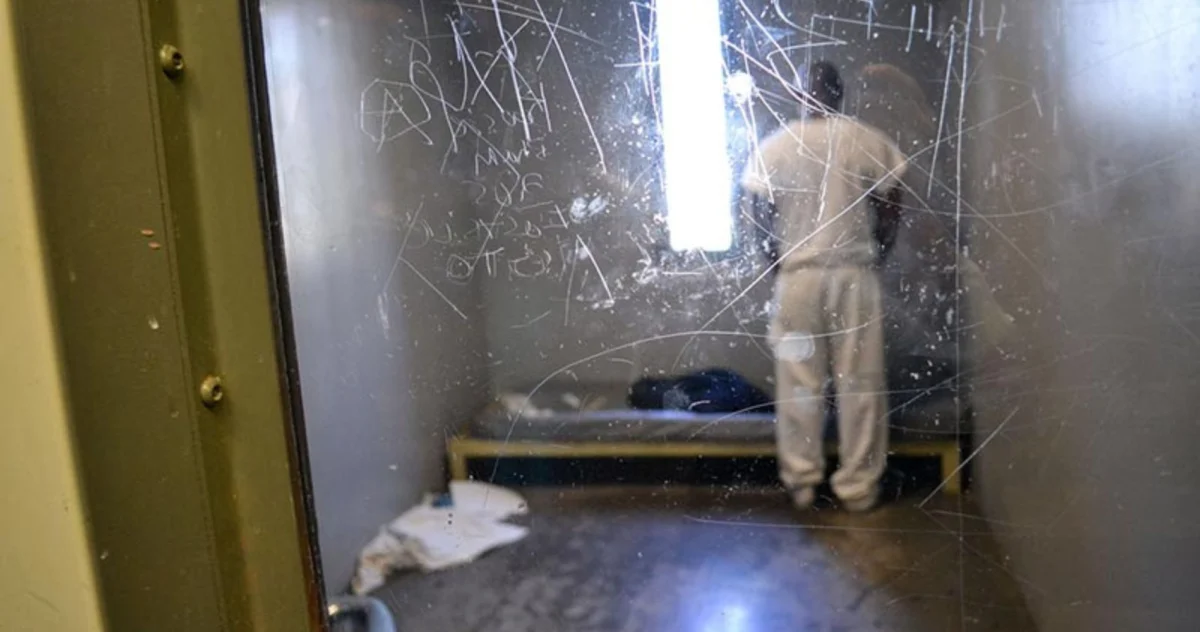
The Eleventh Circuit’s recent decision did not emerge in a vacuum but rather as the latest development in a protracted legal battle aimed at compelling the Alabama Department of Corrections to uphold its constitutional obligations. The appeals court affirmed an earlier district court ruling that found ADOC’s practices to be "horrendously inadequate" when assessed as a whole. This included a systematic failure to properly monitor inmates identified as suicidal and the alarming practice of placing acutely suicidal individuals in largely unmonitored segregation cells, often equipped with readily accessible tie-off points that facilitate self-harm.
The court’s findings painted a grim picture of "deliberate indifference," a legal term implying that correctional officials were aware of a serious risk to inmates’ health or safety but consciously disregarded it. This finding is crucial, as it elevates the issue beyond mere negligence to a constitutional violation, requiring a more stringent remedy. The court specifically cited the "staggering" number of deaths by suicide, indicating a pattern rather than isolated incidents, and directly linked this epidemic to ADOC’s systemic failures in providing adequate mental health care.
This legal victory for mental health advocates and incarcerated individuals with severe mental illness in Alabama is the culmination of years of litigation, highlighting the persistent and deeply entrenched problems within the state’s correctional system. It places immense pressure on ADOC to implement comprehensive reforms, not just to avoid further legal sanctions, but to prevent more tragic and avoidable deaths.
ADOC’s Pattern of Non-Compliance and Misrepresentation
Despite these significant legal pronouncements, a profound concern persists among legal observers and advocacy groups: the tragic deaths may continue due to what appears to be a consistent lack of motivation among state officials to genuinely address the widespread problem. The Eleventh Circuit explicitly noted this concerning pattern, rejecting ADOC’s argument that its findings were invalidated by purported changes in circumstances. The appeals court found no significant changes had been made by ADOC, instead highlighting "a long history of failing to comply with the remedial orders in this case" and, disturbingly, making "misrepresentations to the court."
This pattern of non-compliance has direct and dire consequences. Misrepresentations by ADOC, as documented by the courts, serve to delay the implementation of life-saving remedies. For instance, ADOC is mandated to file monthly reports with the district court concerning trends in restrictive housing units (RHUs), commonly known as solitary confinement. In April, ADOC informed the court that concerns about mentally ill individuals suffering harm in these units were "unfounded." Their rationale was that "no inmate with SMI [serious mental illness] has died by suicide in an ADOC RHU in nearly six years," asserting that their treatment of individuals with mental illness in segregation was therefore adequate.
However, a closer and more critical review of available information paints a profoundly darker picture, directly contradicting ADOC’s assertions. Research conducted by organizations like the Equal Justice Initiative (EJI) indicates that ADOC’s claims are demonstrably false and potentially misleading.
Deaths in Restrictive Housing: A Deeper Look at 2024
The assertion by ADOC that no inmate with serious mental illness has died by suicide in a restrictive housing unit in nearly six years stands in stark contrast to alarming patterns observed within just the first six months of 2024. While specific names are not publicly listed, reports and investigations indicate a number of deaths occurred in restrictive housing cells during this period, involving men with documented histories of mental health issues and who were reportedly exhibiting signs of acute mental health crisis at the time of their deaths. These include individuals who were isolated despite displaying clear indicators of suicidal ideation or severe psychological distress. The inherent vulnerability of placing individuals with compromised mental states in solitary confinement, an environment known to exacerbate psychological suffering, makes these deaths inherently suspect and demands rigorous, transparent investigation.
As the district court powerfully articulated, placing individuals in restrictive housing without adequate monitoring:
"prevents people who need treatment from accessing it, stops those whose mental health is deteriorating from being caught before they lapse into psychosis or suicidality, and fosters an environment of danger, anxiety, and violence that constantly assaults the psychological stability of people with mental illness in ADOC custody."
This judicial observation underscores the critical danger of ADOC’s practices. Restrictive housing, by its very nature, can be a crucible for mental deterioration. For individuals already battling severe mental illness, the isolation, sensory deprivation, and lack of meaningful human interaction can precipitate crises, push them into psychosis, or intensify suicidal urges. Without constant, specialized monitoring and immediate access to appropriate mental health intervention, these units become potential death traps rather than tools for correctional management.
The Broader Landscape of Mental Health in Alabama Prisons
The crisis in Alabama’s prisons is emblematic of a national challenge, yet its severity in the state is particularly pronounced. According to various national reports, individuals with serious mental illness are disproportionately represented in correctional facilities. Nationally, estimates suggest that as many as 15-20% of incarcerated individuals suffer from serious mental illnesses such as schizophrenia, bipolar disorder, and major depressive disorder, compared to about 4-5% in the general population. In Alabama, given the court’s findings, these numbers may be even higher or, at minimum, the care provided is significantly worse.
Alabama’s prison system is one of the most overcrowded and underfunded in the nation. This exacerbates the challenge of providing adequate mental healthcare. A chronic shortage of qualified mental health professionals—psychiatrists, psychologists, and social workers—within ADOC facilities means that even basic care is often delayed or entirely absent. The infrastructure for delivering care, including dedicated psychiatric units and therapy spaces, is frequently inadequate or non-existent. Staff, often undertrained in mental health crisis intervention, may fail to recognize or properly respond to inmates displaying signs of distress, as was allegedly the case with Jeffery Floyd.
The consequence is a system where prisons have effectively become the largest mental health institutions, albeit ill-equipped ones. The average suicide rate in U.S. state prisons is significantly higher than in the general population, and Alabama’s rate has been flagged as exceptionally high by federal courts, suggesting a catastrophic failure of care.
Lack of Transparency and Accountability
A deeply troubling aspect of the situation in Alabama prisons is the pervasive lack of transparency surrounding inmate deaths. EJI’s research reveals that ADOC has failed to report a cause of death or conduct an autopsy for more than a quarter of the 277 deaths that occurred in Alabama prisons in 2024 alone. This alarming statistic not only hinders accountability but also obscures the true scope of the crisis, particularly regarding suicides.
EJI’s ongoing investigations indicate that a significant number of these unexplained deaths occurred within restrictive housing cells. Without complete and accurate information on causes of death, including thorough autopsies and transparent reporting, it is impossible for external bodies, the public, or even the courts to fully grasp the extent of the problem. This opacity creates an environment ripe for continued systemic neglect, allowing patterns of abuse and neglect to persist unchecked. The absence of official cause of death reporting for such a large proportion of inmate fatalities suggests either severe administrative dysfunction or a deliberate attempt to obfuscate uncomfortable truths. With more comprehensive and honest information, the actual rate of suicides inside Alabama’s prisons would likely prove to be far higher than publicly acknowledged or even statistically reported, revealing a more dire humanitarian crisis.
Legal and Ethical Implications
The Eleventh Circuit’s ruling serves as a powerful affirmation of the Eighth Amendment’s prohibition against cruel and unusual punishment. It reinforces the fundamental principle that incarceration does not strip individuals of their right to adequate medical and mental health care. For the state of Alabama, the legal implications are substantial. Continued non-compliance with court orders could lead to further federal intervention, including potential receivership of the prison system, which would strip the state of its autonomy over its correctional facilities. Financial penalties and the cost of ongoing litigation also represent a significant burden on state taxpayers.
Beyond the legal framework, the ethical implications are profound. A society’s commitment to justice and human dignity is tested by how it treats its most vulnerable populations, especially those deprived of liberty. The repeated failure to provide basic mental health care to inmates, leading to preventable deaths, raises serious questions about moral responsibility and the foundational values of the justice system. It is a stark reminder that neglecting the mental health needs of prisoners creates a cycle of suffering that impacts individuals, families, and ultimately, the broader community.
Path Forward: Calls for Reform and Oversight
Addressing the systemic failures within Alabama’s prison mental healthcare system requires a multi-faceted approach involving significant structural and cultural changes. Key reforms must include:
- Increased Staffing and Training: A substantial increase in the number of qualified mental health professionals, along with comprehensive training for all correctional officers on mental health crisis intervention, de-escalation techniques, and the recognition of suicidal ideation.
- Improved Monitoring and Protocols: Implementing robust monitoring protocols for all inmates, particularly those in restrictive housing or with known mental health issues. This includes regular, documented checks, accessible emergency call systems, and a clear, consistently applied suicide prevention plan.
- Alternative to Restrictive Housing: Developing and utilizing therapeutic alternatives to solitary confinement for inmates with serious mental illness. This could involve specialized mental health units where treatment, therapy, and appropriate supervision are prioritized over punitive isolation.
- Independent Oversight: Establishing a truly independent oversight body with the authority to investigate inmate deaths, monitor conditions, and ensure compliance with court orders and constitutional standards.
- Transparency and Accountability: Mandating full transparency in reporting all inmate deaths, including immediate and thorough autopsies, public release of findings, and clear accountability mechanisms for failures in care.
- Adequate Funding: Allocating sufficient state resources to overhaul the mental healthcare infrastructure within ADOC, ensuring that facilities, staffing, and programs meet constitutional requirements.
The ongoing crisis in Alabama’s prisons, epitomized by the death of Jeffery Floyd and the federal courts’ scathing assessments, demands urgent and decisive action. Without fundamental reform, the "staggering" number of preventable deaths will undoubtedly continue, further eroding public trust and deepening the stain on Alabama’s commitment to justice and human rights. The path forward is clear: acknowledge the problem, cease the misrepresentations, and commit wholeheartedly to implementing the life-saving remedies mandated by law and demanded by human decency.