The Equality Trust, a leading national charity dedicated to reducing income and wealth inequality in the United Kingdom, has announced the departure of long-standing trustee Gerry Boyle following the completion of his maximum constitutional term. Boyle, who served two consecutive three-year terms beginning in 2020, formally stepped down on March 23, 2026, marking the end of a pivotal era for the organization’s governance. His tenure coincided with a period of profound economic volatility in the UK, characterized by the lingering effects of the global pandemic, a sustained cost-of-living crisis, and significant shifts in the landscape of charitable funding.
During his six years on the board, Boyle was instrumental in navigating the Trust through a series of strategic transitions, including leadership changes and a fundamental shift in the organization’s financial model. A veteran of the business and international development sectors, Boyle brought a pragmatic, data-driven approach to the Trust’s mission. His departure highlights the broader challenges facing the UK’s third sector, where advocacy groups must balance rigorous academic campaigning with the increasingly difficult task of securing sustainable, long-term funding.
The Intellectual Foundation: From The Spirit Level to Policy Advocacy
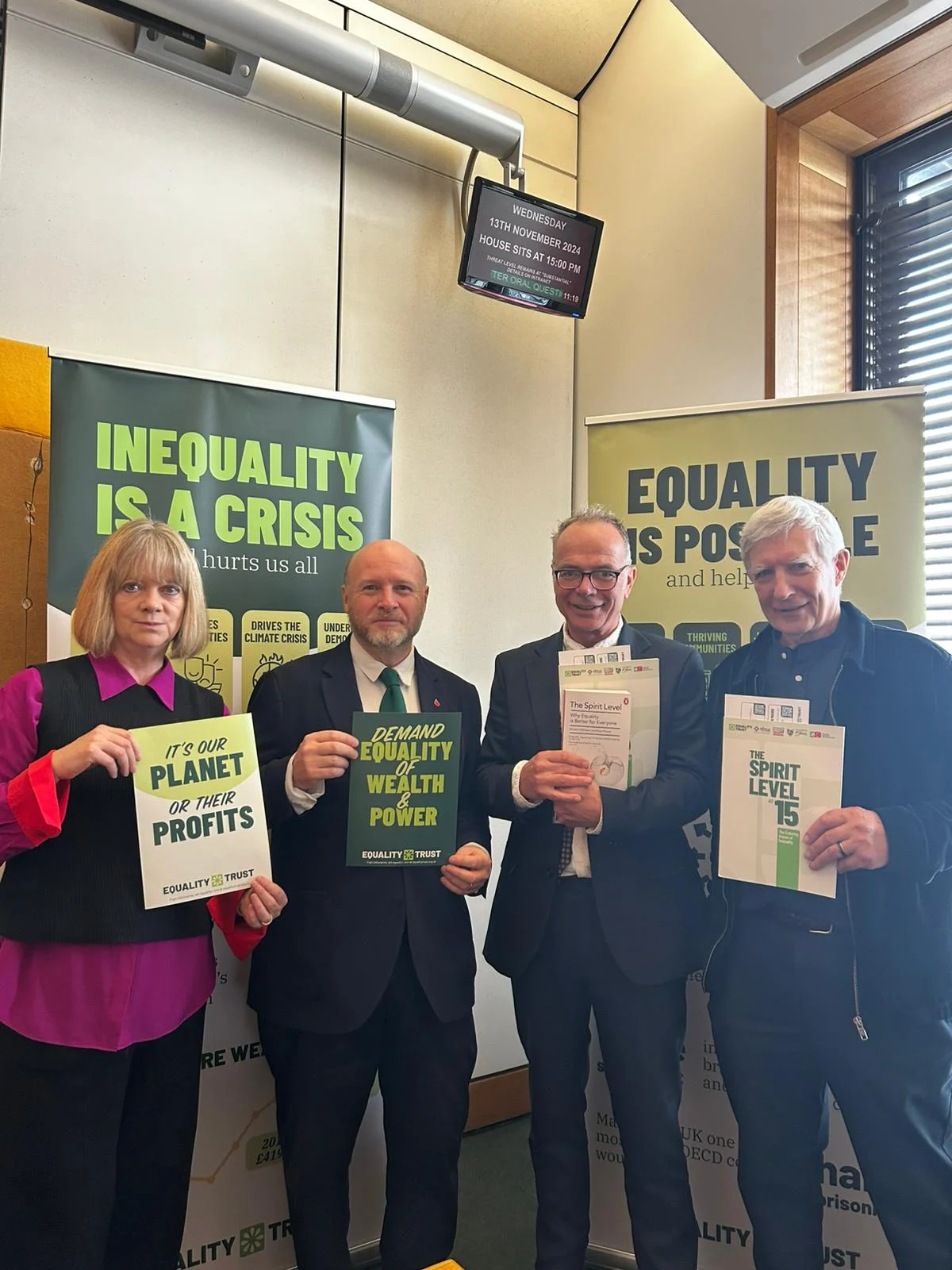
The Equality Trust was founded in 2009 by Professors Richard Wilkinson and Kate Pickett, following the publication of their seminal work, The Spirit Level: Why More Equal Societies Almost Always Do Better. The book provided a comprehensive evidence base demonstrating that societies with large gaps between the rich and the poor perform worse across a range of social indicators, including life expectancy, mental health, literacy, and social mobility. Boyle’s entry into the organization was rooted in this evidence-based framework, which continues to serve as the Trust’s guiding philosophy.
Throughout Boyle’s tenure, the Trust sought to translate these academic findings into tangible policy shifts. One of the primary focuses was the promotion of the Socio-Economic Duty, contained within Section 1 of the Equality Act 2010. Although the duty requires public bodies to consider how their decisions can reduce the inequalities of outcome which result from socio-economic disadvantage, it has never been formally commenced by the UK central government. Under the guidance of trustees like Boyle, the Trust successfully campaigned for local authorities and devolved administrations—including those in Scotland and Wales—to voluntarily adopt the duty, ensuring that poverty and class are factored into high-level decision-making.
A Chronology of Advocacy: 2020–2026
Boyle’s appointment in 2020 occurred at a moment of global upheaval. As the COVID-19 pandemic laid bare the stark disparities in health outcomes and economic security across the UK, The Equality Trust was forced to adapt its campaigning to a rapidly changing social reality.
In 2021 and 2022, the organization focused heavily on the "Build Back Better" agenda, advocating for a recovery that prioritized wage growth for essential workers and a more progressive tax system. By 2023, the focus shifted toward the cost-of-living crisis, as inflation reached 40-year highs and energy prices surged. The Trust argued that the crisis was not merely an external shock but an amplifier of pre-existing structural inequalities.
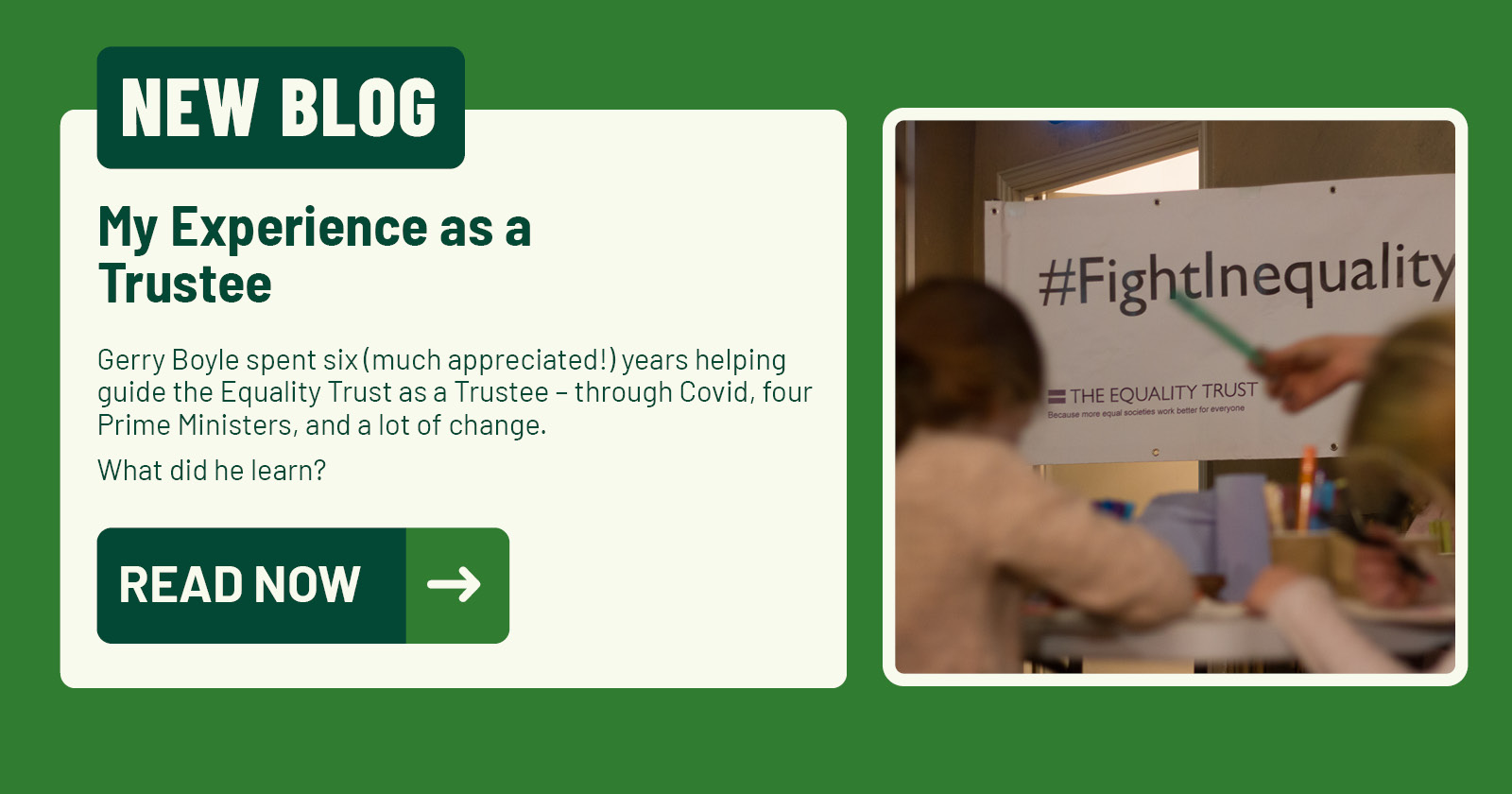
By 2024, the Trust’s work on youth engagement became a cornerstone of its strategy. Boyle oversaw the development of programs designed to amplify the voices of young people living at the "sharp end" of inequality. These initiatives aimed to move beyond theoretical discussions of wealth distribution, instead focusing on the lived experiences of those marginalized by the current economic system.
As Boyle reached the end of his final term in early 2026, the organization had transitioned into a more diversified entity, balancing its traditional role as a "think-and-do tank" with a more robust grassroots fundraising infrastructure.
Navigating the Financial Crisis in the Third Sector
One of the most significant contributions of Boyle’s tenure was his service on the board’s finance committee. His background in business was utilized to address what he described as a "difficult funding environment," exacerbated by UK austerity measures and a contraction in international aid.
The UK’s decision to reduce its Official Development Assistance (ODA) from 0.7% to 0.5% of Gross National Income had a ripple effect across the charitable sector. While The Equality Trust is primarily domestic in its focus, the reduction in global aid budgets increased competition for domestic grants, as larger international NGOs pivoted toward UK-based funding sources.
Furthermore, the Trust historically relied on a "lumpy" funding model—characterized by a small number of large grants from major foundations. Boyle identified this as a systemic risk; the failure of a single grant renewal could jeopardize the organization’s operational stability. In response, the Trust initiated a strategic shift toward a "supporter-led" model, seeking to build a broad base of individual donors. This transition was intended to grant the organization greater political independence and financial resilience, though it remains a work in progress amidst a national decline in disposable income.
Supporting Data: The Statistical Reality of Inequality in the UK
The context of Boyle’s departure is underscored by sobering data regarding the UK’s economic divide. According to the Office for National Statistics (ONS) and the World Inequality Database, the UK remains one of the most unequal countries among high-income nations.
As of late 2025, the wealthiest 10% of households in the UK held approximately 43% of the nation’s total wealth, while the bottom 50% held less than 5%. Income inequality has also remained stubbornly high; the Gini coefficient, a standard measure of inequality where 0 represents perfect equality and 100 represents perfect inequality, has hovered around 34-35 for the last decade, significantly higher than the average for European Union member states.
The Equality Trust’s research during Boyle’s tenure also highlighted the "CEO-to-worker pay gap." Data from the High Pay Centre, often cited by the Trust, showed that by the third working day of January each year, the average FTSE 100 CEO has already earned what the average UK worker will earn in the entire year. These figures have served as a rallying cry for the Trust’s "Fair Pay" campaigns, which advocate for mandatory pay ratio reporting and a living wage for all employees.
Official Responses and Sector Analysis
While the Trust has not yet named a direct successor for Boyle’s specific seat on the finance committee, the board has expressed its gratitude for his "smart and motivated" contributions. Internal sources suggest that the recruitment process for new trustees will prioritize individuals with expertise in digital fundraising and community organizing, reflecting the Trust’s shift away from institutional grant dependency.
Sector analysts note that Boyle’s departure represents a broader trend of "governance renewal" within UK advocacy groups. "The challenges of the 2020s require a different kind of board," says Marcus Thorne, a consultant for third-sector governance. "While the intellectual arguments for equality have been won in the academic sphere, the battle now is about financial sustainability and grassroots mobilization. Gerry Boyle’s tenure was a bridge between the era of big-grant advocacy and the new era of supporter-driven campaigning."
Critics of the Trust’s work, primarily from free-market think tanks, continue to argue that the focus should remain on absolute poverty and economic growth rather than relative inequality. However, the Trust maintains that the two are inextricably linked, citing the "Spirit Level" data that suggests excessive inequality stifles growth by reducing social mobility and eroding the human capital of the bottom half of the population.
Broader Impact and Implications for the Future
The legacy of Boyle’s six years at The Equality Trust will likely be measured by the organization’s ability to survive and thrive in an era of "permanent austerity." His emphasis on professionalizing the finance committee and diversifying income streams has provided a blueprint for other small-to-medium-sized advocacy charities.
The Socio-Economic Duty remains a key battleground. With a general election on the horizon, the Trust is preparing to lobby for the full commencement of Section 1 of the Equality Act. If successful, this would represent the culmination of over a decade of advocacy, legally requiring the government to systematically address class-based disadvantage.
Furthermore, the Trust’s focus on young people ensures that the next generation of activists is equipped with the data and rhetoric needed to challenge the status quo. As Boyle noted in his departing reflections, the "fight gets harder" as society continues to fragment, but the intellectual and moral case for a more equal society remains as robust as it was when the Trust was founded in 2009.
As the UK navigates the complexities of the mid-2020s, the work of The Equality Trust remains a critical barometer for the nation’s social health. The transition in its board of trustees marks not just an end of a term for one individual, but a continuation of a long-term struggle to align the UK’s economic reality with the principles of social justice and equity. Boyle’s departure serves as a reminder that the health of democratic institutions often relies on the "part-time" dedication of those willing to navigate the unglamorous but essential world of charity governance.