Following its decisive victory in the March 5, 2026, early legislative elections, the new administration in Nepal, led by Prime Minister Balendra Shaha and the Rastriya Swatantra Party, has prioritized the multi-billion-dollar Kathmandu-Tarai Fast Track (expressway) as a cornerstone of its national infrastructure agenda. Garnering a substantial majority of 182 out of 275 seats in the House of Representatives, a mandate largely attributed to the "Gen-Z movement" and the subsequent dissolution of parliament, the government is now poised to accelerate the completion of what has been widely proclaimed a "national pride project." However, this renewed impetus has reignited long-standing and deeply rooted struggles concerning human rights and cultural preservation for the Indigenous Newar communities inhabiting the historic towns of Khokana and Bungamati in the Lalitpur district, located south of the capital. These ancestral Newar settlements lie precisely at the designated "zero point" of the proposed 72.5-kilometer mega-highway. The Indigenous Newar communities express grave concerns that the project’s current trajectory threatens to obliterate their ancestral lands, disrupt their traditional livelihoods, erode their unique cultural heritage, and dismantle a medieval civilization that has endured for generations.
A Rich Tapestry Under Threat: The Historical Significance of Khokana and Bungamati
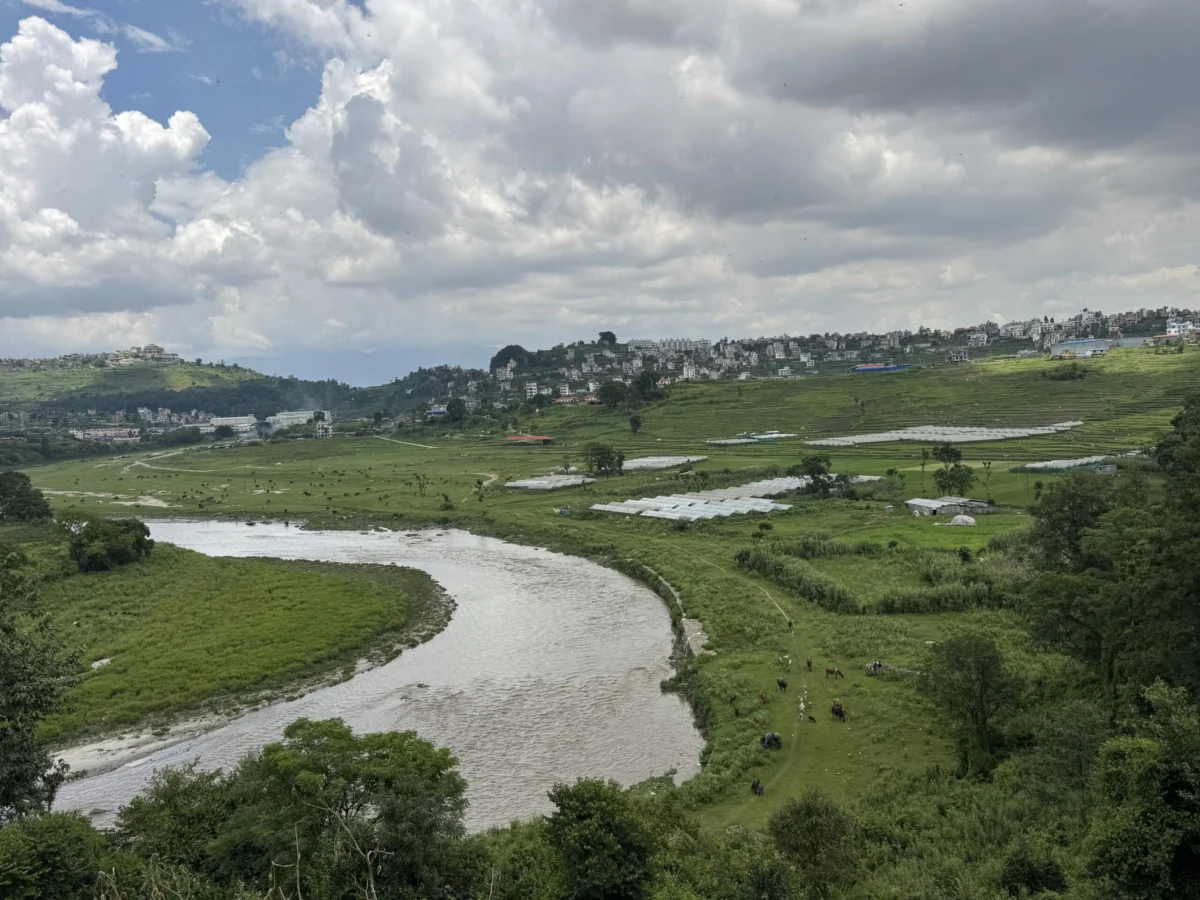
Khokana, a tranquil agricultural village nestled in the Lalitpur district, mere kilometers from the capital’s ring road, is widely recognized as a foundational cradle of Newa civilization. It stands as one of the oldest settlements of the Indigenous Newar community in the Kathmandu Valley, with historical roots tracing back to the ancient Gopal dynasty, marking the earliest recorded period in Nepal’s history. Historical accounts suggest that Indigenous Newar communities have meticulously preserved the "Sikali Civilization" for an impressive 1,938 years. The village is believed to have originated in the Ku:desh region, near the sacred Shikali Temple along the Bagmati River, later expanding as members of the Jyapu clan within the Newar community migrated there. Local traditions indicate that Khokana predates the era of Lokeshwara Matsyendranath, a significant figure during the 7th-century reign of King Narendra Dev. The settlement was later renamed Jitapur in the 15th century when King Amara Malla commissioned the construction of the Rudrayani Temple, intended to combat a devastating cholera outbreak.
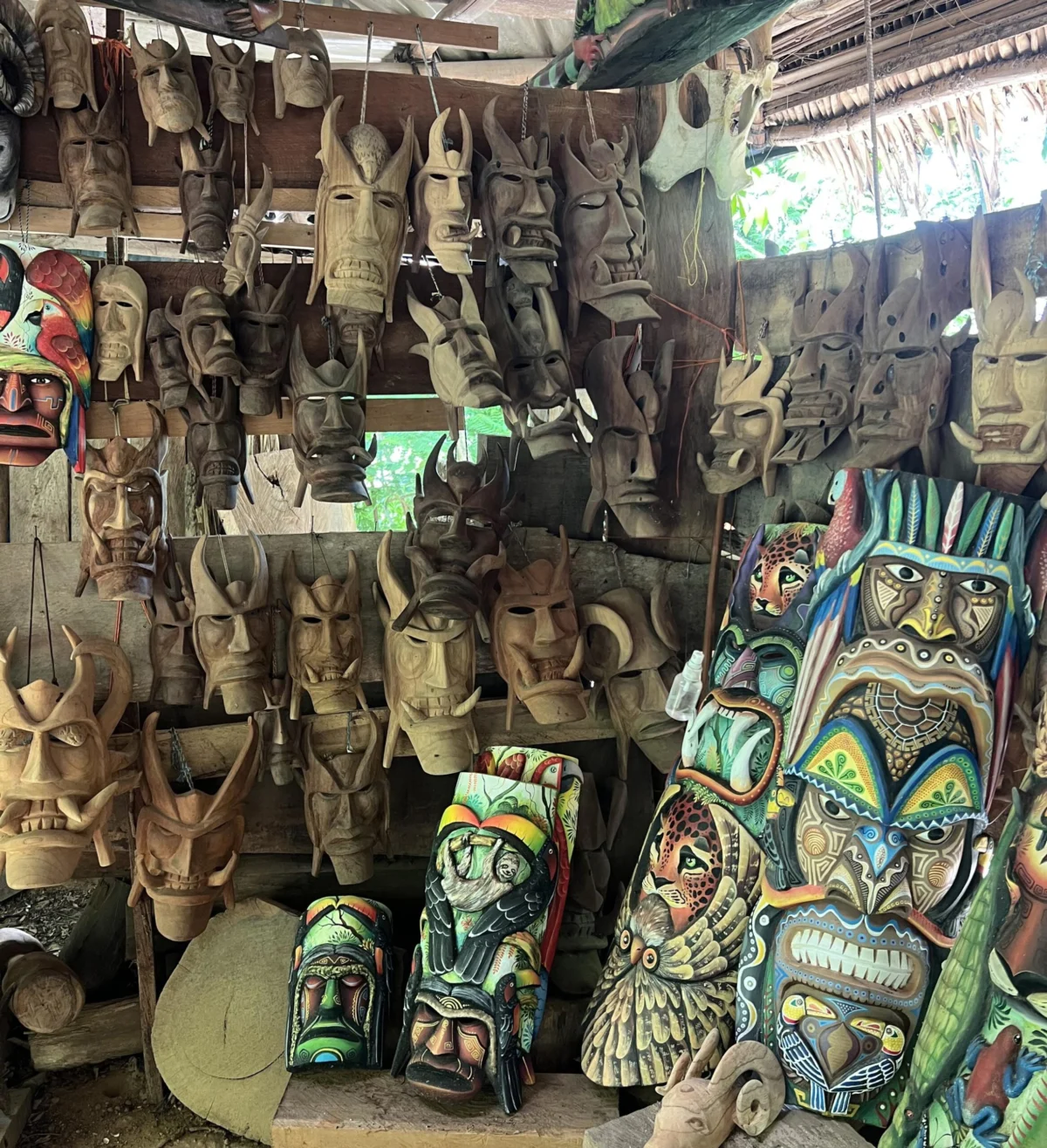
Khokana’s profound historical, religious, and archaeological significance was formally acknowledged when it was placed on UNESCO’s World Heritage Tentative List in 1996. This historic settlement is also the custodian of the renowned Sikali dance, a distinctive masked performance integral to Nepal’s cultural landscape, and hosts a vibrant Sikali jatra (procession). Furthermore, Khokana is celebrated for its centuries-old tradition of mustard oil production, a practice maintained by Indigenous Newar communities for over 700 years.
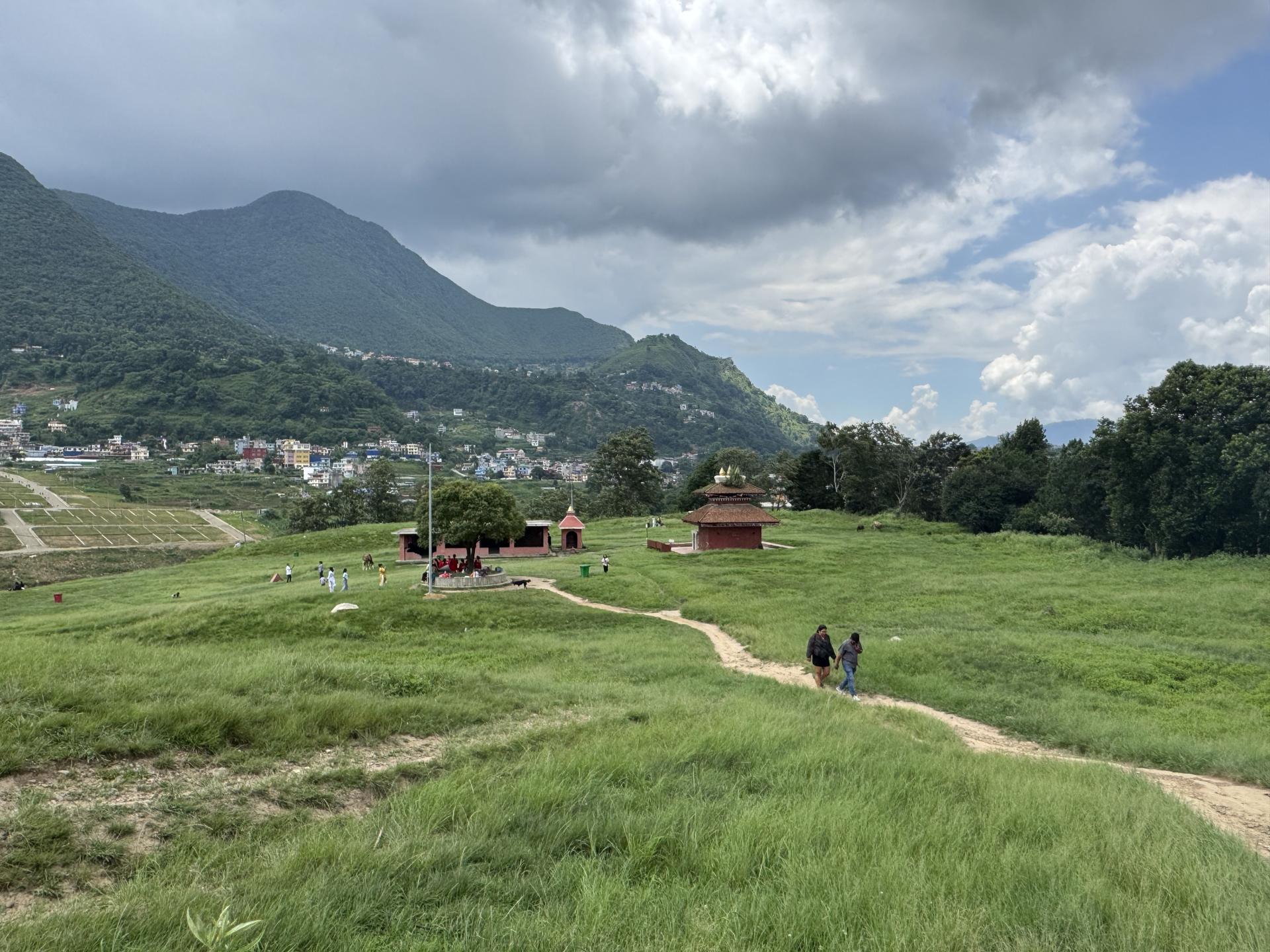
Residents articulate that the Fast Track project poses a threat not only of economic devastation but also of irreversible cultural destruction. The proposed alignment of the mega-highway cuts directly through communal Guthi (religious trust) lands, vital archaeological sites, the sacred Shikali temple, and ancestral cremation grounds that have served Indigenous Newar communities for generations. The current plans, if implemented, would lead to the destruction of Guthi lands, including Kumari Khyo (sacred open spaces) where rituals for the living goddess Kumari are performed biannually, and Baa:ha Khyo, a space for post-celebration gatherings following the Rato Machhindranath festival. Already, ongoing construction activities have disrupted traditional practices, including the use of a holy pond essential for the purification of monastery deities. The surrounding area has been converted into an open parking space for street vendors. Elders from the Newar community lament that they are now compelled to perform death rituals in open spaces along the dust-choked construction corridor.
Escalating Tensions and the Militarization of Development
Tensions surrounding the project escalated significantly in 2017 when the Nepali Army was officially awarded the contracts for its construction. The army subsequently established camps and erected wire fencing along the planned highway route without obtaining the Free, Prior, and Informed Consent (FPIC) of the Indigenous Newar communities. This unilateral action also barred farmers from accessing and cultivating their own ancestral lands, fostering an atmosphere of fear and insecurity.
Protests by affected communities have frequently been met with forceful state responses. In March 2018, peaceful demonstrations were violently dispersed using water cannons and tear gas, resulting in injuries to six protestors. Later, further violent clashes erupted when police employed batons and tear gas to break up a "paddy planting protest" organized by affected Indigenous Newar residents and activists at the project’s zero point. This confrontation led to injuries among more than a dozen protestors, as well as several police officers.
The most recent confrontation occurred on June 29, 2026, during Rice Planting Day. The Khokana-Bungamati Struggle Committee organized a protest under the banner "Save the Existence of Khokana-Bungamati," demanding the immediate withdrawal of the Nepalese Army camps from their village. When the committee attempted to deliver a formal letter to the Nepal Army, their request was refused. In response, organizers affixed the letter to the walls of the army camp and submitted a copy to the Chief District Officer. They argued that the deployment of the army for development projects on Indigenous Peoples’ lands constitutes a violation of international legal frameworks, including ILO Convention No. 169 and the UN Declaration on the Rights of Indigenous Peoples (UNDRIP), to both of which Nepal is a signatory.
The Struggle Committee expressed particular outrage following the federal government’s republication of a land acquisition notice in a national daily newspaper on June 18, 2026, calling on affected residents to collect compensation. This notice completely disregarded a prior understanding reached between the affected communities and the government during the tenure of former interim Prime Minister and Chief Justice Sushila Karki. At that time, an agreement had been made to revise the Detailed Project Report (DPR) and relocate the zero point further south to the Farsidol area of Bungamati. The affected communities vehemently condemned the government’s abrupt reversal of this agreement.
"Khokana and Bungamati are our heritage lands," stated Naresh Maharjan, a local resident. "We have long believed that this development, brought in under the guise of a national pride project, will completely destroy our heritage. And now they have republished the notice. Our Sikali meadow has also been included, just as it was back in 2015. Criticizing this one-sided action of the government, we organized today’s rice-planting program as a form of protest." He further cautioned that Indigenous Newars observe specific midnight rituals requiring absolute privacy, warning that "if the Fast Track is taken through their village, they may lose such sacred practices completely."
The Human and Economic Cost of a Mega-Project
The Fast Track expressway project, initially conceived in 2006 with financial backing from the Asian Development Bank, was designed to traverse the Bagmati River corridor. Its planned route begins at Sano Khokana, passes through Chhaimale, Gausel, Malta, Budune, and Chhatiwan, ultimately reaching Nijgadh, where it is intended to connect with the East-West Mahendra Highway. The project’s own 2015 Environmental Impact Assessment (EIA) acknowledged significant opposition to the acquisition of fertile farmland. The EIA had highlighted that an alternative route along the western bank of the Bagmati River would be a more favorable option, effectively avoiding Khokana’s farmlands. Despite repeated formal requests from local representatives, an official copy of the EIA assessment was never provided. Nonetheless, the government ultimately approved the more environmentally disruptive eastern route.
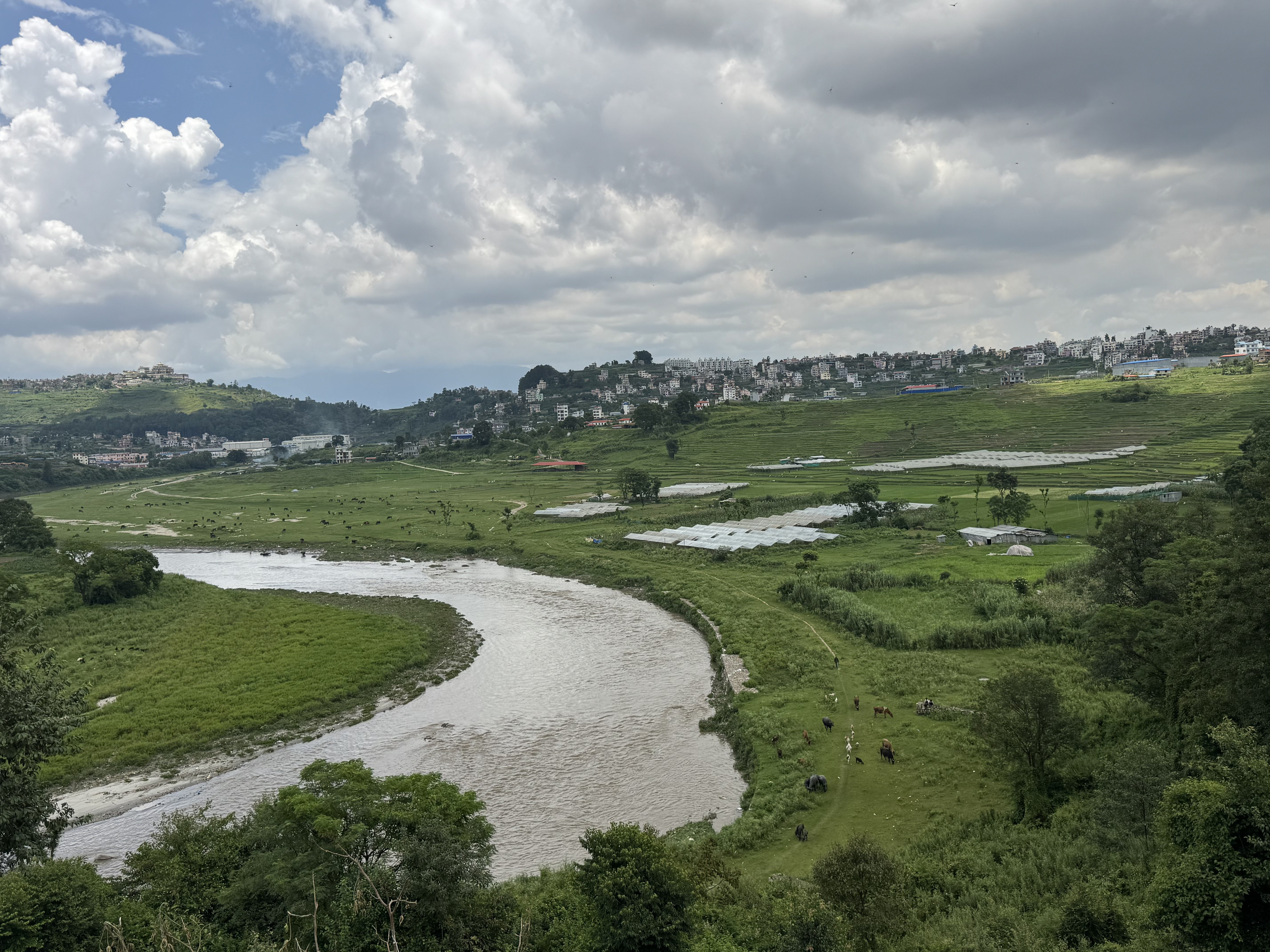
Land acquisition notices published between 2016 and 2019 targeted approximately 1,600 plots of farmland, directly impacting an estimated 1,600 families. Projections by Indigenous Peoples’ Rights Advocates suggest that in the long term, over 18,000 residents, predominantly Indigenous Newar farmers, could face direct and indirect displacement. Khokana is particularly vulnerable, facing the potential loss of nearly 60 percent of its arable land, a situation that would render economic survival untenable for a significant portion of its population.
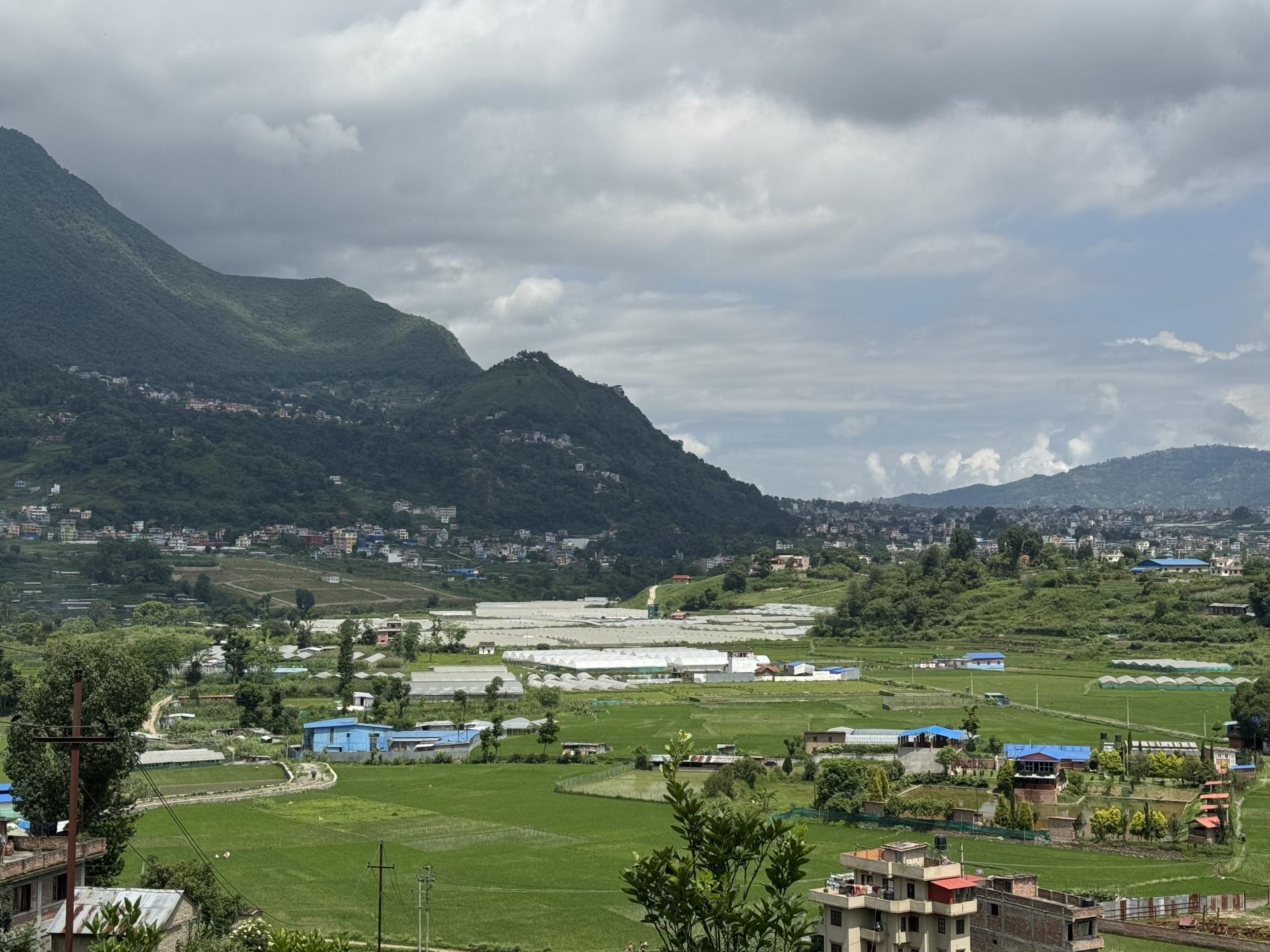
The threat to these communities is exacerbated by a confluence of other overlapping state-initiated projects in the same geographical area. These include the Outer Ring Road, the Bagmati River Basin Improvement Project, high-voltage transmission lines, a petroleum pipeline, the proposed Raxaul-Kathmandu railway, and a planned Smart City project aimed at accommodating over a million new residents in the valley. Community leaders warn that the cumulative impact of these projects poses an existential threat, potentially leading to the eradication of the Indigenous Newar communities’ distinct identity within their ancestral homeland.
The palpable anger among residents has been further inflamed by the stark disparity between government compensation offers and the actual market value of their land. Kyojakaji Maharjan, a senior citizen, emphasized that the land his family has cultivated for generations represents their sole means of livelihood. "My family is very large," Maharjan stated. "For a family this size, which the government cannot support, they are offering 150,000 Nepali rupees per aana. Can you believe that? Right now, we sell plots for 3.5 million Nepali rupees per aana. Has the government no shame? Is there no morality left? The state might as well kill us all to settle it. Let them take the land after we are all dead. We will march like martyrs at Sahid Gate, but we will not give up our land." He added defiantly, "They told us to stop planting rice here. When I knew this, I also stepped in. Even now, if anyone tries to trespass, I have told everyone that we must stop them. Why should I be stopped from entering my own land? If I must die, I will die. What can they do? If they fire bullets, we will fight back with our bare hands. If I am alive and for my grandchildren and great-grandchildren, I will not surrender this land. Let’s see what they can do."
A Stalled Legal Battle and International Scrutiny
Having exhausted formal channels, Indigenous Newar communities filed a writ petition in the Supreme Court of Nepal in February 2020. The petition sought legal protection for their historic settlements against the perceived threat of overlapping development projects that they believe will irrevocably destroy their ancient Newar civilization. However, the Court has repeatedly postponed hearings, even as the Nepal Army-led construction of the remaining 72.5 kilometers of the fast track continues apace.
Affected residents have also appealed to the country offices of the International Labour Organization (ILO) and UNESCO, as well as to UN human rights mechanisms in Geneva. In 2021, the UN Working Group on Business and Human Rights and the UN Special Rapporteurs on the rights of Indigenous Peoples, on Adequate Housing, and on Human Rights Defenders issued a formal joint communication to the Government of Nepal. This communication expressed grave concerns regarding the potential for forced evictions, displacement, and the destruction of irreplaceable religious sites, warning that the project might violate international human rights standards, including ILO Convention 169 and UNDRIP. While authorities initially did not respond, the government eventually tasked the National Indigenous Nationalities Commission with conducting a study on the matter.
The Khokana-Bungamati Struggle Committee has also drawn attention to the project’s perceived engineering and logistical deficiencies. Chairperson Nepal Dongol explained that positioning the zero point at Khokana Khudol necessitates a straight, high-speed (100 km/h) alignment, rendering the preservation of Guthi heritage impossible. Dongol warned that channeling an estimated 50,000 vehicles daily into the area without an adequate exit strategy would lead to severe traffic congestion. This, he argued, would further exacerbate pollution around cultural sites and fuel social harms, displacing cultural custodians and damaging intangible cultural heritage like the Shree Rudrayani Jatra and Rato Machhindranath Jatra. The rapid urbanization, he contended, would ultimately force the relocation of old Indigenous Newar settlements.
Seeking Sustainable Solutions: Alternative Alignments and Consensus
As a viable remedy, local residents have proposed an alternative route that has garnered significant institutional support. Following extensive public hearings and consultations, the Lalitpur Metropolitan City recommended that the Ministry of Defense relocate the zero point from Khokana and Bungamati to a more southerly location in Dukuchhap, within Godawari Municipality. The National Indigenous Nationalities Commission, in its comprehensive study, echoed this proposal, emphasizing the deep spiritual and cultural connections Indigenous nationalities maintain with their ancestral lands and territories, and reiterating the imperative of securing their FPIC.
Furthermore, the Department of Archaeology substantiated this proposed solution in a formal letter submitted to the National Human Rights Commission on July 15, 2021. The department explicitly stated that both the original and revised alignments of the Fast Track through Khokana and Bungamati would inflict irreversible damage upon significant tangible and intangible heritage, including Guthi lands, religious sites, cemeteries, and archaeological areas. Crucially, the letter noted that no such heritage would be jeopardized if the route were shifted to Dukuchhap.
According to Dongol, the Dukuchhap option is not only geographically sound but also reflects a broad consensus among local residents, elected representatives, provincial assembly members, and federal lawmakers. Relocating the project’s starting point to Dukuchhap would significantly contribute to safeguarding the ancient Newar civilization of Khokana and Bungamati. Moreover, it would foster economic development in adjacent areas such as Devi Chaur, Chapagaun, Makwabrasi, Badikhel, Godavari, Godamchaur, and Lamatar, by leveraging existing routes via Lalitpur to connect commuters to Bhaktapur, Sindhupalchok, and Ramechhap.
The Indigenous Newar communities maintain that they have engaged in negotiations in good faith, driven by a profound pride in their distinct traditions and an unwavering belief in the rule of law. The current impasse presents Prime Minister Balendra Shah with a critical juncture: whether to proceed with the Fast Track project as a symbol of top-down displacement and disregard for cultural heritage, or to embrace a more inclusive development paradigm that effectively addresses Nepal’s infrastructure needs while simultaneously upholding the inalienable human rights and the invaluable heritage of the Indigenous Newar communities. The outcome of this confrontation will undoubtedly shape the future of cultural preservation and human rights in Nepal.