The unveiling of Ireland’s Budget 2025, which coincided with the International Day of Older Persons, has drawn a complex response from Age Action, the nation’s leading advocacy group for the elderly. While the government announced a €12 weekly increase for those in receipt of the full state pension, Age Action has warned that this measure fails to restore the purchasing power of the pension to its 2020 levels. According to the organization’s policy adviser, Dr. Nat O’Connor, the state pension would require an additional €18 increase—totaling a €30 weekly raise—just to match the real-world value it held four years ago. This critique centers on a broader trend of declining income security for Ireland’s older population, exacerbated by a continued failure to implement a formal system of benchmarking and indexation.
The Economic Reality of the €12 Pension Increase
The €12 increase brought forward in Budget 2025 is intended to mitigate the rising cost of living that has characterized the Irish economy since the post-pandemic inflationary spike. However, Age Action argues that the nominal increase masks a significant decline in the standard of living for retirees. Between 2020 and 2024, Ireland experienced a period of high inflation, particularly in essential categories such as food, energy, and healthcare.
Dr. O’Connor noted that many older people were already struggling to meet their basic needs in 2020. By failing to adjust the pension in line with the Consumer Price Index (CPI) or a percentage of average earnings—a process known as benchmarking—the government has effectively allowed the state pension to erode. Age Action points out that Ireland remains an outlier in Western Europe, where most neighboring nations have established automatic indexation mechanisms to protect the purchasing power of retirees. The lack of such a mechanism in Ireland leaves older people dependent on annual political decisions, creating a sense of financial instability and "peace of mind" concerns during retirement.
Successes in Energy Poverty Mitigation
One of the more positively received aspects of Budget 2025 is the reform of the Fuel Allowance. Age Action has long advocated for changes to this scheme, citing the specific physiological and infrastructural vulnerabilities of the elderly. Older people are at a heightened risk of energy poverty because their bodies naturally retain less heat as they age, and they are disproportionately likely to reside in older, poorly insulated homes that are difficult and expensive to heat.
The government’s decision to grant individuals aged 66 and over access to the Fuel Allowance under a more generous means test has been welcomed as a significant step toward combating energy poverty. This expansion is expected to bring thousands of additional older people into the safety net of the scheme, providing essential support for heating costs during the winter months. By adjusting the means test, the government has acknowledged the reality that even those slightly above the previous income thresholds were struggling to maintain adequate warmth in their homes.
The Stagnation of Support for Older People Living Alone
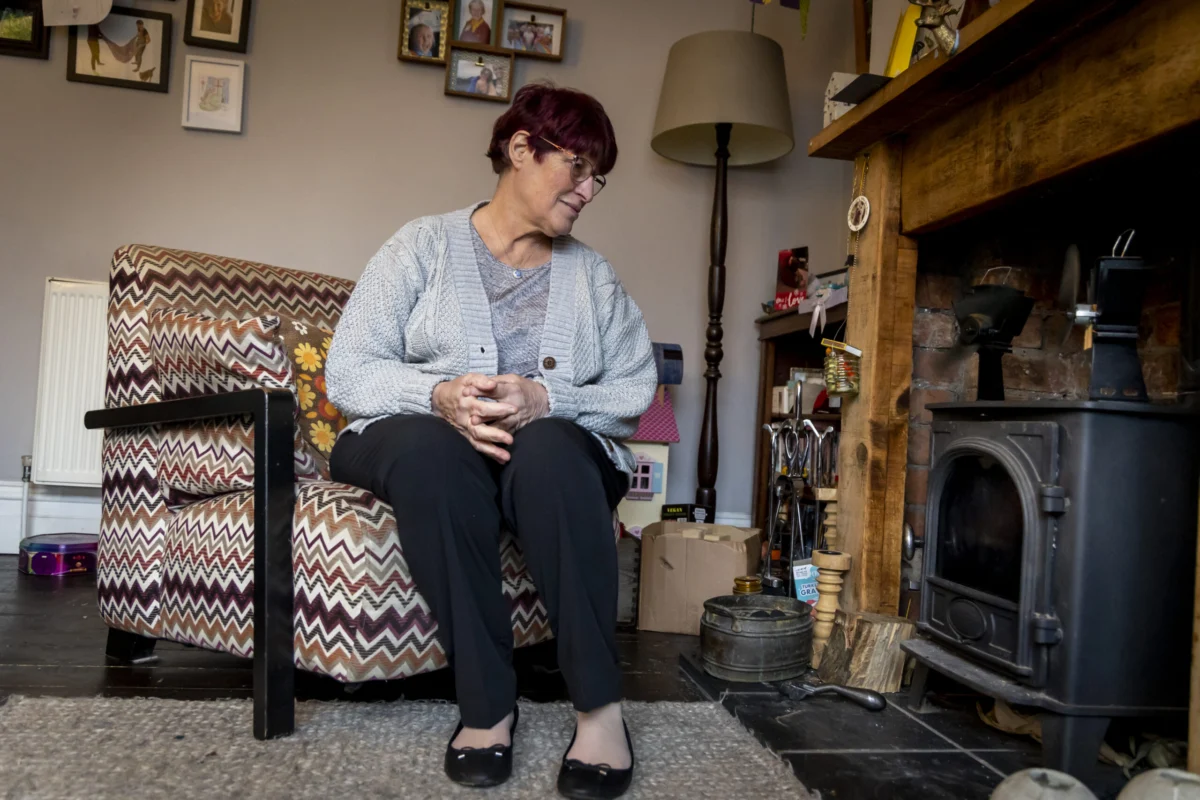
A central pillar of Age Action’s critique involves the perceived neglect of older people living alone. For the second consecutive budget cycle, the organization expressed deep regret that the state has failed to recognize this group as a distinct cohort requiring targeted intervention. The Living Alone Allowance, a vital supplement for those without a shared household income, has remained largely stagnant since 2022, when it received a marginal €3 plough-back.
The disparity between the costs of living for a couple versus a single person is a point of significant concern. Research cited by Age Action indicates that a person living alone incurs approximately 79% of the costs faced by a couple. This is due to "fixed" household expenses such as property taxes, standing charges for utilities, home maintenance, and heating, which do not halve simply because only one person occupies the dwelling.
Despite this, the Fuel Allowance for those aged 66+ living alone provides only slightly more than half the income support of a couple’s rate. Furthermore, the means test for the Carer’s Allowance allows a single older person only half the income threshold of those living with a partner. Age Action argues that this structural disadvantage has led to a sharp increase in material deprivation. In 2023, older people living alone were twice as likely to experience material deprivation compared to 2020, and they are nearly three times as likely to face such hardships as couples aged 65 and over.
Gender Inequality and the Pension Gap
The failure to adequately support those living alone also has profound implications for gender equality. Statistics show that six out of ten older people living alone in Ireland are women. This demographic is already vulnerable due to the "gender pension gap," which currently stands at approximately 35% in Ireland. This gap is largely a result of historical labor market patterns, where women were more likely to take career breaks for caregiving responsibilities or were affected by the "marriage bar" that existed in the public service until the 1970s.
By failing to increase the Living Alone Allowance or adjust means tests to reflect the actual costs of single occupancy, Age Action contends that the government is inadvertently compounding gender-based financial inequality. Women in this age bracket are frequently reliant on the state pension as their sole source of income, and the lack of targeted support leaves them at a higher risk of falling below the poverty line.
Improving Social Inclusion: The Universal Companion Pass
In a move toward enhancing the social lives and mobility of the elderly, the government announced the introduction of a universal companion pass, set to commence in September 2025. This measure was met with praise from Age Action, which has historically highlighted the "transport inadequacy" that plagues many parts of Ireland, particularly rural areas.
For many older people, physical frailty or cognitive decline can make navigating public transport systems a daunting or impossible task when traveling alone. The companion pass allows an older person to be accompanied by another individual free of charge, facilitating medical appointments, grocery shopping, and social visits. This initiative is seen as a simple yet effective tool to combat social isolation and exclusion, ensuring that those who find independent travel difficult can remain active members of their communities.
Contextualizing Budget 2025: A Chronology of Pension Policy
To understand the weight of Age Action’s critique, it is necessary to look at the timeline of Irish pension policy over the last decade. Following the financial crisis of 2008, the state pension remained relatively static for several years. As the economy recovered, modest increases were introduced, but these were largely ad-hoc.
In 2018, the government’s "Roadmap for Social Inclusion" suggested a move toward a "smoothing" approach for pensions, but the promised benchmarking to 34% of average industrial earnings has yet to be fully realized or codified into law. The onset of the COVID-19 pandemic in 2020 and the subsequent global energy crisis in 2022 created a new economic landscape. While the government provided several "one-off" cost-of-living payments in 2023 and 2024, Age Action argues that these temporary measures are no substitute for a permanent, indexed increase in the core pension rate.
Analysis of Implications
The implications of Budget 2025 for Ireland’s aging population are twofold. On one hand, the expansion of the Fuel Allowance and the introduction of the companion pass represent a move toward "smart" social policy—identifying specific barriers (energy costs and mobility) and providing targeted solutions. These measures will likely improve the quality of life for many and reduce the immediate threat of energy poverty.
On the other hand, the refusal to benchmark the pension suggests a continued reliance on discretionary budgeting rather than structural reform. For the state, benchmarking represents a long-term financial commitment that can be difficult to manage during economic downturns. For the retiree, however, the lack of benchmarking represents a loss of agency and financial predictability.
Furthermore, the growing divide between the economic stability of older couples and the increasing deprivation of older singles suggests a need for a fundamental redesign of how "household units" are assessed in the social protection system. If the trend of material deprivation among singles continues to rise, the state may eventually face higher costs in the form of increased demand for emergency social housing, healthcare interventions, and mental health services related to isolation and poverty.
Conclusion and Future Outlook
As Age Action continues to advocate for the rights of the elderly, the focus remains on the "right to a full, independent life." While Budget 2025 provided some welcome relief, the organization’s reaction underscores a significant gap between government policy and the lived experience of Ireland’s most vulnerable seniors.
The call for benchmarking and indexation remains the cornerstone of Age Action’s policy platform. Until the state pension is legally tied to the cost of living or national wage averages, the advocacy group maintains that older people will continue to see their income security eroded by the tides of inflation. As Ireland prepares for future demographic shifts—with the number of people aged 65 and over expected to nearly double by 2050—the debate over the adequacy of the state pension and the support for those living alone is likely to become a central issue in the national political discourse.