The landscape of rural Côte d’Ivoire is defined by the lush canopy of cocoa trees, a crop that positions the nation as the world’s leading producer, accounting for approximately 40 percent of the global supply. However, beneath this economic engine lies a complex social challenge: the persistent struggle to provide quality education to the children of the families who drive this industry. Since 2012, World Education, an initiative of JSI (John Snow, Inc.), has been at the forefront of addressing the systemic barriers that prevent children in cocoa-growing communities from achieving academic success. Through the CocoaLife Quality Education Project, funded by Mondelēz International, the organization is implementing a localized, community-driven model designed to dismantle the cycle of child labor and educational neglect.
The intervention comes at a critical juncture for Côte d’Ivoire’s education sector. While national enrollment rates have seen improvements over the last decade, the quality of education and the retention of students remain significant hurdles. According to Ferdinand Beblai, the Country Director for JSI Côte d’Ivoire, the challenges are multi-faceted, ranging from economic pressures on families to the physical degradation of school facilities. In the cocoa-producing heartlands, these issues are magnified by the seasonal demands of the harvest, which often draw children away from the classroom and into the fields.
The Socio-Economic Barriers to Education Quality
In Côte d’Ivoire, the intersection of agriculture and education creates a unique set of obstacles. The primary challenge is the low rate of enrollment and high rate of absenteeism during peak cocoa harvest seasons. For many families living in poverty, children are viewed as a necessary labor resource. This practice, while born of economic necessity, has devastating effects on academic performance. When children are involved in labor, their education is inevitably compromised; they arrive at school late, miss significant portions of the curriculum, and ultimately see their grades suffer.
The statistical reality of this crisis is stark. Data from 2021 indicates that more than 15 percent of primary school children in Côte d’Ivoire repeat a grade every year. This high repetition rate often leads to a sense of disillusionment among both students and parents, eventually resulting in the child being expelled or dropping out entirely. The physical environment of the schools further exacerbates these problems. In many remote areas, the lack of reliable building materials has forced communities to construct schools out of wood and straw. These precarious structures are highly susceptible to the increasing frequency of extreme weather events, posing a physical danger to students and disrupting the learning cycle whenever a storm occurs.
The COGES Model: A Strategy for Community Governance
To combat these systemic failures, World Education has focused on strengthening the Comité de Gestion Établissement Scolaire (COGES), or School Management Committees. Established by the Ivorian government, these committees are designed to bring together local stakeholders—including parents, teachers, and community leaders—to manage school resources and student welfare. However, many COGES units have historically struggled with a lack of funding and organizational capacity.
Since 2012, World Education has utilized a specialized tool to evaluate the functionality of these committees and identify gaps in their operations. The primary objective has been to transform COGES from passive administrative bodies into active, self-sustaining entities. This is achieved by strengthening their capacity to implement income-generating activities (IGAs). By empowering these committees to generate their own revenue, World Education ensures that schools have a dedicated fund to support school improvement plans (SIPs) without relying solely on government disbursements or parental contributions, which are often inconsistent.
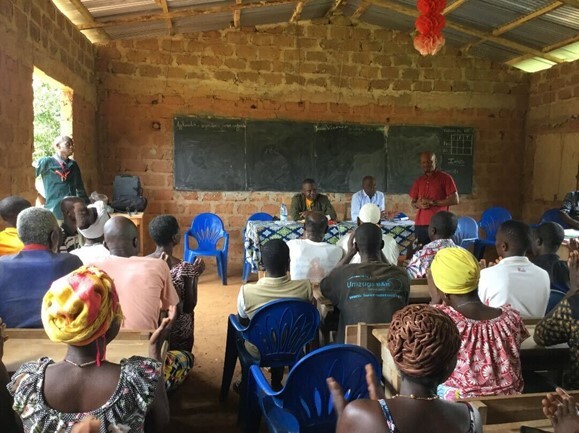
The implementation of IGAs has taken various forms depending on the local context. In some villages, committees have established maize farms, while others have invested in poultry farming. The profits from these ventures are funneled directly back into the school system. These funds are used for a variety of critical needs, such as purchasing school supplies, maintaining facilities, and, perhaps most importantly, providing financial incentives for teachers to conduct remedial tutoring sessions for students struggling in core subjects like mathematics and French.
A Case Study in Transformation: The Ndrikro Community
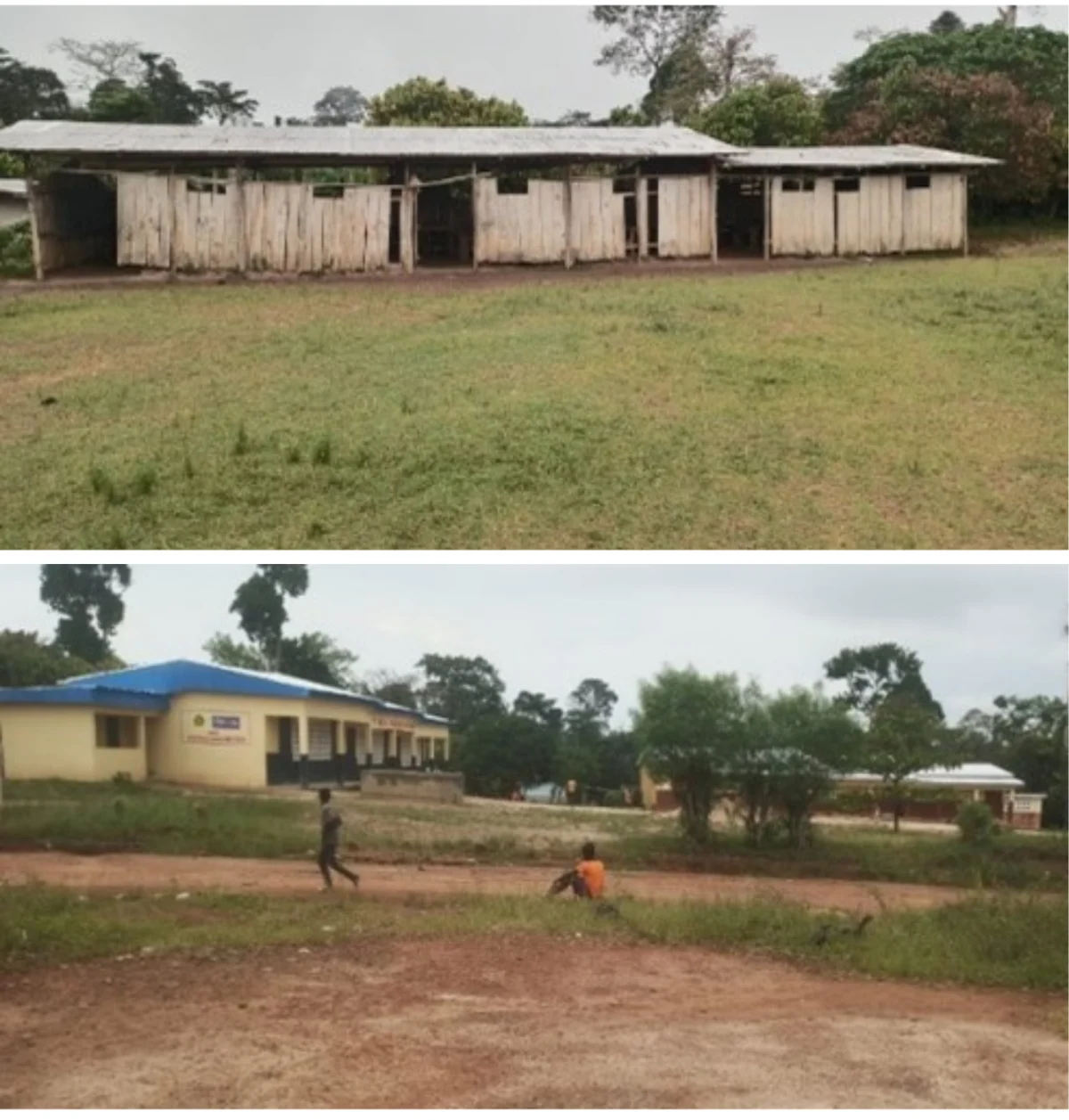
The impact of this community-centric approach is most visible in the village of Ndrikro, located in the Soubré region. Prior to the intervention, the educational conditions in Ndrikro were dire. Classes were held in open-air sheds that lacked toilets, desks, and basic protection from the elements. The lack of infrastructure was matched by a lack of governance; the school was failing both functionally and academically.
The turnaround began when the COGES mobilized the village leadership, youth groups, and Village Savings and Loan Associations (VSLAs) around a unified vision: the school was a collective asset that required immediate salvation. By leveraging the financial resources of the loan association and the labor of the community to cultivate a cassava field, the village generated the capital necessary for infrastructure development.
The result was a radical transformation. The precarious sheds were replaced by two modern school buildings equipped with administrative offices and sanitation facilities. Today, Ndrikro serves as a regional model for educational excellence. The children learn in a safe, dignified environment, and the community has established an "excellence awards" program to motivate students. This synergy between economic activity and educational investment has fostered a culture where the school is no longer seen as a burden, but as the cornerstone of the community’s future.
Bridging the Data Gap: The Importance of Localized Information
One of the significant hurdles in improving education in Côte d’Ivoire is the reliance on aggregated national data, which often obscures the specific needs of individual villages. While government reports provide a broad overview of school district performance, they frequently lack the granular detail required to address the root causes of school dropouts in cocoa-growing areas.
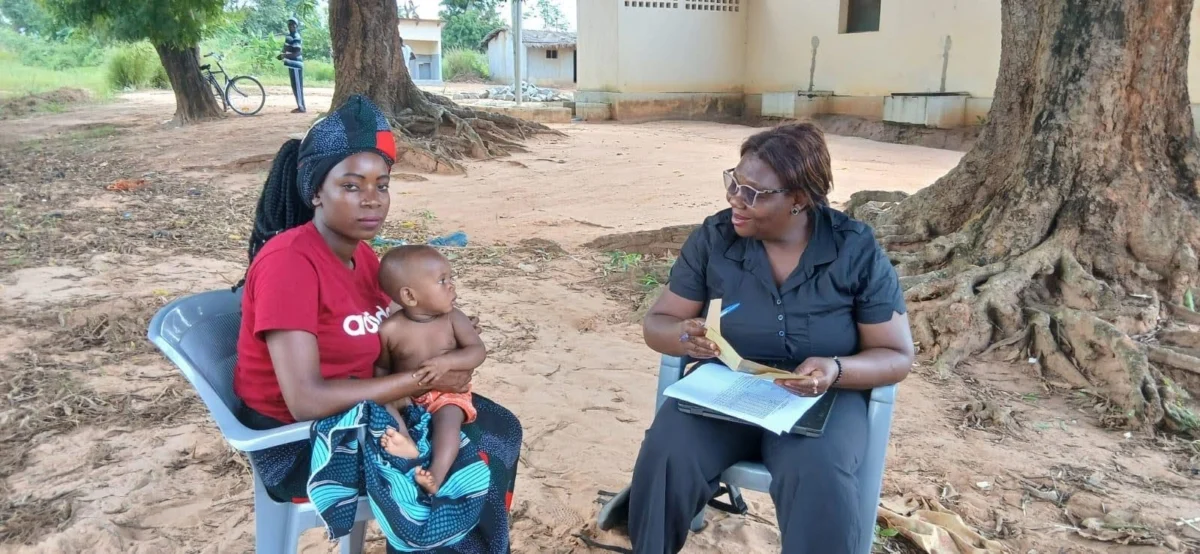
World Education’s strategy emphasizes the collection and analysis of community-level data. For instance, by identifying the exact number of six-year-old children in a specific village who are not enrolled in school, the project can investigate the specific reasons for their absence. This localized data revealed a critical economic pattern: because cocoa is harvested twice a year, farmers often find themselves without liquid cash between harvests, precisely when school supplies need to be purchased.
Armed with this information, the project was able to provide targeted support. Grants of approximately 80,000 francs (USD 140) were provided to the most vulnerable families to cover essential supplies, ensuring that children did not miss the start of the school year due to temporary financial shortfalls. This data-driven approach allows for interventions that are not only effective but also culturally and economically sensitive to the realities of the cocoa calendar.
Institutionalizing Success through Government Collaboration
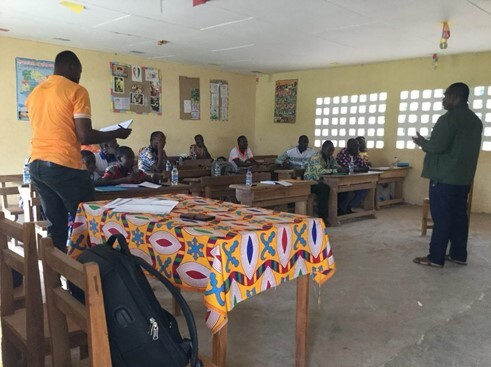
The long-term sustainability of the CocoaLife Quality Education Project depends on its integration into the national educational framework. Recognizing the success of the World Education model, the Ivorian government has moved to formalize its partnership with the organization. A formal collaboration protocol is being signed to ensure that the strategies developed under the project—such as the strengthening of COGES and the implementation of IGAs—can be scaled and maintained nationwide.
This agreement marks a transition from a project-based intervention to a systemic reform. The goal is to ensure that communities across Côte d’Ivoire become self-sufficient in managing their educational resources. By fostering transparency through rigorous accounting records and receipts, the COGES units are building the "traceability" and trust necessary to encourage continued community investment.
Broader Implications and Future Outlook
The implications of the CocoaLife project extend beyond literacy and numeracy. There is a growing recognition within these communities that education is a practical necessity for the modern agricultural worker. Parents are increasingly aware that even if their children choose to remain in the cocoa industry, they require an education to navigate the complexities of modern farming. This includes the ability to read and interpret labels on pesticides and insecticides, ensuring they are mixed and applied safely and effectively.
Furthermore, the project addresses the "poverty trap" that has long plagued rural Côte d’Ivoire. By providing children with a higher quality of education and reducing the rate of grade repetition, the project increases the likelihood that the next generation will have access to a broader range of economic opportunities, both within and outside the agricultural sector.
As World Education and the Ivorian government look toward the future, the focus remains on the "holistic involvement" of all community actors. The success of the project is not measured merely by the number of buildings constructed, but by the shift in mindset among parents and local leaders. Success, according to Ferdinand Beblai, looks like a community that evaluates its own challenges and brings its own solutions to the table. With the government now playing a central role in sustaining these efforts, the path toward a more equitable and effective education system in Côte d’Ivoire is becoming increasingly clear. The transformation of schools like the one in Ndrikro stands as a testament to the power of community-led development and the enduring impact of strategic, data-informed partnerships.