
The second season of the ground-breaking BBC reality dating series I Kissed a Girl reached its conclusion this week, leaving viewers with a mixture of romantic resolutions and questions regarding the future of queer representation on mainstream television. Set against the backdrop of a traditional Italian masseria, the finale followed the remaining four couples as they navigated the final 48 hours of their summer experience, culminating in the high-stakes "kiss-off" ceremony. While the season provided significant milestones for LGBTQ+ visibility, including the inclusion of non-binary participants, the finale also highlighted the logistical and financial pressures currently facing niche reality programming in the United Kingdom.
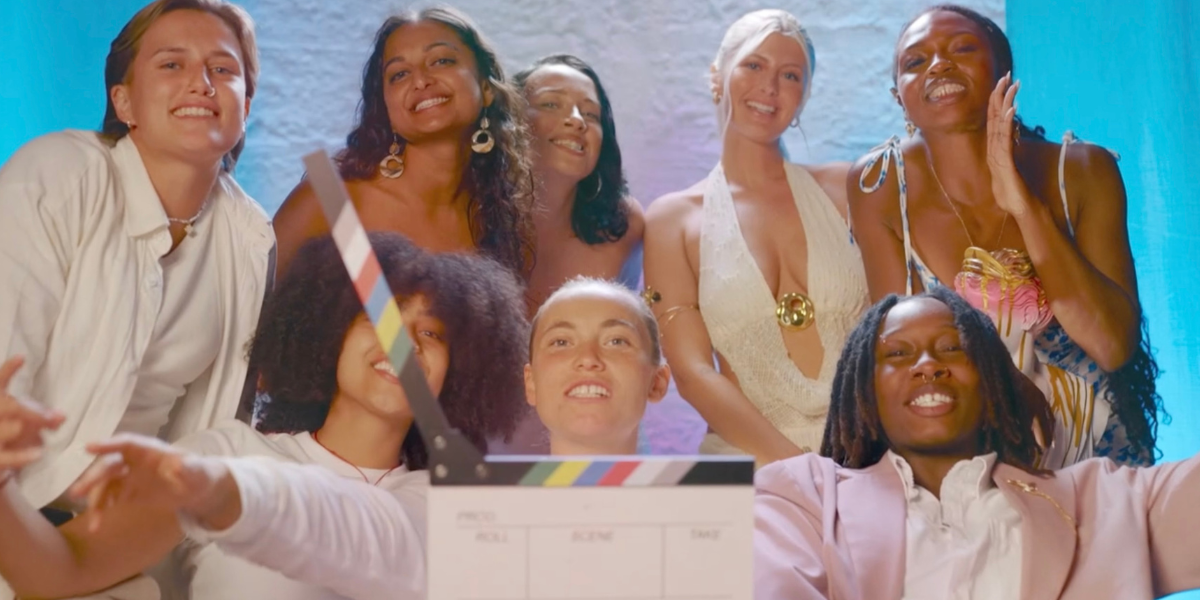
Final Couple Outcomes and the Kiss-Off Ceremony
The central mechanic of the I Kissed a Girl finale is the "kiss-off," a scripted ceremony where participants must decide whether to commit to their partner by turning and initiating a kiss or to remain stationary, signaling the end of the relationship. Of the four couples that reached the final stage, two chose to continue their journey outside the masseria, while two decided to part ways.
Elise and Elisha
Elise and Elisha entered the finale as the season’s most stable pairing. Having established a "girlfriend" status early in the production, their primary concerns revolved around the practicalities of a long-distance relationship between their respective homes. Despite the geographical challenges, both participants turned during the ceremony, reaffirming their commitment. Post-show reports, however, indicate that the couple has since ended their relationship, citing the difficulties of maintaining a connection across the distance.

Pippa and Nikita
Pippa, the show’s first non-binary participant, and Nikita faced questions regarding their readiness for a committed relationship in a "real-world" context. Their dynamic was characterized by a low-conflict progression throughout the season. During the finale, both opted to turn and kiss, choosing to explore their compatibility beyond the confines of the Italian retreat. Recent updates confirm that Pippa and Nikita remain a couple, marking them as the season’s primary success story.
Almayra and Kayleigh
The relationship between Almayra and Kayleigh was defined by a clash of lifestyles, specifically Almayra’s current "abstinence era" versus Kayleigh’s self-described "party girl" persona. While Almayra turned during the ceremony to signal her willingness to compromise, Kayleigh remained stationary. Kayleigh cited the fundamental differences in their lifestyle choices as the reason for the separation, stating that neither party should be forced to compromise their personal values for a partnership.

Blessing and Lindsay
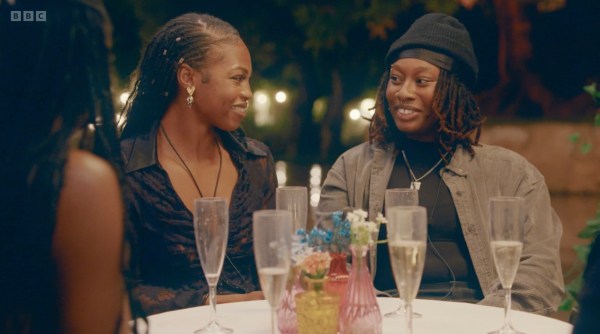
Blessing and Lindsay’s tenure on the show was marked by significant communication barriers and a perceived lack of physical validation. Despite a positive intervention from their respective families, the underlying issues regarding their interaction styles proved insurmountable. At the final altar, both participants chose not to turn. Blessing noted that while the connection was unique, the lack of consistent emotional security made a long-term relationship unfeasible.
Chronology of the Final 48 Hours
The finale episode chronicled the final two days of the production, beginning with an atmospheric shift as rain fell over the masseria, mirroring the somber mood of the contestants. The timeline of the conclusion followed a structured progression designed to test the emotional resilience of the remaining pairs.

- The Final Morning in the Masseria: The participants woke to the realization that their time in Italy was ending. This period was characterized by "end-of-holiday" anxiety, with several contestants spiraling over the transition from a curated romantic environment to their daily working lives.
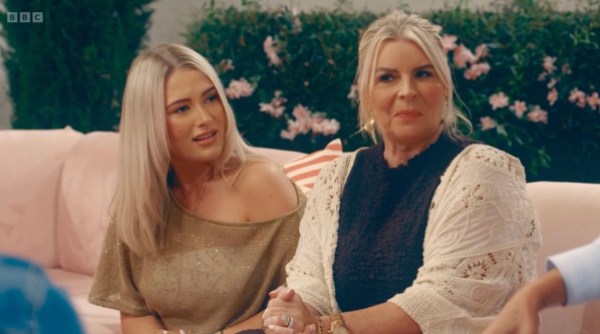
- Familial Interventions: A pivotal segment of the finale involved the arrival of friends and family members. This "meet the parents" phase provided external perspectives on the burgeoning relationships. Notable appearances included Almayra’s identical twin sister, Iman, and Nikita’s mother, whose acceptance of Pippa’s non-binary identity was highlighted as a positive moment for queer representation.
- The Separation Period: Following the family visits, the couples were separated for their final night and morning. This production tactic is designed to allow participants space for introspection, ensuring that their final decision at the ceremony is made independently of their partner’s influence.
- The Final Ceremony: Hosted by Dannii Minogue, the ceremony took place at a floral altar. Participants were required to stand back-to-back before making their final choice.
Production Context and Financial Constraints
The conclusion of I Kissed a Girl Season 2 has been overshadowed by reports concerning the show’s future. Unlike the first season, which featured a dedicated reunion special where contestants updated viewers on their lives months later, Season 2 concluded with a retrospective "clip show." This secondary episode featured host Dannii Minogue and narrators Charley Marlowe and Layton Williams providing commentary from remote locations, a format often associated with reduced production budgets.
Industry analysts have pointed to the BBC’s current fiscal environment as a potential factor in the show’s reported cancellation. The corporation has faced significant pressure due to the freeze on the license fee and rising production costs associated with the UK’s cost-of-living crisis. While the I Kissed a… franchise (including the predecessor I Kissed a Boy) was a flagship title for the relaunched BBC Three, the high cost of international filming in locations like Italy may have become unsustainable relative to viewership figures.

Analysis of Season 2 Dynamics
Critics and viewers have noted a distinct shift in tone between the first and second seasons of the franchise. Season 1 was lauded for its stability and the formation of early, lasting bonds which allowed for deeper group discussions on queer identity. In contrast, Season 2 was characterized by a "merry-go-round" of pairings, which some observers described as a "wife-swapping" dynamic.
This increased volatility led to a more chaotic narrative. While the producers have stated that they cast for "success, not conflict," the high turnover of pairings suggested a struggle to find genuine chemistry among the participants. However, the willingness of contestants to exit the show early rather than maintain a false connection has been praised as a sign of authenticity and self-respect, traits often lacking in more mainstream dating formats like Love Island.
Broader Impact and the "Representation Gap"
The I Kissed a… franchise remains a rare example of queer-focused reality programming on a major national broadcaster. The finale highlighted the ongoing disparity between queer and heterosexual media representation. For comparison, the UK version of Love Island often airs over 50 episodes per season, providing a massive platform for heterosexual dating dynamics. In contrast, queer audiences are often limited to short-run series with fewer than ten episodes per year.
The show has made significant strides in regional and racial diversity, as well as gender identity. However, the series has also faced criticism for its lack of representation regarding disability and body diversity, areas where mainstream reality television continues to lag.
Conclusion and the Future of the Franchise
As the credits rolled on the Season 2 finale, the future of I Kissed a Girl remained uncertain. While a petition has been launched by fans to encourage the BBC or another broadcaster to pick up the series for a third season, no official announcements have been made. The "queer euphoria" displayed in the final moments of the episode—featuring the contestants and their families celebrating together—serves as a reminder of the show’s cultural value.
The legacy of I Kissed a Girl will likely be defined by its attempt to normalize queer romance in a format typically reserved for heterosexual audiences. Whether the show continues or not, it has set a precedent for how LGBTQ+ stories can be told through the lens of popular reality media, emphasizing that connection and chemistry are universal experiences, regardless of gender or orientation. For now, the "masseria" stands empty, and the participants have returned to the "real world," leaving behind a season that was as much about self-discovery as it was about finding a partner.