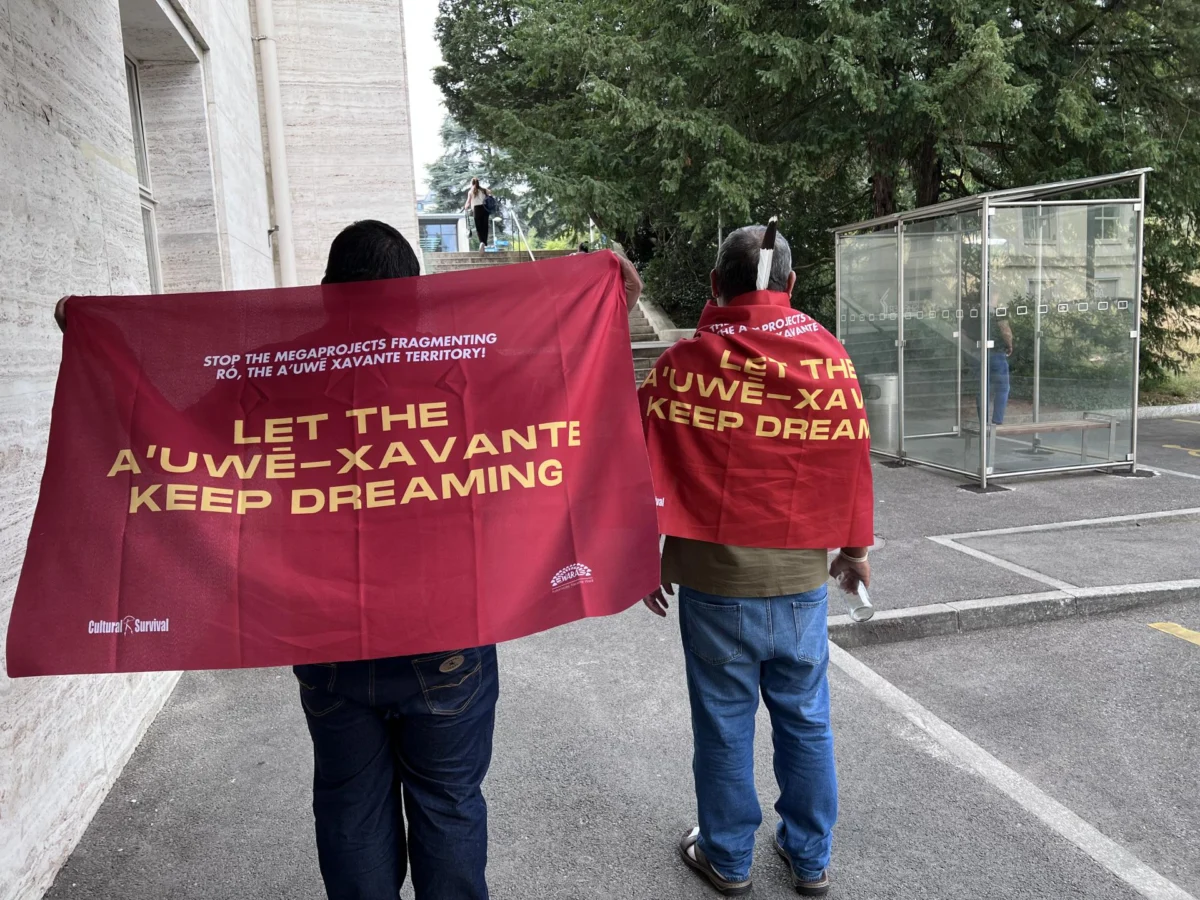
On July 15, 2026, amidst the formal proceedings of the 19th session of the UN Expert Mechanism on the Rights of Indigenous Peoples (EMRIP) in Geneva, a coalition of Indigenous organizations and allies launched a critical advocacy initiative. The Xavante Warã Association, in solidarity with communities from the Areões Indigenous Land, the Mobilization of Cerrado Indigenous Peoples (MOPIC), Rede Cerrado, and Cultural Survival, unveiled the advocacy brief titled "Let the A’uwá-Xavante Keep Dreaming." This comprehensive document synthesizes legal challenges, international advocacy efforts, and a global solidarity campaign, all aimed at amplifying the urgent calls of the A’uwá-Xavante people for the protection of their fundamental rights, ancestral territories, and the principle of self-determination within Brazil.
The focal point of this advocacy is the proposed Ferrovia de Integração do Centro-Oeste (FICO) railway, a massive infrastructure project championed by the Brazilian government and its proponents as a low-carbon logistics solution for the nation’s burgeoning agribusiness exports. However, for the A’uwá-Xavante people, this railway represents a profound threat, poised to bisect their ancestral territory. They contend that the project is advancing without their genuine Free, Prior and Informed Consent (FPIC), thereby jeopardizing the sacred sites, vital water sources, and intricate food systems that are intrinsically linked to their ceremonial life and cultural continuity.
From July 13 to 17, 2026, Indigenous leaders from the A’uwá-Xavante and Xikrin communities traveled to Geneva to deliver a stark warning directly to the UN EMRIP. Their presence marked the official launch of the international campaign, "Let the A’uwá-Xavante Keep Dreaming." This campaign directly confronts a growing paradox at the heart of global climate policy: the increasing tendency for infrastructure and mining projects, often framed as essential components of a "green transition" or climate solutions, to proceed over Indigenous territories without the explicit consent of the Indigenous peoples who inhabit them. For the A’uwá-Xavante, their territory is not merely land; it is a living, interconnected world that sustains their sustenance, their spiritual practices, their collective memory, and their very capacity to envision and pursue a future – to "dream." The fragmentation of this territory, as Indigenous leaders emphatically warn, would inevitably lead to the fragmentation of their people and their cultural heritage.
Voices from the Frontlines: Demands for Respect and Consent
The delegation’s presence at the UN served as a crucial platform to articulate their grievances and demands to an international audience. Hiparadi Dzutsi Wa Top Tiro, chief of Abelhinha Village in the Sangradouro Indigenous Territory, underscored the gravity of the situation: "We have come to the UN in Geneva to reveal to the world what is happening in our territories. Megaprojects are being forced upon our lands without our Free, Prior and Informed Consent, driven by empty promises that mislead our leaders. We are here to demand genuine dialogue with the government and the mega corporations, to ensure that our voices are heard and that our lands & lifeways are respected." His statement highlights a perceived lack of transparency and a systematic disregard for the consultation processes mandated by international standards.
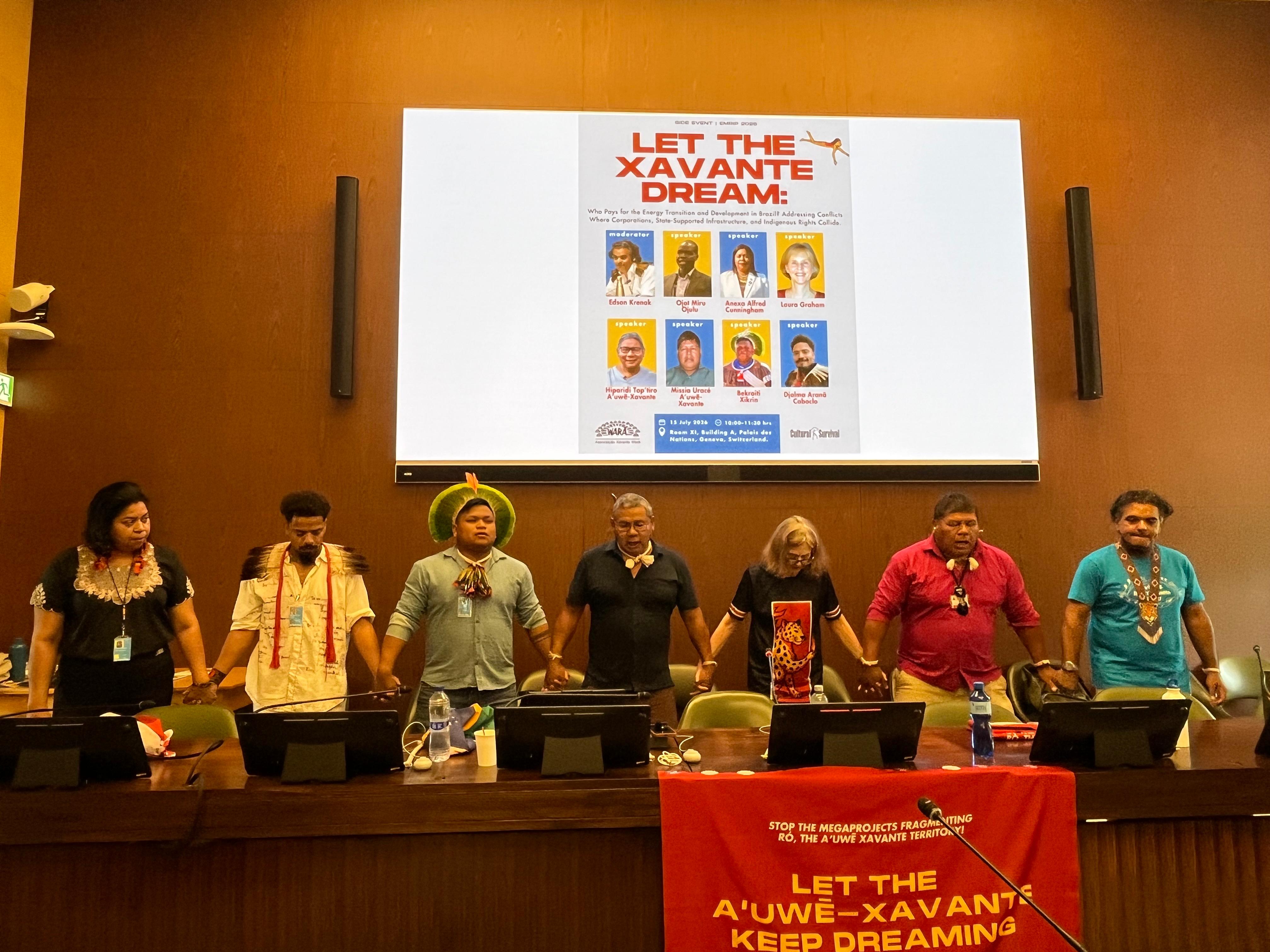
Missia Ihiwe Urace, a leader of the Areões Peoples from the Mutum community, articulated a strong critique of the Brazilian government’s adherence to international commitments. "The Brazilian government does not respect ILO Convention 169, which it signed in 2004 to guarantee our rights. The governor, politicians, and agribusiness are violating our rights, pushing projects onto our territories without consulting us. There is a desire to destroy our culture, but we are still here, resisting. Brazil and its people demand that we respect their laws and rights, but they do not extend the same courtesy to us. They demand respect, but they do not reciprocate." This assertion points to a perceived double standard in the application of laws and rights, particularly concerning Indigenous communities.
The perspective of the younger generation was eloquently presented by Bekroiti Xikrin, a youth leader, teacher, and researcher. "The world speaks of a ‘green transition,’ but for us, it means the destruction of our home. There is no just transition if it continues to sacrifice Indigenous peoples. We are the guardians of the forest, not suppliers of strategic minerals. If you want a sustainable future, you must respect our lands and our lives." Xikrin’s statement directly challenges the narrative of sustainable development that often overlooks the profound environmental and social costs borne by Indigenous peoples, positioning them as active stewards rather than passive obstacles to progress.
The FICO Railway: A Symbol of Contested Development
The FICO railway project, at the heart of the A’uwá-Xavante’s concerns, is envisioned as a critical artery for transporting agricultural commodities from Brazil’s central-western region to ports. Its proponents highlight its potential to reduce transit times and costs, thereby enhancing Brazil’s competitiveness in global agricultural markets. The railway is also promoted as an element of a "low-carbon" logistics strategy, a claim that Indigenous communities and their allies vehemently dispute given the potential environmental degradation and displacement associated with its construction and operation through ecologically sensitive areas.
The A’uwá-Xavante people have inhabited their ancestral lands for generations, developing a profound spiritual and material connection to the Cerrado biome. Their traditional practices, including hunting, fishing, gathering, and the cultivation of native crops, are inextricably linked to the health and integrity of their territory. The proposed route of the FICO railway is reported to traverse areas of significant cultural and ecological importance, including sacred ancestral sites and crucial water sources that sustain both human and non-human life.
A History of Resilience and Ongoing Struggle
The A’uwá-Xavante have a long and arduous history of struggle for their lands and rights. Throughout the 20th century, they endured forced displacement, epidemics, and violence, often at the hands of encroaching settlers and development projects. Despite these adversities, they persevered and eventually returned to their ancestral territories, working to rebuild their communities and reaffirm their cultural identity. The current threat posed by the FICO railway is seen as a continuation of this historical pattern of external forces seeking to exploit their lands, disregarding their rights and their capacity for self-governance.
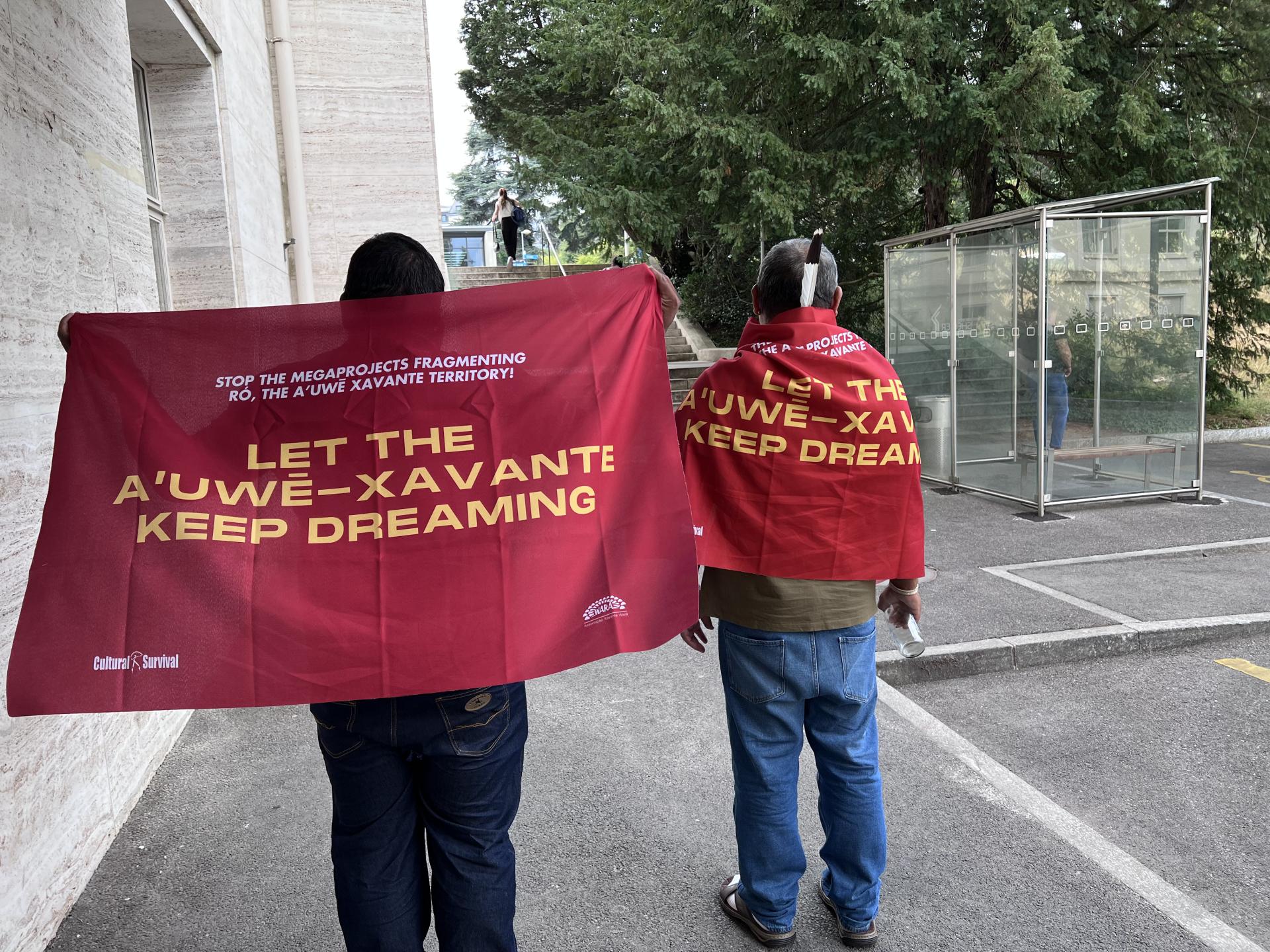
The advocacy brief "Let the A’uwá-Xavante Keep Dreaming" meticulously details the specific concerns of the Indigenous delegation in Geneva. These include:
- Fragmented Consultation Processes: The brief alleges that consultations with the A’uwá-Xavante communities have been superficial, piecemeal, and conducted under duress, failing to meet the standards of Free, Prior and Informed Consent as outlined in international human rights law.
- Pressure on Communities: Reports indicate that some community members have faced undue pressure to accept the project, including promises of economic benefits that are not guaranteed and may not outweigh the long-term cultural and environmental costs.
- State-Sponsored Narrative of "Development": The Brazilian state and project proponents are accused of framing the FICO railway as a purely developmental project, thereby downplaying or ignoring the significant negative impacts on Indigenous rights, livelihoods, and cultural heritage.
International Frameworks and Legal Obligations
The A’uwá-Xavante’s appeal to the UN EMRIP is rooted in international legal frameworks designed to protect the rights of Indigenous peoples. The UN Declaration on the Rights of Indigenous Peoples (UNDRIP), adopted by the General Assembly in 2007, explicitly affirms the right of Indigenous peoples to self-determination, to maintain and strengthen their distinct political, legal, economic, social, and cultural institutions, and to freely pursue their economic, social, and cultural development. Crucially, UNDRIP recognizes their right to FPIC regarding any project that may affect their lands, territories, and resources.
Furthermore, ILO Convention 169, concerning Indigenous and Tribal Peoples in Independent Countries, to which Brazil is a signatory, mandates that Indigenous peoples shall have the right to decide their own priorities for development in relation to their own economic, social and cultural development. It also requires governments to consult Indigenous peoples through appropriate procedures and in particular through their representative institutions, whenever legislative or administrative measures are contemplated which may affect them directly. The A’uwá-Xavante’s assertion that Brazil is violating this convention underscores a significant concern about the implementation of international human rights obligations at the national level.
Analysis of Implications: Beyond the FICO Railway
The struggle of the A’uwá-Xavante people is emblematic of a broader global trend where Indigenous territories are increasingly caught in the crosshairs of large-scale development projects, often justified by economic imperatives or purported climate solutions. The "green transition" narrative, while essential for addressing the climate crisis, risks becoming a new justification for resource extraction and infrastructure development that disproportionately impacts Indigenous communities.
The implications of the FICO railway project, if it proceeds without genuine consent, extend far beyond the immediate environmental and cultural damage. It could set a dangerous precedent for future projects in Brazil and elsewhere, signaling a weakening of international human rights protections for Indigenous peoples. The fragmentation of Indigenous territories can lead to the erosion of traditional governance structures, the loss of invaluable traditional ecological knowledge, and the disruption of social cohesion, making communities more vulnerable to external pressures and assimilation.
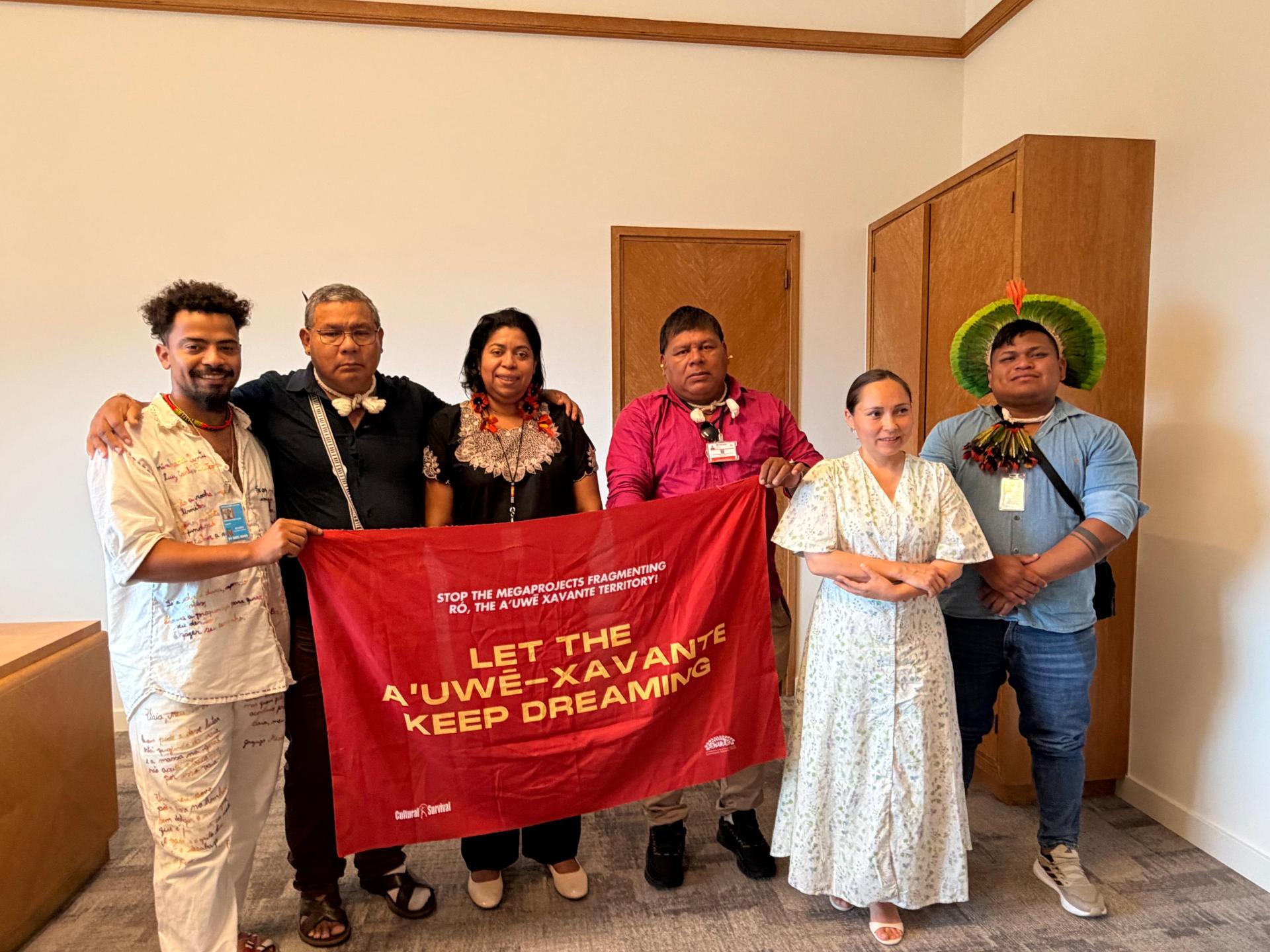
Moreover, the A’uwá-Xavante’s emphasis on their "capacity to dream" highlights a fundamental aspect of human rights: the right to a future. When their lands are threatened, their cultural practices disrupted, and their autonomy undermined, their ability to envision and build that future is severely compromised. The campaign’s title, "Let the A’uwá-Xavante Keep Dreaming," is a powerful plea for the recognition of their inherent right to self-determination and to shape their own destinies.
A Call to Global Solidarity
The international campaign launched by the A’uwá-Xavante and their allies seeks to mobilize global support for their cause. By raising awareness at international forums like the UN EMRIP and through public advocacy, they aim to exert pressure on the Brazilian government and the corporations involved in the FICO railway project to respect their rights and engage in genuine dialogue. The petition to defend Xavante Territory (Rõ) from fragmentation driven by large-scale projects serves as a tangible call to action for individuals worldwide to lend their voice to this critical human rights struggle.
The success of the A’uwá-Xavante’s efforts will not only impact their own community but will also contribute to the ongoing global movement for Indigenous rights and environmental justice. It underscores the vital role that Indigenous peoples play as guardians of biodiversity and the need for development paradigms that are truly sustainable, equitable, and respectful of human rights. The world watches to see if the promises of a "green transition" will translate into genuine respect for the rights and dreams of the A’uwá-Xavante and Indigenous peoples everywhere.