Across the United States, the rural healthcare landscape is currently navigating a critical juncture between temporary crisis management and the necessity for permanent systemic redesign. While immediate clinical interventions, such as workforce surge support and short-term grant funding, have provided essential lifelines for rural populations, experts warn that these solutions often leave community health centers (CHCs) vulnerable to the volatile nature of policy shifts and emerging health conditions. Public health organizations and federal agencies are now calling for a fundamental shift toward system modernization, urging states to utilize a unique window of opportunity provided by the Centers for Medicare & Medicaid Services (CMS) to invest in lasting rural health transformation.
The push for modernization comes at a time when rural communities face disproportionate challenges compared to their urban counterparts. According to data from the National Rural Health Association, approximately 20 percent of the U.S. population lives in rural areas, yet only about 10 percent of physicians practice there. This imbalance is exacerbated by a higher prevalence of chronic conditions, such as heart disease and type 2 diabetes, and a higher rate of hospital closures that have left vast "healthcare deserts" across the American heartland. To address these systemic failures, JSI (John Snow, Inc.), a global public health consulting firm, has released a comprehensive analysis of rural health delivery systems, advocating for a transition away from "band-aid" fixes toward a model rooted in population health management, team-based care, and value-based financing.
The Shift Toward Population Health Management
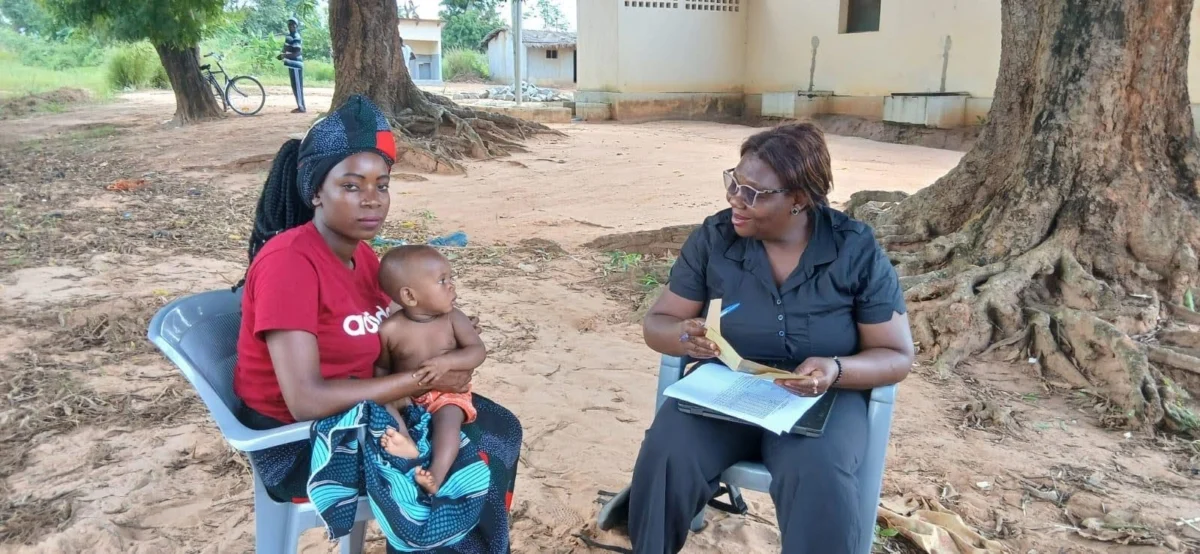
A central pillar of this proposed transformation is the strengthening of population health management, a strategy that moves the focus of care from the individual clinic visit to the health outcomes of the entire community. This approach is being exemplified in Anderson Valley, a rural agricultural region in northern California. In this community, the Anderson Valley Community Health Center has moved beyond traditional clinical boundaries to engage with patients in their natural environments.
In one documented instance, a patient recently diagnosed with type 2 diabetes requested that his providers bring their educational outreach directly to the vineyard where he and his colleagues worked. By conducting information sessions on-site, the clinic was able to raise awareness and facilitate chronic disease management for an entire workforce, many of whom might otherwise have faced barriers to accessing care due to work schedules or transportation issues.
Elena Thomas Faulkner, a senior policy consultant and director of JSI’s Population Health Management Initiative (PHMI), emphasizes that this shift is essential for rural resilience. "This approach of turning focus beyond just one patient and towards the community as a whole is central to the transformation needed for more proactive and effective rural health care," Faulkner stated. Through the PHMI, JSI is currently supporting 27 community health centers across California, coaching them on essential functions such as empanelment—the process of assigning patients to specific primary care teams—data quality reporting, and the integration of behavioral health services.
Chronology of Rural Health Policy and Reform
The current drive for transformation is the result of a decades-long evolution in how the United States approaches rural medicine.
- 1946 – The Hill-Burton Act: This landmark legislation provided federal funding to build hospitals in rural areas, establishing the physical infrastructure for rural care but often tying it to a high-volume, inpatient-heavy model.
- 1997 – The Balanced Budget Act: Created the Critical Access Hospital (CAH) designation, providing cost-based reimbursement to small rural hospitals to prevent closures.
- 2010 – The Patient Protection and Affordable Care Act (ACA): Introduced the first major push toward value-based care and expanded funding for Community Health Centers, which now serve as the primary source of care for one in five rural residents.
- 2015 – Colorado Team-Based Care Initiative: JSI began working with dozens of Colorado primary care organizations to establish the infrastructure for comprehensive team-based care models, a project that has now spanned nearly a decade.
- 2023-2024 – CMS Rural Health Transformation (RHT) Program: CMS introduced new opportunities for states to redesign rural systems, offering technical assistance and financial incentives to move away from fee-for-service models.
This timeline illustrates a steady movement away from simply building facilities toward optimizing how care is delivered and paid for.
Incentivizing Team-Based Care in Resource-Constrained Settings
Rural healthcare facilities frequently operate with limited staffing, making the traditional physician-centric model difficult to maintain. To counter this, health centers are increasingly adopting team-based care, which allows every member of a clinical team—including nurse practitioners, physician assistants, medical assistants, and community health workers—to "work at the top of their license." This means delegating tasks so that physicians focus on the most complex cases while other team members handle routine screenings, patient education, and follow-up care.
Lauren Dahlman, a JSI senior technical associate, notes that team-based care is particularly vital in rural settings because it addresses the shortage of primary care physicians while managing an expanding patient population. In Colorado, JSI’s ten-year involvement in supporting team-based care has shown that providing health centers with the "soft skills" of communication, workflow redesign, and actionable goal-setting is just as important as clinical training. Participating clinics in the state reported that these interventions helped renew staff commitment and improved patient throughput, even in the face of national healthcare labor shortages.
Transitioning to Value-Based Care: Data from Texas and Beyond
Perhaps the most significant hurdle to rural health transformation is the traditional fee-for-service (FFS) financing model. Under FFS, clinics are reimbursed based on the volume of services provided rather than the quality of outcomes achieved. For rural clinics with lower patient volumes, this model often leads to financial instability, as they cannot generate enough "visits" to cover the high fixed costs of operating in a remote area.
Value-based care (VBC) offers an alternative by tying payment to patient health outcomes. This model provides facilities with the flexibility to invest in non-medical drivers of health, such as transportation, nutrition, and housing coordination, which are often the root causes of poor health in rural populations.
A recent developmental evaluation conducted by JSI involved 11 health centers in Texas exploring value-based care opportunities. The findings highlighted several critical requirements for success in this new financial landscape:
- Robust Health IT: Clinics must have sophisticated electronic health records (EHR) to track patient outcomes over time.
- Data Quality and Reporting: Precise data is necessary to prove to payers that quality benchmarks are being met.
- Project Management Skills: Staff require training in administrative and strategic planning to navigate complex payment contracts.
By aligning financial incentives with community-wide health outcomes, value-based structures allow rural clinics to prioritize chronic care management and preventative services that were previously underfunded.
Supporting Data: The Rural-Urban Health Gap
The urgency for these systemic changes is underscored by data from the Centers for Disease Control and Prevention (CDC) and the Health Resources and Services Administration (HRSA). Recent statistics indicate:
- Mortality Rates: Rural Americans are more likely to die from the five leading causes of death—heart disease, cancer, unintentional injury, chronic lower respiratory disease, and stroke—than their urban counterparts.
- The "Digital Divide": While telehealth is a touted solution for rural access, approximately 22% of rural households lack a high-speed internet connection, compared to only 6% in urban areas, necessitating the "systemic transformation" of physical clinics mentioned in the JSI report.
- Hospital Closures: Since 2010, over 150 rural hospitals have closed or converted to emergency-only facilities, leaving millions of residents without local access to inpatient care.
These data points suggest that without the "fundamental rewiring" advocated by JSI, rural healthcare will continue to lag behind, regardless of how much temporary grant money is injected into the system.
Official Responses and Implications for State Policy
State health departments are increasingly recognizing that they cannot rely on federal grants alone to sustain rural lifelines. The CMS Rural Health Transformation program represents a shift in federal strategy, placing the onus on states to design delivery systems that are "enduring and self-sustaining."
Analysts suggest that the implications of this shift are twofold. First, states must act as conveners, bringing together rural providers, payers, and community leaders to align on a unified vision for care. Second, there must be a significant investment in the "infrastructure of care"—not just bricks and mortar, but the data systems and workforce training programs that allow for modern population health management.
"Rural communities are not just smaller versions of urban centers," the JSI report concludes. They possess unique strengths, including deep community networks and a high level of social cohesion. By leveraging these strengths through team-based models and community-oriented health management, states can move beyond the "vulnerability of shifting grant cycles" toward a future where rural health centers serve as stable, high-quality pillars of their communities.
The transition from Part 1 and Part 2 of the "Rural Lifelines" series, which focused on immediate provider support and patient access, to this final focus on systemic redesign, marks a maturing of the national conversation on rural health. As policy makers and health administrators look toward 2025 and beyond, the focus is expected to remain squarely on whether these innovative models in California, Colorado, and Texas can be scaled to protect the health of the 60 million Americans living in rural areas.