The intersection of private capital and public institutions has emerged as a central flashpoint in contemporary governance, corporate oversight, and civil society. Recent controversies spanning international athletic bodies, the United Kingdom’s parliamentary funding regulations, and municipal resource allocation have highlighted a broader systemic vulnerability: the systematic financialisation of public goods and democratic frameworks.
From the legal challenges facing international football administration to the controversies surrounding major political donations in Westminster and the acute socio-economic pressures facing local authorities like Birmingham, the mechanisms of wealth concentration continue to test the resilience of democratic checks and balances.
The FIFA Forward Enterprise Controversy and the Financialisation of Sport
The governance of global association football has faced intense scrutiny following revelations regarding a strategic pivot by the Fédération Internationale de Football Association (FIFA). At the center of the dispute is a proposal spearheaded by FIFA President Gianni Infantino to establish a private subsidiary titled FIFA Forward Enterprise (FFE).
The proposed entity was designed to centralise and manage the commercial rights of the international governing body’s premier properties. According to legal filings and investigative reports, the initiative aimed to restructure the commercial exploitation of world football through a private investment vehicle. Critics, including regional governing bodies, argued that the structure would effectively transfer long-term revenue streams from a global public sporting institution into private hands.
The friction between international football administrators escalated significantly when the Union of European Football Associations (UEFA) initiated criminal legal proceedings in Switzerland against Gianni Infantino. UEFA’s filings accuse the FIFA president of criminal mismanagement, alleging an attempt to advance a multibillion-dollar scheme at a below-market valuation to the benefit of select private interests.
Central to the controversy was the mechanism reportedly used to secure buy-in from financially vulnerable national football associations. Critics contend that cash-strapped federations—struggling to fund basic grassroots infrastructure, youth development, and operational overheads—were offered short-term financial lifelines, conditional upon surrendering long-term commercial rights. This dynamic highlighted a recurring vulnerability within sports administration: organisations operating under acute financial distress frequently lack the institutional leverage required to reject short-term capital infusions, even when those agreements compromise long-term financial autonomy.
Westminster Funding, Electoral Transparency, and the Influence of Mega-Donors
While international sports administration navigates legal challenges regarding private equity integration, the United Kingdom’s domestic political landscape faces parallel debates concerning electoral finance. Official disclosures published by the Electoral Commission and monitored by transparency initiatives such as DonationWatch illustrate a profound concentration of financial backing within contemporary political parties.
Data compiled from electoral records indicates that Nigel Farage’s Reform UK has accumulated more than £45 million in documented donations. Analysis of these figures reveals that a substantial majority—exceeding 56%, or approximately £25.19 million—originated from a single source: cryptobillionaire Christopher Harborne. This total includes a single contribution of £9 million registered in July 2025.
Investigative reporting by journalist Carole Cadwalladr has further illuminated the structural risks associated with concentrated political funding. Investigations have highlighted regulatory inquiries by the Metropolitan Police regarding donations accepted by Reform UK from Fiona Cottrell, mother of George Cottrell, a former fundraiser for the party who previously pleaded guilty in United States federal court to financial crimes involving online financial services.
These developments have intensified debates regarding the influence of high-net-worth individuals over the legislative process. Prominent parliamentarians, including Labour MP Stella Creasy, have raised concerns regarding the role of unlimited or poorly regulated private wealth in shaping electoral outcomes and policy trajectories. The core argument posits that when political parties rely heavily on a small cohort of affluent contributors, the alignment between elected officials and the broader electorate can become strained.
The Prime Minister’s U-Turn on Political Donations
The tension between reformist political platforms and the pragmatic realities of party funding was underscored by recent policy shifts within the executive branch. Following a leadership transition, Prime Minister Andy Burnham faced immediate decisions regarding the regulation of political donations ahead of upcoming legislative milestones.
Earlier in the electoral cycle, correspondence from the incoming Prime Minister to electoral reform advocates indicated robust support for structural changes to political financing. Specifically, Burnham expressed backing for a £500,000 cap on individual political donations, arguing that such a measure would mitigate the perception of undue influence by single entities and foster a broader cultural shift within British governance.
However, subsequent legislative drafts omitted the proposed cap on domestic donations. Following coordinated lobbying efforts from various political stakeholders and affiliated organisations—many of whom expressed concern that broad caps could disrupt established funding models—the administration elected not to advance the restrictive amendments in the legislative package.
Proponents of electoral reform argued that the reversal demonstrated the difficulty of implementing systemic transparency measures when governing parties remain integrated within existing financial structures. Critics maintained that such compromises perpetuate a cycle wherein public policy regarding democratic integrity yields to immediate political expediency.
Defamation, Regulatory Capture, and Institutional Vulnerabilities
The pressure on democratic oversight extends beyond elected officials to encompass independent regulatory bodies tasked with maintaining electoral integrity. A prominent example involves the Electoral Commission and its efforts to investigate potential vulnerabilities in campaign financing, specifically regarding foreign funds entering UK political processes via offshore jurisdictions such as the Isle of Man.
Investigations revealed that when the regulatory body sought to publish findings regarding these systemic loopholes, it faced substantial defamation litigation initiated by wealthy donors. Due to the high financial costs associated with defending complex defamation claims in London courts against well-funded litigants, the Electoral Commission reportedly entered into legal settlements that involved the removal of specific investigative reports and compliance warnings from its official digital platforms.
Observers and institutional watchdogs have characterized these outcomes as a form of regulatory suppression, wherein the financial asymmetry between public watchdogs and private wealth effectively limits public scrutiny. This feedback loop—whereby capital secures influence, influence shapes regulatory frameworks, and those frameworks protect further accumulation—remains a central focus for transparency advocates seeking structural legislative reform.
Localised Socio-Economic Disparities: The Case of Birmingham
The macro-level dynamics of resource extraction and institutional vulnerability are similarly visible at the municipal level, where local authorities manage the acute effects of prolonged underfunding. In Birmingham, statistical indicators reflect persistent structural challenges: approximately 88% of local wards register higher levels of deprivation than the national English average, and roughly 43% of children grow up within households experiencing relative poverty.
These socio-economic conditions have placed severe constraints on local public services, including youth provisions, social care, and community infrastructure. Local civil society organisations argue that resource-deprived municipalities mirror the financial vulnerability observed in cash-strapped sporting associations or regulated entities: communities operating under acute financial stress often possess diminished capacity to negotiate equitable outcomes with external private or governmental actors.
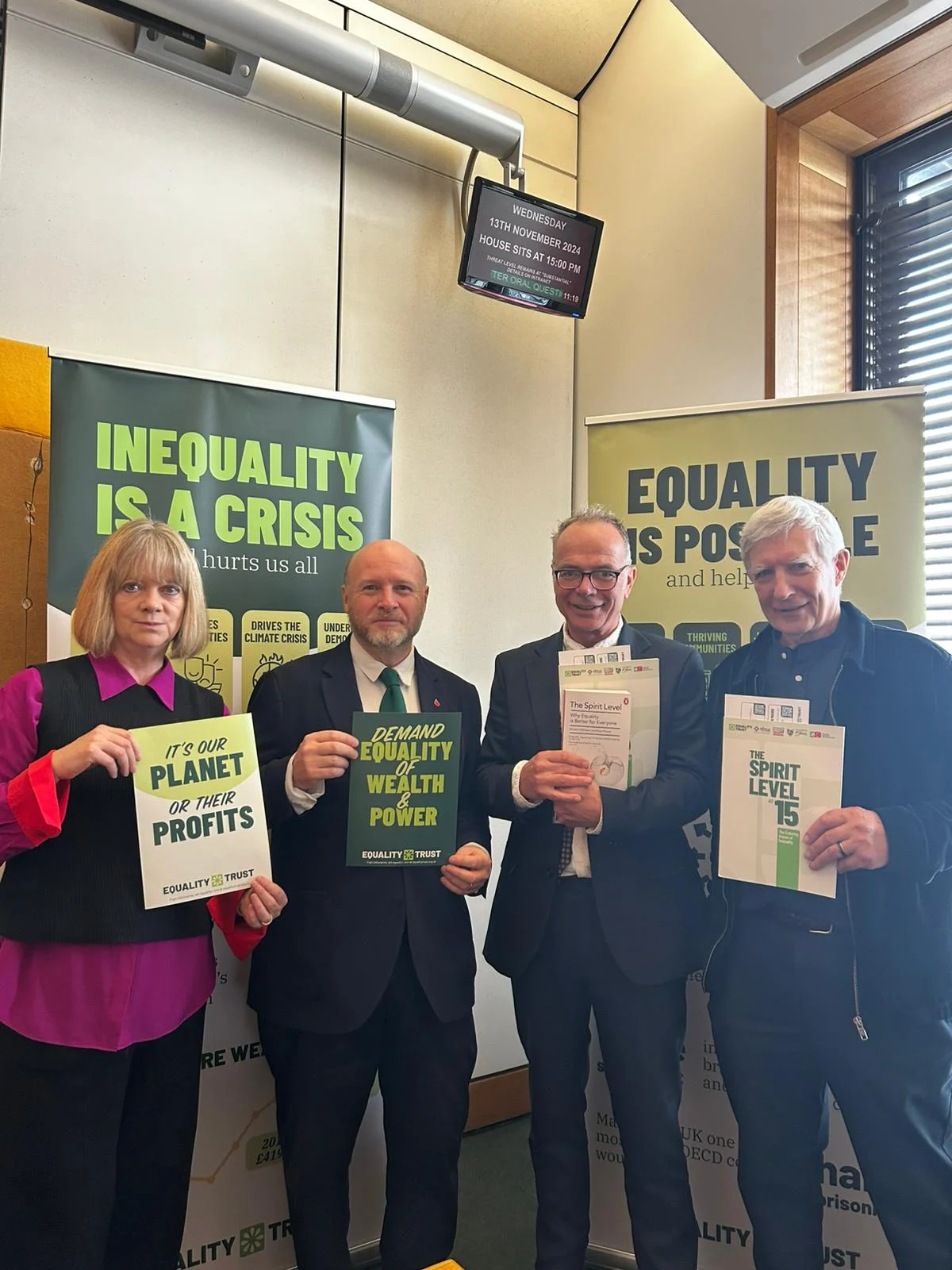
In response to these systemic challenges, community-led initiatives have emerged to challenge top-down austerity and resource extraction. Programs such as The Equality Trust’s Cost of Inequality project in Birmingham utilise participatory models, including Community Reporting frameworks, to document local economic realities. By training residents to curate and articulate their own narratives rather than relying on external academic or institutional extraction, these grassroots movements aim to influence future policy implementation—particularly ahead of the planned national rollout of the Socio-economic Duty (SED).
Broader Implications and Analytical Outlook
The convergence of challenges facing international sports governance, Westminster campaign finance regulations, and municipal resource allocation underscores a shared institutional vulnerability. Whether through the commercialisation of global athletic tournaments, the reliance of political parties on high-net-worth donors, or the financial strain placed on local governments, the central tension remains the preservation of public accountability in the face of concentrated capital.
As legal proceedings against international sports administrators proceed in Switzerland, and as domestic debates surrounding electoral reform and regulatory transparency continue within Parliament, the long-term trajectory of public institutions will depend heavily on the establishment of robust, enforceable safeguards. Analysts suggest that addressing these systemic issues requires reinforcing the independence of regulatory bodies, establishing transparent caps on political contributions, and ensuring that public assets and democratic processes remain insulated from extractive private interests.