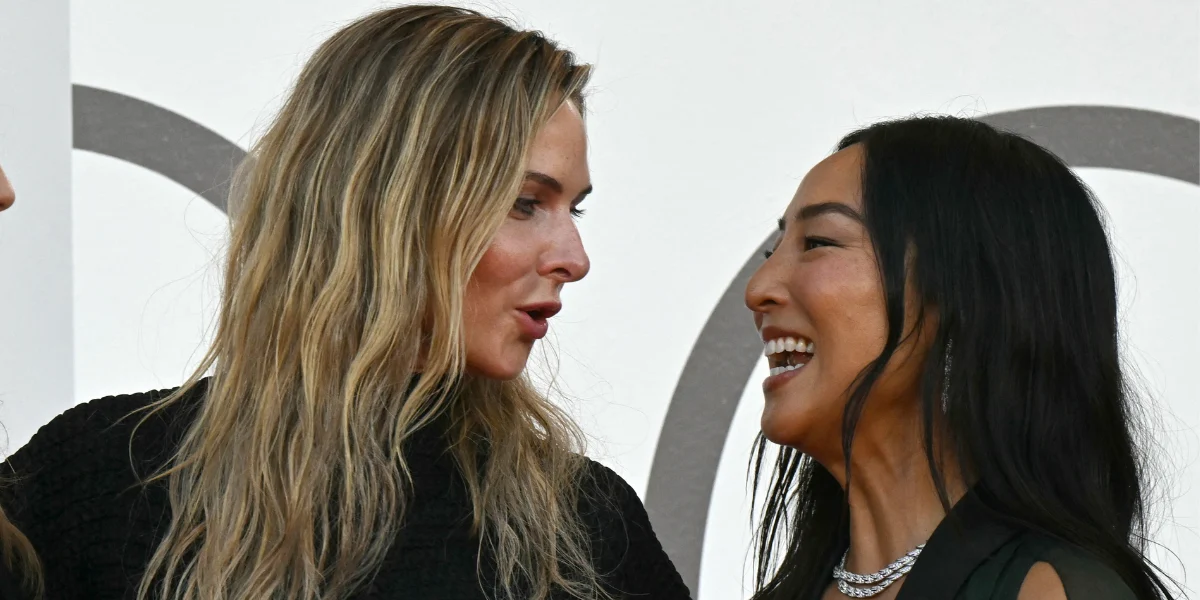
The cinematic landscape is set to expand its representation of queer narratives with the announcement of a new feature film, Honeymoon Funeral, starring Rebecca Ferguson and Greta Lee. The project, which has generated significant industry buzz following its initial discovery via candid set photography, represents a noteworthy collaboration between two of contemporary cinema’s most sought-after performers. While production details remain largely guarded, the film is positioned as a significant addition to the growing catalog of high-profile romantic comedies featuring LGBTQ+ leads.
The Genesis of the Project and Initial Reports
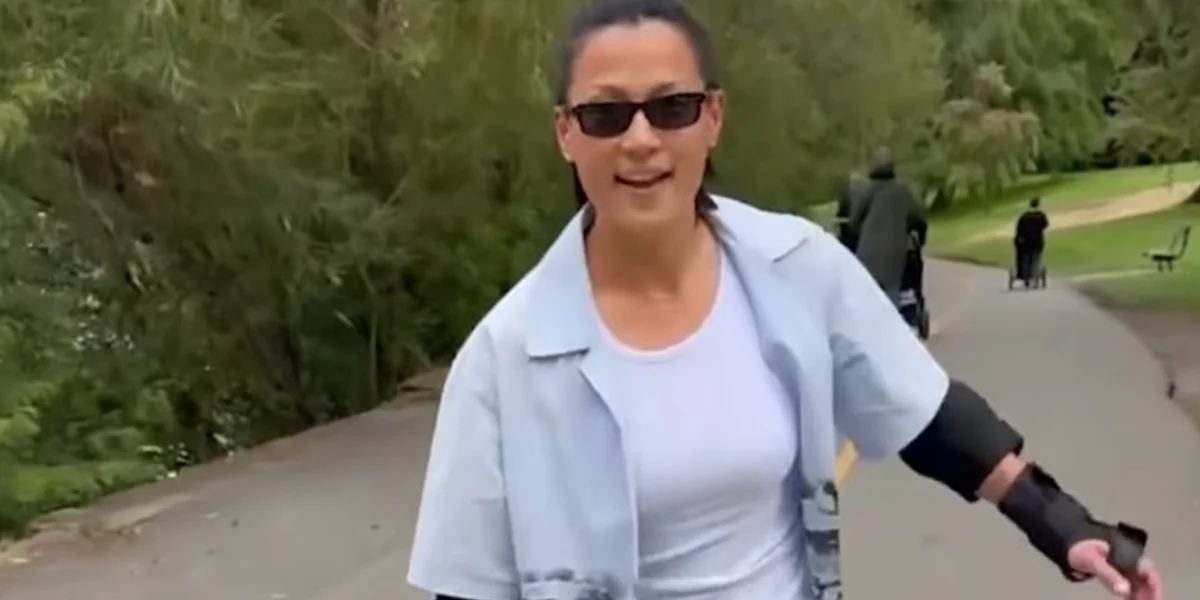
The public’s introduction to Honeymoon Funeral was unconventional. In late 2026, unauthorized cell phone images captured Ferguson and Lee in close proximity on a film set, sparking immediate speculation across social media platforms and entertainment news outlets. These images, which depicted a chemistry that fans and critics alike identified as the likely foundation for an on-screen romance, served as the unofficial announcement for the project.
Following the circulation of these images, industry reporting from outlets such as Deadline confirmed the project’s existence, officially identifying the film as Honeymoon Funeral. The discovery highlights a recurring trend in the digital age, where fan interest and social media surveillance frequently outpace traditional marketing and publicity cycles. Since the initial leak, the production team has begun to provide a more controlled release of information, acknowledging the high level of public curiosity surrounding the pairing of these two stars.
Profiles of the Leading Talent
The casting of Rebecca Ferguson and Greta Lee is a significant factor in the film’s early momentum. Rebecca Ferguson, a Swedish actress who has gained global prominence through her roles in the Mission: Impossible franchise and the critically acclaimed Dune series, is known for her ability to navigate both intense action sequences and subtle, character-driven dramas. Her versatility has made her one of the most bankable stars in Hollywood, and her decision to headline a sapphic romantic comedy indicates a strategic shift toward intimate, character-focused storytelling.
Greta Lee, meanwhile, has experienced a meteoric rise in the industry following her Academy Award-nominated performance in Past Lives. Lee’s work is characterized by a unique blend of vulnerability and sharp comedic timing, qualities that are often essential for successful romantic comedies. Her trajectory—from acclaimed independent features to major studio productions—suggests that Honeymoon Funeral will benefit from a sophisticated, nuanced approach to the romantic genre. The combination of Ferguson’s gravitational presence and Lee’s empathetic, grounded acting style creates a compelling dynamic that is expected to anchor the film’s narrative.
Contextualizing the Romantic Comedy Genre
Romantic comedies have undergone a significant evolution over the past decade, moving away from formulaic structures toward more diverse and inclusive storytelling. The rise of films featuring LGBTQ+ leads is not merely a cultural milestone but a reflection of changing market demands. Data from recent years indicates that audiences are increasingly seeking authentic representation in genre films.
Historically, mainstream romantic comedies often excluded queer narratives, relegating them to independent or niche cinema. However, the success of titles like Happiest Season and Fire Island has demonstrated that there is a substantial, underserved market for high-budget, star-driven queer romances. Honeymoon Funeral enters this space as a test case for whether the broader, global audience that follows stars like Ferguson and Lee will embrace the specific thematic elements of a sapphic love story within a conventional romantic comedy framework.
Industry Trends and the Impact of Queer Representation
The inclusion of queer narratives in mainstream film is part of a broader shift in Hollywood’s approach to diversity. According to the GLAAD Studio Responsibility Index, the percentage of films containing LGBTQ+ characters has seen a steady, if incremental, increase. Beyond mere inclusion, however, the industry is witnessing a demand for "prestige" queer cinema—films that are not defined solely by the characters’ sexual orientation but by the quality of the production and the depth of the performances.
Honeymoon Funeral is expected to capitalize on this trend. By placing two prominent actors in a romantic pairing, the production avoids the "side character" trap that has historically limited queer representation in studio films. The film’s success will likely influence future greenlight decisions, as studios observe the commercial viability of queer-led projects that do not rely on traditional tropes or tragedy.
The Broader Landscape of 2026 Media Developments
The announcement of Honeymoon Funeral coincides with a flurry of activity regarding queer-inclusive media across various platforms. The diversification of storytelling is evident in the recent expansion of queer themes in television, theater, and music.
- Broadcast and Reality Television: The current season of Dancing with the Stars has made headlines for its commitment to inclusive casting, featuring multiple same-sex pairings and openly queer contestants, such as Sarah Jane Nader and Amber Glenn. This visibility on a mass-market platform suggests that mainstream audiences are increasingly comfortable with and supportive of diverse relationship dynamics.
- Theatrical Revivals: The development of a musical adaptation of the cult classic Jawbreaker, featuring a transgender character in a lead role, underscores the industry’s interest in updating legacy properties to reflect modern identity politics. The casting of nonbinary actor AJ Paramo to portray the character of Fern Mayo serves as an example of how traditional narratives are being reimagined.
- Genre Expansion: The international acquisition of The Blood Countess, a lesbian vampire horror-comedy, highlights the growing global appetite for genre-blending queer stories. These projects, while distinct in tone from a traditional romantic comedy, share the common thread of prioritizing queer perspectives.
- Professional Networking and Intersectionality: The industry is also seeing a shift in how queer talent discusses their work. Artists like Rebecca Black, in discussing her musical career, have explicitly linked their creative output to the queer community, framing their work as both by and for that demographic. Similarly, the movement of queer actors—such as Alexandra Metz’s transition into roles within established franchises like Will Trent—reflects a desire to see queer identity normalized within existing television universes.
Future Projections for Honeymoon Funeral
As production on Honeymoon Funeral continues, stakeholders are looking toward the marketing phase for signals regarding the film’s tone and target audience. While the title suggests a potential dark comedy or a subversion of the wedding genre, the specific plot details remain under lock and key. Analysts suggest that the film will likely rely on a balanced release strategy, leveraging the stars’ established social media followings while targeting the core demographic that has championed previous queer-led romantic successes.
The long-term impact of this film will likely be measured by its ability to bridge the gap between "niche" queer cinema and the global box office. If Honeymoon Funeral achieves critical and commercial success, it will provide further evidence that the romantic comedy genre is not only a viable vehicle for diverse representation but also an essential component of modern studio portfolios.
For now, the audience is left to speculate on the chemistry between the leads and the narrative trajectory of the film. As official production notes become available, the industry will be watching to see how Ferguson and Lee interpret these roles and how the filmmakers balance the expectations of a loyal fanbase with the requirements of a mass-market release. The anticipation surrounding this project is a testament to the ongoing evolution of the Hollywood star system and its growing responsiveness to a more inclusive cinematic culture.