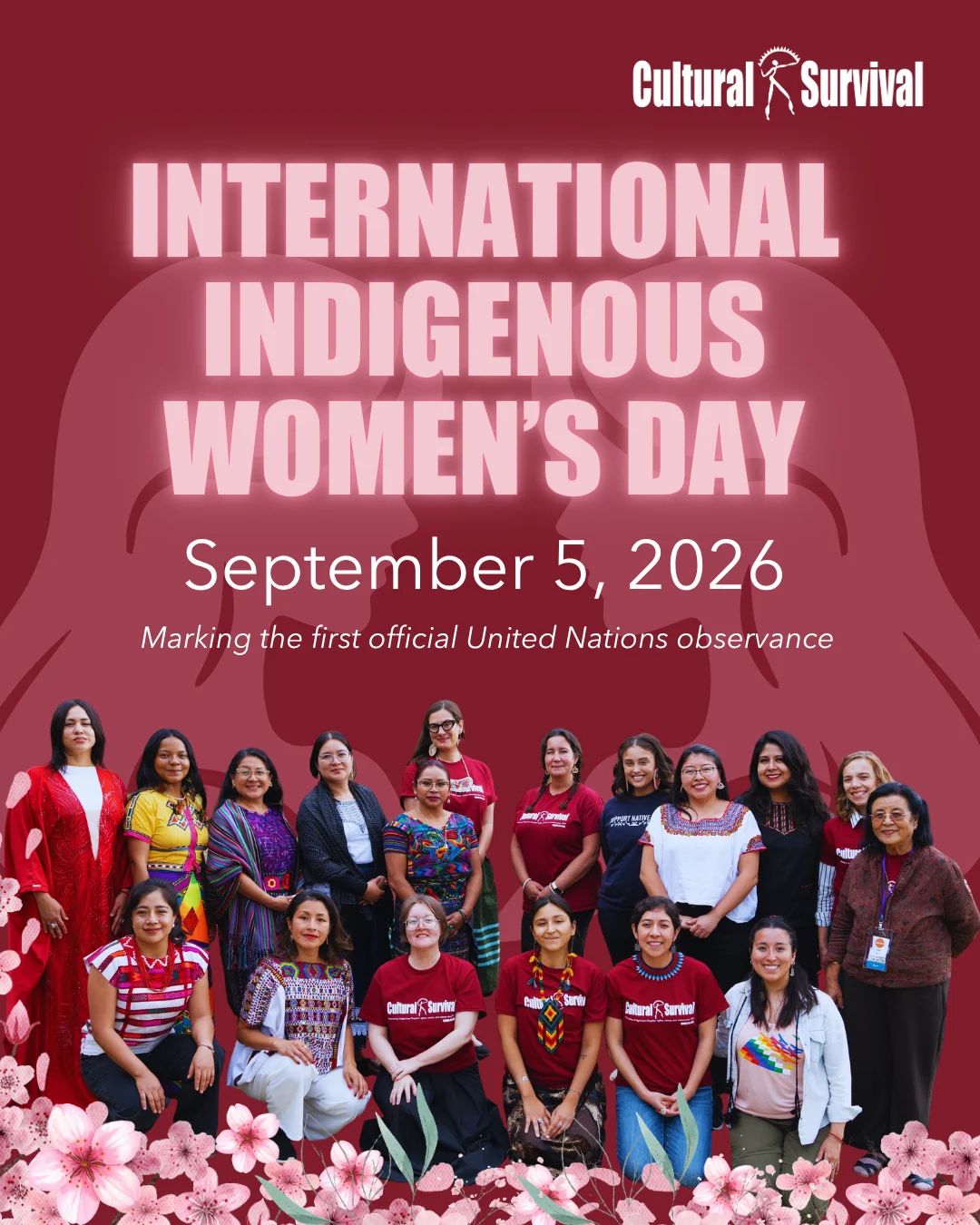
The global landscape of human rights advocacy has increasingly focused on the preservation and empowerment of Indigenous communities, an effort anchored by organizations dedicated to systemic change. For more than half a century, Cultural Survival has served as a foundational pillar in this movement. Established in 1972, the organization has maintained an unwavering commitment to defending the fundamental human rights of Indigenous Peoples worldwide, championing their right to self-determination, cultural preservation, and political resilience in the face of ongoing modernization pressures and historical injustices.
As the international community navigates complex environmental and social crises, the mission of Cultural Survival remains more critical than ever. Operating at the intersection of grassroots activism and global policy, the organization works tirelessly to ensure that Indigenous voices are not only heard in local councils and international tribunals but are also central to decision-making processes concerning land stewardship, climate change mitigation, and cultural heritage.
Foundational Mission and Strategic Vision
At its core, Cultural Survival operates under a clearly defined mandate. The organization’s mission is rooted in the advocacy of Indigenous Peoples’ rights and the active support of their self-determination, distinct cultures, and political resilience. This mission has guided decades of programmatic work, ranging from legal defense initiatives to community media projects that amplify local narratives.
Complementing this mission is a forward-looking vision for global society. Cultural Survival envisions a future that respects and honors the inherent rights and dynamic cultures of Indigenous Peoples. This vision is deeply and richly interwoven with the preservation of ancestral lands, native languages, spiritual traditions, and artistic expressions. Crucially, this future is anchored in the principles of self-determination and self-governance, ensuring that Indigenous communities retain authority over their communal destinies, economic development, and traditional territories.
A Historical Chronology of Indigenous Advocacy
The establishment of Cultural Survival in 1972 coincided with a transformative era in global human rights advocacy. During the 1970s and 1980s, marginalized populations across the globe began organizing on an international scale to demand recognition of their sovereignty, territorial rights, and protection from forced assimilation and displacement.
During its formative decades, Cultural Survival focused heavily on documenting human rights abuses against Indigenous groups in the Americas, particularly in Central and South America. Researchers and anthropologists affiliated with the organization published groundbreaking reports detailing land grabs, resource extraction without consent, and state-sponsored violence against tribal populations. These publications brought international scrutiny to localized conflicts, providing critical evidence for legal challenges and policy debates.
As the global political climate shifted in the 1990s and 2000s, Cultural Survival expanded its scope to engage directly with international governance frameworks. The organization played an active role in advocating for the adoption of the United Nations Declaration on the Rights of Indigenous Peoples (UNDRIP), which was ultimately adopted by the UN General Assembly in September 2007. This milestone instrument established a universal framework of minimum standards for the survival, dignity, and well-being of Indigenous Peoples worldwide.
In recent years, the organization has adapted to the digital age, launching webinars, digital training programs, and virtual advocacy campaigns to connect Indigenous leaders across continents. These modern initiatives allow for real-time sharing of strategies, legal precedents, and community success stories, fostering a global solidarity network that transcends geographical boundaries.
Contextualizing the Current Landscape

The urgency driving Cultural Survival’s initiatives stems from the persistent threats facing Indigenous populations globally. According to international human rights monitors, Indigenous Peoples make up approximately six percent of the global population, yet they safeguard an estimated 80 percent of the planet’s remaining biodiversity. Despite their vital role in environmental conservation, Indigenous communities frequently experience disproportionate levels of poverty, marginalization, and systemic discrimination.
Land tenure remains one of the most contentious issues facing Indigenous groups today. Across the globe, ancestral territories are increasingly targeted for commercial logging, mining, agricultural expansion, and mega-infrastructure projects. In many cases, these operations proceed without the Free, Prior, and Informed Consent (FPIC) of the affected communities, a principle enshrined in international law but frequently violated by state and corporate actors.
Furthermore, climate change poses an existential threat to many Indigenous ways of life. Communities residing in Arctic regions, low-lying coastal areas, and fragile forest ecosystems are on the front lines of environmental degradation. Because their traditional livelihoods are intricately connected to local weather patterns, seasonal migrations, and natural resource availability, environmental shifts directly threaten their food security, cultural practices, and physical survival.
Official Responses and Institutional Perspectives
International bodies, academic institutions, and civil rights organizations have increasingly recognized the indispensable role that Indigenous-led governance plays in global sustainability. Human rights experts frequently point out that respecting Indigenous land rights is not merely a matter of social justice, but an effective strategy for mitigating climate change and preserving global ecosystems.
Speaking on the broader implications of Indigenous rights advocacy, international policy analysts emphasize that legal recognition of self-governance leads to superior environmental outcomes. Studies published by environmental research institutes consistently demonstrate that forests managed or co-managed by Indigenous communities experience lower rates of deforestation compared to government-administered or privately held lands.
Representatives from Indigenous civil society organizations have consistently urged governments and multilateral financial institutions to move beyond symbolic recognition and enact binding legal protections. During international climate summits and human rights forums, Indigenous delegates frequently call for direct access to climate finance and greater legal standing in national courts to challenge unauthorized industrial incursions on their lands.
Broader Implications and Future Outlook
The implications of sustained Indigenous advocacy extend far beyond the borders of specific tribal territories. As the world grapples with interconnected crises of biodiversity loss, climate instability, and economic inequality, the philosophies and practices of Indigenous stewardship offer vital lessons for sustainable living.
Cultural Survival’s ongoing programs—ranging from community radio grants that preserve endangered languages to advocacy training for emerging youth leaders—are designed to build long-term institutional capacity within Indigenous communities. By equipping the next generation with the tools of digital media, legal advocacy, and international diplomacy, the organization ensures that the fight for self-determination remains vibrant and adaptable.
Looking ahead, the primary challenges for the movement will involve navigating the complexities of green energy transitions, which frequently demand vast quantities of minerals extracted from Indigenous lands. Ensuring that the global transition to renewable energy does not replicate the colonial patterns of resource extraction of the past will require rigorous enforcement of Indigenous rights and meaningful corporate accountability.
Through nearly five decades of steadfast dedication, Cultural Survival and its global partners continue to demonstrate that the preservation of Indigenous cultures and self-determination is essential for a just, equitable, and sustainable global future. As public awareness grows through informational campaigns, community updates, and educational initiatives, the global network of support for Indigenous rights continues to expand, reinforcing the foundational principle that human rights and environmental health are inextricably linked.